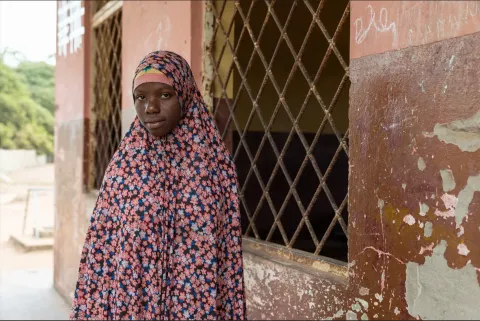
From silence to dialogue: young voices are driving change to end FGM in Gabú
GABU REGION, GUINEA-BISSAU
- English
- Portuguese
In the Gabú region of eastern Guinea-Bissau, a meaningful number of community gatherings on preventing female genital mutilation (FGM) are space for impactful open conversations on FGM, reaching adolescent girls, at risk for FGM.
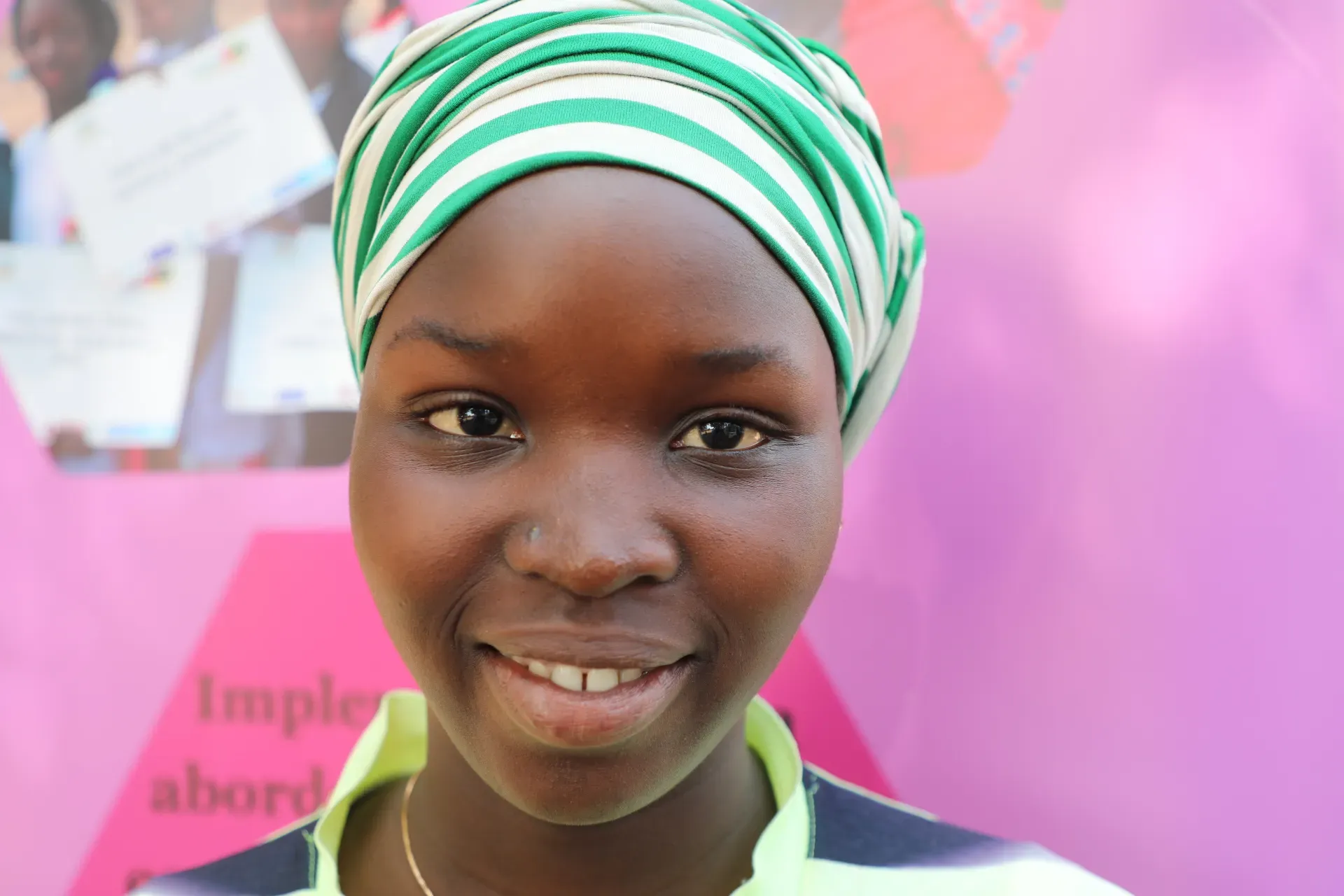
For Ramatulai Bodjan, a young activist, these conversations have become part of everyday life.
“When I’m with my friends, we talk about issues like FGM and forced marriage,” she says. “More and more, we are starting to question these practices.”
In a region where FGM remains deeply entrenched and highly prevalent, these informal conversations mark a quiet but significant turning point. Gabú stands out as one of the regions most affected by FGM in the country. Recent data from Multiple Indicator Cluster Survey (MICS) VI, 2018–2019 shows that nearly 96 per cent of women aged 15 to 49 have undergone the practice, far exceeding the national average of around 52 per cent.
This harmful practice persists among the young generation, more than 70 percent of girls 0 to 14 years are affected, more than double the national rate of approximately 30%. These figures underscore the urgency of sustained community driven action to address the root causes of the practice and foster changes.
Despite the scale of the challenge, changes are beginning to take root. Increasingly, community members are engaging in awareness and education activities that deepen understanding of the physical, psychological and social consequences of FGM. For younger generations, these exchanges create space for reflection and gradually opening pathways for long-lasting change.
For Ramatulai, the impact of these conversations goes beyond formal sessions.
“These awareness sessions are really important,” she explains. “They help us understand what FGM really means, and we take these conversations back to our friends.”
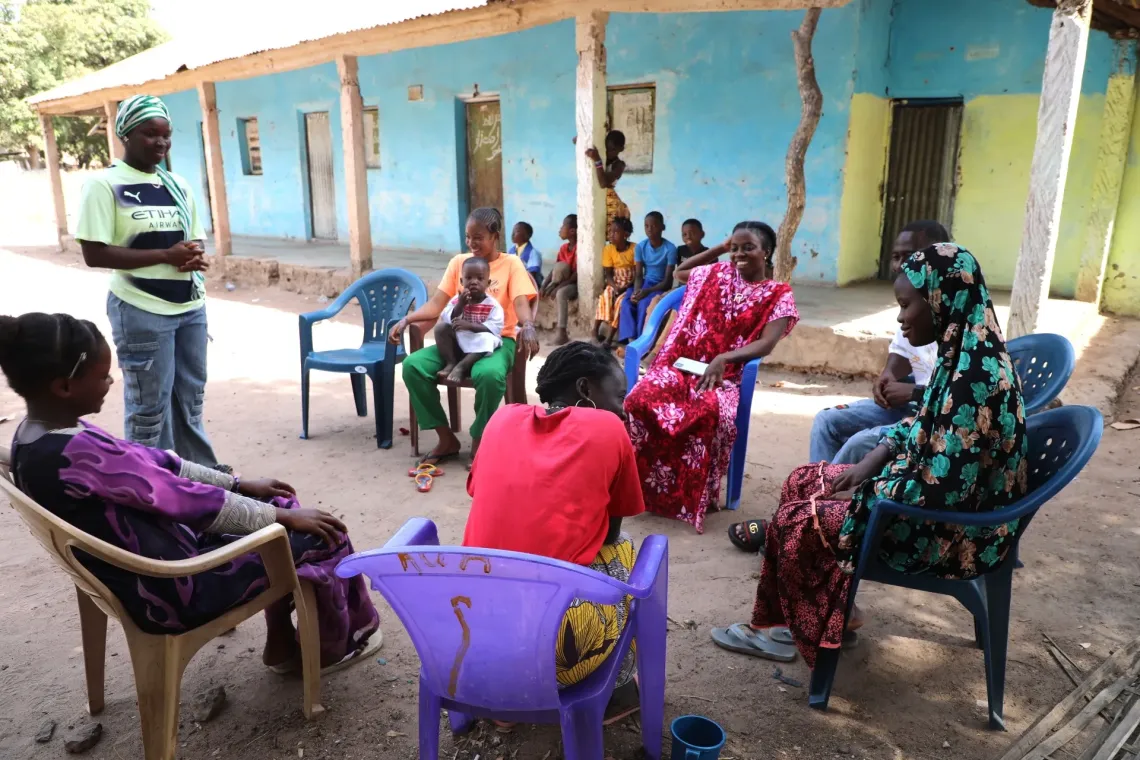
Through peer-to-peer exchanges, young people like Ramatulai are expanding the reach of community dialogues to increased number of youth beyond formal settings. Once-taboo sensitive subjects are discussed openly in everyday conversations, creating new opportunities for reflection.
Community dialogues continue to play a central role in this transformation. Bringing together women, men, religious leaders and young people, they provide safe spaces to challenge long-held beliefs, misconceptions, including FGM is a religious obligation, openly and respectfully.
These dialogues are breaking the long-standing silence surrounding FGM, creating space for women and survivors to share their experiences, essential critical step in l challenging deeply rooted social norms that have sustained the practice across generations.
Progress, however, remains uneven. Social expectations linked to marriage, purity and social acceptance continue to influence decisions around FGM; and girls who are not cut may face stigma or exclusion. According to a study on FGM conducted by UNICEF in 2025 in regions with high prevalence, many men often play a central decision-making role families and communities and continue to support the practice.
At the same time, these conversations are opening space to address related issues such as child marriage and domestic violence, reflecting broader patterns of gender inequality.
“FGM puts girls and women at risk and can harm them in many ways,” says Cadija Baldé, a community member. “Now I understand how harmful it really is, and it’s something that needs to stop.”
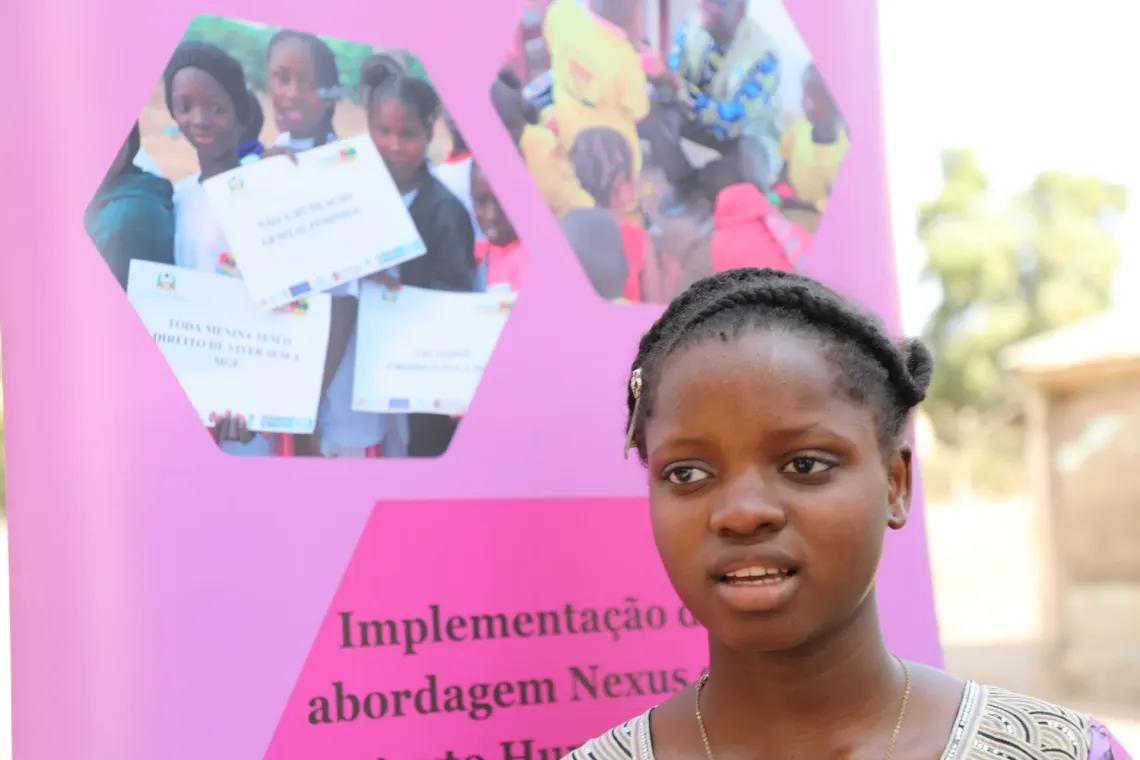
The joint UNFPA–UNICEF Programme on the Elimination of FGM supports a community-driven approach in Guinea-Bissau, particularly in high-prevalence regions like Gabú and Bafatá. Efforts focus on strengthening ongoing community dialogues, engaging religious and traditional leaders, and building the capacity of frontline workers across sectors.
Structural challenges persist including limited coordination across sectors and weak systems for recording and monitoring FGM cases, hindering the estimates of the full scale of the practice.
Strengthening these systems is further advanced by integrating FGM into the new national referral and case management system to address violence against children. This integration is essential to ensure that responses are evidence‑based, coordinated, and responsive to community needs.
Sustained investment in capacity-building remain essential. Health professionals, educators and community actors play a vital role in identifying and responding to cases, and in raising awareness and behaviour change within communities. Creating safe environments where survivors feel supported and empowered to speak out remains a fundamental part of this effort.
“If we want to build a more just society, we need to start in schools,” says Umaro Djaquite, Community Facilitator. “We need to talk more about FGM, domestic violence and child marriage.”

In Gabú, young people like Ramatulai are increasingly in shaping how their communities understand and talk about FGM. These individual actions are part of a broader community driven movements supported by the joint UNFPA–UNICEF Programme on the Elimination of FGM in Guinea-Bissau (Phase IV- 2022 - 2030). The programme aims to transform harmful social norms rooted in gender inequality and advance Global Promise to End FGM by raising awareness, strengthening capacities and engaging girls, boys, women and men. Through this collective effort, it supports the gradual abandonment of FGM and empower women and girls to participate in decisions that affect their lives. Voices like Ramatulai’s signal a new generation, one that is not only questioning the past, but actively contributing to shape a different future.
“We still have a long way to go,” reflects Sónia Polónio, UNICEF Child Protection Manager, on behalf of the Joint Programme. “But now, people are starting to think differently. That is where change begins.”