Empowering Girls' Education in Ghana: UNICEF's Undaunted Women Support Project
Breaking Barriers and Building Futures: How UNICEF and Partners are Transforming Girls' Education in Ghana.
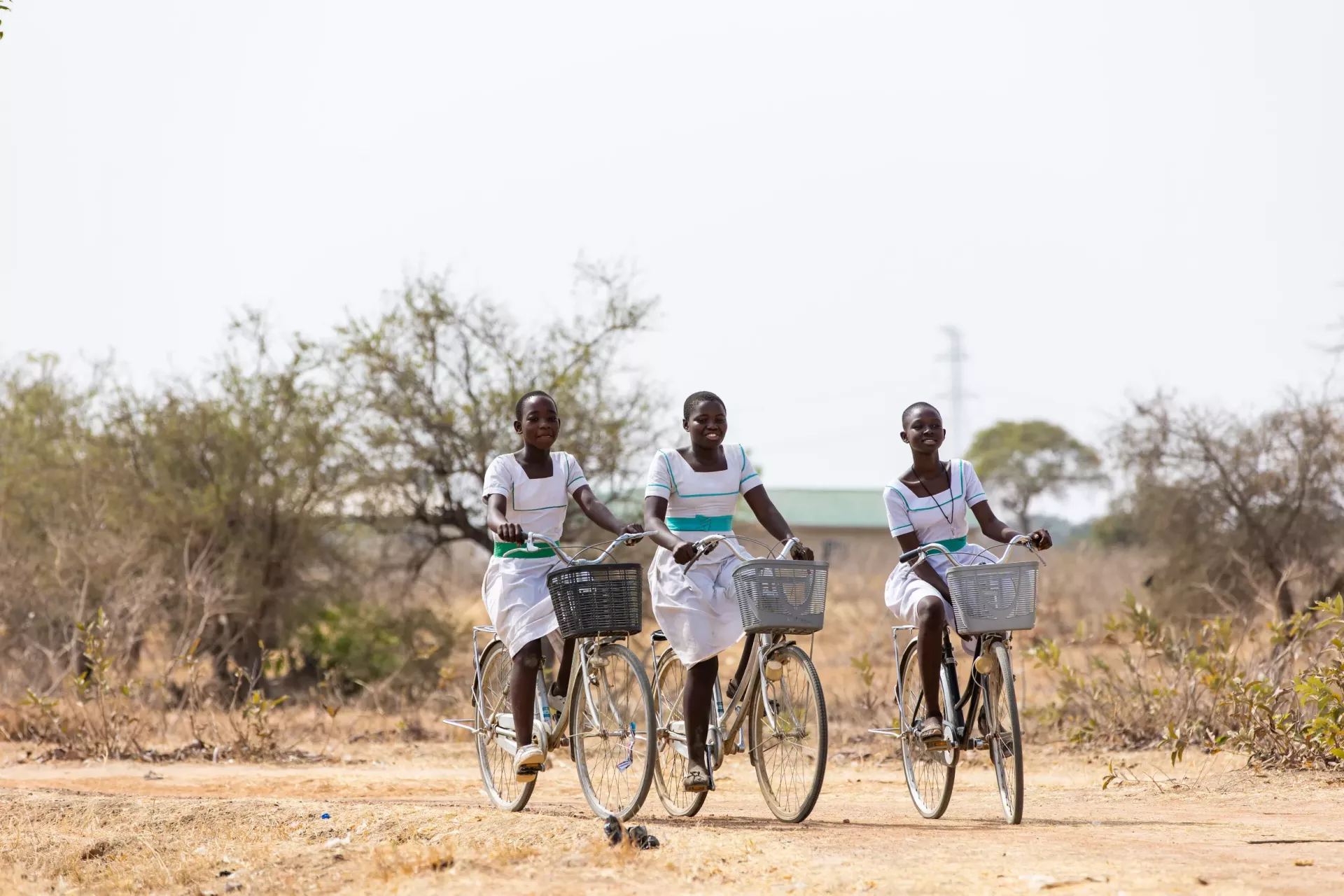
Education is a powerful catalyst for change, yet many adolescent girls in Ghana continue to face significant barriers to quality schooling. Poverty, stigma, and traditional gender roles often impede their access and progress, leading to premature school dropout and hindering their ability to reach their full potential. In response, UNICEF launched the Undaunted Women Support Project. This initiative aimed to empower adolescent girls, improve attendance, retention, and completion rates in lower secondary education, and facilitate the transition to higher secondary education. By addressing these critical challenges, the project contributes to dismantling barriers and ensuring that no girl is left behind.
A Holistic Approach to Education
With financial support from Undaunted Women through the Canada National Committee, UNICEF collaborated with the Ghana Education Service to implement a comprehensive, whole-school approach to empower girls and support their access to quality education. This initiative spanned five districts—Tolon, Saboba, Nanumba North, West Gonja, and West Mamprusi—from 2019 to 2022. It directly impacted 29,273 learners (including 13,810 girls), 900 teachers, and over 15,000 community members, fostering a more enabling and supportive learning environment.
Addressing Barriers Through Targeted Support
The project prioritized teacher training, equipping educators with enhanced subject content knowledge and teaching methodologies that are responsive to the specific needs of girls in Science, Technology, Engineering, and Mathematics (STEM) programs. This approach promoted a supportive environment for girls to excel in STEM fields, where they have historically been underrepresented, and improved overall learning outcomes.
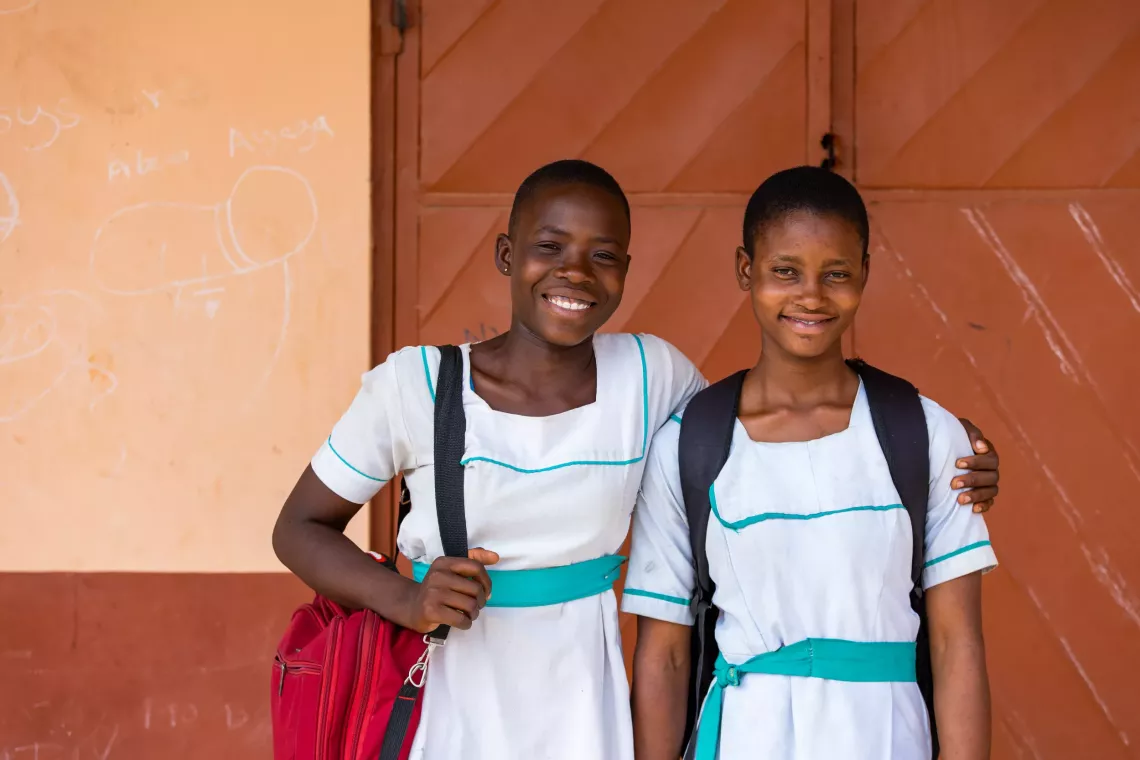
Recognizing that access to basic needs is crucial for girl’s education, complementary funding from the Global Programme to End Child Marriage (GPECM) enabled the provision of essential school supplies to 1,000 vulnerable girls. These supplies, including school uniforms, sandals, stationery, mathematical sets, and sanitary pads, significantly improved school attendance, retention, and boosted girl’s confidence, particularly in STEM subjects. Notably, approximately 96 percent of these 1,000 girls have completed lower secondary education and transitioned to higher secondary, with 33 percent pursuing science-related programs.
The Role of Community Engagement
A key lesson learned was the transformative power of co-creation. Engaging community members, including traditional and religious leaders, parents/caregivers, educators, and students, in the design, planning, and implementation of the project was crucial to its success.
This inclusive approach fostered local ownership and ensured the long-term sustainability of the project's gains. In partnership with the Ghana Education Service, the initiative has continued beyond its initial phase, with communities actively advocating for the operationalization of the Guidelines on Pregnancy and Schooling.
When the COVID-19 pandemic forced school closures, many adolescent girls faced an increased risk of early marriage and pregnancy. UNICEF, in collaboration with the Ghana Education Service, launched a Back-to-School Campaign to mitigate these challenges. Through partnerships with parents, traditional leaders, religious groups, Civil Society Organizations, Non-Governmental Organizations, and District Assembly representatives, among others, the campaign successfully facilitated the return of pregnant school girls and young mothers when schools reopened.
Ernestina, a participant within the program, shared her experience: “Without the Back-to-School Campaign, I may have never returned to school after childbirth. I am grateful for the support from my parents and teachers, which helped me resume my studies. I am now on track to becoming a nurse.”
This initiative reinforced a critical message: pregnancy should not be the end of a girl’s education. By engaging caregivers and community members, the project created a supportive ecosystem that enabled young mothers to return to school while ensuring their children were cared for.
Without the Back-to-School Campaign, I may have never returned to school after childbirth. I am grateful for the support from my parents and teachers, which helped me resume my studies. I am now on track to becoming a nurse.
This initiative reinforced a critical message: pregnancy should not be the end of a girl’s education. By engaging caregivers and community members, the project created a supportive ecosystem that enabled young mothers to return to school while ensuring their children were cared for.
Sustaining the Impact
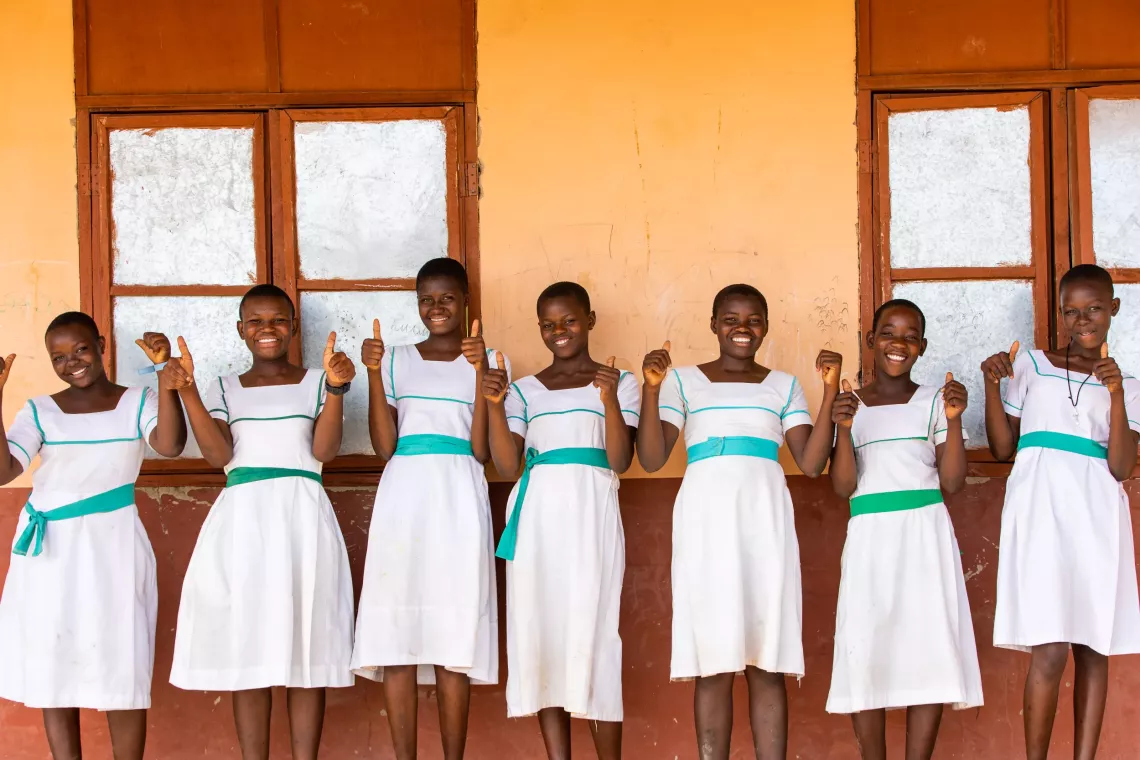
Sustainability remains central to this initiative. The project’s co-creation approach has paved the way for future girls-responsive programs, expanding the Adolescent Girls’ Empowerment Initiative into nine additional districts with support from Hapag-Lloyd through the German National Committee.
Despite these achievements, challenges persist. Many girls still face discrimination, financial barriers, and cultural norms that hinder their access to quality education. However, through strategic partnerships with the Ghana Education Service, Civil Society Organizations, and continued advocacy, UNICEF has reached over 700,000 stakeholders with the Guidelines on Pregnancy and Schooling, ensuring that more communities support girl’s right to education.
A Call to Action
While significant progress has been made, the work is far from complete. The cost of inaction is immense; every girl denied an education represents a lost opportunity for her family, community, and the nation. UNICEF urges stakeholders, policymakers, and the public to join the movement to ensure that all girls can complete their education, break the cycle of poverty, and contribute to Ghana’s development.