Cooking Up Change: Nourishing Ghana's Future, One Meal at a Time
In the Savannah Region, cooking demonstrations are empowering communities to combat child malnutrition with local, affordable ingredients
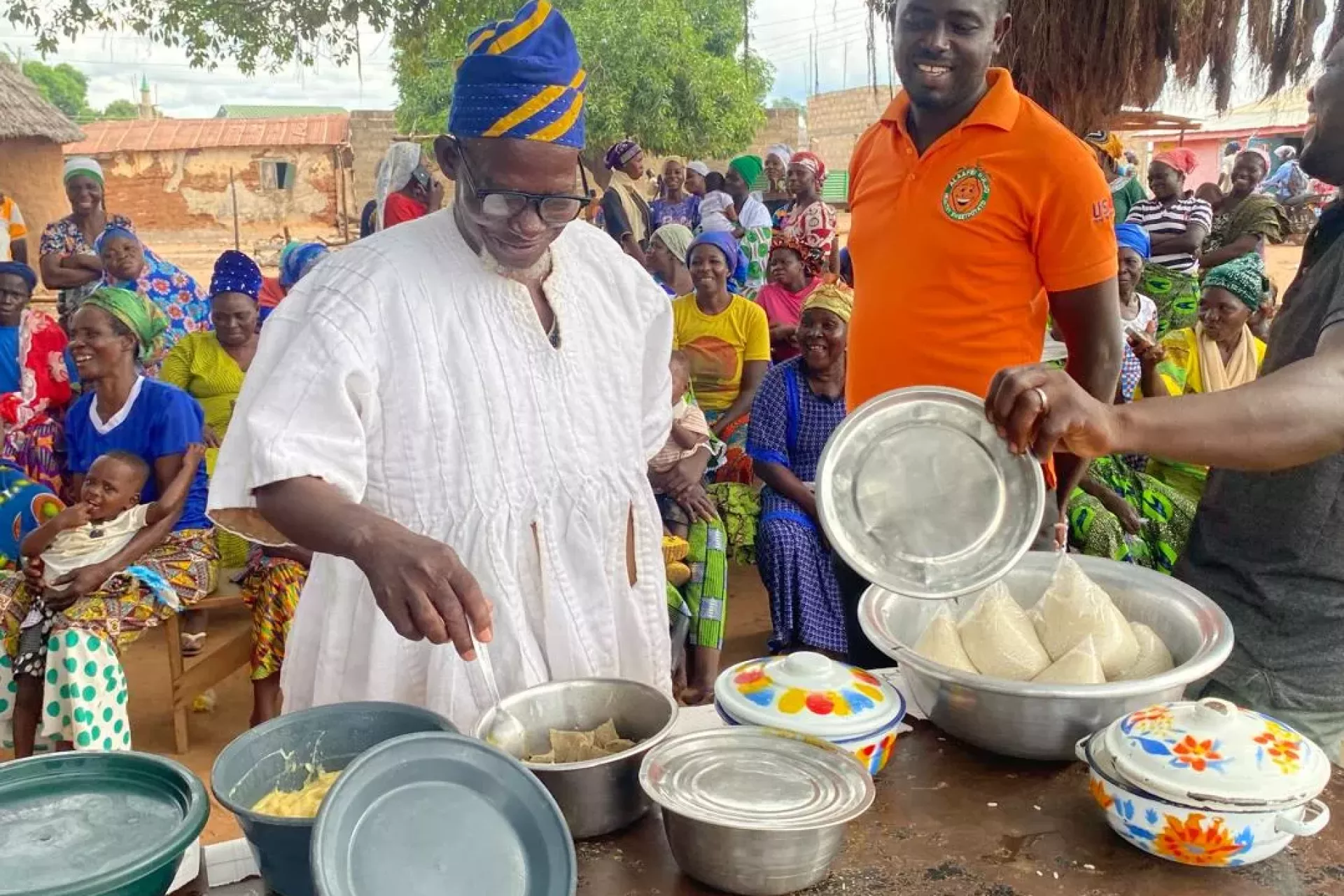
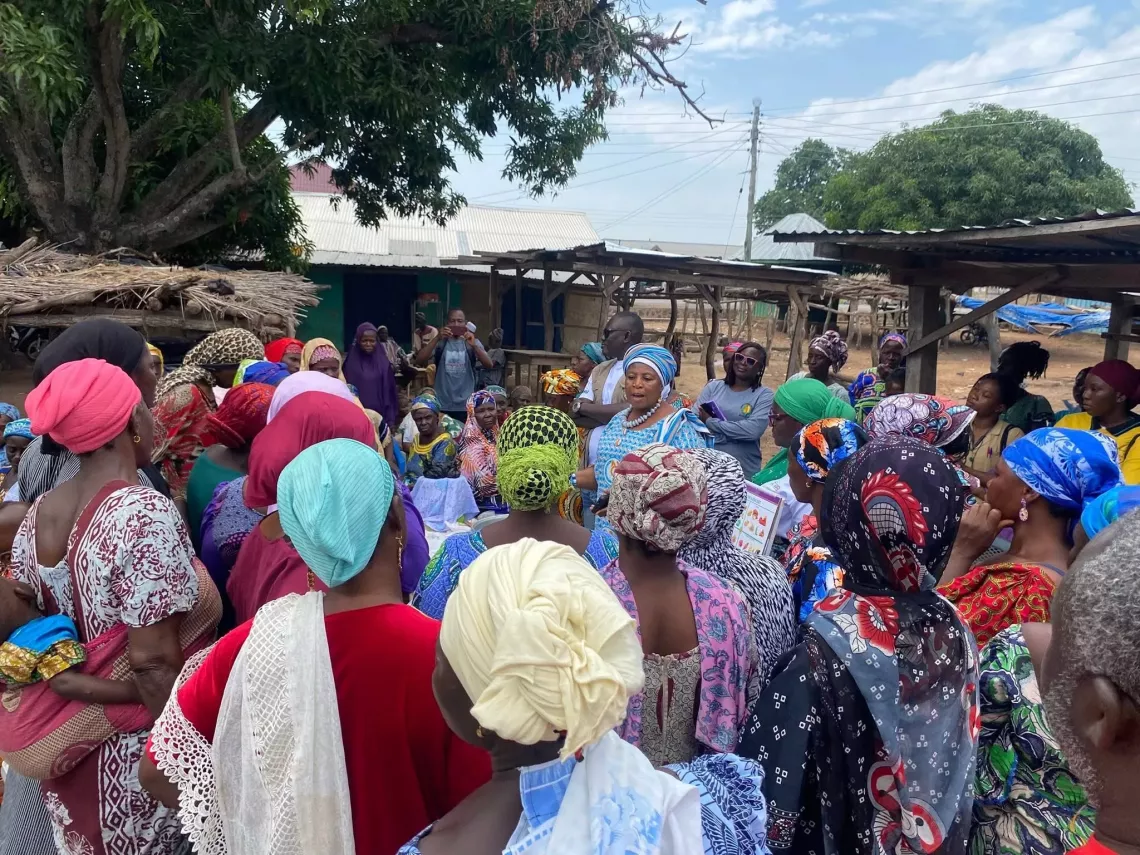
The dust swirled in the afternoon sun, in the village of Kakoshi in the Savannah region of Ghana. But today, a different kind of energy was stirring. In the heart of the community, under the shade of a large mango tree, a vibrant scene was unfolding. Women gathered around a makeshift cooking station and men watched too with keen interest.
The air was filled with the sizzle of oil and the rich aroma of spices, but it was also charged with a sense of hope. The goal was simple yet profound: to use local, affordable ingredients to create diverse and nutritious meals that could change the future of Ghana's children. It was a cooking demonstration, a community-based initiative designed to equip mothers, caregivers, and entire families with the knowledge to fight child malnutrition.
The Savannah Region, with about one in four children not growing well and being too short for their age, was selected to benefit from this intervention. Anemia is widespread, and many children eat from fewer than four food groups a day, missing out on the essential nutrients needed for healthy growth and development.
This is where the "4-star diet" comes in. A simple, powerful concept promoted by UNICEF and the Ghana Health Service. The idea is to have four stars on a child's plate at every meal, each star representing a crucial food group: staples (like grains and roots), legumes and seeds, fruits and vegetables, and protein sources (such as meat, fish, or eggs). By teaching families how to combine these groups, the demonstrations help to combat malnutrition, one meal at a time.
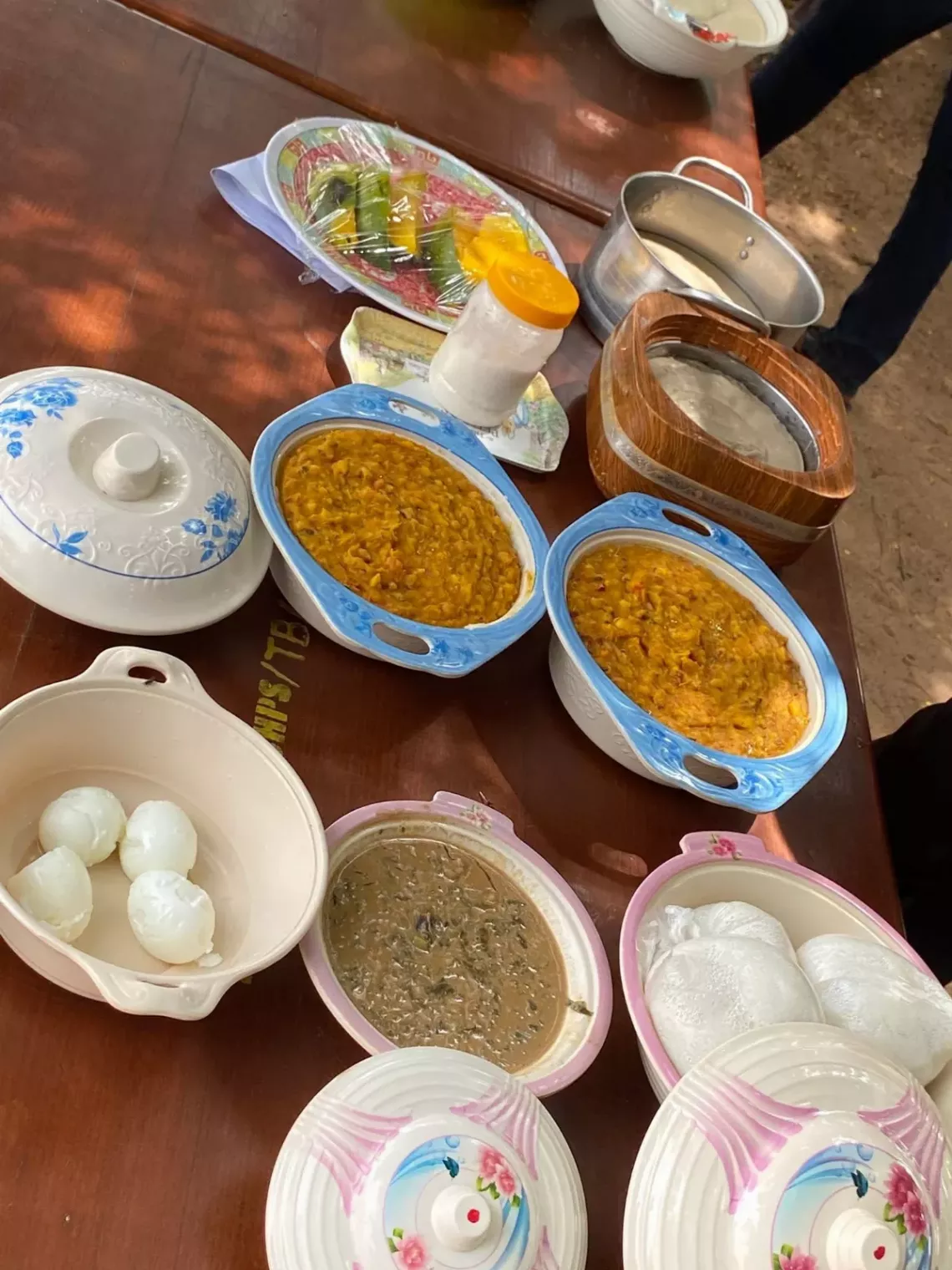
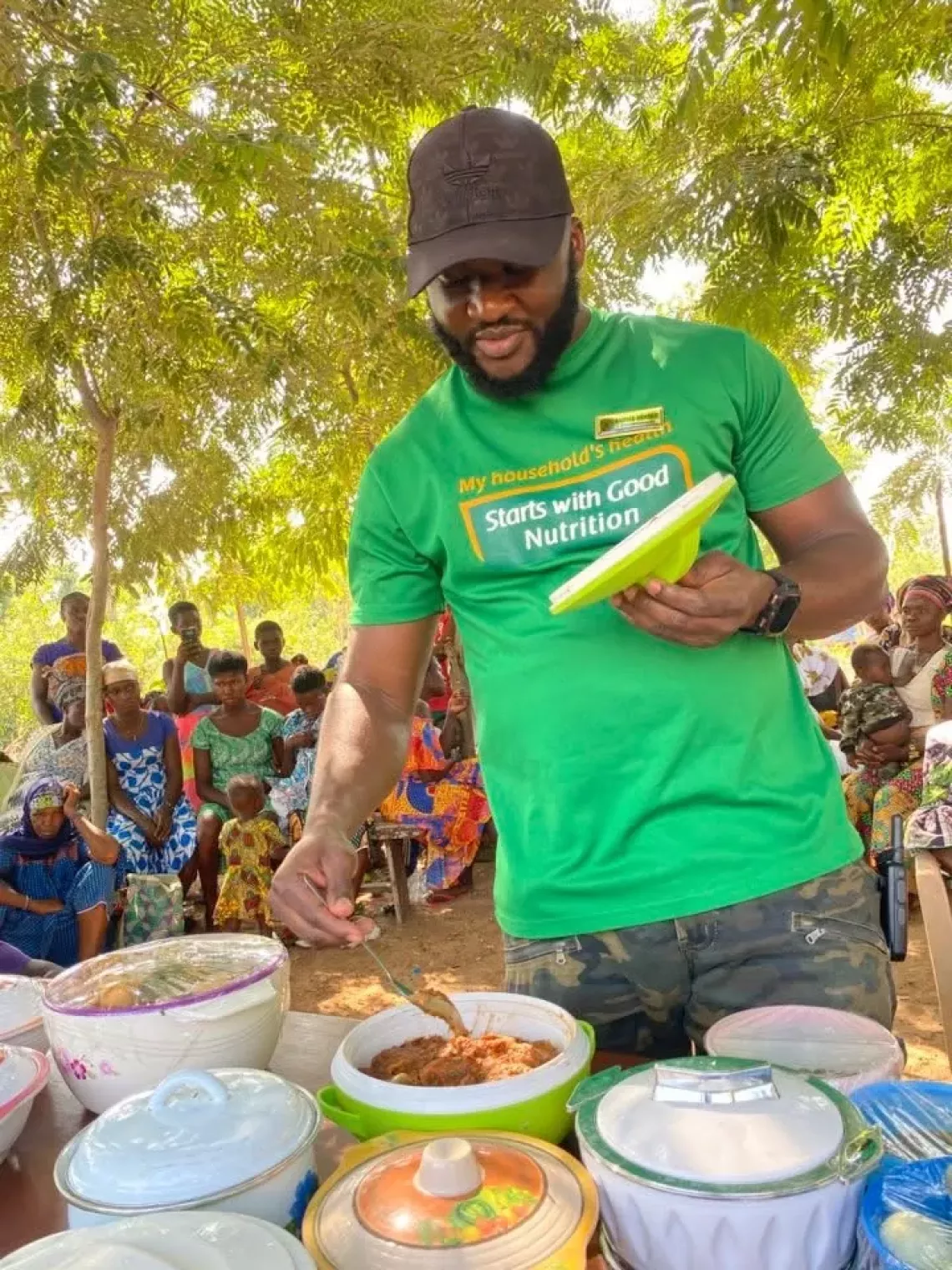
As a women stirred a pot of what smelled like a delicious stew, a facilitator spoke, explaining how to adapt recipes to the seasons and preserve vital nutrients. "I now know that eggs, meat, fruits, and vegetables are essential for our children’s growth," said Madam Afisa, a group leader of a mother to mother support group from Mankuma. "I’ve also learned how to cook vegetables the right way to preserve the medicine in them and I use this knowledge to teach other mothers."
The demonstrations aren't just for women. They're a community effort, with local partners like the Ghana Health Service, the Ministry of Agriculture's Women in Agriculture Development (WIAD) program, traditional leaders, grandmothers and fathers all playing a part. Children are equally not left out. They join the fun and try out the food when ready.
The involvement of men is particularly important in shifting norms. "Protecting our local foods is the surest way to prevent undernutrition in our children," said Chief Seidi Gafaru of Mankarigu. "My fellow men, don’t sell all your harvest—keep some, especially soya beans, for your household."
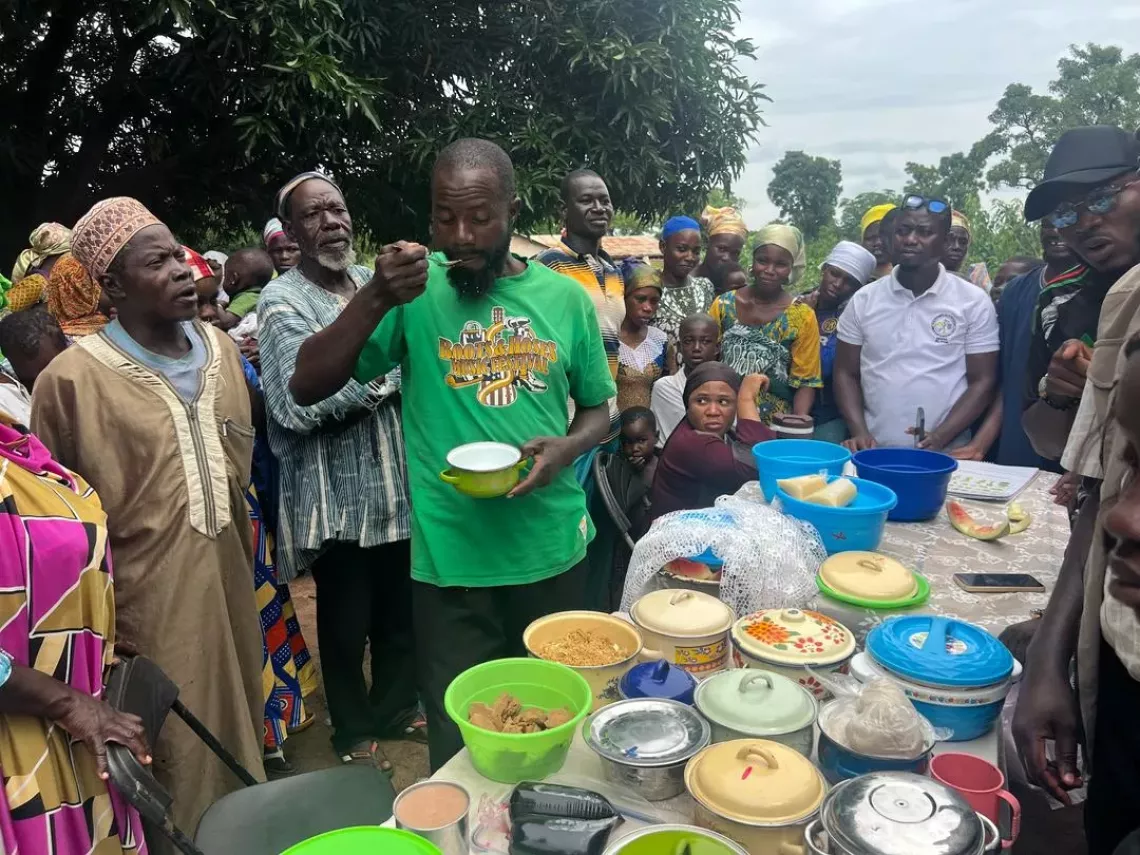
So far, the cooking demonstrations have reached over 5,000 caregivers. Mr. Adam Haruna, a community leader from Kakoshi, said, "I never knew fresh moringa leaves could be pounded and mixed with bean paste to make kose. After tasting it, I’ve decided that my household will always eat moringa kose."
This initiative, generously funded by the Government of Norway, is about more than just a single meal. It’s about building a future where every child in Ghana has a chance to thrive.
The cooking demonstrations are planting seeds of knowledge and resilience, empowering communities to take control of their health and nutrition. Over time, this could lead to improved dietary diversity, stronger local food systems, and a healthier, more nourished Ghana.