UNICEF Ghana, Climate Landscape Analysis for Children in Ghana, 2025
Using evidence to advance climate programming for children in Ghana

About
Ghana has made notable progress in addressing the risks to child and adolescent well-being in the context of climate change, including endorsing the Declaration on Children, Youth and Climate Action to accelerate inclusive, child- and youth-centred climate action.
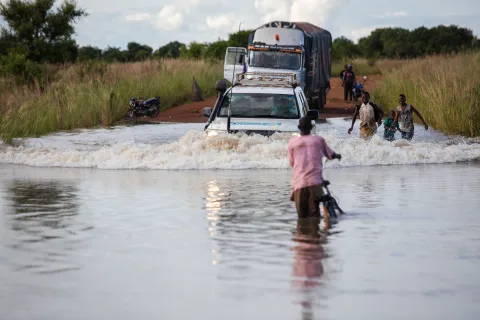
However, current policies and actions remain insufficient to address the escalating threats that climate change, environmental degradation, energy poverty and disaster risks (CEED) pose to children. In addition, the prevailing global geopolitical tensions hamper efforts to mobilise finance and other resources for CEED and child rights initiatives.
Moreover, economic pressures, widening inequalities, partly due to rapid technological changes, discriminatory sociocultural norms and ethnic hierarchies further compound the vulnerabilities of children to CEED impacts.
This Climate Landscape Analysis for Children (CLAC) presents a strategic opportunity to strengthen child-centred actions on CEED. Through engagement with various stakeholders, including NGOs, youth groups, and the government, the CLAC provides the CEED baseline, policies, and key interventions, among other things, and proposes actionable recommendations for the Government of Ghana, UNICEF and partners to address the impacts of CEED on children.