
The State of Children in the European Union 2024
Addressing the needs and rights of the EU's youngest generation
A pivotal year for children in the EU
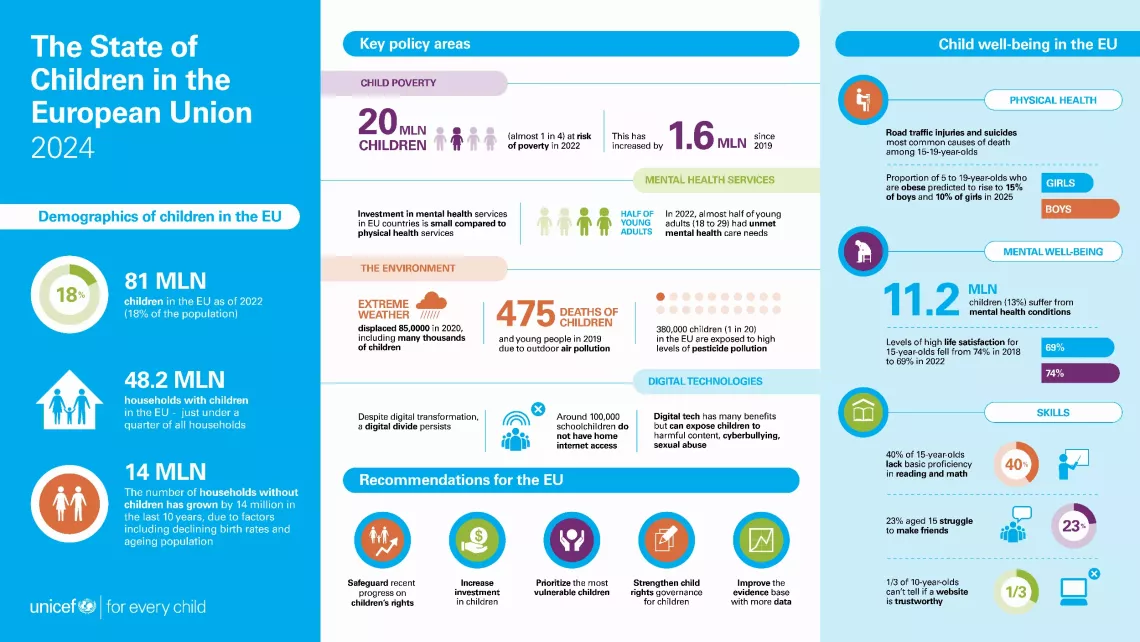
A new report and four policy briefs from UNICEF uncovers the prevalence of challenges faced by children living in countries across the European Union (EU), including rising poverty, deteriorating mental health, online sexual abuse, and exposure to pollution.
2024 is of tremendous importance for the children in the EU and the fulfillment of their rights. The EU, under the close watch of a newly elected Parliament, will be embarking on a new five-year Strategic Agenda to be implemented by a new College of Commissioners.
While the EU is one of the most prosperous regions in the world, the rights of far too many children within its borders are under threat or even denied.
Here are some key facts from the report:
Child poverty
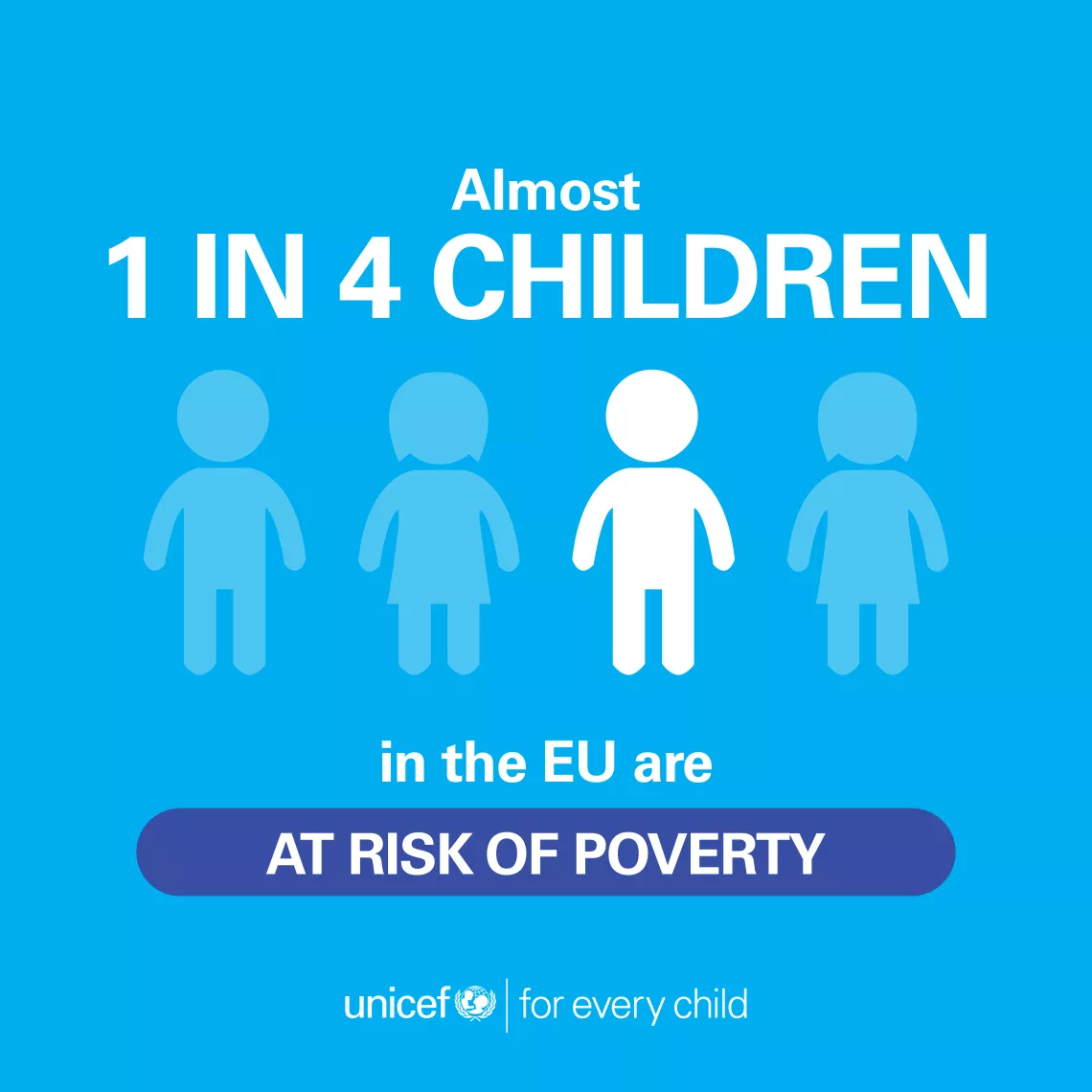
Almost 1 in 4 children within the EU are at risk of poverty and social exclusion – a staggering 20 million children across 27 EU member states. Although from 2015-19 the number of children at risk of poverty or social exclusion in the EU fell from 22.2 million to 19.1 million, since 2019, the number has increased by almost one million to 20.7 million in 2022.
Mental health
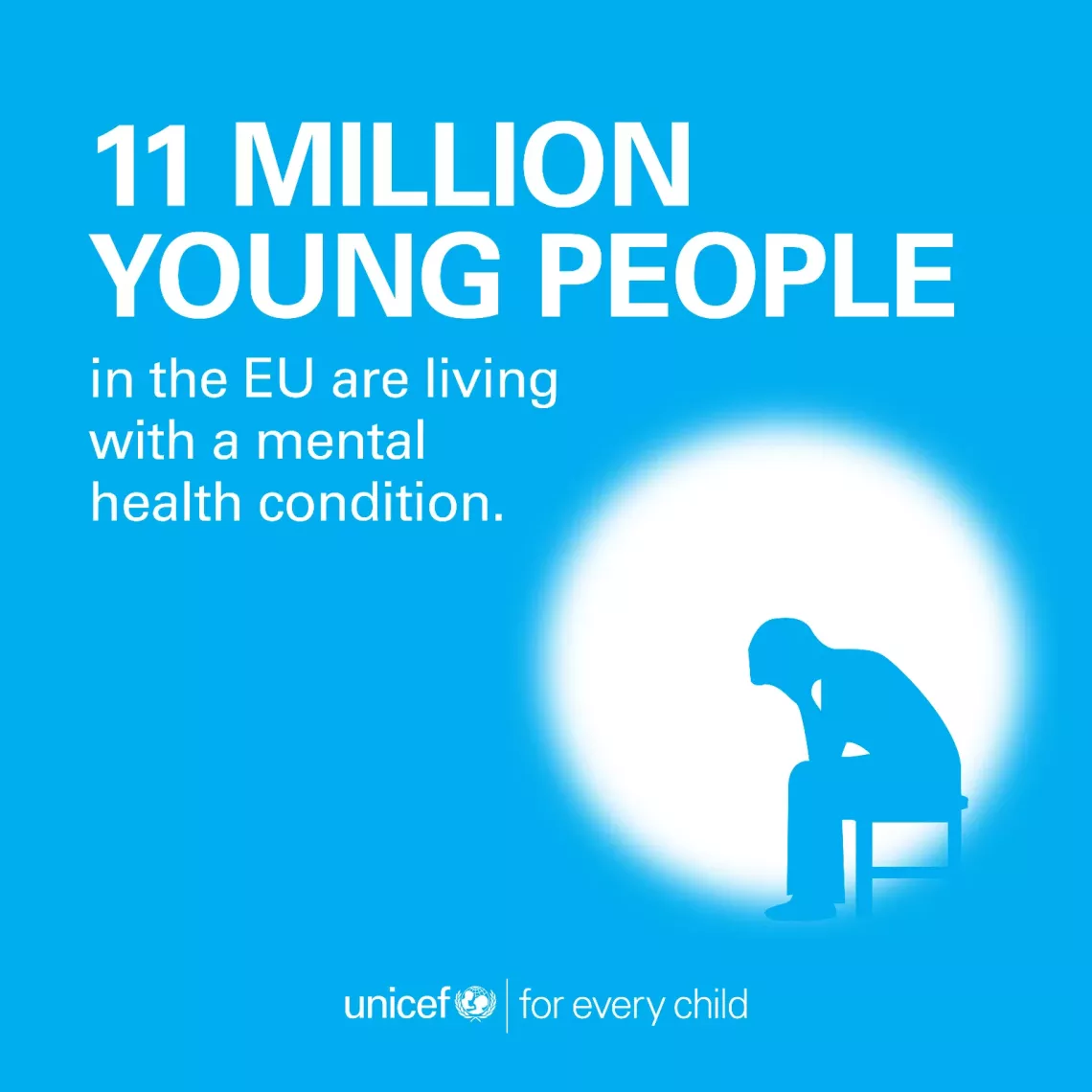
It is estimated that over 11 million children and young people aged 19 and younger (13 per cent) in the EU suffer from a mental health condition. The rates increase with age from around 2 per cent of children under the age of 5 to around 19 per cent of young people aged 15 to 19. Suicide is the second most common cause of death (after traffic accidents) among young people aged 15 to 19 in the EU, accounting for approximately one in six of deaths.
The environment
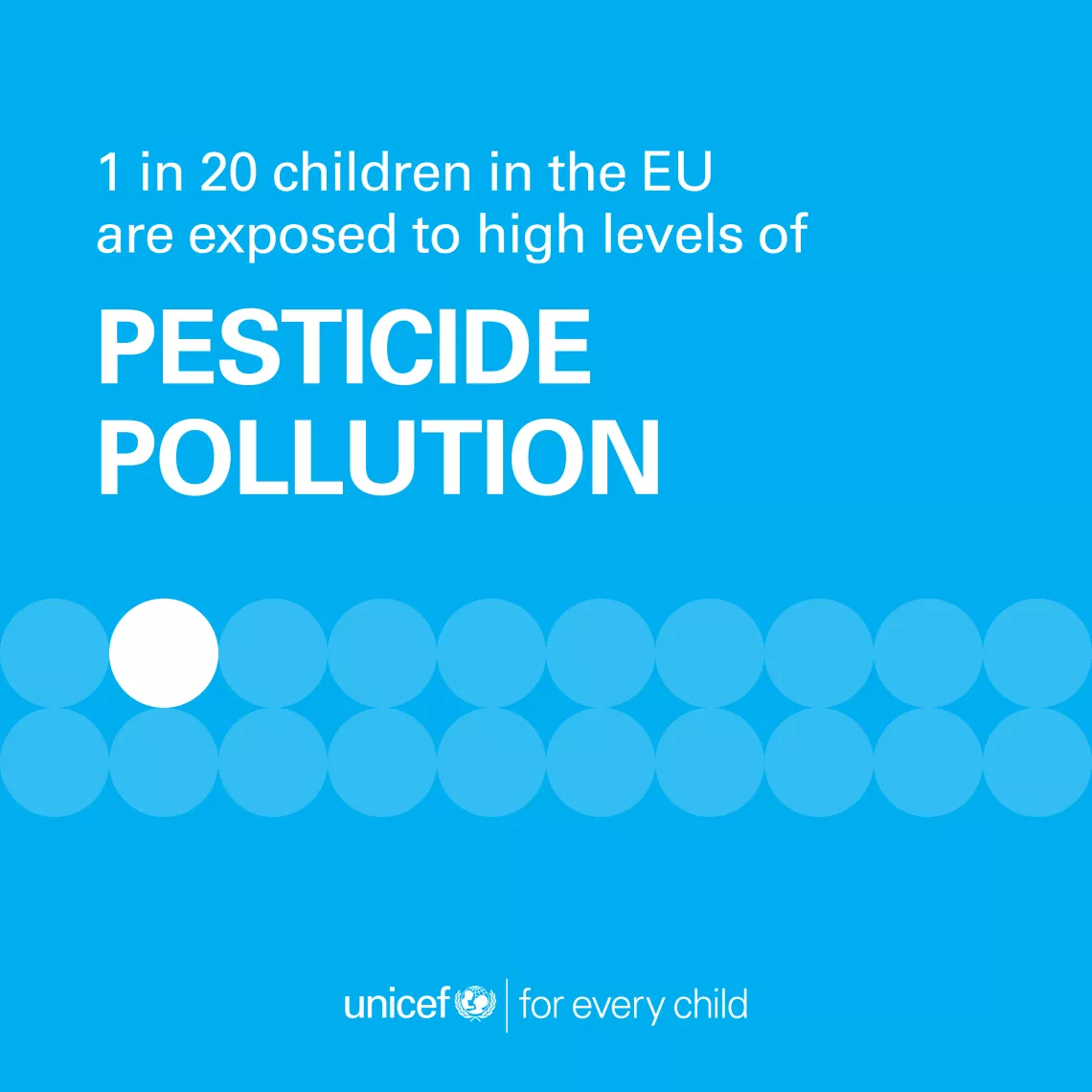
Children are more vulnerable to environmental harms which can impact both their cognitive and body development. The report highlights that, in 2019, 472 deaths of children and young people under 20 were caused by air pollution. It is estimated that still almost one in 20 children in the EU are exposed to high levels of pesticide pollution, amounting to over 380,000 children.
Digital technologies
While digital technologies can be beneficial to a child’s education and development, children must be protected from online risks and harm. The report has found that in 2021 around 1/3 of children aged 10 years old living in the EU could not tell if a website was trustworthy. Moreover, a lack of access to the internet and computers at home can also put children at a disadvantage. In 2018, around 1 in 20 children (5 per cent) aged 15 living in the most disadvantaged households lacked access to the internet at home, compared to less than 1 per cent in the most advantaged households.
UNICEF’s recommendations to the EU in 2024
- Safeguard and strengthen recent progress made on children’s rights. It’s vital that its institutions and decision makers ensure children stay high on the political agenda 2024-29.
- Increase investment in children in the EU. Measures to promote children’s rights must be included in current and future EU funding opportunities and instruments supporting the triple transition (digital, green and social).
- Strengthen governance for children. The impact on child rights and future generations should be systematically considered in all future EU policy making and legislation. This should also include their meaningful and inclusive participation.
“It’s vital the EU builds on its recent achievements in the promotion of child well-being, including the adoption of the EU Strategy on the Rights of the Child in 2022 and the European Child Guarantee,”
Bertrand Bainvel, UNICEF Representative to EU Institutions.
Key statistics