The Latter-day Saints Church's Support Keeps Mothers and Children Healthy in Southern Ethiopia
Enhancing maternal and newborn healthcare services
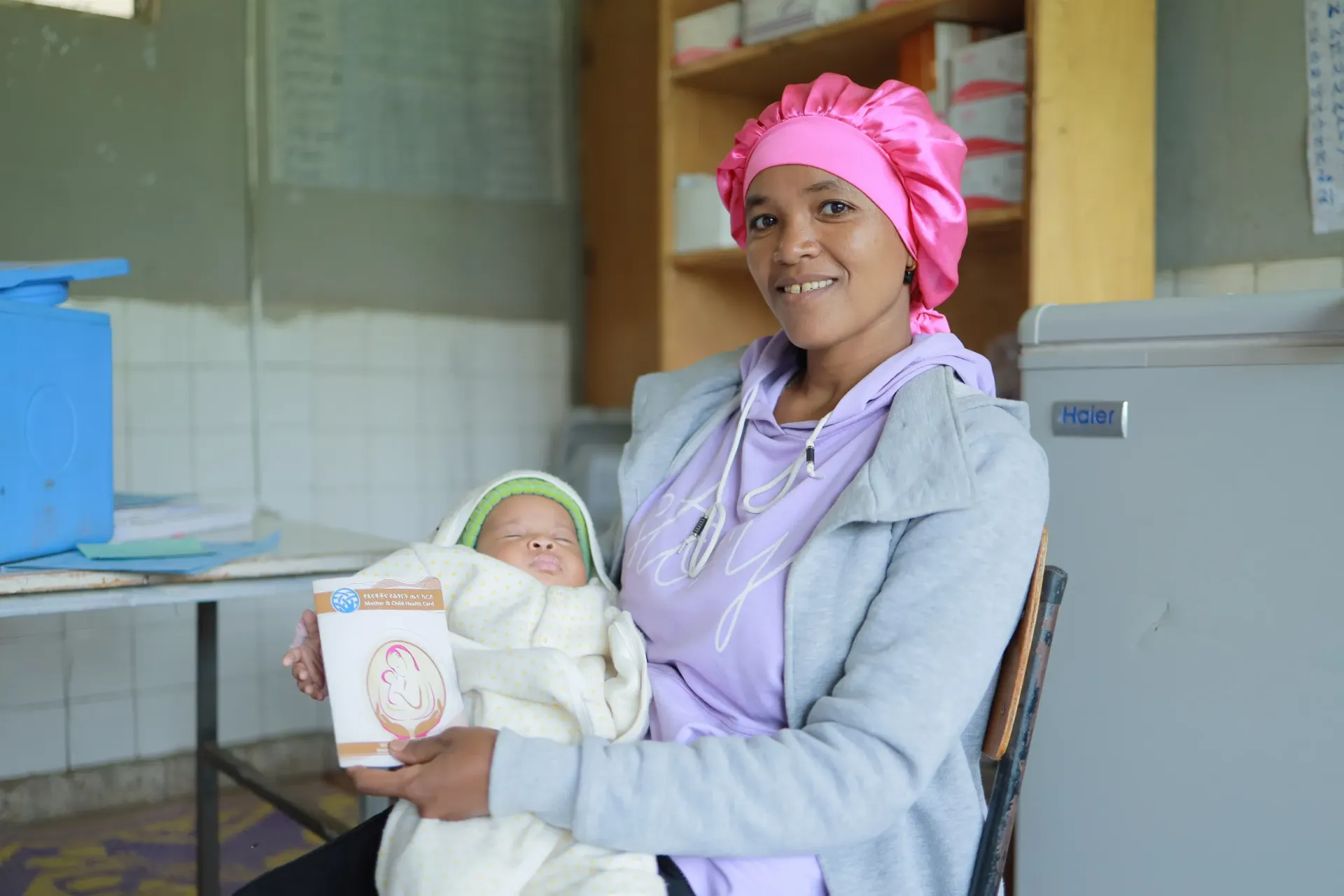
Damot Pulasa District, Wolayita Sodo zone, Southern Ethiopia: The early morning sun spills across the rough road leading to Suke Health Centre. Inside, the space is filled with quiet urgency, soft baby cries, low voices of young mothers, and the steady rhythm of care. Here, a vaccine is more than a needle, it is a moment of reassurance, a simple promise that illness can be kept at bay.
With funding from The Church of Jesus Christ of Latter-day Saints to UNICEF, health workers, community volunteers, and religious leaders are reaching out to families in even the most remote areas. Their shared goal is simple and urgent, to reach unvaccinated and zero-dose children, protect every child, support every family, and leave no one behind.
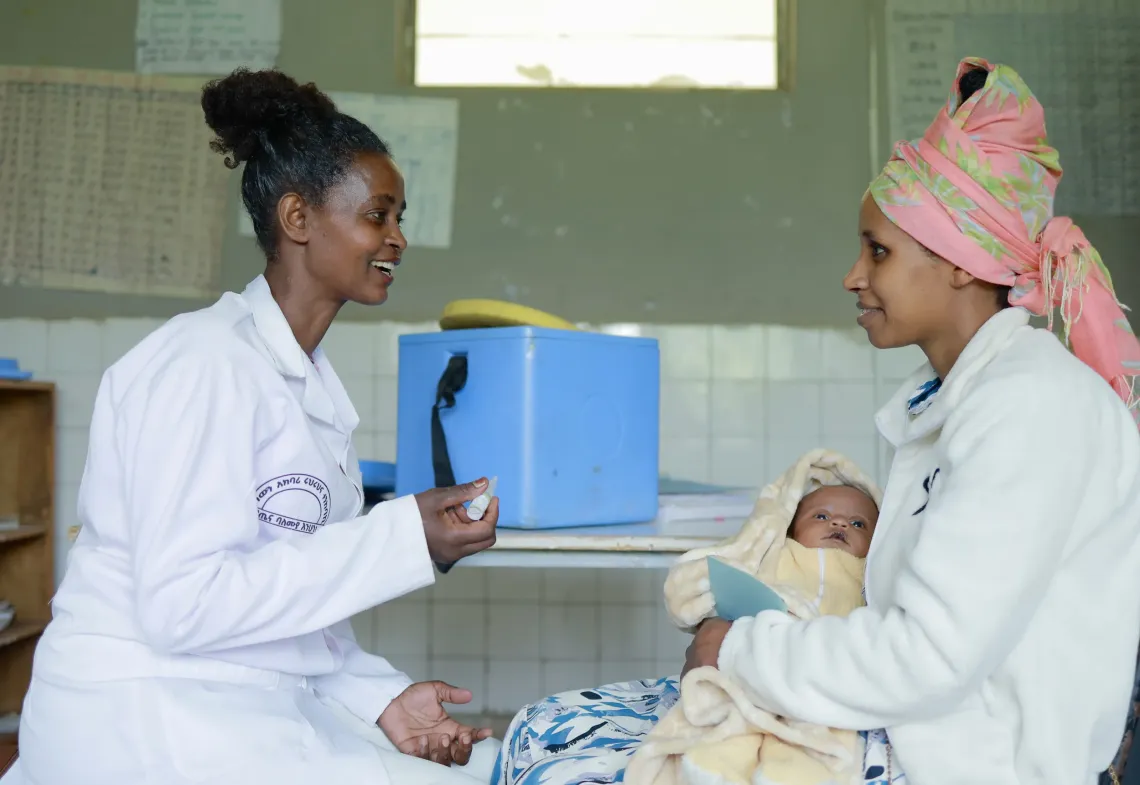
For more than eight years, nurse Tadelech Thomas has worked at this health centre, guiding mothers through each vaccination visit. As she administers vaccines, she teaches patiently, explaining their importance, urging mothers not to miss appointments, and reminding them to keep their child’s vaccination card close.
Tadelech reassures the mothers as she works. “You may notice some redness or swelling, a mild fever, or irritability,” she explains calmly. “This is normal and temporary. If anything continues, bring the baby back, we are here.”
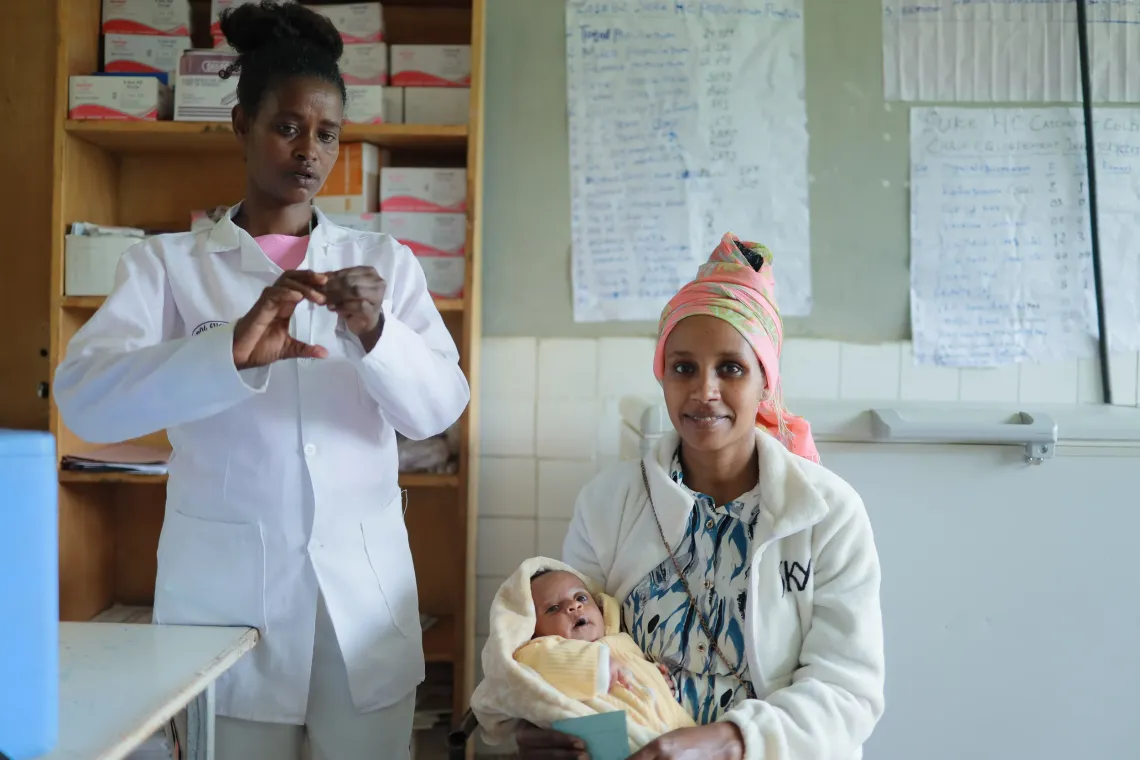
The first mother of the day was Aynalem Abraham, 25, gently holding her 45-day-old daughter, Imadin Kaleb. These services were not available when she was growing up, but she listens carefully now. “I heard about vaccination from the community,” she says softly, watching her baby. “They told me it protects children from diarrhoea and from diseases that stop them from moving their legs and hands.”
Through these visits, Aynalem has learned that vaccination brings what she calls “full health,” protecting children from both familiar illnesses and lung diseases. She smiles as she adds, “They also teach us about breastfeeding. It has so many benefits. I am now giving only breast milk for six months.”
Supporting Tadelech is Sister Kassahun Cencha, a senior public health officer who has spent a decade at the health centre. “In the past, many mothers did not vaccinate their children because they lacked information or lived far from health services,” she says. “Today, zero-dose cases are decreasing. By teaching mothers and working closely with the Health Development Army, we are able to find those who miss appointments and bring them back into care.” Where fear, distance, and limited information once kept families away, trust and community outreach are now bringing mothers and children back into care.
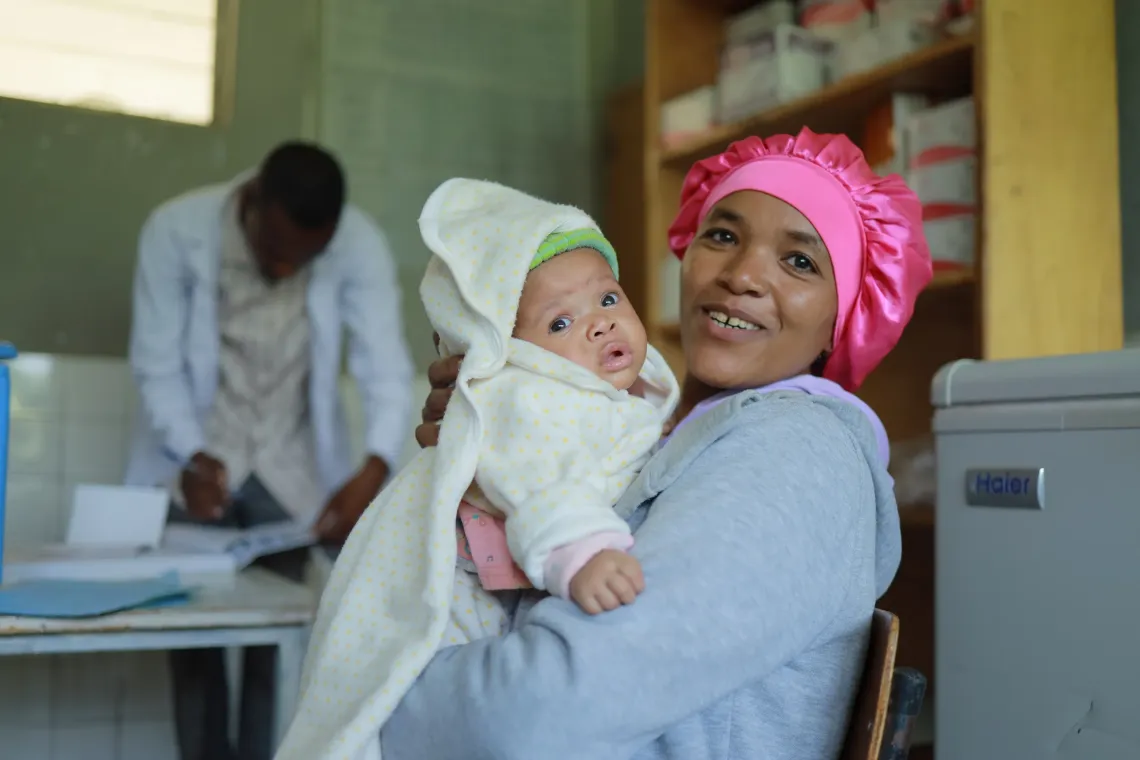
Bruck Kuma, 28, waits her turn with her first child, Mitta Mitilku, now two months and fifteen days old, resting in her arms. There is a quiet confidence in the way she sits. This is not her first visit to Suke Health Centre.
“This is my child’s second round of vaccination,” Bruck explains, without hesitation. She knows why she has come back. “Vaccination protects children’s health,” she says firmly. “It protects them from tonsillitis, diarrhoea, and diseases that can stop their legs and hands from working.”
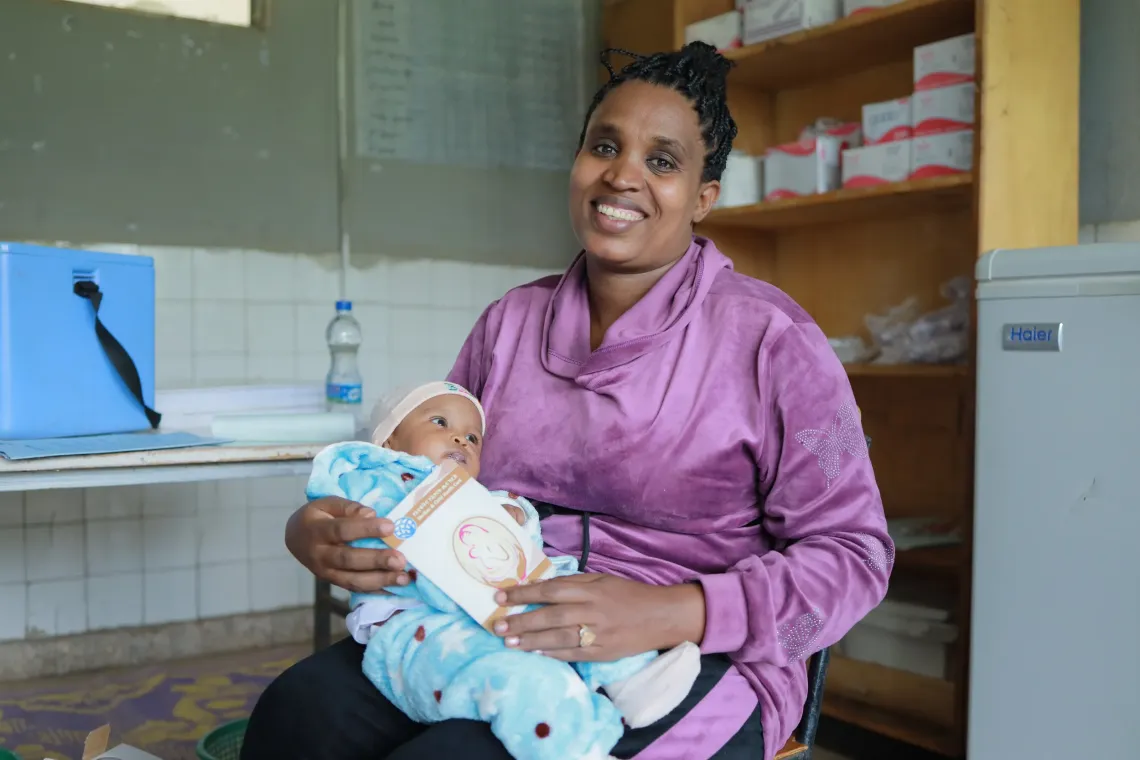
After patiently sitting on the waiting bench, it was Bizunesh Abera's turn to have her three-and-a-half-month-old baby, Rohama Abera, vaccinated. As he faces the health worker, she gently puts the baby in a more comfortable position.
"Vaccination protects from a variety of diseases," Bizunesh says, ticking them off with the certainty of someone who has paid close attention. "Diarrhoea, vomiting, polio, and lung diseases. At least I know that it protects from five diseases."
In the same woreda, health workers at the Zamine Wulisho Health Post organize community health days, extending the same care beyond the health centre walls that bring together pregnant and lactating mothers and young children in need of vaccination. Alongside them, members of the 1-to-30 Health Development Army provide counselling on maternal and child health, helping mothers feel informed and supported.
At these gatherings, midwife Tsion Wondimu helps lead the discussions. For the past four years, she has guided mothers through lessons on danger signs after birth and in newborns, the importance of antenatal care, safe delivery at a health centre, good nutrition, exclusive breastfeeding for six months, and vaccination. “We make it welcoming,” she says. “By sharing coffee together, mothers feel comfortable, and they enjoy coming.”
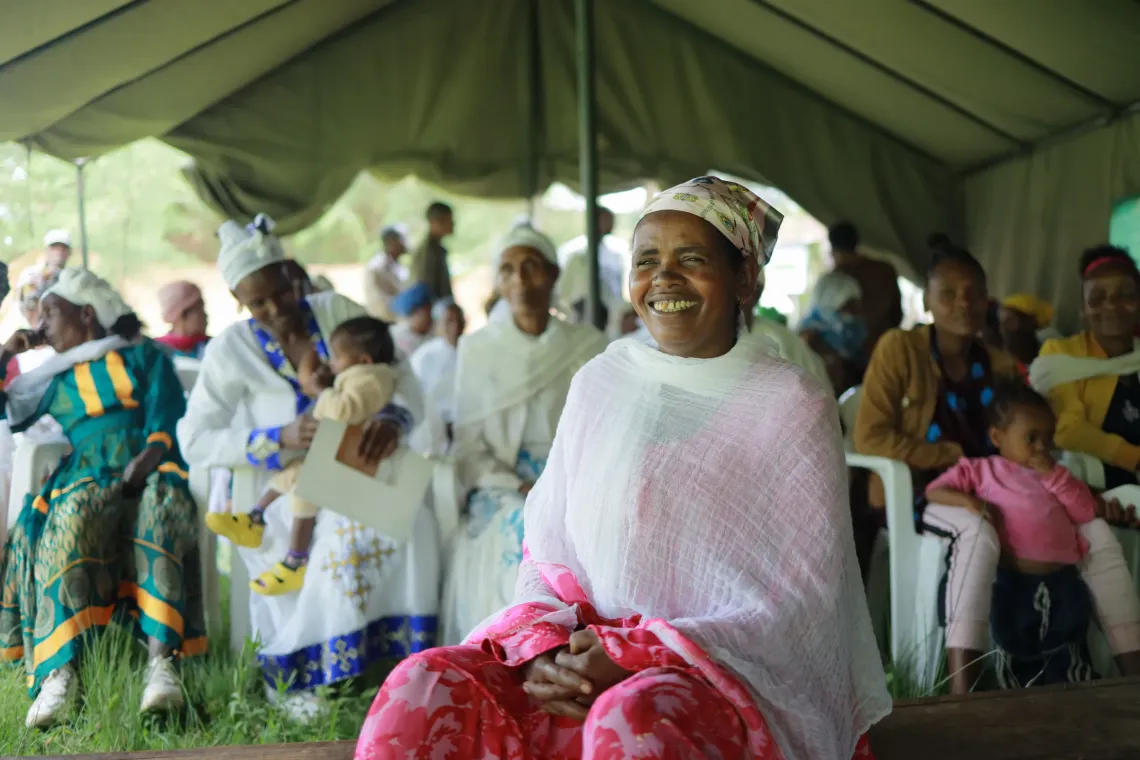
Getenesh Gecho, 40, is a mother of five and a committed leader within the 1-to-30 Health Development Army network in Damot Pulasa woreda, known in her community for her energy and dedication.
Getenesh believes change starts at home. “To teach the community, I first had to be a model myself,” she says. “I follow the health extension packages, especially sanitation and hygiene, because health begins with cleanliness. I have also taken proper training to serve others better.”
Every 15 days, members of the Health Development Army come together to discuss the concerns of mothers and their babies, sharing experiences and solutions from across the community.
“There was a time when mothers feared injections would harm their babies, but education has changed that,” Getenesh says. “Sometimes we literally hold their hands and walk with them to the health post.” Her commitment is unwavering. “I love this work. Day or night, I serve my community. With more training, I would even give injections myself.” Her enthusiasm and conviction are met with warm applause.
With support from the Latter-day Saints Church, and implemented through UNICEF‑supported community health systems, this community‑led, capacity‑integrated approach is helping ensure that no child is left behind. Through stronger engagement and changing behaviours, families are seeking immunization and essential health services, zero‑dose and under‑vaccinated children are being identified, and missed appointments are more closely followed up, turning commitment into lasting protection.