From Hardship to Hope
Building Futures Through Skills in Tigray
In the Tigray region of Ethiopia, young people are turning determination into opportunity, proving that with the right support, hope can lead to transformation.
After years of conflict in northern Ethiopia that deprived countless young people of opportunities, a new chapter of hope is emerging. Through the Biqu Wetat (ብቁ ወጣት) programme, meaning “capable youth” in Amharic, UNICEF and the Mastercard Foundation are helping restore livelihoods and dignity by revitalizing vocational training.
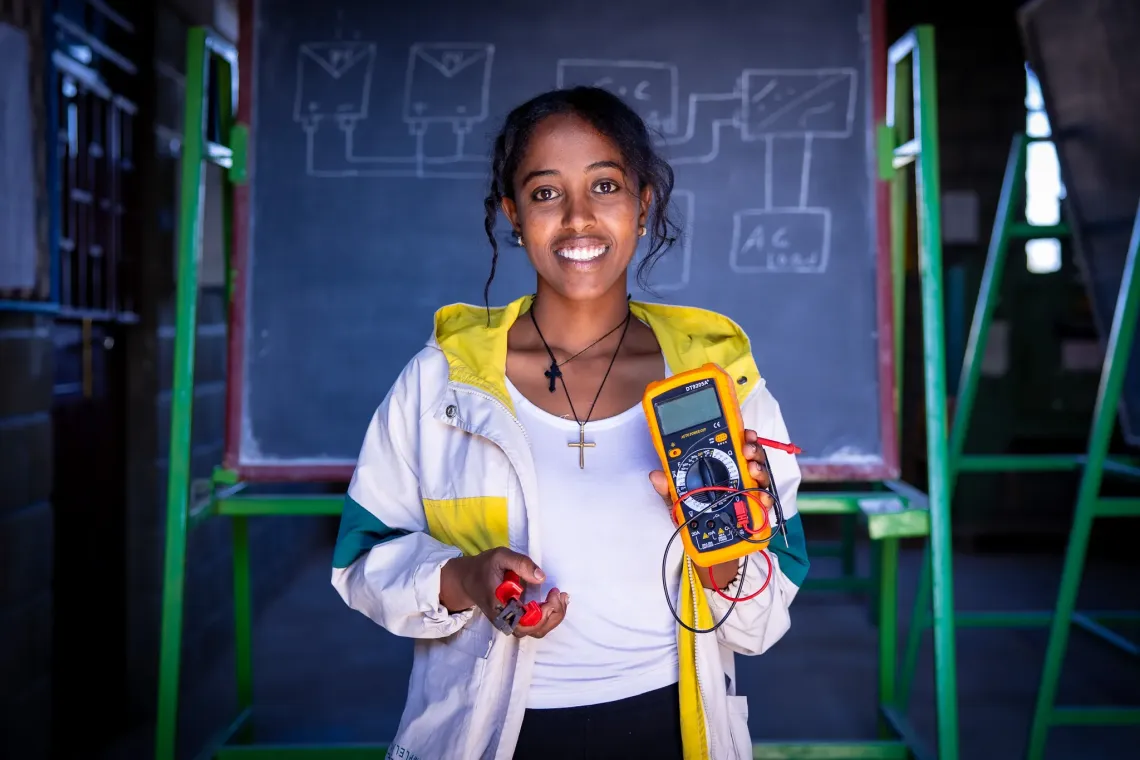
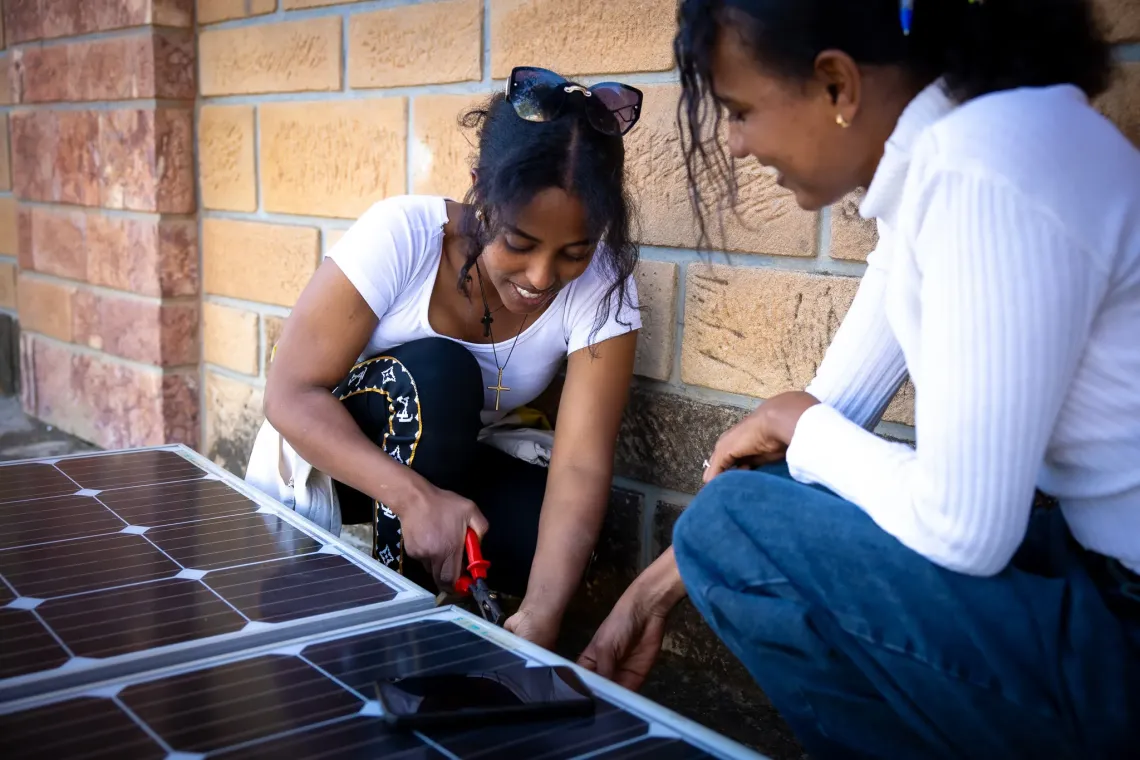
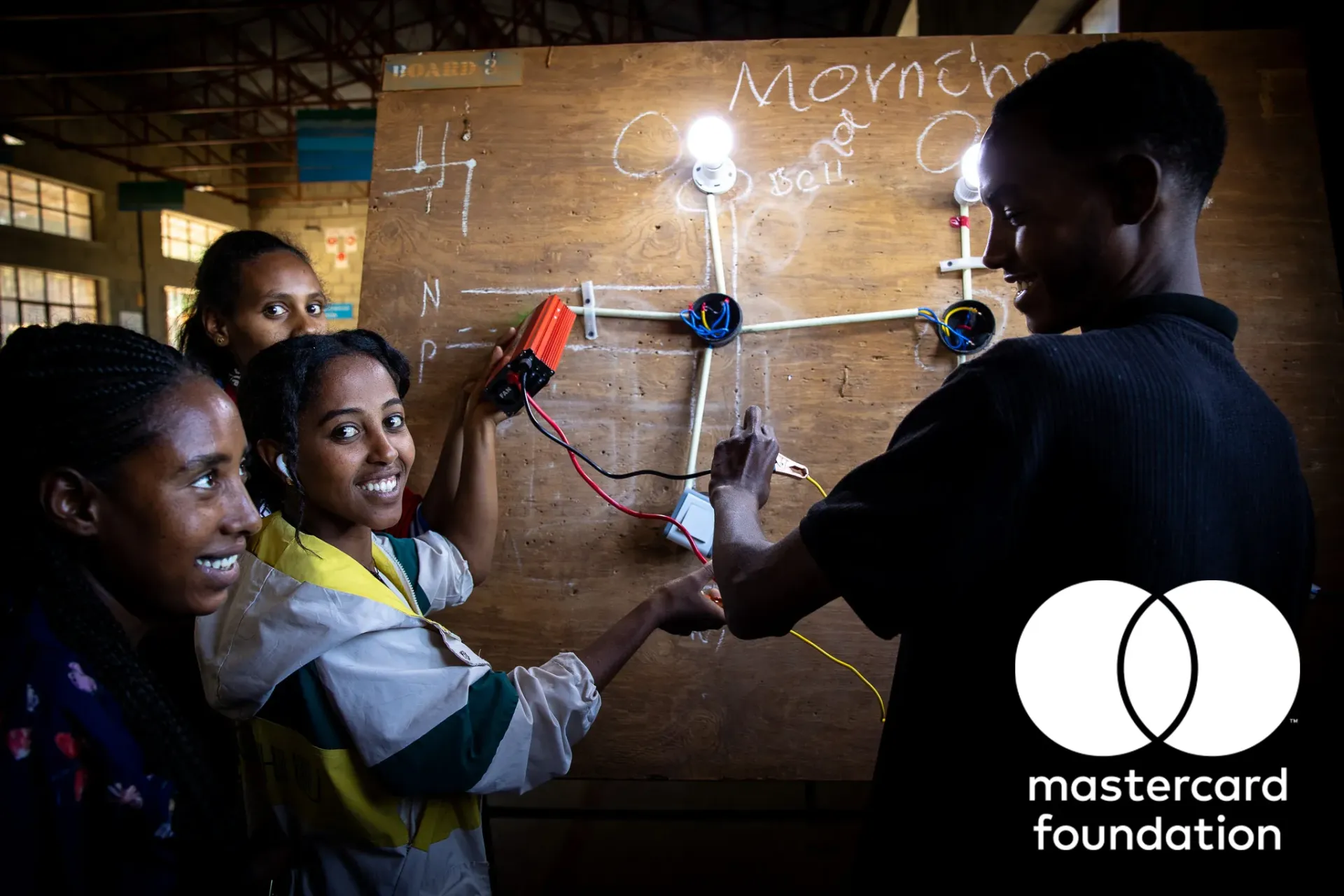
Saron, 24 years old, is enrolled in the solar panel installation and maintenance training. The programme restored hope for her after challenging times:
"Since my father's death, my older brother was supporting the family financially," says Saron. "Unfortunately, he lost his life during the recent conflict. Now I live alone with my mother, and I am the one who provides for us."
"The training is very practical, which is what I like most about it," continues Saron. "Once completed, I want to help my community by sharing my technical skills. I know there is a growing demand for solar panels, so I am confident that I can start my own business."
"If a man tells me that this is not a job for women, I will reply: ‘Let's both do it with similar tools, and I will show you what I am made of’ [laughs]."
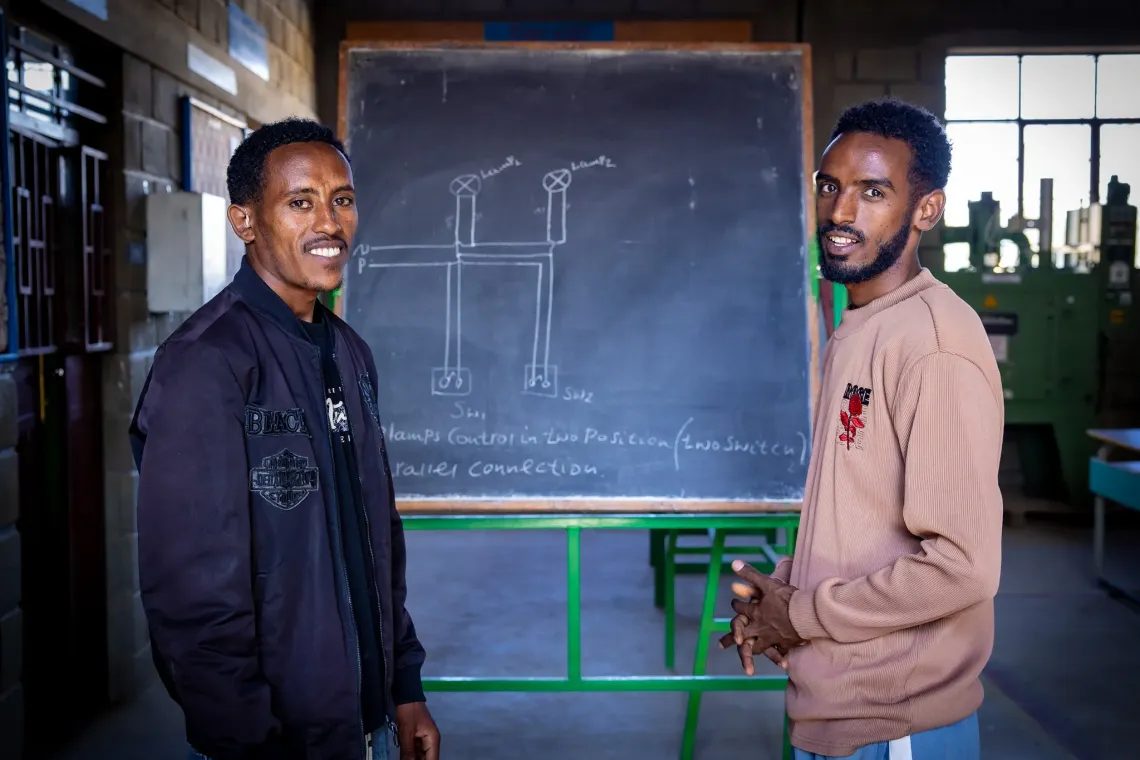
Gebremedhin, 26 years old, is a young man living with a hearing disability. Highly motivated, he wants to use solar energy to make a difference in his rural community.
"Because of my disability, I am more inclined towards practical training: ‘learning by doing’. That's why I like this training, which is related to installation and maintenance," says Gebremedhin. "Once I have completed my training, I want to bring this solar solution to my rural community, where many people still rely on expensive fuel. I have always believed that solar energy is the future because it is unlimited and much more affordable."
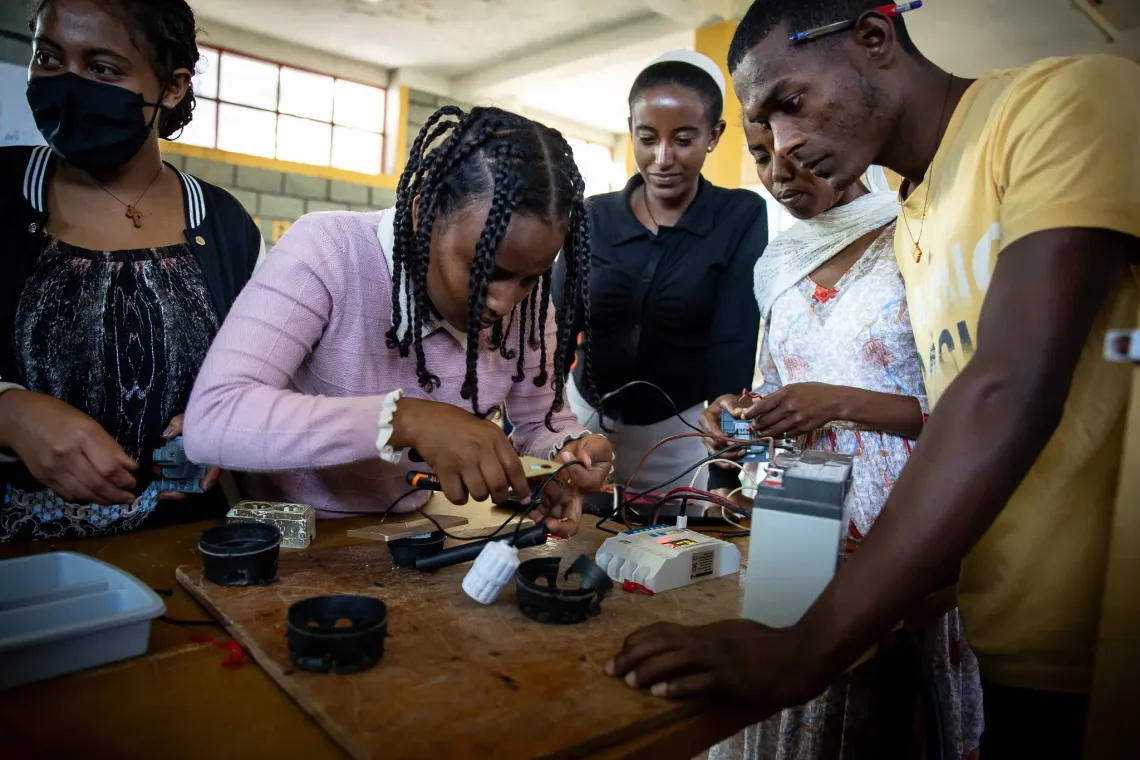
The training centres are more than classrooms; they are workplaces where skills meet opportunity. Equipped with modern equipment, the facilities offer hands-on learning and demonstrate efficient, real-world practices.
So far, over 1,000 unemployed youth have been trained, giving them practical skills. The impact goes beyond training. Through the Biqu Wetat (ብቁ ወጣት) programme, 81 full-time jobs have been created, offering stability and purpose to young people who once faced uncertainty. Among them are 69 females and 8 youth with disabilities, reflecting a strong commitment to inclusion and gender equity.
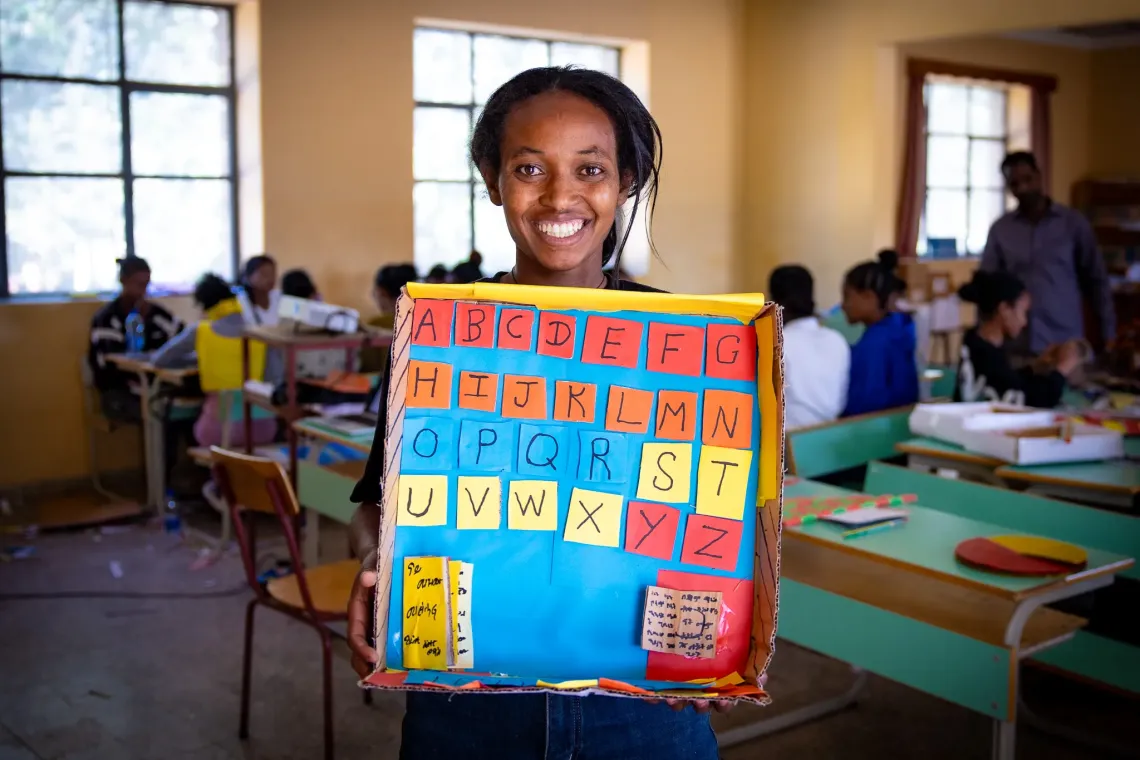
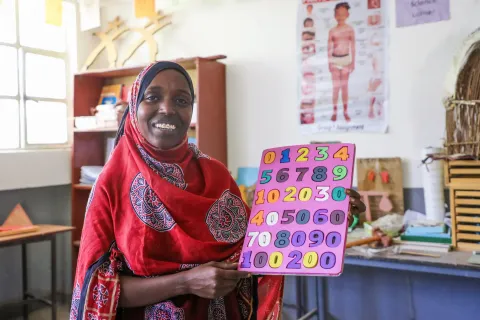
In Adwa, Tirhas, 27 years old and mother of a 3-year-old child, is learning how to produce teaching and learning materials for early childhood education.
"There is high demand in the field of early childhood education, and production of these learning materials is critical, so if I can produce teaching and learning materials, I will have opportunities in the future," says Tirhas. "Myself and 10 other women in my group are already planning to join forces to open a kindergarten. This is exciting!"
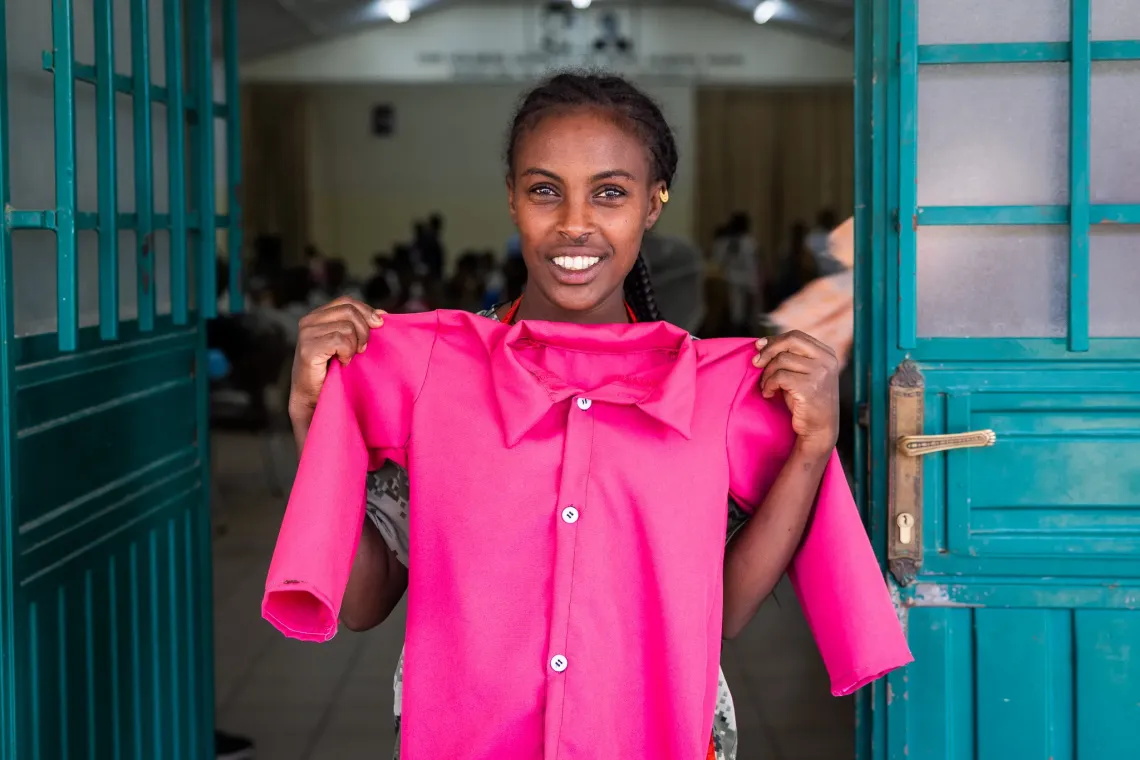
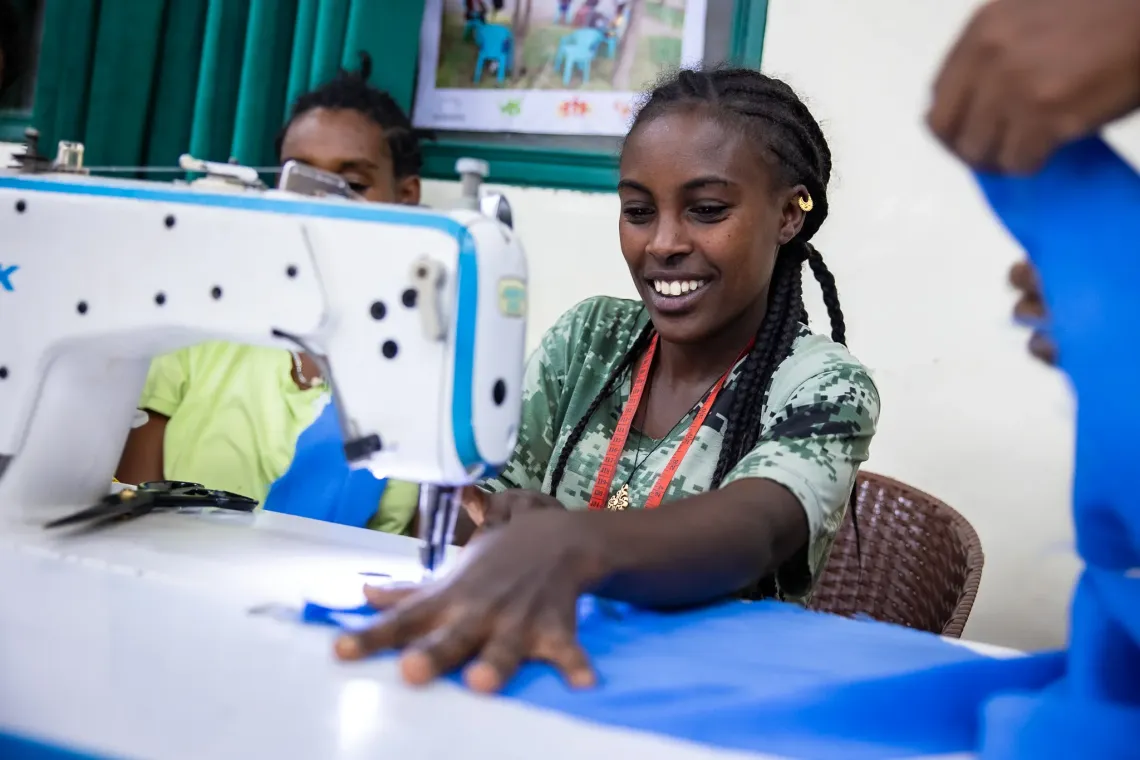
In Shire, Tirhas, 29 years old and mother of two, is enrolled in the mothers’ group training, and she is now thriving after years of struggle.
"This [Mastercard Foundation] programme is very important for women," says Tirhas. "In our culture, women used to stay at home to look after the children, but that no longer makes sense today. Women must play their part and not wait passively for their husbands to bring money home. Working makes us feel more fulfilled and boosts our confidence."

Marta, a dynamic 24-year-old mother, is already thinking about the future. She is confident that together with other trainees, they can start their own activity:
"I always tell myself: If I want, I can!" proudly says Marta. "With 18 other people in my group, mostly women, we are already planning to create our own cooperative once the training is completed. Right now in Tigray, fuel is very expensive, so it is better for us to replace it with solar energy. Plus, it is an environmentally friendly energy source that will allow our children to live in a world without pollution. It's exciting to be part of this transformation," she concludes.
With support from UNICEF and the Mastercard Foundation, the Biqu Wetat (ብቁ ወጣት) programme aims to replicate this success across other conflict-affected regions, equipping 120,000 disadvantaged youth with skills and mental health support by 2027. The goal is to help young people learn, earn, and build a resilient future.