Empowered female teachers are empowering female students in Ethiopia
Female teachers and school leaders serve as powerful role models for female students
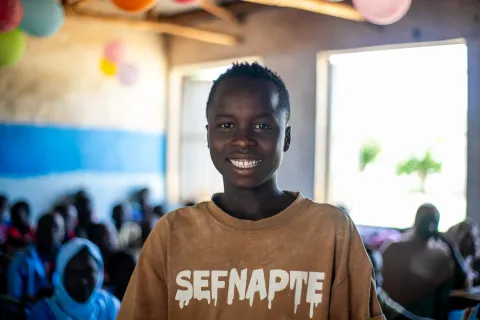
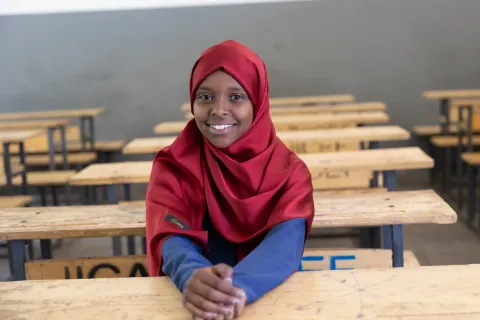
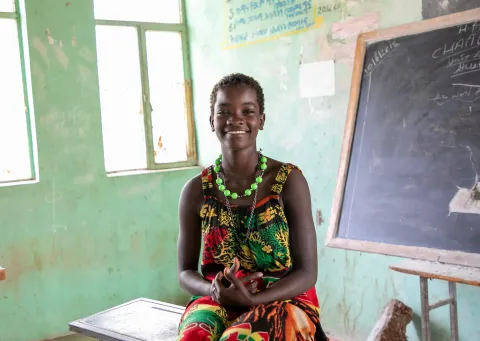
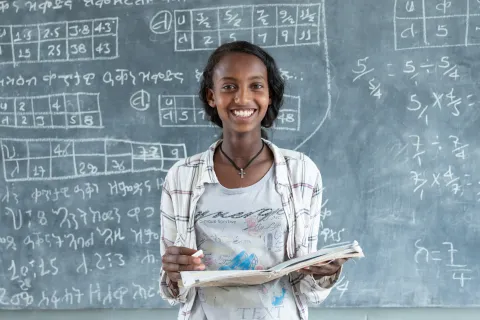
Enhancing female teachers' leadership skills can have a positive and cascading effect on the learning of female students. In the Sidama region of Ethiopia, female leaders in schools, including teachers and administrators, are creating a more supportive environment for girls. These teachers are trained to manage and establish school clubs where girls and boys enhance their life skills and discuss issues such as menstruation health and hygiene freely. We have visited the Gorche woreda (district) and met with a few of them.

“When I was young, I remember how shy I was even to answer a question a teacher asked in class, though I knew the answer,” says Aster, recalling her experience as a student. “It even gets more complicated for girls when they are on their period. We haven’t got proper guidance on that experience.”

Aster spent the past ten years teaching in an elementary school. Earlier this year, she and many other female teachers were enrolled in a National School Leadership Training (NSLT) programme for teachers, which is intended to enhance their pedagogical competencies and management skills. The initiative was part of the STEP (System Transformation of Education Programme), which is supported by the Global Partnership for Education (GPE) through UNICEF. Aster is now promoted to a deputy principal position.

“We talk about many issues freely, and we look forward to becoming like her, as she is a good leader.”
Aster is always eager to help adolescent girls in her school. She understands the challenges they face during their period and gives practical advice from her own experience. In school, she makes sure that girls use their safe space without fear and shame. “She is our role model,” says 15-year-old Kibe Kiyamo. “We talk about many issues freely, and we look forward to becoming like her, as she is a good leader.”

Fellow teacher Alem is happy about the leadership training. “The good thing about this training is that it shows us [female teachers] what we can achieve and be in a better position tomorrow.” Alem, in her school, is the teachers’ representative.

While Aster and Alem are active in their schools, teaching and helping young girls, another teacher, Shewanesh, leads a discussion session, motivating young girls to dream big in their future. “Don’t limit yourself to current circumstances. You need to believe in yourself and work hard to be successful.” In addition to advising girls, Shewanesh also coordinates menstrual health and hygiene activities, working with boys and girls.


Defying the odds, Sara became deputy head of her district’s education bureau, a position women rarely assume in rural Ethiopia. Now she is indebted to share her journey of success with students. Every time she visits her former school, where she served as a teacher and principal, she makes sure that she spends time with young girls. “Anything is possible. They should not limit or undermine themselves. That’s what I want to show them,” says Sara.