Grenada uses evidence to strengthen social protection
A national dialogue examined how evidence can help build a more inclusive social protection system that protects families from future shocks.

ST GEORGE'S, Grenada, 8 May 2026 – Grenada is looking to strengthen how it protects vulnerable families from economic and climate-related shocks, using evidence from a national assessment of its social protection system to identify gaps, improve coordination and ensure support reaches those who need it most.
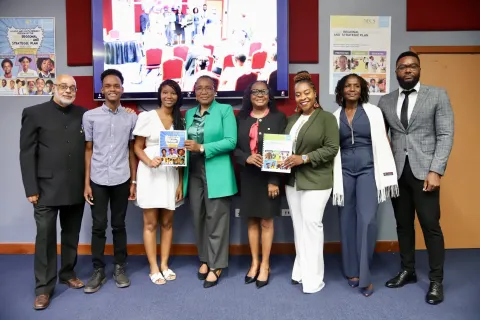
The assessment, using UNICEF's Core Diagnostic Instrument (CODI), was among the issues explored during Building Resilience Through Evidence: A Social Protection Dialogue. The meeting brought together Government officials, UNICEF, the World Food Programme (WFP), the World Bank, the European Union and other development partners to discuss priorities for building a more inclusive and shock-responsive social protection system.
Social protection programmes play an important role in helping families meet essential needs, including food, education and healthcare. But when emergencies, economic pressures or climate-related hazards disrupt household incomes and livelihoods, the systems delivering that support must also be able to respond quickly and effectively.
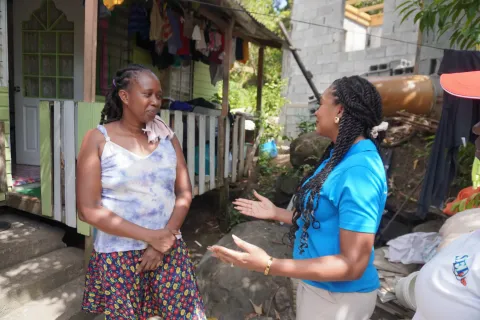
For Grenada, strengthening these systems is particularly important given the country's exposure to natural hazards. The impact of Hurricane Beryl in July 2024, particularly on Carriacou and Petite Martinique, underscored how quickly a crisis can affect livelihoods and place additional pressure on vulnerable households.
The CODI assessment provides a framework for examining how a country's social protection system is structured and how effectively its different programmes and institutions work together. It can help identify strengths, gaps and opportunities to improve the design, coordination and delivery of support.
Discussions also considered the role of systems such as the Basic Registry and Information System for Social Protection (BRISP), the Supporting Education, Empowerment and Development (SEED) Programme and the use of tools such as the Proxy Means Test (PMT). These mechanisms can help improve the identification of households in need and support more informed decisions about how assistance is allocated.
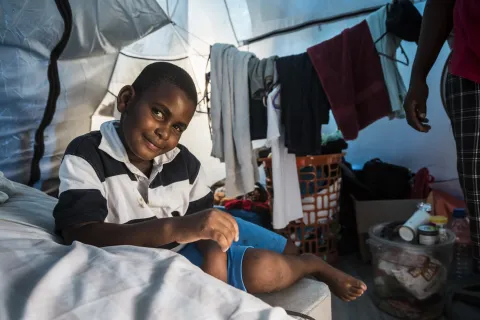
For UNICEF, strengthening social protection means ensuring that systems are inclusive, coordinated and responsive to the needs of children and families, particularly those most at risk of being left behind.
“We believe, and global evidence affirms, that shock-responsive, inclusive social protection systems are among the most powerful investments any country can make,” said Maryam Abdu, UNICEF Deputy Representative (a.g.) for the Eastern Caribbean.
The dialogue also highlighted the importance of collaboration across government ministries, sectors and development partners. Building resilience requires more than individual programmes; it depends on institutions working together, sharing information and ensuring that assistance reaches people when they need it.
For Grenada, the next step is to translate evidence and recommendations into practical improvements that strengthen the country's capacity to anticipate, prepare for and respond to future shocks.
By investing in stronger social protection systems, Grenada can help ensure that children and families are better protected, not only during emergencies but also as they navigate the everyday challenges that affect their well-being and development.