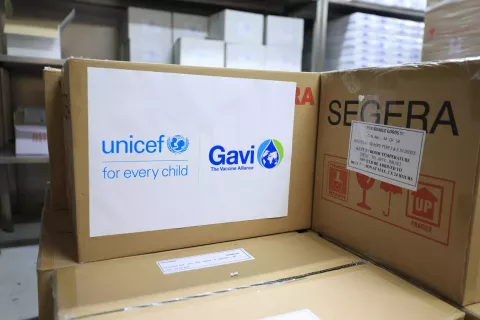
Campaign to address vaccine hesitancy launched
New CARPHA, USAID, UNICEF partnership to tackle issue
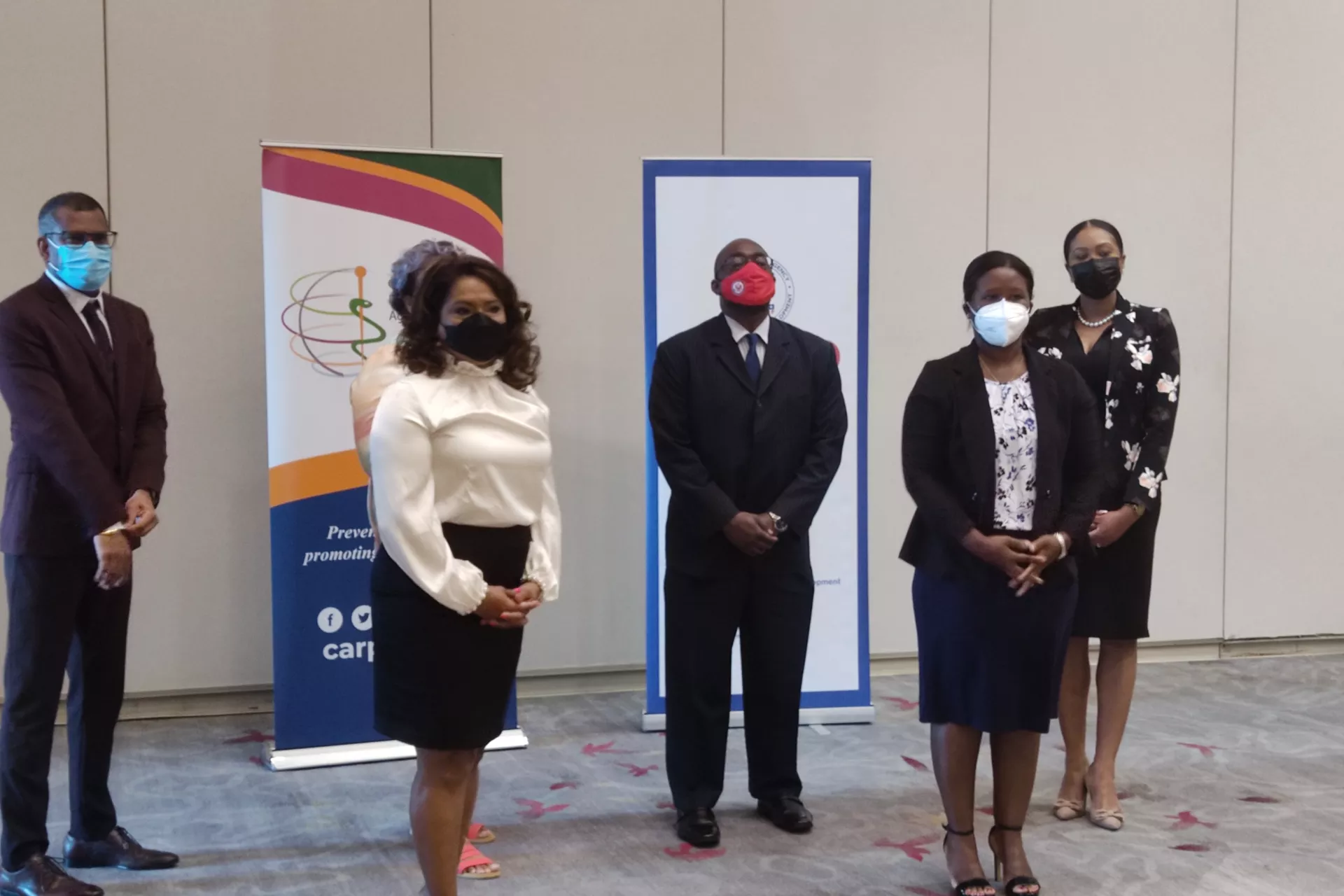
TRINIDAD – 21 June 2022 - Vaccine hesitancy across the Eastern Caribbean subregion continues to be identified as an obstacle in efforts to protect children and youth from COVID-19 and other diseases.
However, an ambitious partnership involving UNICEF, USAID and the Caribbean Public Health Agency (CARPHA) aims to mitigate this challenge with targeted, research-based awareness campaigns.
The partnership, which covers the Eastern Caribbean, Guyana and Suriname, was officially launched on Wednesday, July 20, 2022.
Detailing the magnitude of the vaccine hesitancy in the sub-region, UNICEF Social Policy Officer Jemmimah Wilson revealed that the percentage of fully vaccinated people in four territories in the Eastern Caribbean was as low as 28 per cent.
“This has to change,” Wilson declared.
“One key aspect of our partnership involves detailed research on the changing nature of vaccine hesitancy. Much has already been accomplished in this regard,” he added.
The social policy officer pointed out that a 2021 USAID-funded UNICEF survey revealed evidence of vaccine hesitancy primarily among respondents under 30 years old, who are out of formal work and educated up to the secondary level.
“Their reasons for not vaccinating included the perception that the vaccines were developed too quickly, 51 per cent, and that they were simply exercising their right not to do so. The number of those willing to vaccinate their children was relatively low,” Wilson pointed out.
The research also revealed that what could change the minds of the vaccine hesitant is the provision of more information on the science and potential side effects.
According to Wilson, nearly 40 per cent of respondents said they would take the vaccine if this was a requirement for overseas travel and one-third would do so to keep their job.
“Those who changed their minds about vaccinating their children cited information from their pediatricians.”
To propel vaccination efforts, the three-way partnership is conducting research on the factors that would compel people to be vaccinated in a “relaxed COVID environment”. The new research, spanning seven countries, will also interrogate the conditions that would make parents less likely to vaccinate their children against diseases like HPV, measles, mumps and rubella, and polio.
“This research will be used by CARPHA to develop campaigns targeting parents about immunization in general including being vaccinated with the COVID-19 vaccine. The campaigns will be launched across the Eastern and Southern Caribbean,” said Wilson.
He also pointed to Trinidad and Tobago as a model for the strides that can be made through similar partnerships.
“Trinidad and Tobago provides a resonant example of what can be achieved through partnership. UNICEF, via funding from USAID and Scotiabank, has worked with the ministries of health and education on sensitization materials for key populations: including new and traditional media campaigns, nationwide billboards, advertisements, and testimonials from key influencers,” said Wilson.
He added: “There has been a Google ad reach of 1.2 million and social media reach of almost 300,000.
“We’ve also recently seen the launch of the second phase ACT Now Campaign with the Ministry of Education which targets 5 to 18-year-olds as well as their parents and guardians.”