
Malnutrition: Reaching Children in the Last Mile
The Japanese Government, UNICEF, and women's associations support communities in protecting children from malnutrition.

- Français
- English

A crisis threatening children and women
Djibouti is experiencing a major nutrition and water crisis. Persistent drought, prolonged lack of rain, and structural water stress are endangering the health and survival of thousands of children and women, particularly in rural areas. More than 34,000 children are suffering from acute malnutrition, including 7,700 under the age of five who are severely malnourished, and approximately 2,500 pregnant and lactating women are affected.
“Our country has been facing a severe drought recently. We haven't had any rain for the last six months, which is unusual, yet water is a priority,” says Dr. Hassan Ibrahim Mohamed, Head Doctor at Obock Hospital.
With the support of the Japanese government and the people of Japan, UNICEF is working in partnership with the Ministry of Health and women's associations to respond to this crisis. The project promotes access to nutrition, health, water, hygiene, and sanitation services, while strengthening community mobilization. Interventions include screening and treatment for severe acute malnutrition in children and women, promotion of infant and young child feeding, identification and vaccination of unimmunized children, and improved access to safe drinking water and good hygiene practices. Communities also benefit from mother-to-mother support groups and door-to-door mobilization visits. More than 20,000 children, women, and families directly benefit from these interventions.


Women at the heart of change
In partnership with UNICEF, the Tadjourah and Obock Women's Associations support the most isolated communities, particularly those far from health centers. These associations promote good nutritional practices and detect early wasting in pregnant women and mothers of young children. Cases of moderate and severe acute malnutrition are identified, referred, and treated by health facilities.
In Siyyarou, a town located northwest of Tadjourah on the border with Ethiopia, access is particularly difficult due to the lack of roads or tracks. The Tadjourah Women's Association uses camel caravans from the village of Balho to transport the necessary equipment and reach the last kilometer, where children and pregnant women are most isolated. During the first screenings organized in February and March 2025, 242 children under the age of five were examined, 15 of whom were suffering from severe acute malnutrition and 33 from moderate malnutrition. Among the 83 pregnant and breastfeeding women monitored, one was suffering from severe acute malnutrition and 25 from moderate malnutrition. Since then, thanks to collaboration with the Balho health center and the caravans, these children and mothers have been able to receive care.

Fatouma Issa, a mother living in the village of Bouya, explains, “My daughter was malnourished, and I was very ill. On the tape measure, the marker was in the red zone.” Mohamed Abdallah, her husband, adds, “We live in a village, but there is no hospital to protect children from malnutrition.”
Ali Ibrahim, Community Mobilizer in Andoli, explains: “The nearest hospital, Indalou, is 22 kilometers away. Many people leave to go there, but some die on the way or give birth before arriving.” These challenges reinforce the importance of last-mile action, made possible by caravans and the presence of teams on the ground.
Fatouma Houmed Yacin, Secretary General of the Women's Association for Development in Obock, emphasizes: "The hospital is doing what it can to manage the situation, but for us, it's complicated. With UNICEF's support, we have conducted joint negotiations. We have facilitated access to medicines and provided a health worker who is available morning and evening. She informs families about preparing and feeding children and conducts effective awareness-raising. The situation has improved significantly compared to the past."
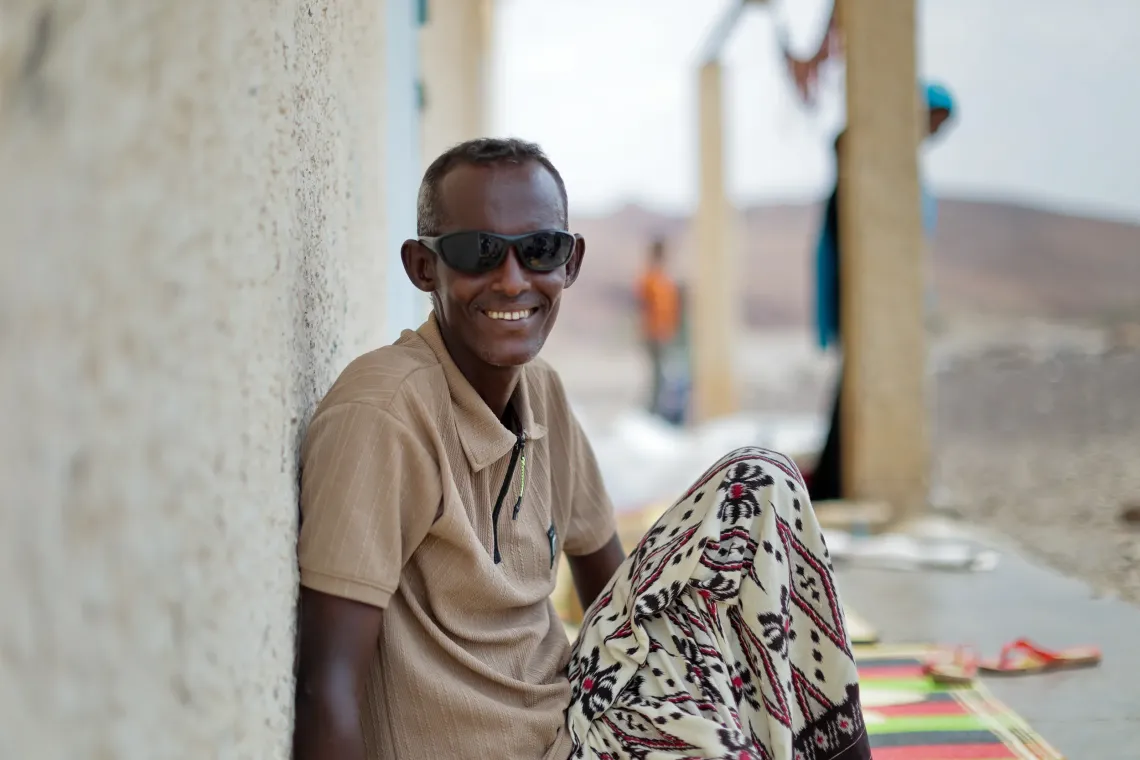
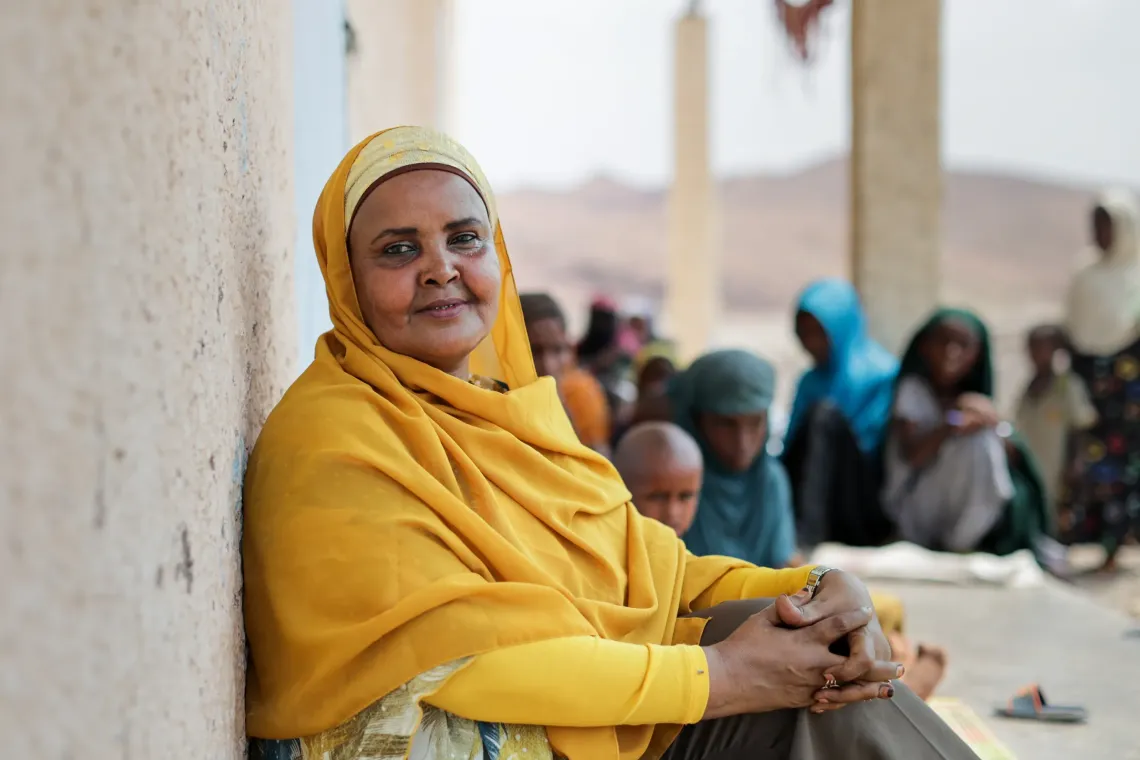
Fatouma Mahamed, Community Mobilizer in Bouya, says: "My job is to go door to door to raise awareness among people. I provide information on good nutritional practices and assess their condition. When I talk about health, the first thing I mention is breastfeeding, and they listened to me carefully. Then we discuss nutrition, particularly the importance of eating fruit. Before, they didn't know this information, but since I started visiting, they have learned a lot and are making progress."


Saving lives and strengthening resilience
With support from the Japanese government, UNICEF and women's associations are saving lives, reducing malnutrition, and strengthening the resilience of vulnerable communities facing crises related to water stress and the effects of climate change. The combined actions of community mobilizers, health posts, and families provide concrete and sustainable support to the most vulnerable children and women, even in the most remote areas.