Child labour and responsible business conduct
The number of children in child labour is 160 million accounting for almost 1 in 10 of all children worldwide.
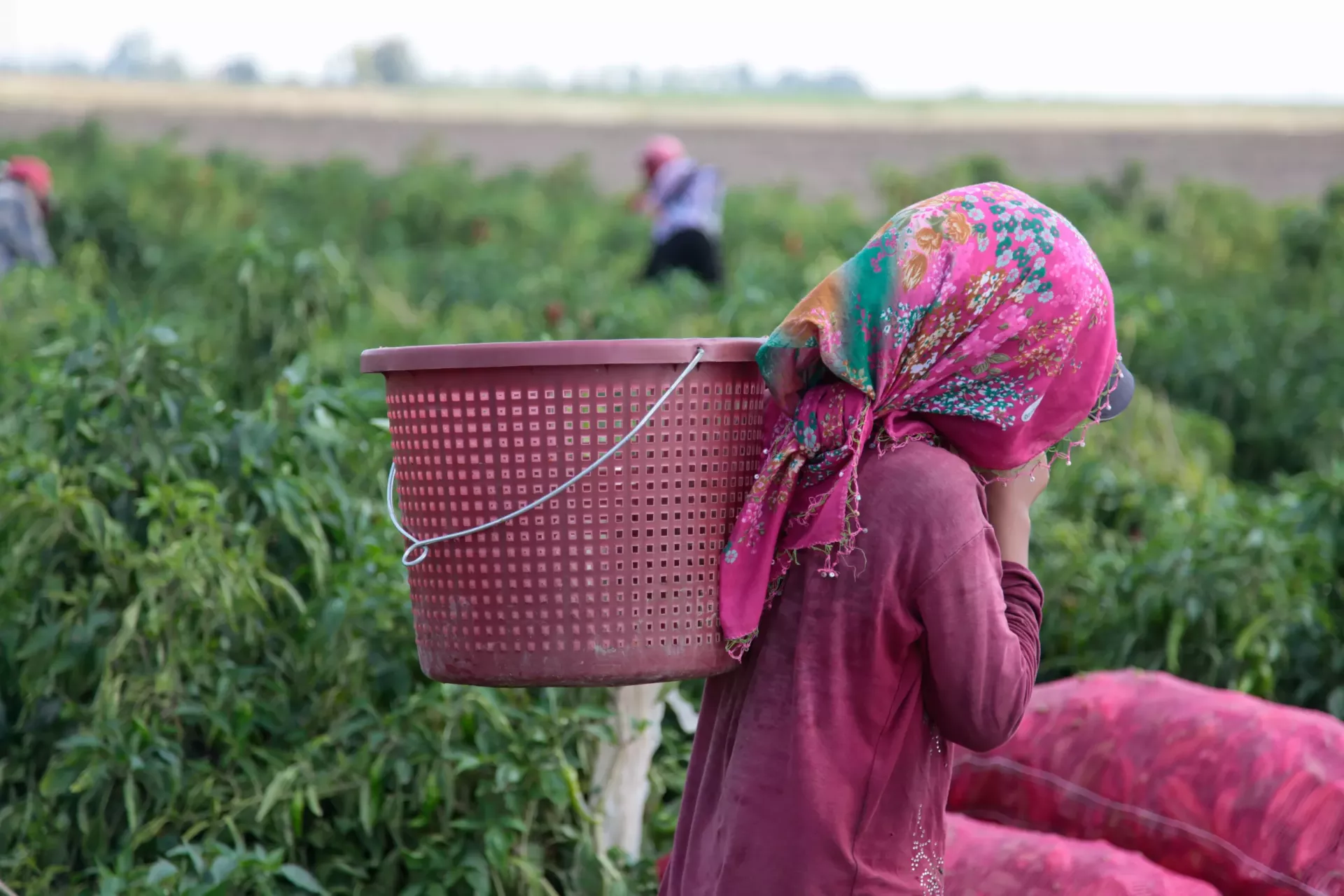
In global supply chains, through the sourcing of commodities and in the production of various goods, child labour may be a salient issue for many companies.
For more than 75 years, UNICEF has worked to tackle children’s rights deprivations at the root cause of child labour. UNICEF promotes a multisectoral approach to ending child labour which includes programming across education, social protection and child protection. It also promotes the importance of labour market policies and business practices in addressing child rights holistically, including the root causes of child labour, and in generating decent work for adults. UNICEF’s cross cutting work, such as that related to gender and social and behaviour change, are also instrumental to these efforts.
The private sector is coming under increasing pressure to take action to address child labour through emerging legislation on human rights due diligence. The Durban Call to Action on the Elimination of Child Labour from 2022 emphasizes the need to make decent work a reality for adults and young people, realize children’s right to education, and recognize the responsibility of businesses to help prevent and eliminate child labour by carrying out due diligence and promoting responsible production throughout domestic and global supply chains.
In proposing a note for action on child labour within the context of responsible business conduct as well as guidance on child labour for business leaders, UNICEF has sought to make action within this space as practical and tangible as possible for businesses seeking to address the issue of child labour in their supply chains.
Relying solely on legal frameworks is insufficient to address the root causes of child labour. While laws provide a necessary foundation, a comprehensive approach that tackles underlying socioeconomic factors is essential. Responding to the multifaceted nature of child labour, UNICEF promotes a multisectoral approach to ending child labour which includes programming across education, social protection and child protection, as well as focusing on the importance of labour market policies and business practices in addressing child rights holistically, including generating decent work for adults, parents and caregivers, responsible purchasing practices, decent employment and workplace conditions. No sole actor can get to the bottom of this issue alone.
UNICEF is uniquely positioned to collaborate with governments, the private sector and other partners to develop and implement a road map for coordinated efforts between diverse stakeholders and ensure that efforts are aligned to address child labour. There are several documented examples and case studies on how UNICEF works on child labour at country level and in partnerships with other UN agencies, such as the ILO.