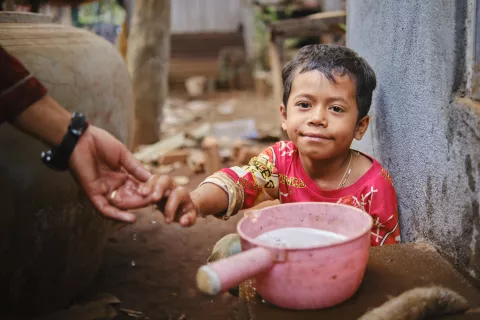
Cambodia’s hardest-to-reach welcome piped water
Climate-resilient community piped water is a lifeline for remote families, improving health and freeing up time so they can better support their livelihoods
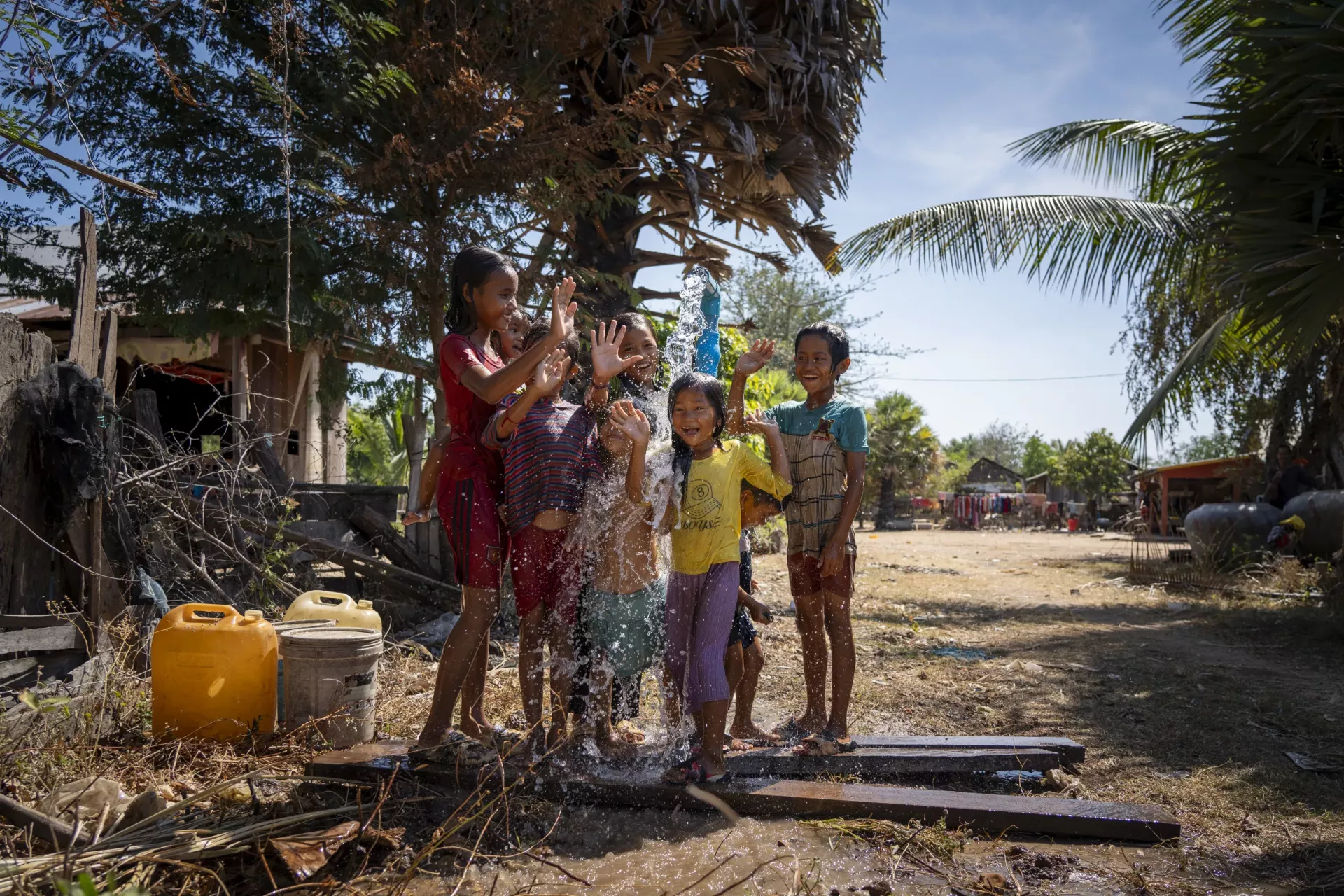
11 January, Kratie – Life along the mighty Mekong has never been easy.
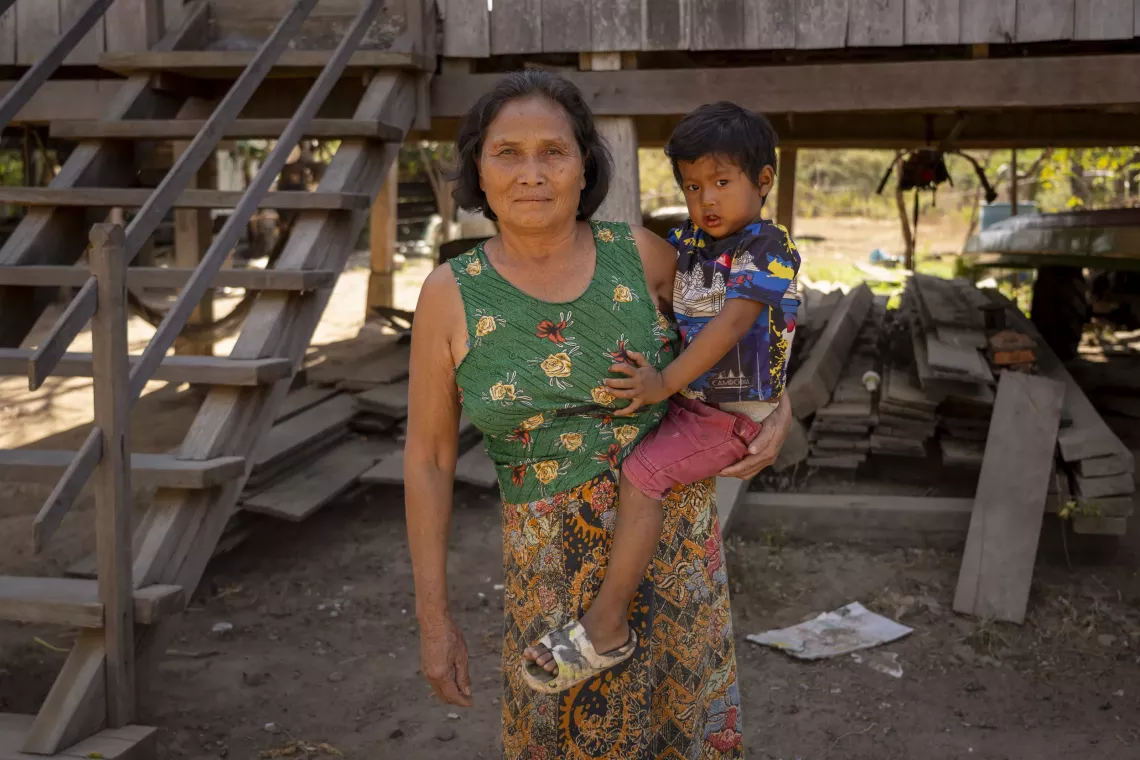
Hugging the border of Cambodia’s Prey Lang Wildlife Sanctuary, on the edge of Kratie province, until last year Tun Trea’s village was only accessible by boat or motorcycle.
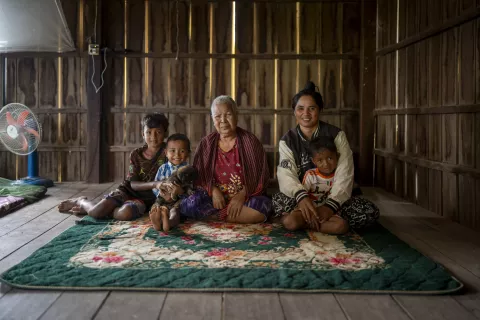
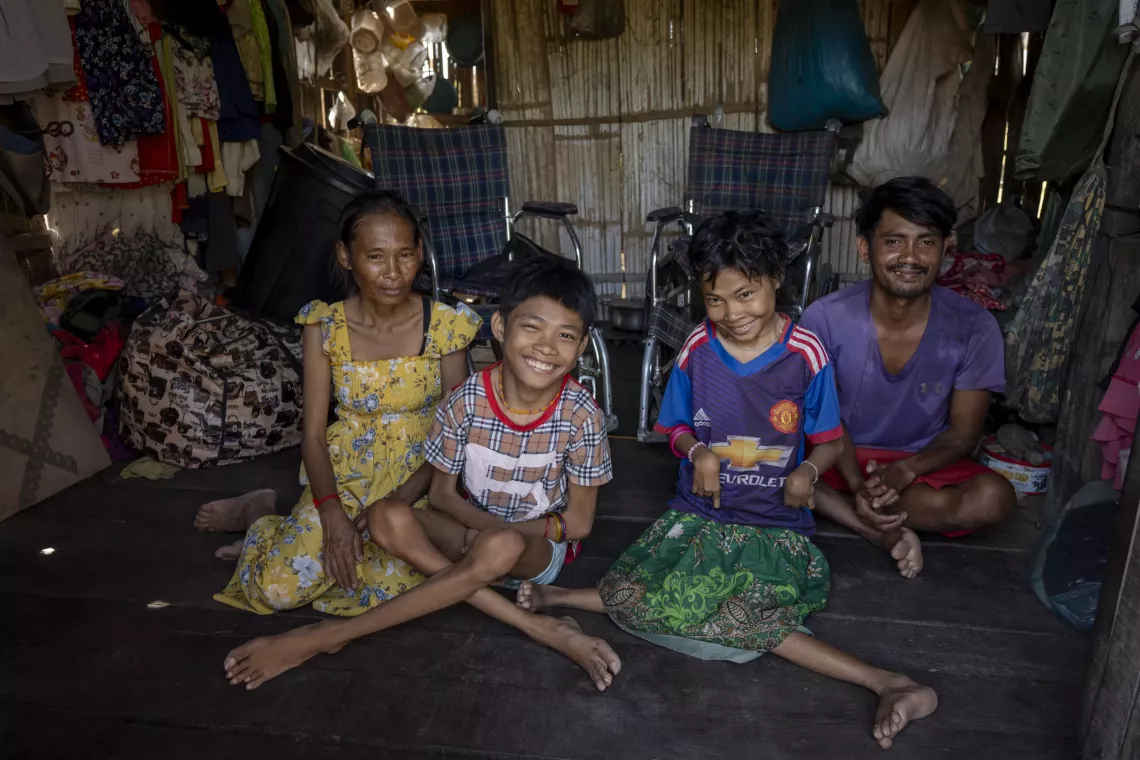
For years, the 29-year-old fisherman has been working hard to take care of his family, whose lives depend on the Mekong River – for the fish they catch, the water they drink. Both of his two stepchildren, 15-year-old Den Tola and 20-year-old Den Leak, have physical and intellectual disabilities, so he has little time to rest.
“I spend a lot of time every day collecting water as we don't have a big jar to store it,” he says.
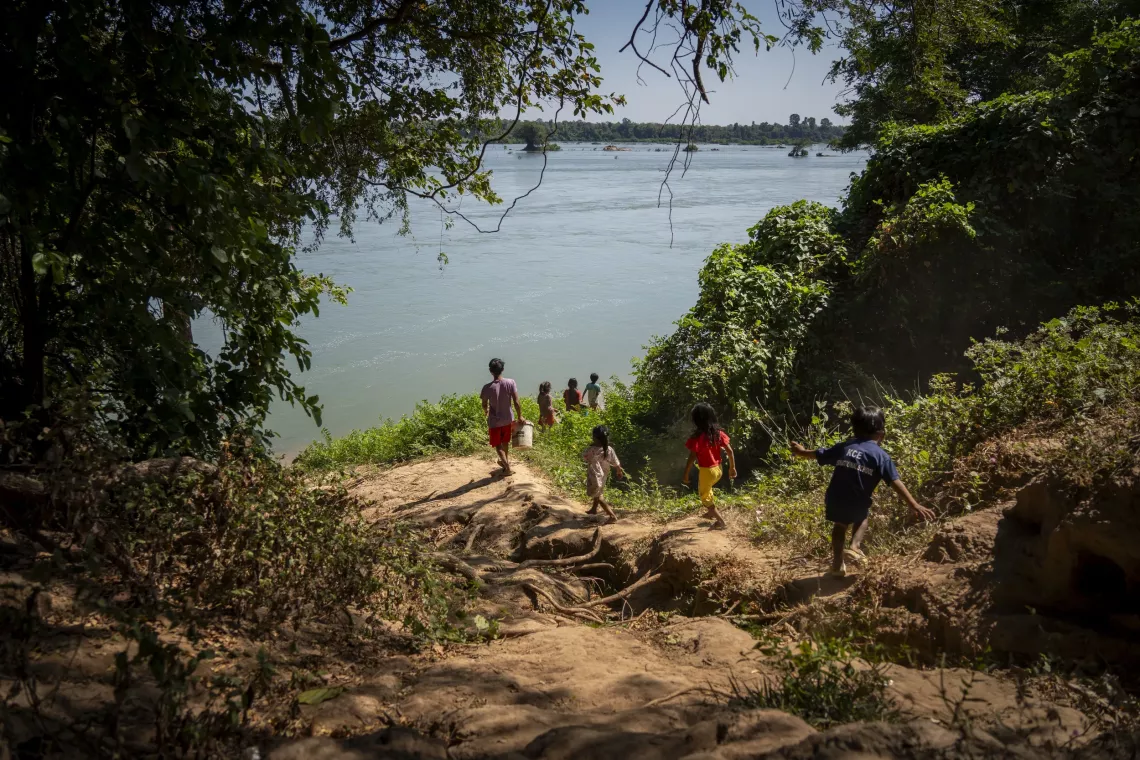
To make sure they had enough water for cooking, drinking, and washing, he would make up to ten trips to the river per day. After hours of fishing, even if he hadn’t caught anything, he would need to come home to collect more water. And when a family member got diarrhoea in the middle of the night, Tun Trea would scramble down the steep riverbank, bucket-in-hand, in the dark.
“The parents take really good care of the children,” insists his 66-year-old grandmother Sat Sinry, who lives next door, despite their very limited means and difficult circumstances.
It hasn’t been easy for any family. During the rainy season, the indigenous Kuy community usually sees a spike in diarrhoea cases, which can be deadly for children. Sat Sinry also says it’s become more difficult to fetch a good catch in recent years, putting additional strain on the remote fishing village. Lower fish stocks in the Mekong, one of richest sources of freshwater fish in the world, have been attributed to climate change, infrastructure development, and overfishing. The river is also becoming increasingly polluted by plastic and trash, putting the health of children at serious risk.
The river has additional dangers, too. Kuy community leader San Vansen says she lost two of her young grandchildren after accidents involving walking tractors (known as koyun in Khmer) as they went to collect water and wash their clothes. The koyun are often driven by children, who haul 2,000-litre tanks pumped with river water to sell to households around the village.
Because of the new road, getting to Inn Chey is now a dusty, two-hour journey by car from Kratie provincial town. Once at risk of being left behind, left to suffer through the escalating impacts of a climate crisis that threatens children’s health and survival, Tun Trea, his family, and his community have been offered a lifeline.
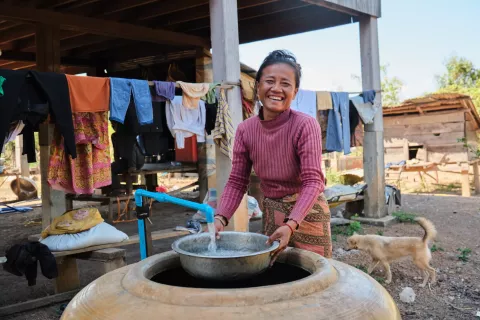
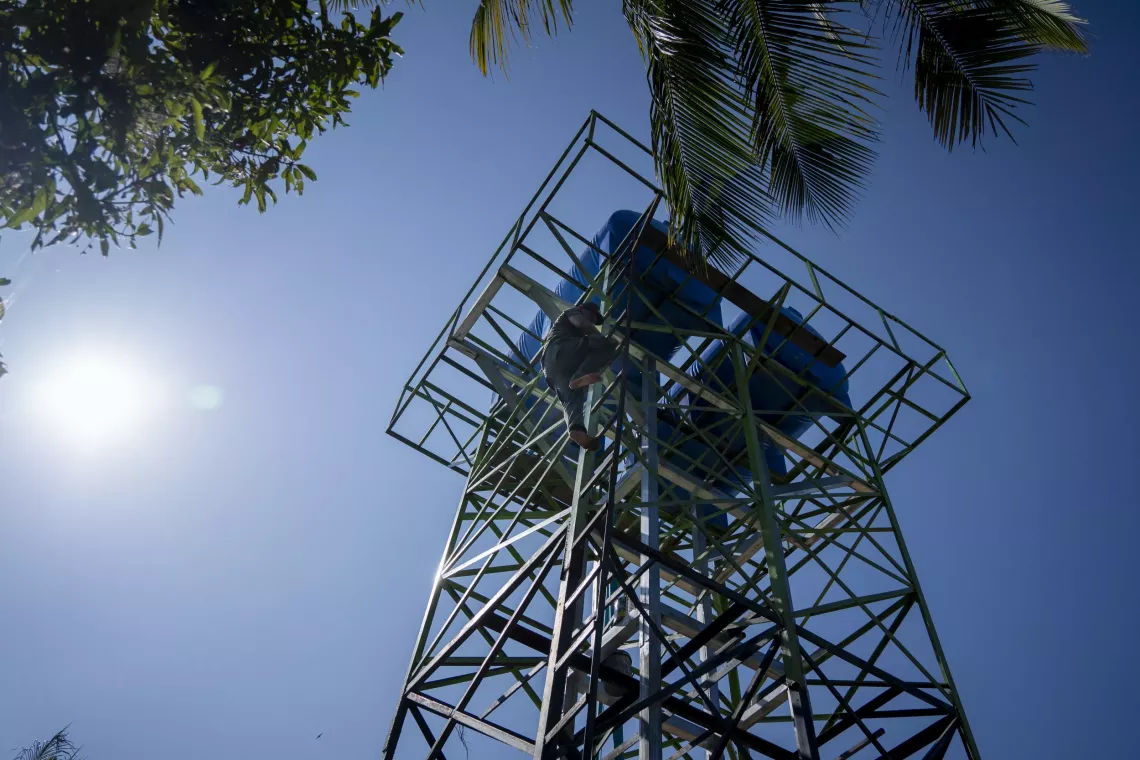
Thanks to a community piped water supply system being constructed in his village, for the first time in their lives, they have access to clean water just a few steps from their home.
“Now I can have more time to fish and then maybe I can earn more money to buy food for the kids,” he says. They’ve been able to use the connection to his grandmother’s house next door for a few days.
“I feel relieved,” says the children’s mother, 42-year-old Korng Lin. “It will help release some work for me.”
Too remote and inaccessible for private pipe suppliers, community-owned, managed, and operated water supply systems offer hard-to-reach villages like Inn Chey a glimpse of progress and hope.
With funding from the Japan Committee for UNICEF and the AEON 1% Club Foundation, UNICEF has been supporting the Provincial Departments of Rural Development (PDRD) in Kratie and Ratanakiri to install community piped water systems in areas where people depend on unprotected sources like rivers and springs, helping increase access to safe, clean piped water year-round.
The pipes are built to be climate-resilient, meaning they will continue to provide safe, clean water through flooding, drought, and other extreme weather events that are escalating as a result of the climate crisis. The system is powered by solar energy, Inn Chey one of a few hundred villages in the country yet to connect to the national electricity grid.
In Cambodia, 30 per cent of people in rural areas still lack access to safely managed or basic drinking water, compared to only 6 per cent in urban areas. In 2022, less than 20 percent of rural populations drank water that is considered safely managed, only a marginal increase over the past decade. More than two million people still do not have access to basic water supply, and those with access to improved water in rural areas experience a 22 per cent decrease in water access between wet and dry seasons.
With UNICEF support, over 175,000 Cambodians have been reached with clean water through private and community pipe systems and bottled water enterprises.
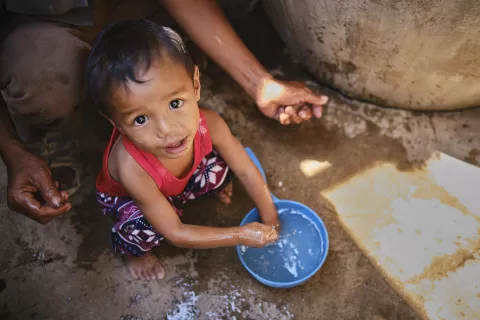
For rural communities, easy access to safely managed, improved water is improving not only health but also freeing up valuable time so they can better support their livelihoods and keep their children, who are often given the responsibility to collect water, in school.
UNICEF also supports the PDRDs to provide education on using and drinking clean water and to build capacity of communities to operate the system themselves through a volunteer group called the Water Management Committee. As the village is so remote, it’s especially crucial for Inn Chey to be able to manage it on their own without depending too heavily on external support, says Kao Vibol, Chief of Rural Water Supply at the PDRD in Kratie. This isn’t always an easy ask, though.
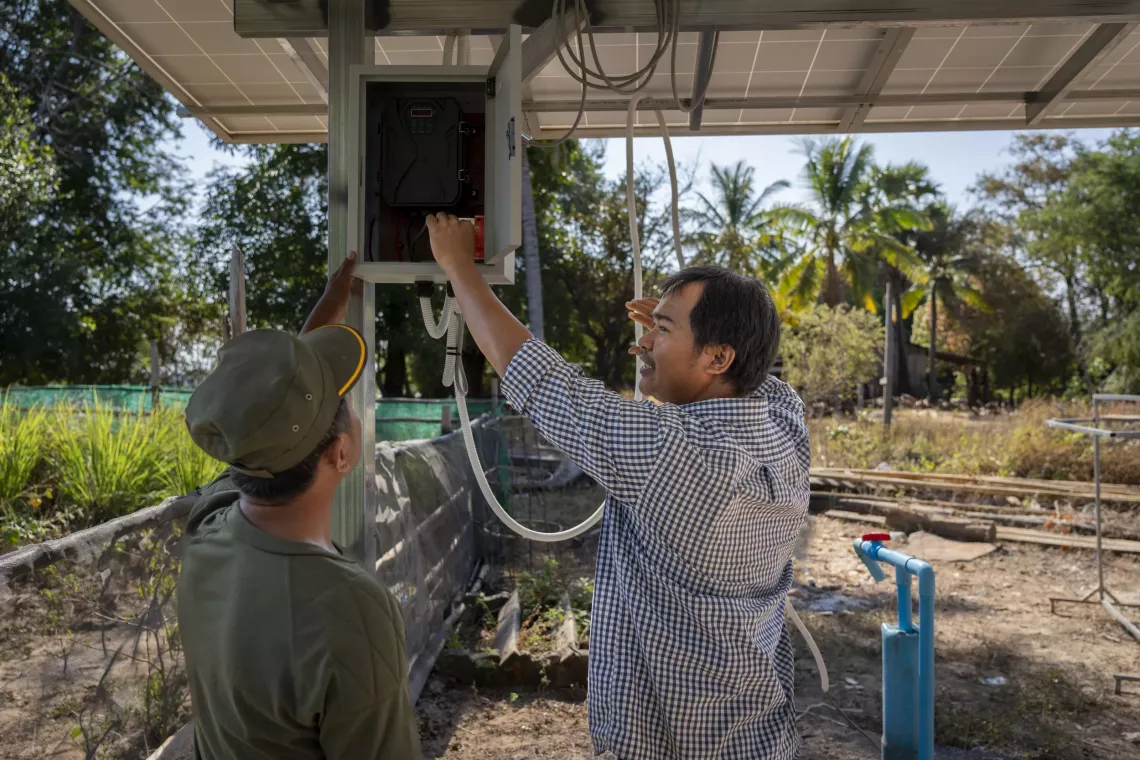
“They felt afraid that they could not manage it well,” he says. Responsible for planning, implementing, and monitoring operations, Vibol has been training the committee on how to run the system, manage collection fees, and address maintenance issues. “But after I trained them two or three times, they felt like they could do it. I’m happy to see that the community can manage and be responsible for this job.”
Grandmother Sinry was one of the first in her village to connect the pipe water to her home, six decades after her mum first decided she was old enough to go down to the Mekong to collect water for the family. She was only six.
“I’m happy because now I don’t need to go far to get water. I’m quite old now and it was so exhausting,” she says. “It's very strange because it feels too easy for me to just open the tap.”
“In the future, I know that people will have better health because they use clean water,” says deputy village chief, Ngoun Sour. “And the children can attend school more regularly than before.”