Kigobe Inclusive Education Reference Centre: a boon for students living with disabilities
Built and equipped with funds from UNICEF and the Global Partnership for Education, the Centre is unique in promoting inclusive education, welcoming children with disabilities
- English
- Français
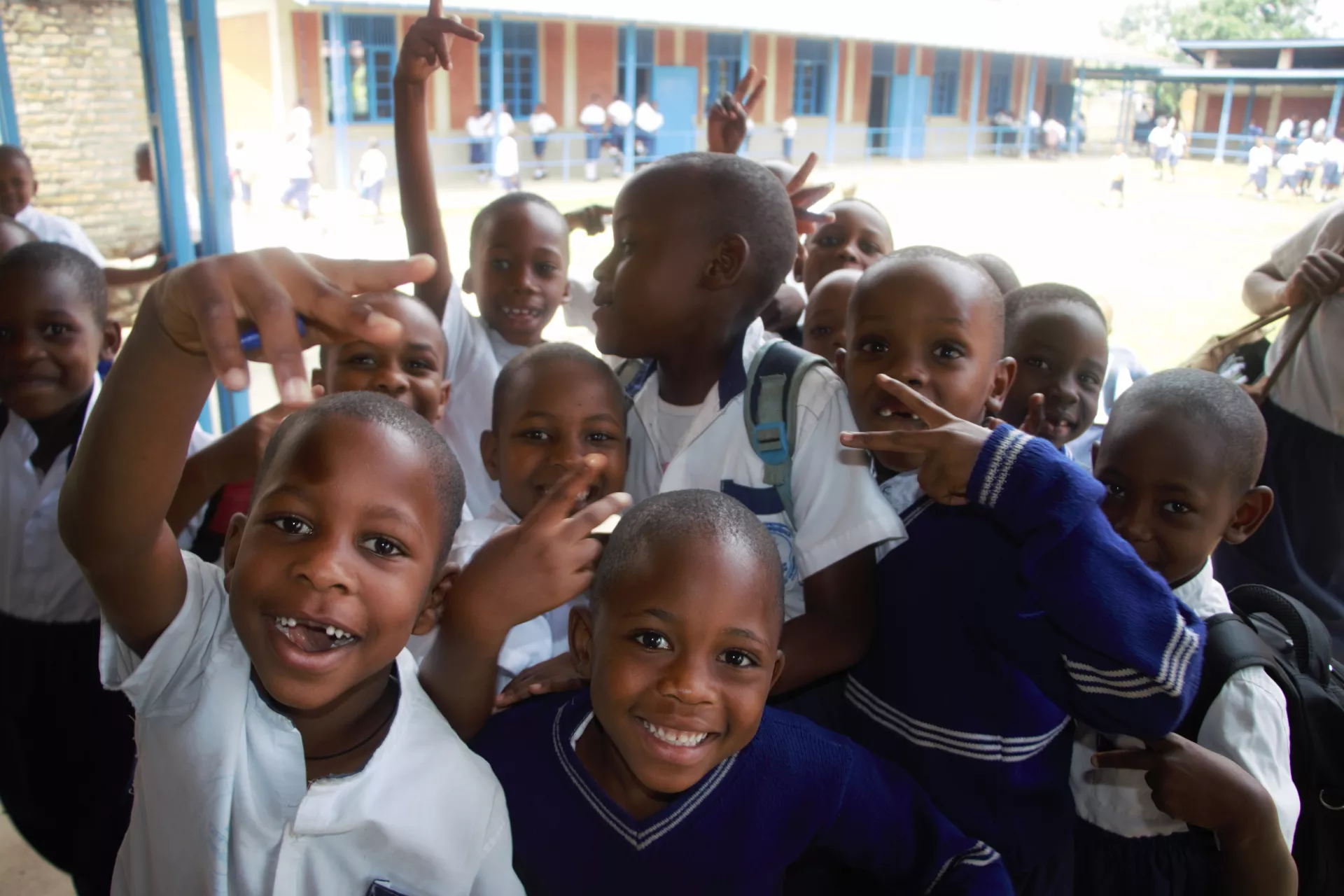
Kigobe-Bujumbura. It is 10 o'clock in the morning. At the Reference Centre for Inclusive Education (CREI), it is time for recess. Hundreds of schoolchildren invade the courtyard, shouting with joy. Nothing unusual, they are simply happy to take advantage of the few minutes that the break lasts to play.
The centre, built and equipped with funds from UNICEF and the Global Partnership for Education, for an amount of about 500,000 US dollars, has about 50 children with disabilities. For this reason, infrastructures accessible to children living with disabilities have been put in place so that each child can find his or her place.
Gabriella Bwegure, in her sixties, is visiting the school to see her grandson Iriho Emmanuel Kelvin, 12 years old, living with a physical disability in his left leg, who has just joined the centre. With enthusiasm, she tells us about the new life of her grandson, whom she has been raising for more than 8 years, following the death of his mother: ''Before coming to this school, Kelvin was studying at a school in Ngagara, Ward 7. He always came home in a bad mood, and I always had to beg him to return to school the next day. I realized that he had a lot of difficulty adapting to his school environment, which did not necessarily take his disability into account. For example, he told me how difficult it was for him to go to the toilet alone, because he had to squat down when he couldn't stand up," she recalls.
Gabriella remembers her grandson's reaction when he started attending the centre: "He was over the moon! He certainly realized that there were more serious cases after all! But what he likes most is the way the teachers care for the well-being of all the children and leave no one out. He is now fulfilled’’ she said.
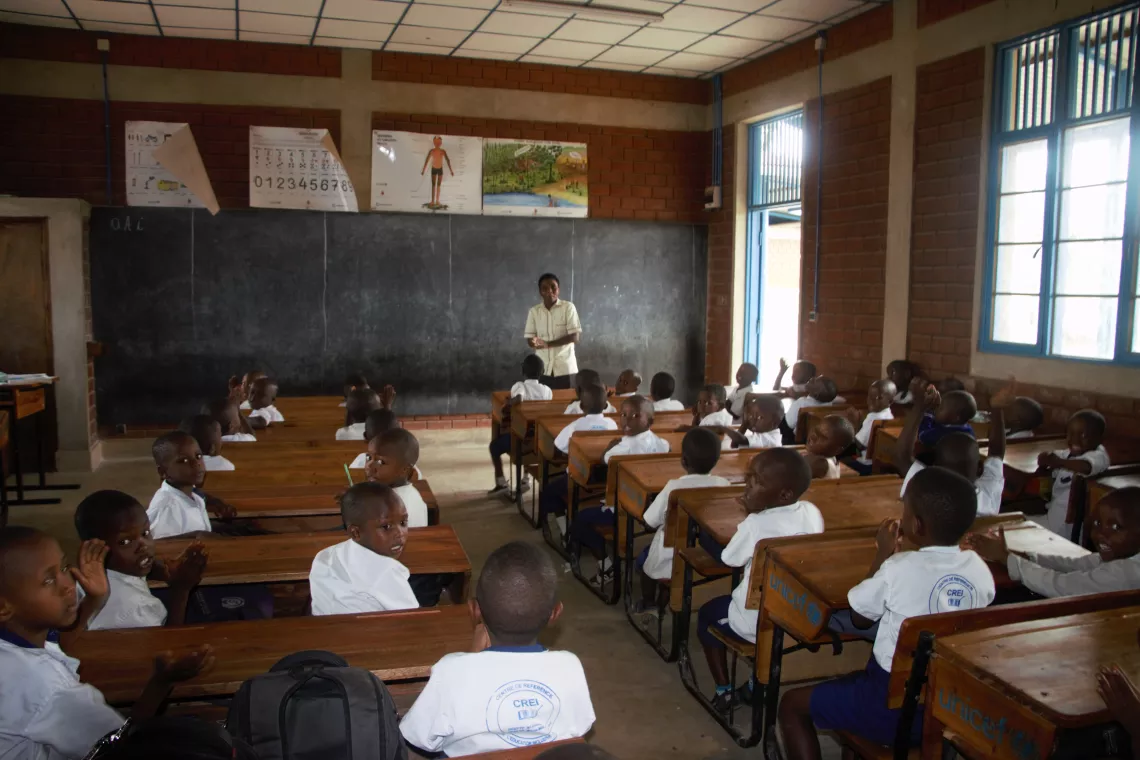
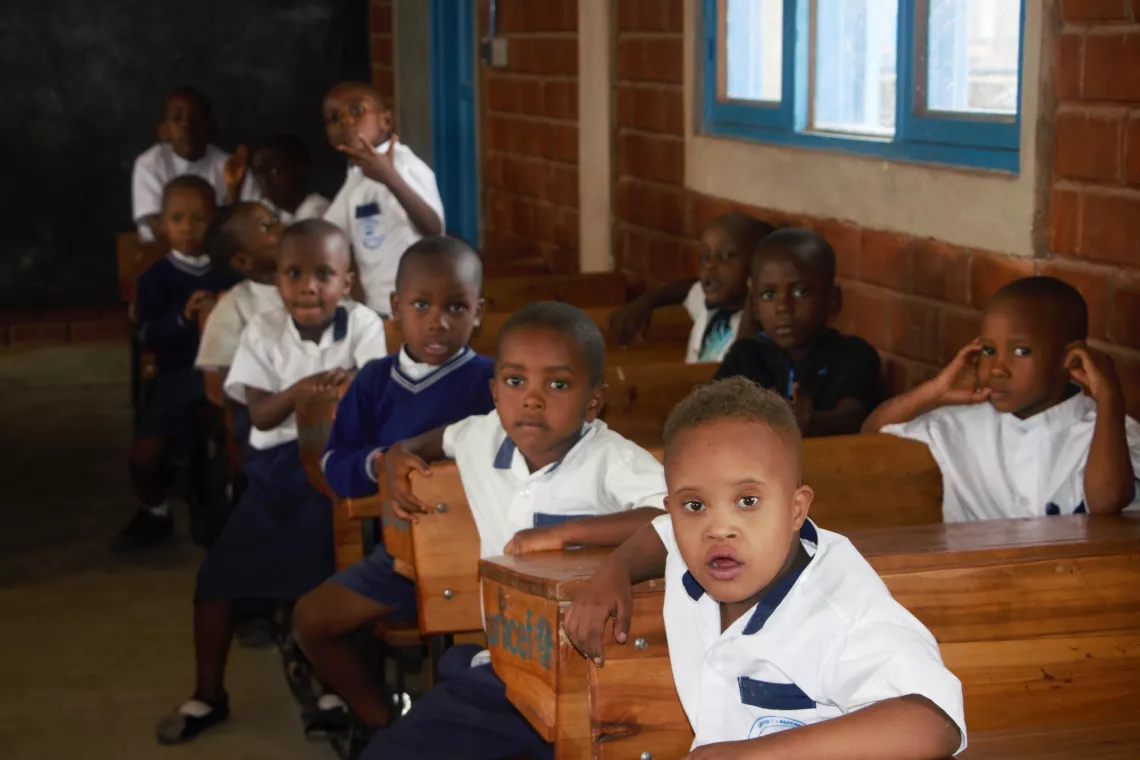
Byaomba Gisèle teaches the first year of primary school at CREI. Her class includes children with different types of disabilities: Down's Syndrome, children with physical handicaps, language disorders, global development delay, visually impaired, etc. Thanks to the training she received in inclusive education and in dealing with children living with disabilities, management is becoming easier.
‘’ We teach children with disabilities and healthy children together. We also assess them together, but we know how to follow up individually to make sure we haven't left anyone behind, and it has already paid off," explains Gisèle. She also cited the example of a child living with cerebral palsy who ranked 17th out of 60 students and was able to advance to the next grade, "He came to grade 1 at 14 because all the schools had refused to accept him," she added
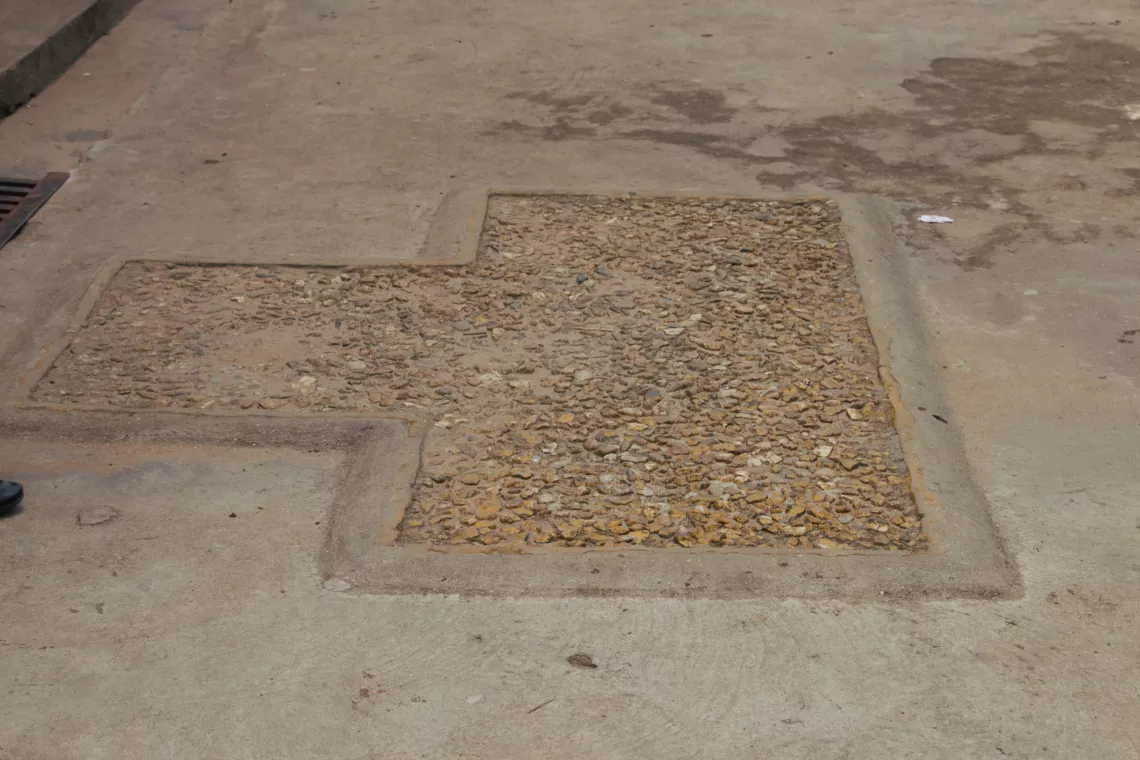
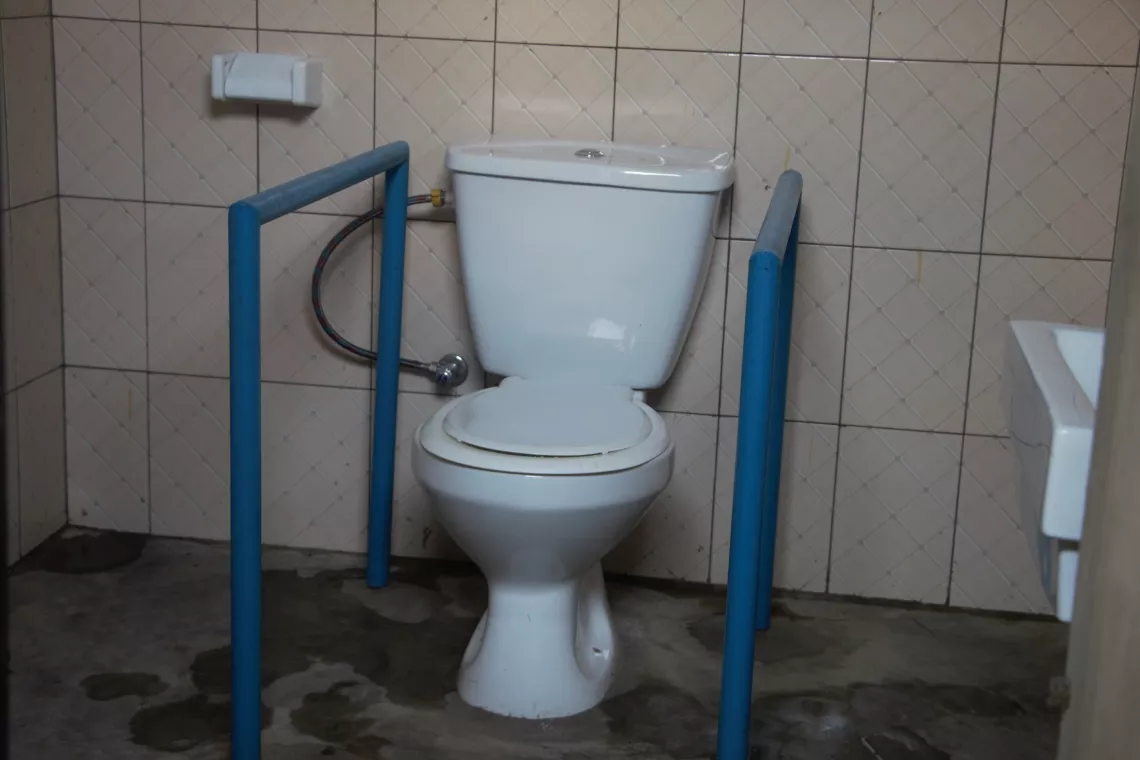
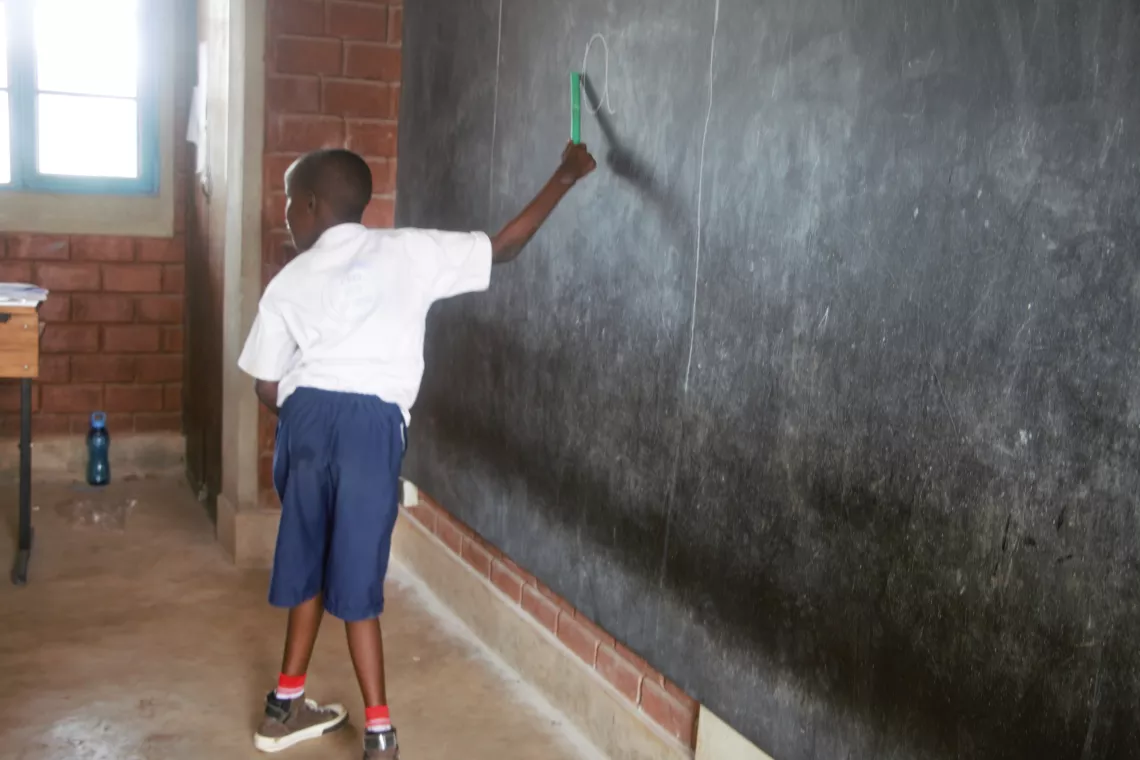
Among other infrastructures adapted to children living with disabilities, Gabriel Nganahe, Director of the centre, cites the existence of specific latrines, blackboards designed to be accessible to all, signs to guide the visually impaired, etc.
Gabriel Nganahe nevertheless deplores the absence of a ministerial order that could shed more light, particularly on the conditions of reception at the centre and the criteria for advancing to the next grade or repeating a year for children living with disabilities. In addition, he would like to see a construction plan for the post fundamental school, as well as dormitories. ‘’The teachers also need to be motivated," he added.
The Reference Centre for Inclusive Education- CREI was inaugurated in June 2019 by the Minister of National Education and Scientific Research and started its activities at the beginning of the 2019-2020 school year. The CREI marks the concretization of the Government of the Republic of Burundi to make inclusive education a reality, by taking into account children living with disabilities and their specific needs in the overall education planning process. In the 2021/2022 school year, the CREI welcomed a total of 565 students from kindergarten to grade 9, including 271 girls and 53 children with disabilities. In addition to the school director, CREI has 22 teachers, all of whom have been trained in inclusive education and in dealing with children with disabilities