Saving every newborn in Bhutan
How Bhutan is providing quality healthcare to save newborns
Bhutan has achieved the Sustainable Development Goal (SDG) targets for neonatal and under-five mortality, way ahead of 2030.
In partnership with UNICEF and through the support of donors, the Royal Government of Bhutan (RGoB) has made notable progress in children’s and maternal health. Between 2012 and 2023, newborn deaths decreased by two-thirds, and deaths among children under five nearly halved.
However, challenges remain in ensuring timely and quality newborn healthcare services for every newborn. In 2023, Bhutan recorded 52 neonatal deaths, according to the Maternal Perinatal and Neonatal Death Surveillance and Response report.
To ensure every newborn survives and thrives, the RGoB has prioritised strengthening the quality of newborn health care to reduce newborn mortality and morbidity.
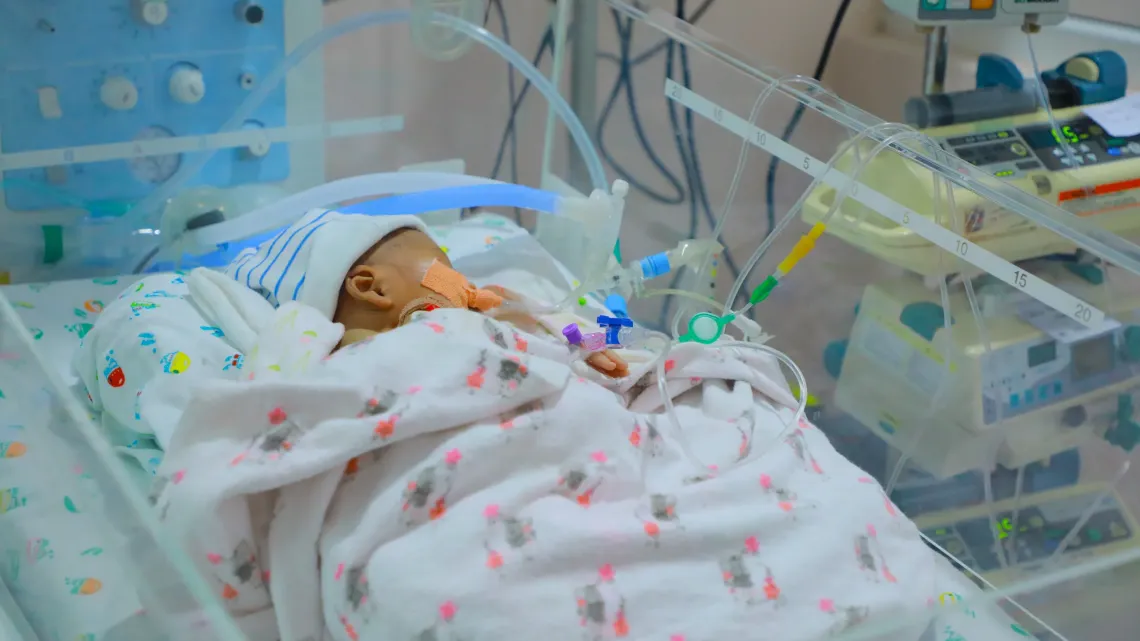
UNICEF, in partnership with the Ministry of Health and the National Medical Services and with the support of donors, introduced the screening of newborns to ensure timely referral and improved the skills of health workers to provide quality newborn healthcare.
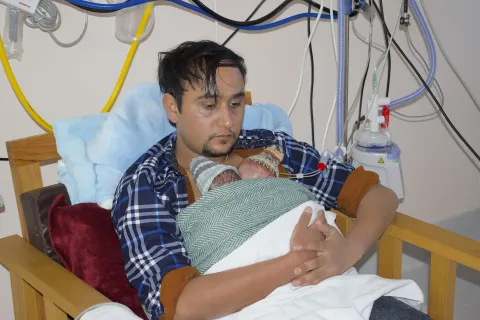
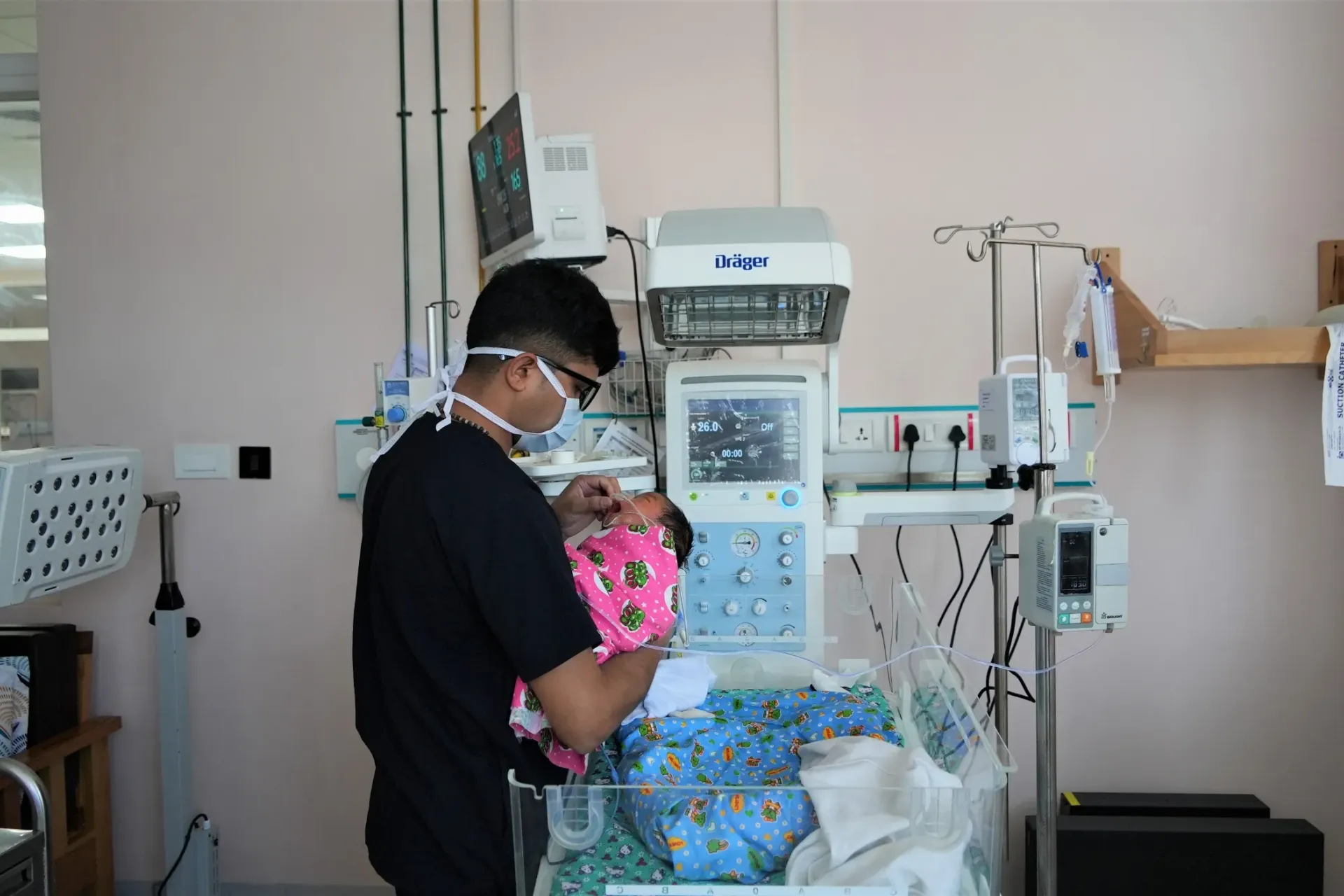
The training of healthcare workers has led to early diagnoses and timely referrals while individual cubicles for each newborn at the Neonatal Intensive Care Unit (NICU) ensures infection control and prompt services. Together, these interventions are saving lives of newborns in Bhutan.
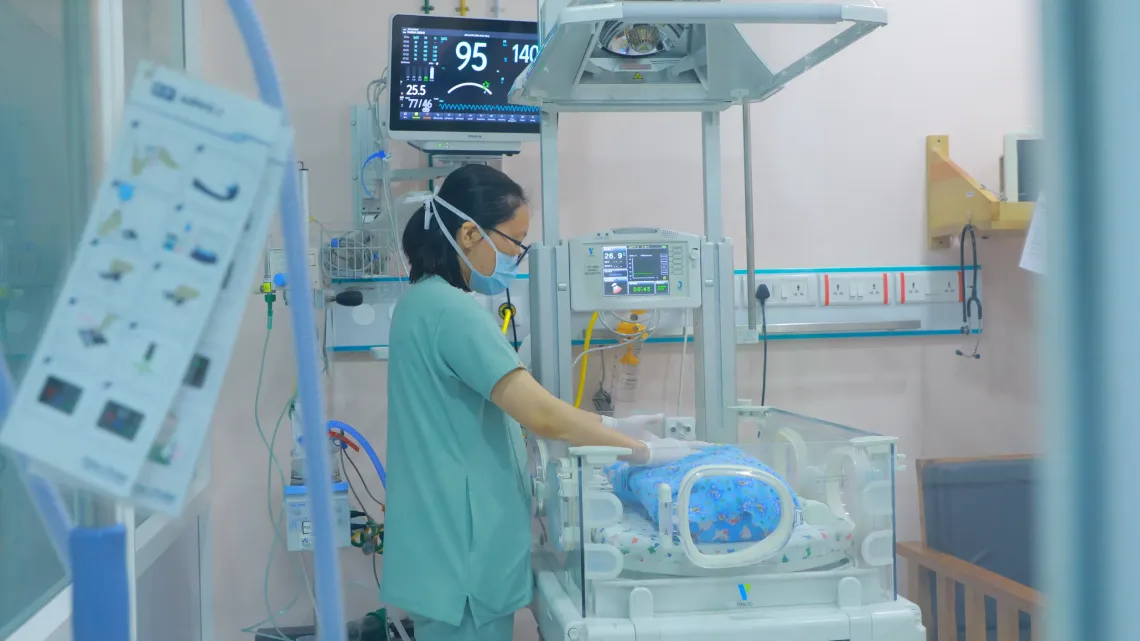
The generous funding support facilitated UNICEF and the Ministry of Health to train 146 (75 female) health workers from Primary Health Centres (PHCs) in 2024. This training has enhanced their skills in newborn health assessment, diagnosis, management, and referral of sick newborns, resulting in the delivery of quality newborn screening services at health facilities across 12 districts, covering more than half of the country.
The distribution of Arclights, a device for ear and eye examinations, to 84 health facilities has also enabled the screening of newborns, reducing the disparities in access to newborn care between urban and rural communities.
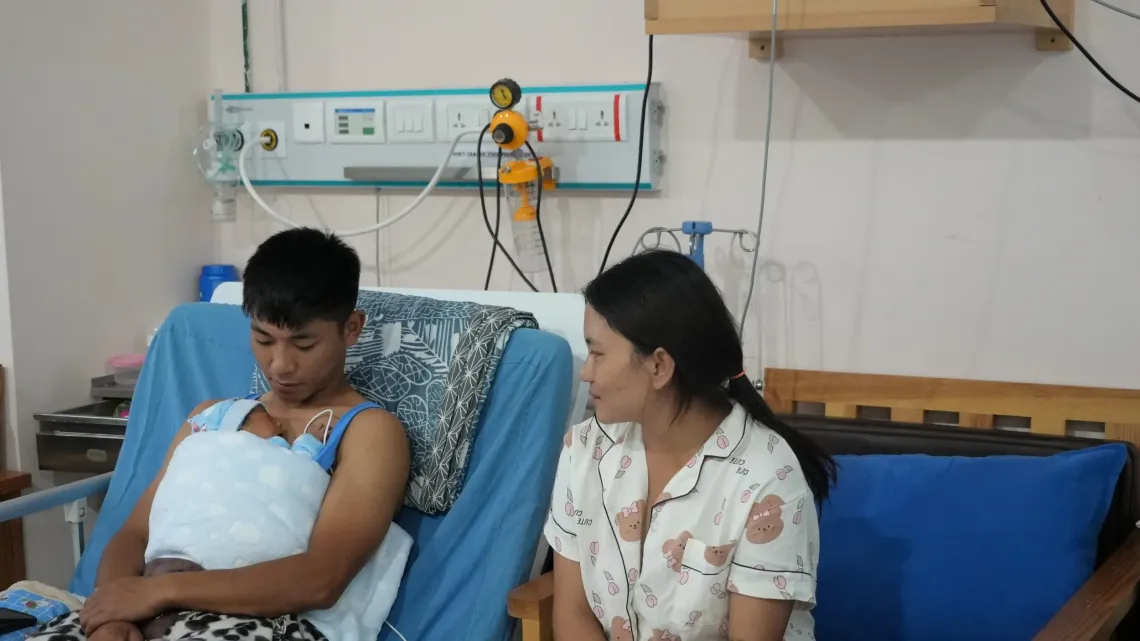
The implementation of this programe will contribute towards realizing the national target in reducing newborn deaths to two per 1,000 live births by 2029 and benefit about 5,000 newborns across Bhutan.