Peacebuilding and Think Equal in Belize’s National Curriculum Reform
Cultivating Social Justice - One Story at A time

“Everything you need to know…you learnt in kindergarten.”
These thoughtful words were uttered by Dian Maheia, Chief Executive Officer in the Ministry of Education, Culture, Science and Technology, recognizing the significance of the formative years and the impact on a child’s personal development. If you reflect on your early influences the statement proves true. Do you remember the story of the Ugly duckling; or the story of the little boy who cried wolf? They taught life-long lessons that permeated your impressionable young mind and influenced your behavior well beyond childhood. That is the power of a good story! It can plant a seed that blossoms and influences for a lifetime. It is this period of child development combined with the power of story-telling that UNICEF, with the help of Think Equal, will harness for increased positive life outcomes for Belizean children in the early years.
Think Equal Launched in Belize

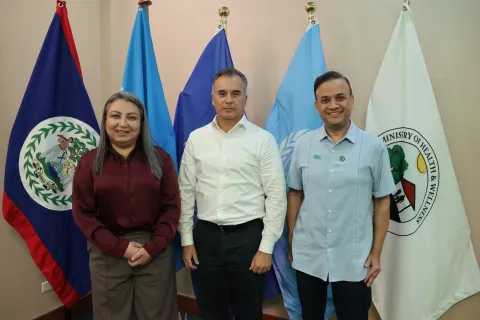
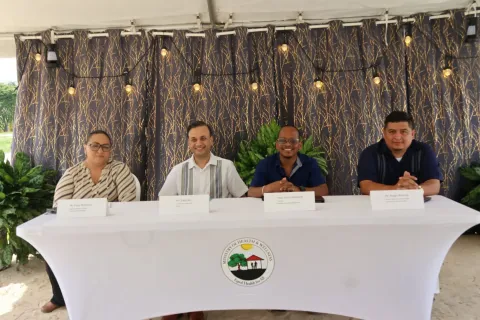
Think Equal - two words, that convey a powerful concept. UNICEF and the Ministry of Education, Culture, Science and Technology (MoECST) convened to celebrate the milestone launch of the programme in Belize. For the first time in Belize’s history children, ages 5 and 6 years old, in Infant I and Infant II, across the country, will receive compulsory psychosocial support sessions to build their emotional intelligence, self-esteem and infuse positive behaviors for building relationships. One story at a time, UNICEF and MoECST will invest in teaching our children about social justice, while building their skills to be confident, kind, peaceful and productive citizens.
These are important lessons! As Belize develops this partnership is timely to continue peace building in a nation by strengthening the capacity of children for empathy, respect, fairness and trust with others.
What will it take to reorientate our youngest citizens and change the prevalence of the culture of violence? Sustained investment in the formative years is necessary to shift this culture and transform the next generation of Belizeans. For Leslee Udwin, Founder and President of Think Equal, transforming cultures is at the core of the programme’s objective and she advocates that it begins with creating “prosocial neuropathways” in the brains of our youngest citizens. This has become her lifelong mission and to date Belize is the third country in the world to fully infuse Think Equal in its curriculum nationwide! Over the course of the next thirty months, the Think Equal Programme will be rolled out in phases to impact over 700 classrooms across the country.
The MoECST recognized the programme as a complement to the ongoing work on curriculum reform and to fulfill the national commitments resulting from the Transforming Education Summit (TES) held in 2021. Hon. Francis Fonseca, Minister of Education, Culture, Science and Technology, lauded the programme as a tool that develops “soft skills” in children and aids in their wholistic education. Minister Fonseca explained:
It is really about tackling the root causes of social instability. If we are able to instill the right attitudes for life in children, such as respect and appreciation for others, this is important work we need to be committed to.
Kindness in Action – a lesson for Amaya
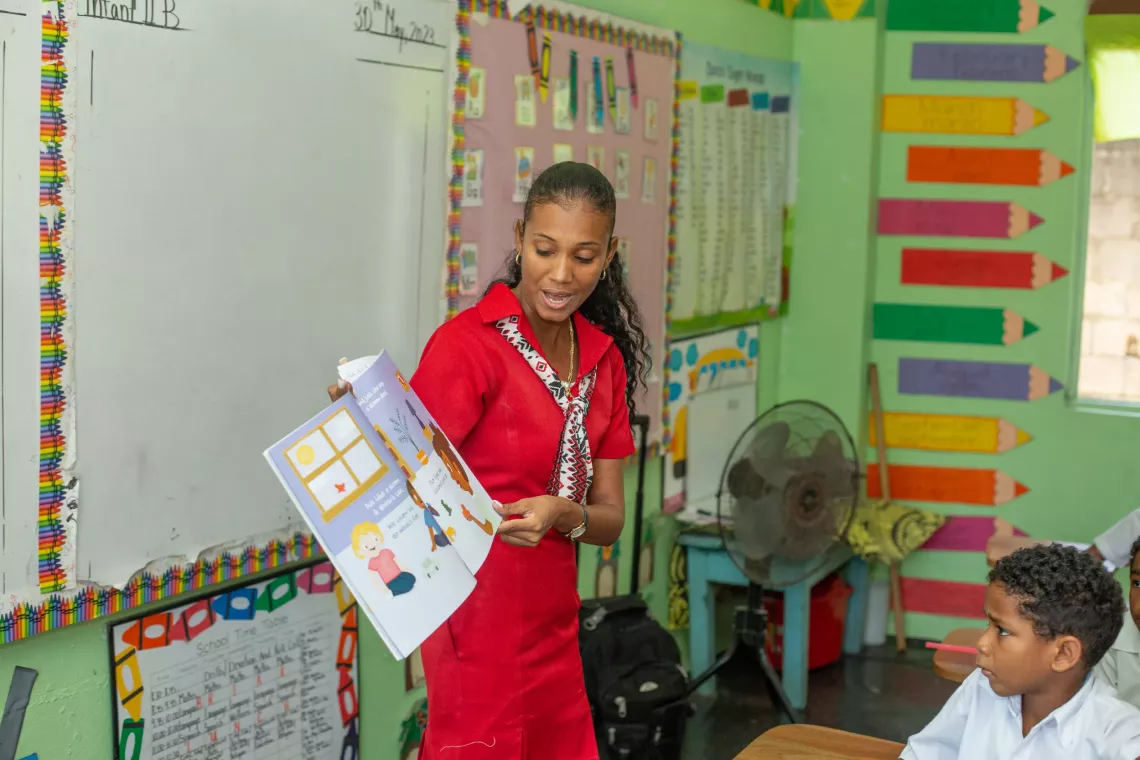
Some teachers are already seeing the early signs of the potential of Think Equal curriculum. Arcelia Espejo is an Infant II teacher at the St. Michael's Roman Catholic School in the Corozal district. She’s been teaching at the school for five years and received her materials earlier this year. She shared her classroom observation of her student, Amaya, and how teaching kindness-built friendships in her class.
“At first Amaya was very mischievous and tended to be negative. She was mean to her classmates (boys/girls) and the children were afraid of her. They didn’t like to play with her and would even be happy when she was absent from school. Since we started Think Equal and began talking about kindness and how to control emotions; I started seeing a change in her. The book “The weather inside me" really helped her to learn how to cope with her emotions. Then one day I asked her if she’d like to have friends and play, or she’d prefer to be mean. She said she’d like to have friends and that she now wants to be good, kind, and a girl that shares. I asked the others - how have you been kind to her? Then things started to change. As days passed by, she’d come to me and say, “teacher today I have a new friend and am being kind.” Other days she’s show me that she was playing with the girls and sharing her snack. More positive things happened in the classroom. When she missed weeks of classes children were worried and would ask why she’s absent.”
Think Equal Curriculum– An Aid for Teachers
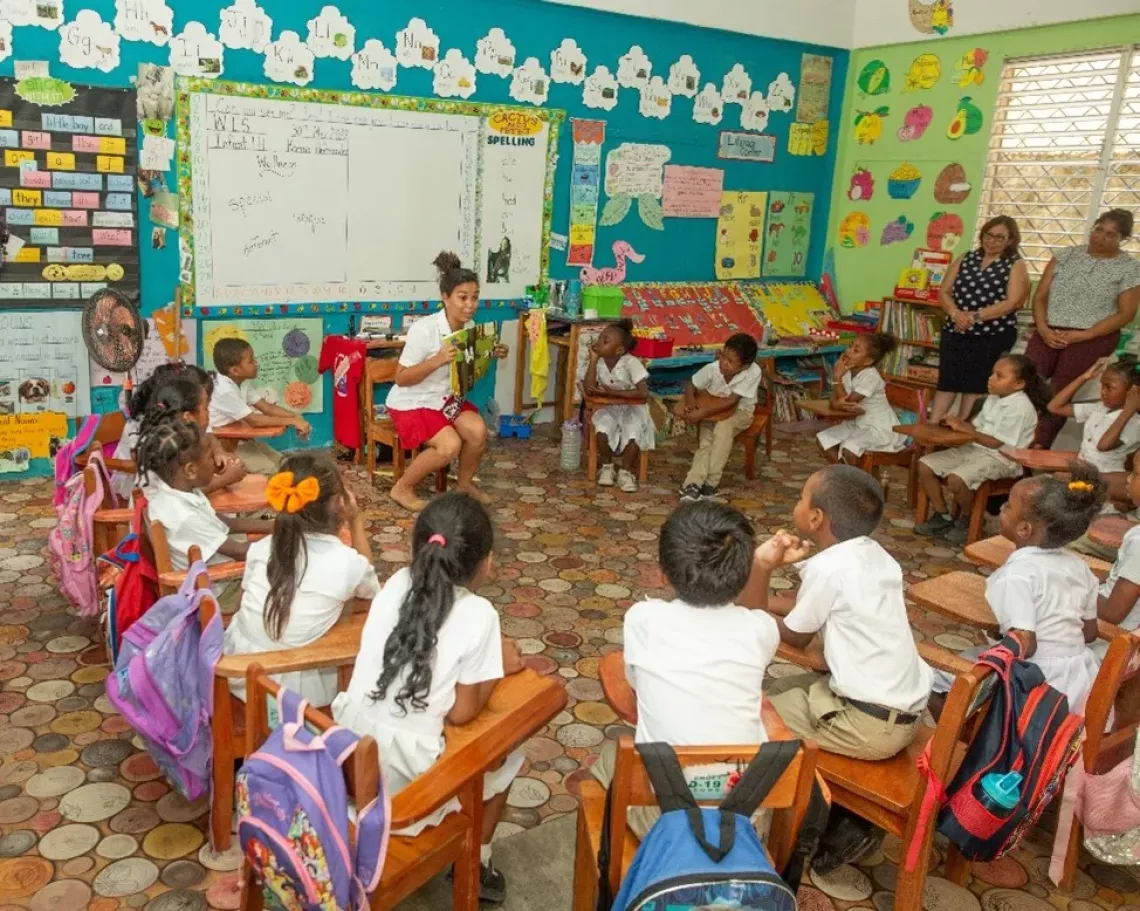
The programme also includes high-quality lesson plans and teaching aids to support teachers to bring the stories to life in the classroom. This aid has been well received by the teachers. Kimberly Heusner teaches at the Infant 1 level at Wesley Primary School in Belize City. She’s been in the classroom for 12 years and spoke enthusiastically about her experience with the lessons and accompanying resource materials.
“When it comes to the materials we use for the lessons – they are excellent! A lot of the times as a teacher, over the past few years I’ve found that you have this great idea and then you’re scrambling to find the resources to use to best bring this out. But this is so excellent because it provides the resources and ideas for you. It also keeps the resources simple and its doesn’t require you to purchase excessively, it guides you to use what you have in your classroom. Things like paint, strings, bells and even your bodies.”
The programme represents an investment of over $250,00USD investment by UNICEF, MoECST and Think Equal. Belize is currently under a State of Emergency for some areas of Belize City due to escalating gang warfare. The ability to forgive, to have empathy, to respect diversity, to peacefully resolve disputes, to feel like one belongs to a community and is a valuable part of society, to be able to self-regulate and monitor and manage one’s mental health – these are also crime prevention tools. These are the skills this programme builds. With every story told – we invest in the human and social capital fundamental to national development. This partnership gives all children in Belize access to social emotional learning and intelligence. These additional foundational skills will be nurtured for their fullest potential. This is the mandate of UNICEF Belize, and we are committed towards that vision.
For Every Child, A peaceful and productive future.