Building an education system that works for every child in Belize
Annual Report 2025
Belize’s education system is undergoing an important transformation that prioritizes inclusion, digital innovation, foundational learning, and safe spaces for adolescents. In 2025, UNICEF Belize worked closely with the Ministry of Education, Culture, Science and Technology (MoECST) and national partners to support reforms that strengthen the education system at every level.
Our work ensures that every child in Belize can learn, thrive and reach their full potential, no matter who they are or where they live.
Driving curriculum reform through stronger systems
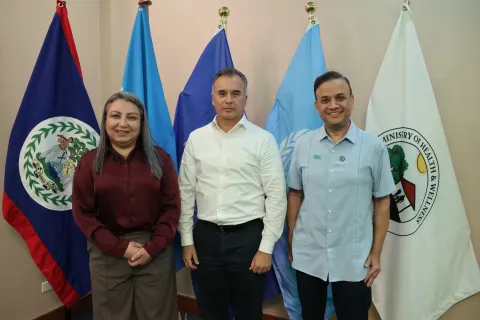
A major priority for Belize in 2025 was improving instructional quality and strengthening the implementation of the competency‑based curriculum. UNICEF supported this national reform effort by working with MoECST and the University of Texas at Tyler to pilot a new initiative.The programme enhances the education system’s own capacity to coach teachers, measure instructional quality, and sustain curriculum reforms long term.
Building Capacity for Instructional Coaching & Teacher Appraisal
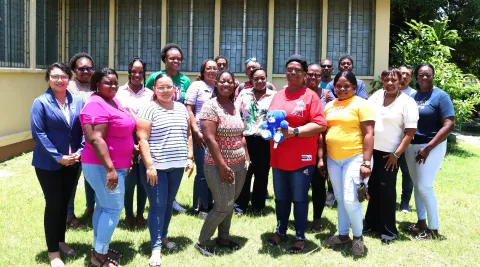
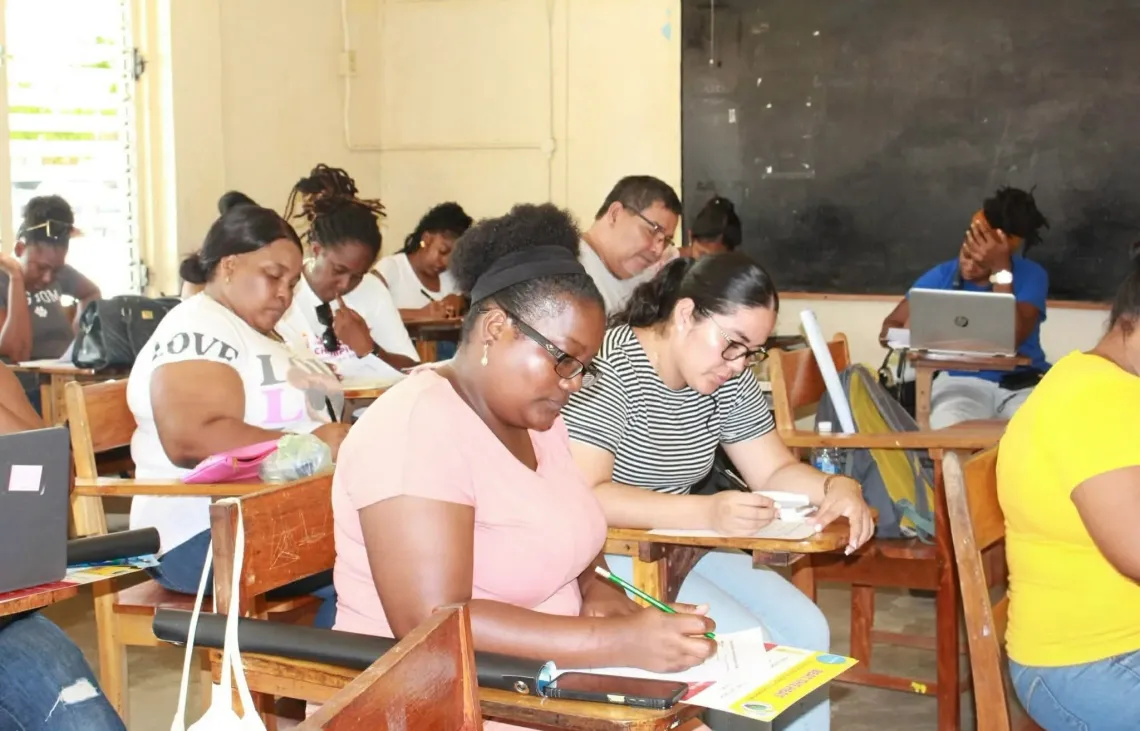
Building Capacity for Instructional Coaching & Teacher Appraisal, rolled out with 200 administrators and teachers to strengthen classroom practice and support effective curriculum delivery.
Expanding the concept of learning
Belize’s education transformation places inclusion and early learning at its core and UNICEF played a central role in advancing both.
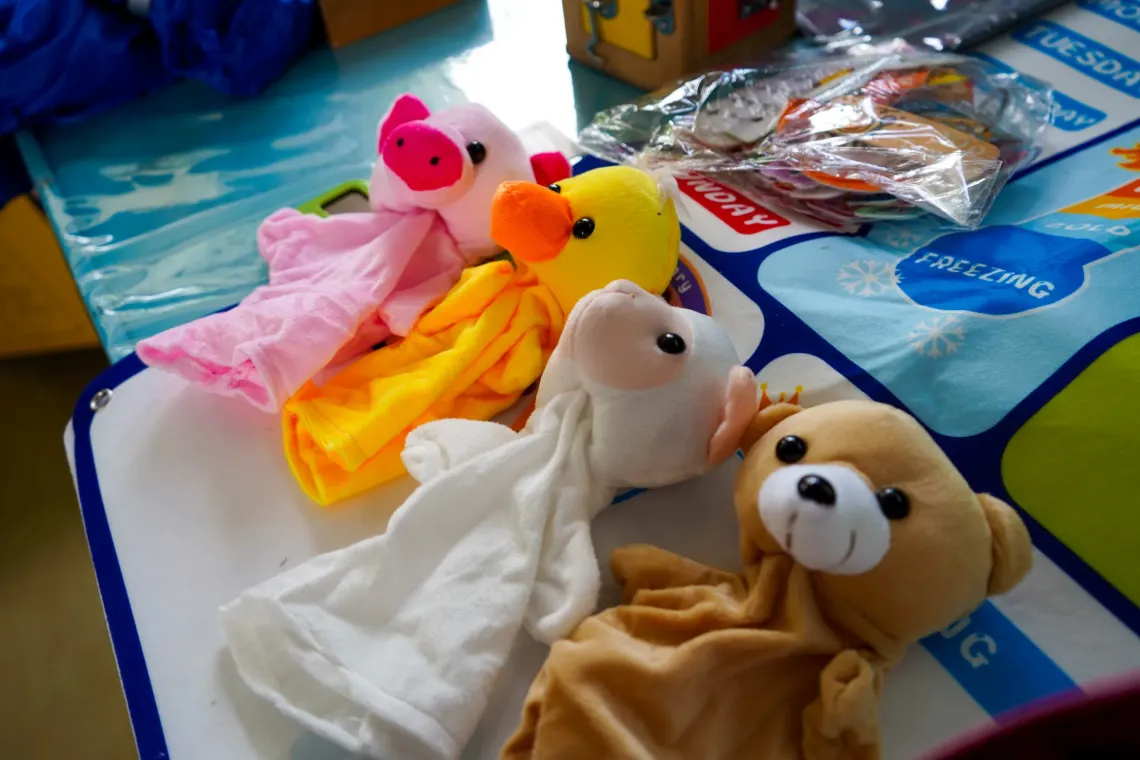
Inclusive Education at Scale
In 2025, UNICEF continued to champion inclusive education by supporting the expansion of therapeutic and inclusive learning environments that ensure every child, regardless of ability or learning need, has access to quality education and opportunities to thrive. Through strategic partnerships with the Ministry of Education, educators, parents, and communities, UNICEF strengthened efforts to create schools that are safe, supportive, and responsive to the diverse needs of learners.
Inclusive Education at Scale
Introducing 13 new Therapeutic Classrooms in Cayo and Toledo, supporting 204 children with developmental delays and disabilities. These classrooms demonstrate how successful interventions can drive national policy, including advancements in the Special Education Policy.
UNICEF also delivered Teacher Resource Packages to 100 classrooms across all districts, equipping teachers with tools to support English‑language learners, especially migrant children, and students with special needs. These resources benefited approximately 2,000 children, ensuring no child is left behind due to language or learning barriers.
These efforts contributed to a more equitable education system where children with disabilities and other learning challenges can access the support they need to learn, participate, and succeed alongside their peers. By investing in inclusive education at scale, UNICEF is helping to ensure that no child is left behind and that every learner has the opportunity to reach their full potential.
Investing in Early Childhood Education
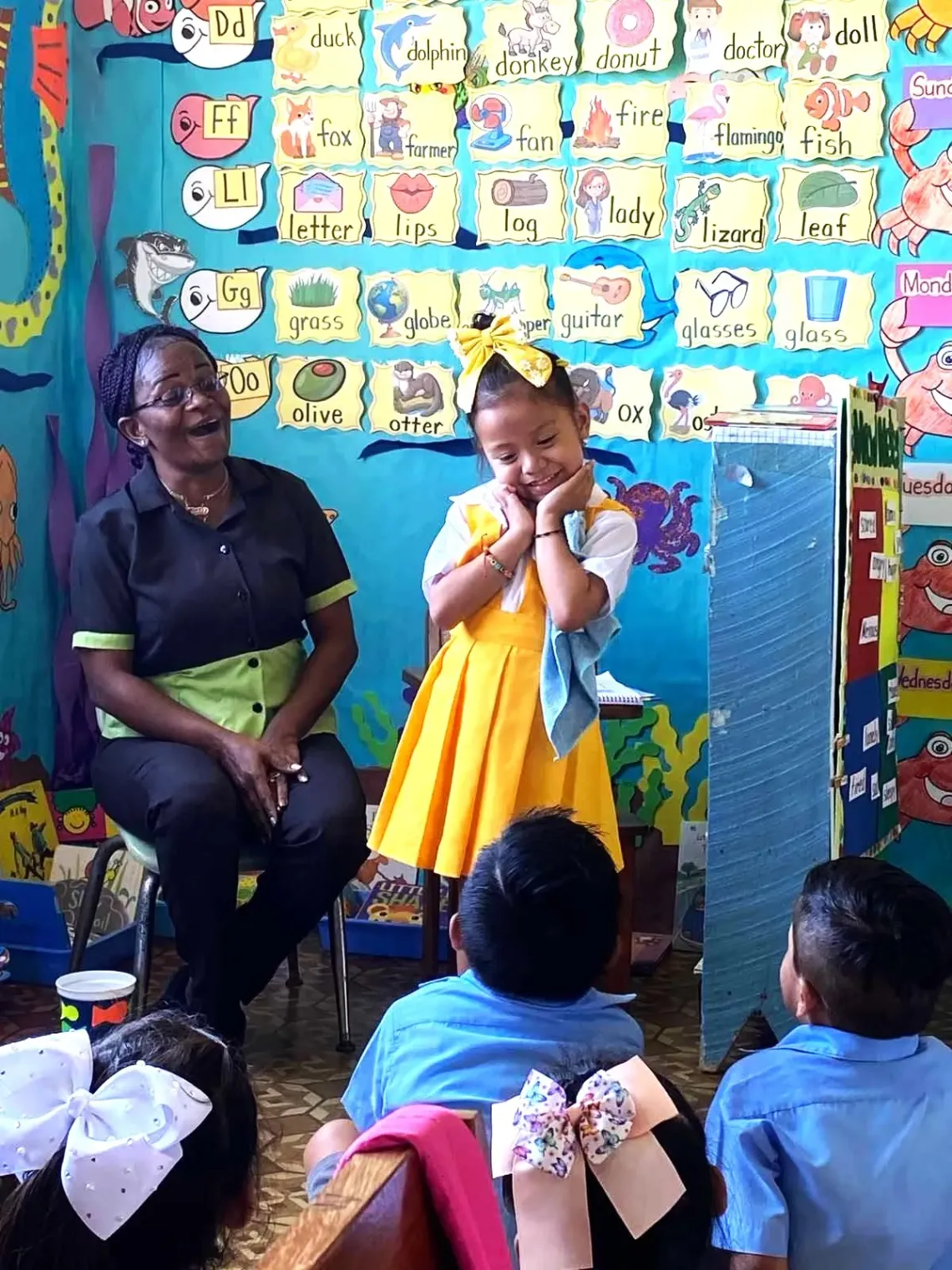
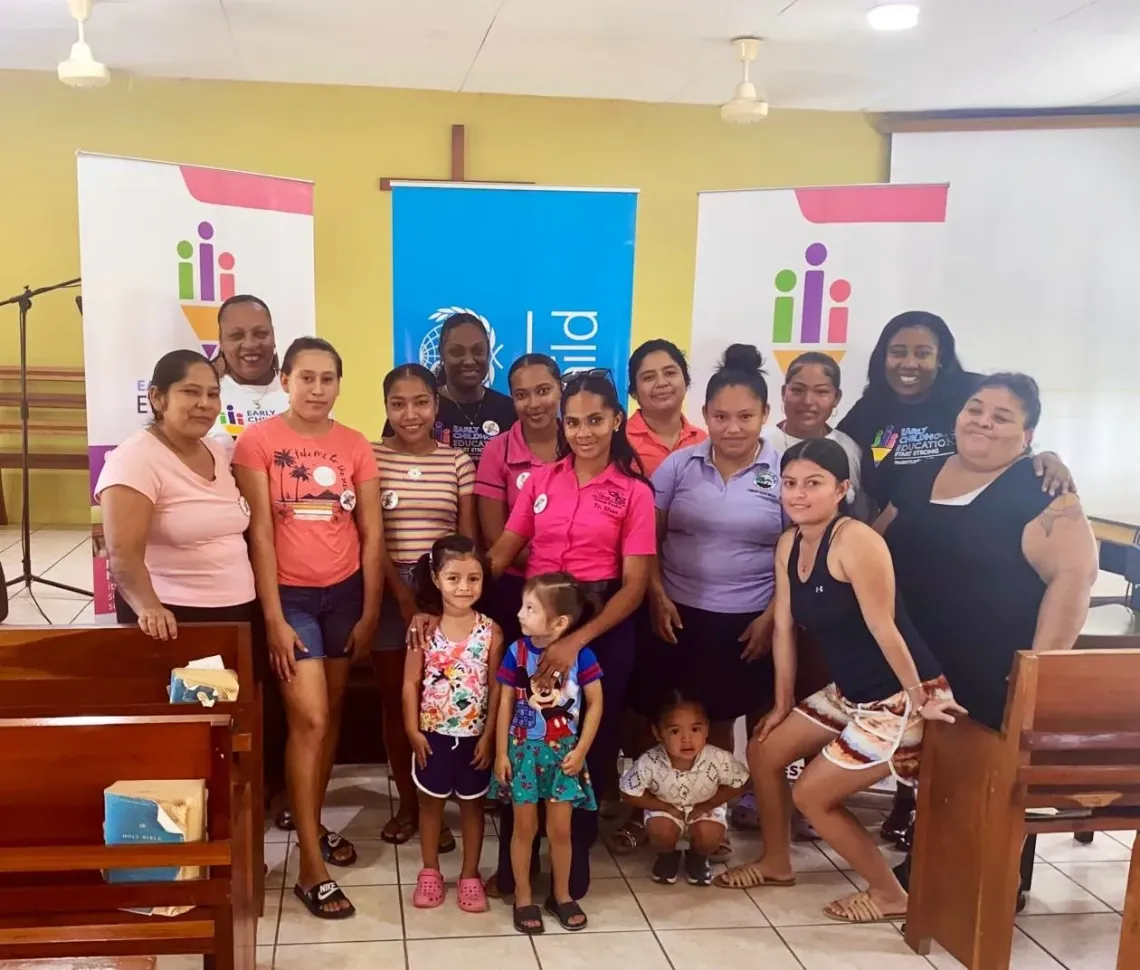
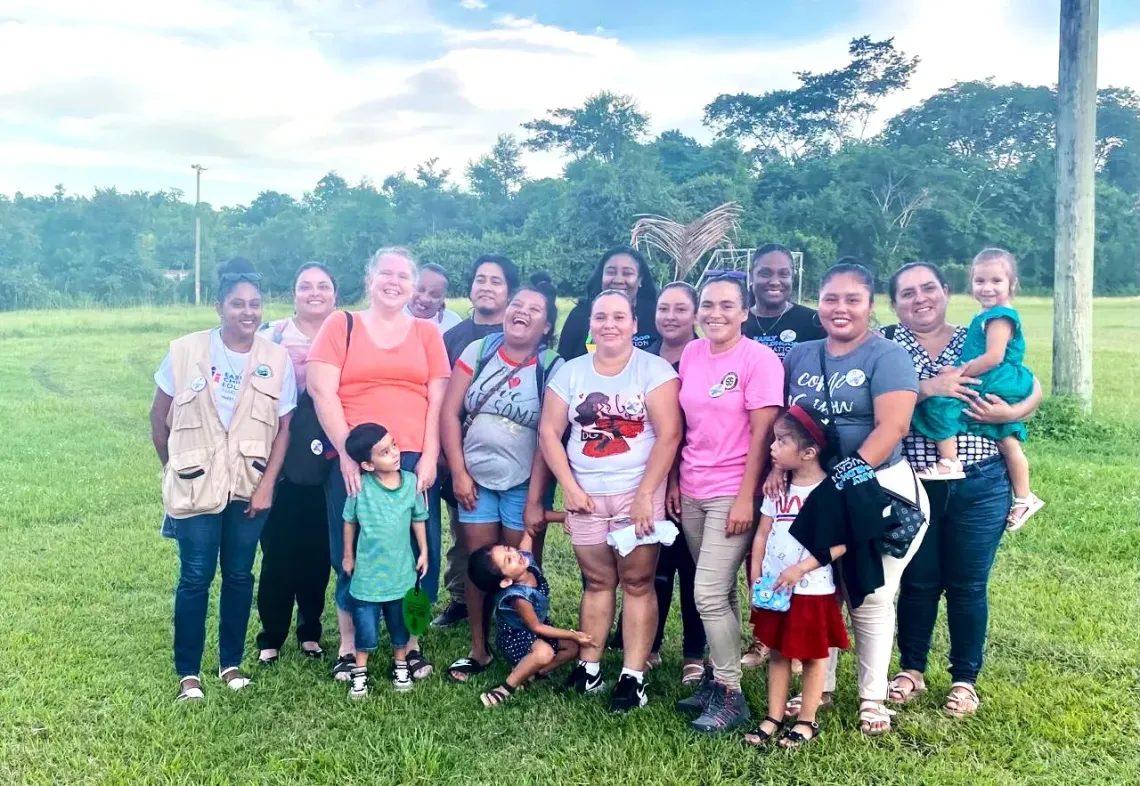
To boost enrolment and demand for early learning, UNICEF launched an Early Childhood Education behaviour‑change campaign in villages with high numbers of out‑of‑school preschoolers. Parents gathered in preschools, community centres, and health facilities to learn about early brain development and play‑based learning.
This initiative laid the foundation for increasing preschool enrolment by 20%, helping Belize strengthen the earliest stage of the education system where lifelong learning begins.
Creating child-friendly learning spaces for adolescents and youth
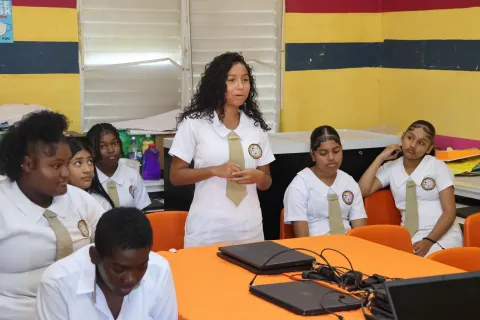
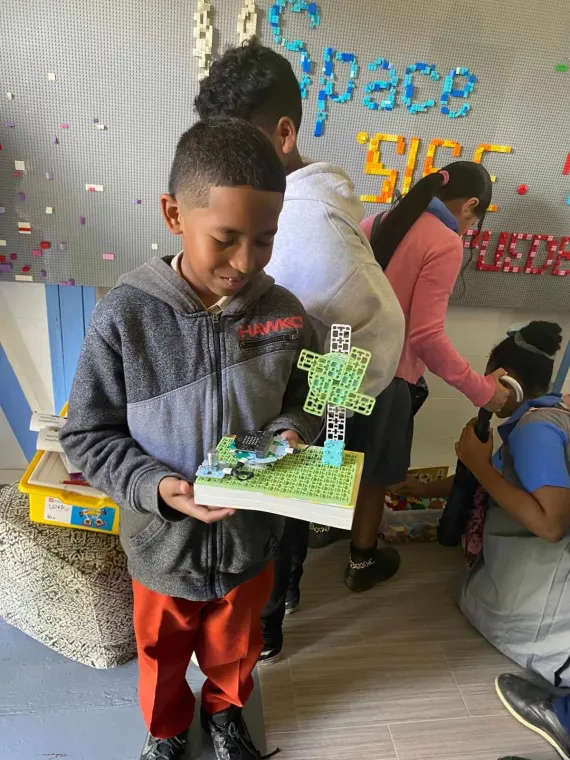
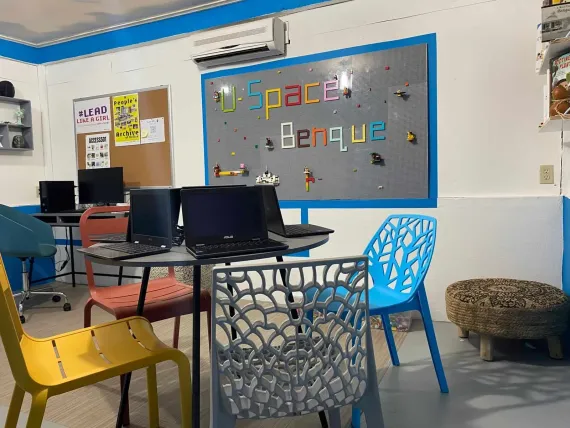
Beyond formal schooling, adolescents need safe, supportive spaces to socialize, learn, and build skills for the future. UNICEF helped expand USpaces, child and youth‑friendly digital hubs across all districts. These spaces provide:
- Safe environments for adolescents to learn
- Access to devices and connectivity
- Digital resources linked to national programmes like 501 Academy, Girls in ICT, and Code.org
USpaces are strengthening Belize’s learning ecosystem by offering adolescents a place to explore interests, develop digital skills, and connect with peers.

Accelerating digital transformation and connectivity for learning
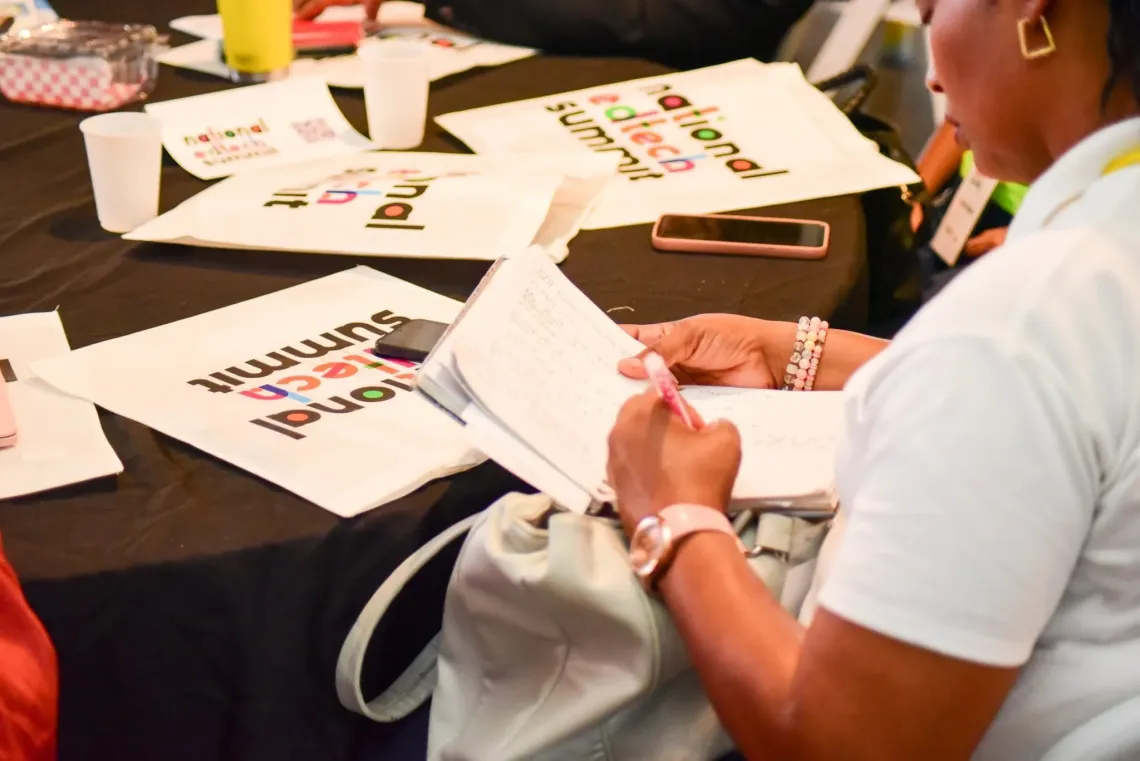
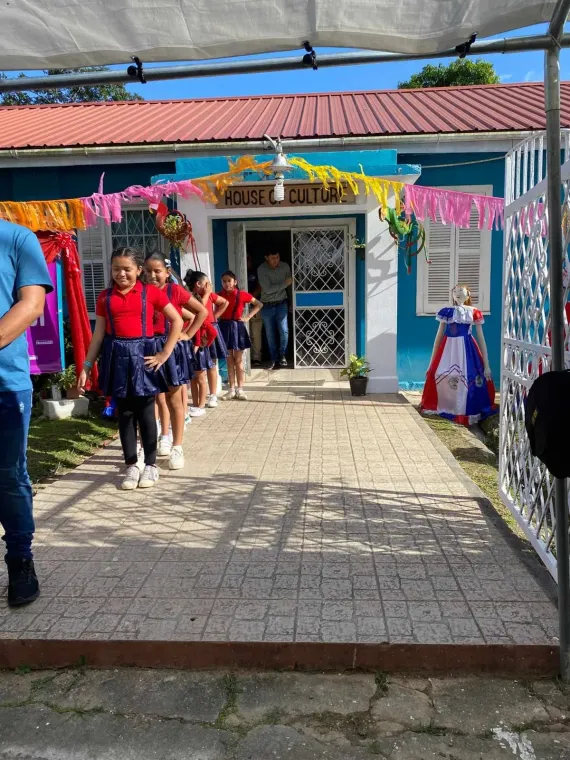
Digital transformation was one of the strongest areas of progress in 2025, with UNICEF supporting Belize to take significant steps toward a more connected, innovative and technology-enabled education system. Through strategic investments in digital learning, teacher capacity building and sector-wide collaboration, UNICEF helped create new opportunities for educators and students to leverage technology in teaching and learning. These efforts strengthened the foundation for integrating technology into education, equipping teachers with the knowledge and skills needed to enhance learning outcomes and preparing students to thrive in an increasingly digital world. Key milestones include:
Accelerating Digital Transformation and Connectivity for Learning
UNICEF supported the first‑ever National EdTech Summit, which brought together 275 educators from across the country to explore new digital tools and share classroom innovations.
Innovative Digital Learning Tools
UNICEF also helped develop and launch a suite of Belizean, culturally relevant AI and digital tools, including:
- Avatar Buddy
- 501Historian and Kriol 501Historian
- 501TeacherAssistant
These tools help preserve Belizean culture, support teachers in lesson planning, and enhance digital literacy.
Strengthening system level digital governance
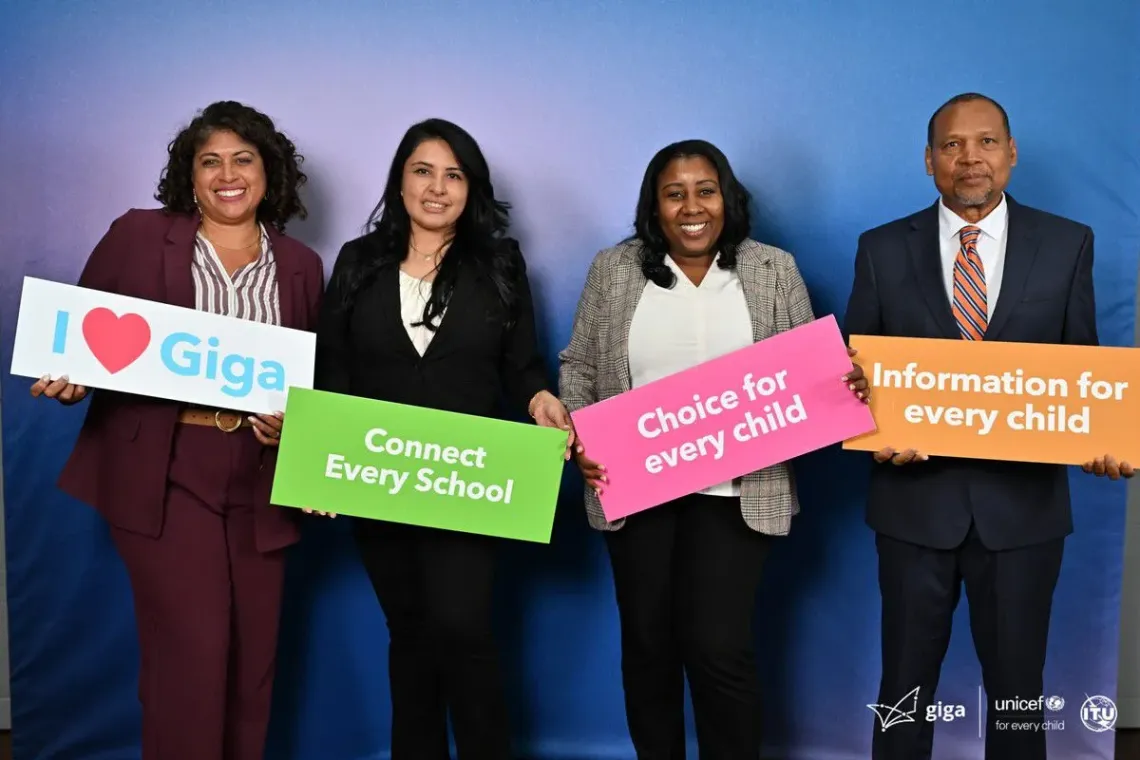
Belize received a US$1 million System Capacity Grant from the Global Partnership for Education (GPE), which UNICEF and MoECST used to co‑design the Strengthening Educational System Resilience Programme. This included:
- A nationwide evaluation of the Education Sector Plan
- Broad consultations with educators and communities
- The country’s first Joint Sector Review, a major milestone in coordinated system oversight and accountability
UNICEF’s leadership in digital transformation ensures that Belize’s education system becomes more inclusive, data‑driven, and resilient; capable of delivering learning even during shocks.
Building a resilient education system that can withstand shocks
The future of education in Belize depends on resilience. UNICEF supported:
- A Comprehensive Disaster Management audit, which identified system gaps in preparedness standards were met.
- Capacity‑building for 45 school principals, training 383 teachers, and supporting over 3,000 children through simulation exercises and safety planning.
These efforts ensure continuity of learning and child protection during emergencies.
A stronger system means a brighter future
UNICEF’s work in 2025 shows that system strengthening is not about one‑off projects but about institutional change, capacity building, and long‑term resilience. Across curriculum reform, digital transformation, inclusive learning, adolescent spaces, and early childhood education, UNICEF is helping Belize build an education system where:
- Every teacher is supported
- Every child is included
- Every village is connected
- Every classroom is resilient
- Every young person can thrive
This is how Belize moves closer to ensuring quality education for every child both today and for generations to come.