Healing hearts through creativity
UNICEF and NEMO collaborate for Return to Happiness Training
Helping children heal: The Return to Happiness program in Belize
When natural hazards strikes, children are often the most vulnerable emotionally and psychologically. Whether it's a hurricane, a flood, or exposure to violence, the trauma can leave lasting scars. That’s where Return to Happiness (RTH) comes in providing a psychosocial recovery program designed to help children aged 5 to 12 rediscover joy, safety, and emotional balance after experiencing a traumatic event.

Creative healing through play
RTH is built on a simple but powerful idea: children heal best when they can express themselves. Through drawing, storytelling, painting, singing, puppetry, and cultural activities, children are gently guided to explore their feelings of anxiety, sadness, and hope, in a safe and supportive environment.
These activities aren’t just fun - they’re therapeutic. They help children process their experiences, reduce anxiety, and begin to rebuild a sense of normalcy. Parents and caregivers are also included in the journey, receiving guidelines to support their children’s emotional recovery at home.

A structured path to recovery
The Return to Happiness (RTH) programme is not new to Belize. In times of crisis, including during the COVID-19 pandemic, it served as a vital tool for helping children cope with emotional stress and uncertainty. Through this initiative, trained practitioners provided psychosocial support and were empowered to care for their students’ emotional well-being during critical moments.
Today the Return to Happiness programme is being re-introduced as a key element under the child-centred shock responsive systems approach that support government entities to ensure children’s rights and needs are central to preparedness, response, and recovery efforts. This initiative has expanded well beyond its inception as it now includes the intersectoral partnerships for children protection and now includes the disaster management offices who employ emergency responders during crisis times.
To ensure partners are fully equipped to implement the programme during emergencies, targeted trainings are scheduled for key emergency responders in Belize City and San Pedro. These sessions are aimed at strengthening local capacity to respond effectively and protect children and families in times of crisis. The training program is led by trained coordinators and facilitated by adults who children already trust i.e. teachers, community leaders, social workers, humanitarian workers, and counselors.
Building capacities across Belize
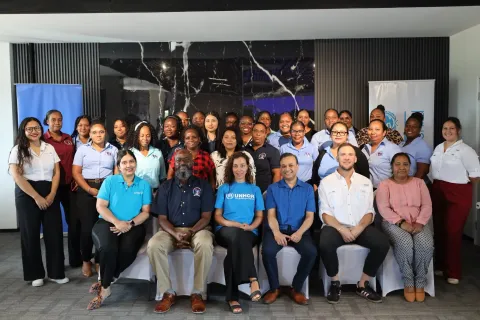
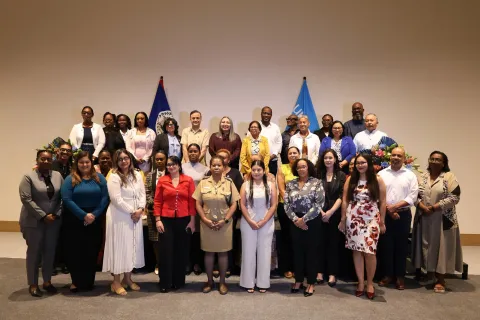
With support from UNICEF, the Government of Belize has already trained over 70 facilitators to deliver the RTH program across the country. In the latest round of training, UNICEF is partnering with NEMO to equip an additional 40 emergency responders from CEMO and the San Pedro Town Council with the skills to bring RTH to more communities.


In the recent National Youth Forum on Disaster Risk Reduction, in recognition of the International Day of Disaster Risk Reduction, the theme “Future Proofing Our Generation: Belizean Youth Driving Disaster Resilience” focused on the need for the integration of mental health programs in all aspect of disaster risk management. At the event, a call for increased capacity building initiatives on the Return to Happiness programme was championed by government officials, and the adolescents.
UNICEF is answering that call and has made significant investments to scale up this programme, recognizing the growing impact of climate change on the intensity and frequency of natural hazards. In the aftermath of these crises, children need more than shelter and food. They need emotional support! The Return to Happiness programme offers a pathway to healing, helping children not only cope but thrive. It’s a reminder that even in the darkest times, hope and happiness can return.