

The right to be treated fairly under the law
Ahan’s story reveals a system in urgent need of change
- বাংলা
- English
Six years ago. Ahan (name changed) was 17.
One afternoon in his village, he was with his friends, talking and passing time as teenagers often do, when police arrived. Without explanation, several young people were taken into custody. Before he could understand what was happening, Ahan found himself inside a cell.
“I didn’t even know why I was arrested,” Ahan says. “I had nothing to do with narcotics. My only mistake was being in the wrong place at the wrong time.”
Ahan was charged under the Narcotics Control Act, falsely accused of transporting illegal substances.
His family struggled to arrange bail money. After two months in detention, he was released, only for his bail to be withdrawn a year later. He spent another four months behind bars.
Under the Children’s Act 2013, cases involving children are meant to be resolved within 360 days of first appearance before the court. Ahan’s case stretched far beyond that. While others with stronger financial and social connections were acquitted, he remained entangled in a slow and confusing legal process.
“I had no friends there. I was sad all the time,” says Ahan. “My family knew I was innocent. My siblings visited when they could. That gave me strength.”
When he was released on bail for the second time, his freedom came with conditions. Every two months, he had to report to the police station. However, more difficult than the paperwork was the weight of public judgement. His neighbours, classmates, and friends kept their distance.
Ahan stopped going to school.
His story sits at a boundary that Bangladesh’s justice system has not yet learned to navigate. He entered the system as an accused – falsely charged, held without adequate legal support, and left without recourse while those with greater means walked free. With little legal support and changing lawyers, Ahan remembers feeling that he would never get justice.
In 2024, years after his first arrest, a probation officer identified his case and connected him with a UNICEF-supported social worker. For the first time, Ahan received consistent legal guidance and psychosocial counseling. His case began to move forward. Eventually, the false charges against him were withdrawn.
Ahan was free.
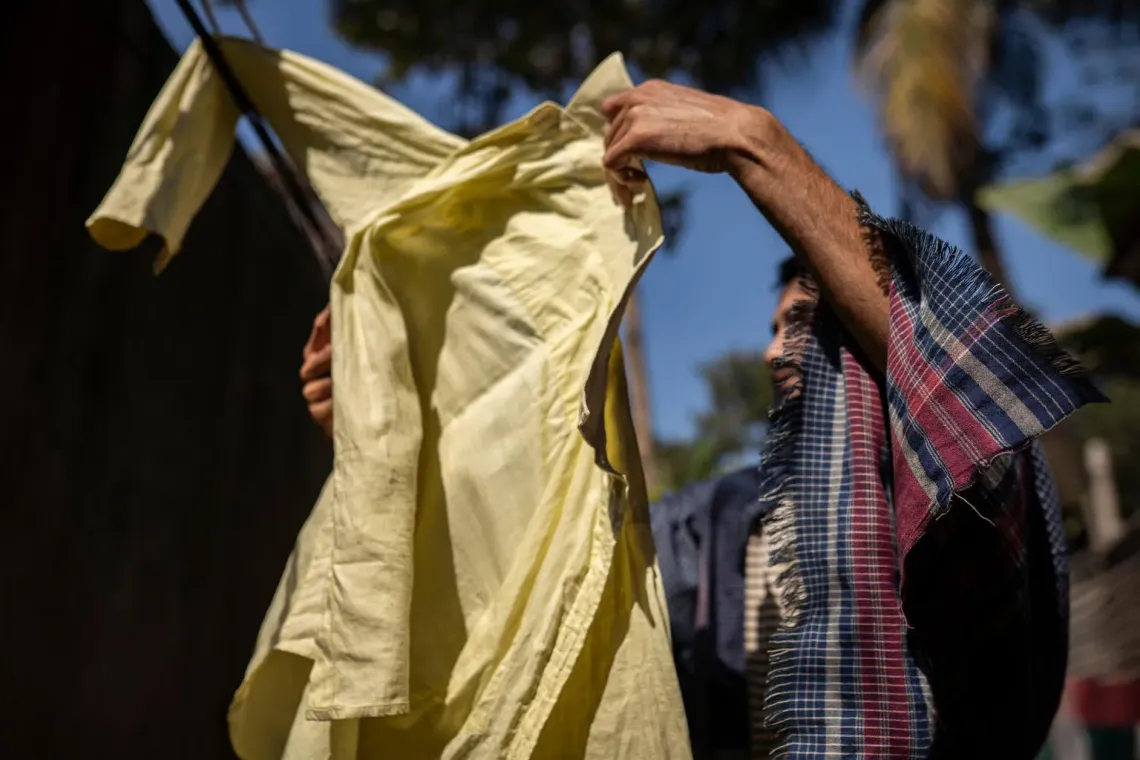
Ahan, who was 21 by then decided to start over again by following a cousin to Dhaka and found work in a shoe-making factory. The work is demanding, but it gives him stability.
One thing is for sure. He has not stopped dreaming.
“I hope that one day I will have my own business,” he says. “When I save enough, I will go back home and start selling clothes. I think I am good at it.”
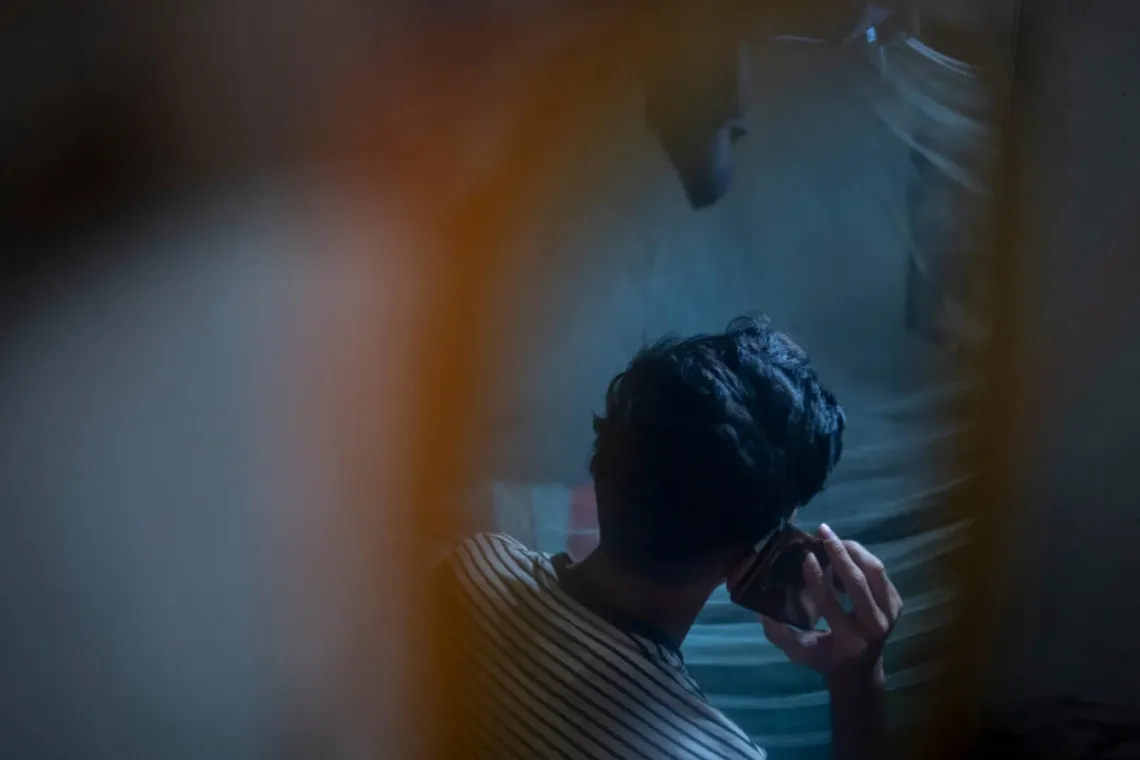
Ahan’s story is not unique.
For thousands of children in Bangladesh, contact with the justice system means detention, disrupted education, social exclusion, and lasting psychological harm – often before any legal outcome.
Children who are victims of crime face a parallel silence: no defined rights in proceedings, no mandatory support, no child-specific safeguards. With sustained investment, both failures can be addressed.
Recognizing the challenges around children’s access to justice in Bangladesh, UNICEF launched the Reimagine Justice for Children agenda in 2021, to transform how justice systems serve and protect children. UNICEF works with law enforcement, judicial authorities and the Government of Bangladesh to help strengthen the understanding and application of the Children’s Act 2013, promote release and diversion, and to ensure that every child’s best interests are placed at the heart of justice systems of Bangladesh.
For thousands of children in conflict with the law, these efforts can mean not having to lose years of their childhood, and being given a second chance to grow, learn, and thrive.

