A mother’s resolve to protect every child from polio
Working in one of the most challenging places, Sediqa ensures every last child is vaccinated
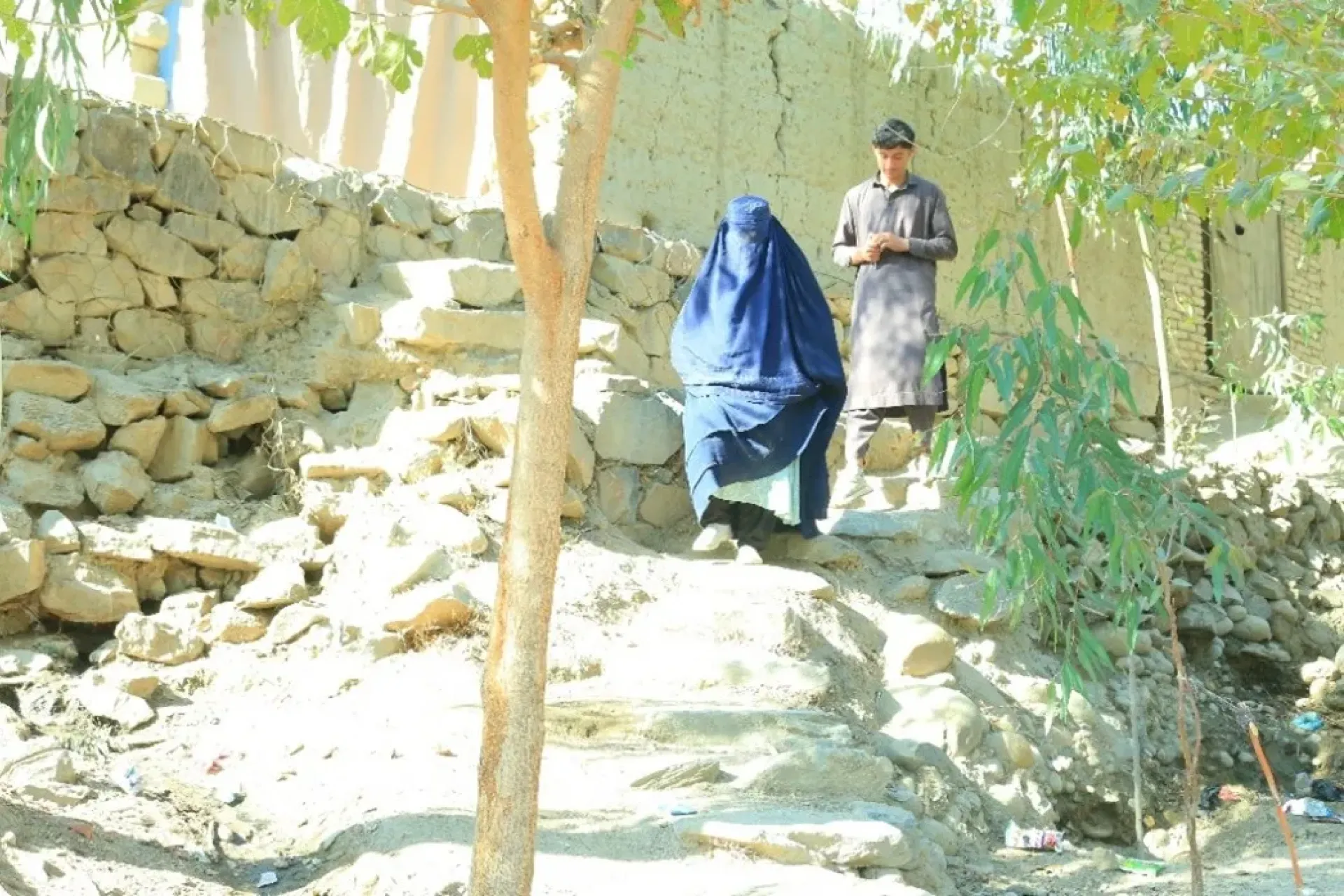
Every morning, just after eight, 45-years-old Sediqa Sharifi steps onto the narrow paths of Alishang district of Laghman province in eastern Afghanistan. She knows these streets by heart. She knows the doors, the families behind them, and the doubts that often wait on the other side. Sediqa meets them all the same way, with patience, respect, and belief that a conversation, handled with care, can protect a child from a lifetime of disability.
Sediqa completed her primary education in Kabul and later moved to Laghman with her family. Life became increasingly restricted, especially for women. While Sediqa’s father worried about her safety, her mother, however, never stopped believing in her.
“My mother used to tell me that education stays with you, even when everything else changes,” says Sediqa.
Over time, Sediqa’s determination softened her father’s doubts. Watching his daughter continue despite difficulties, his concern slowly turned into pride.
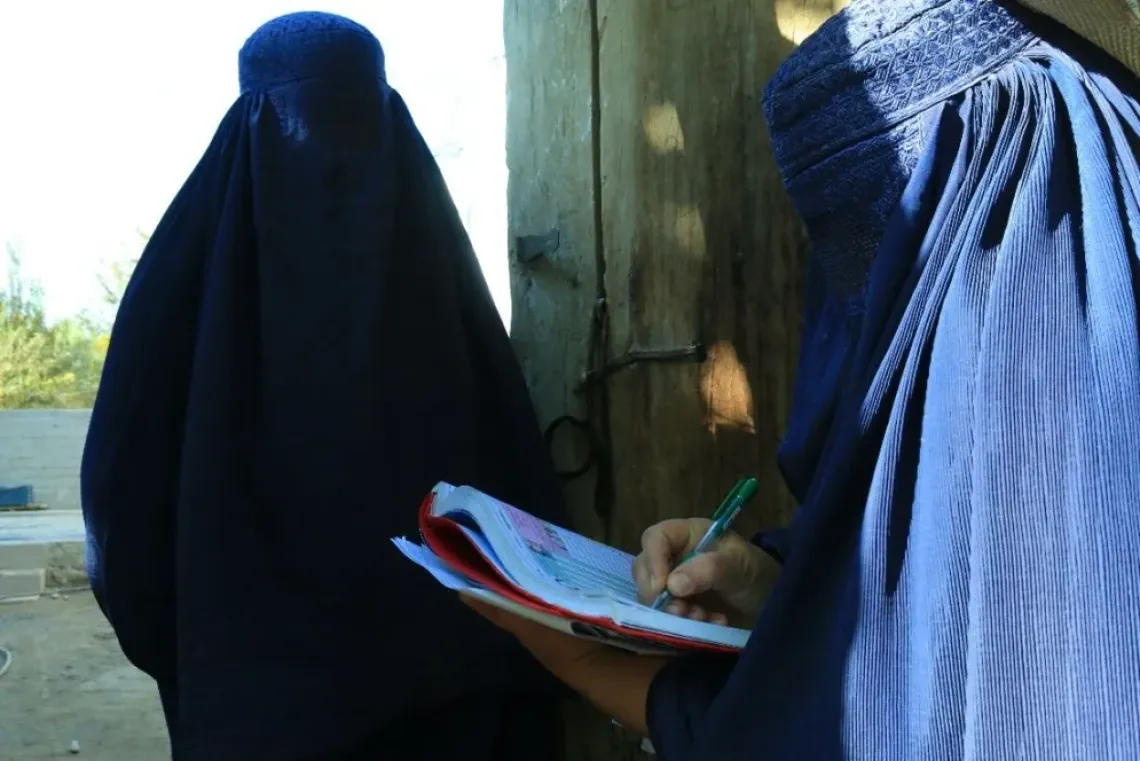
In Laghman, Sediqa trained as a midwife and later taught at a private school. These roles placed her beside mothers during their most vulnerable moments and taught her how to listen without judgment. For the past four years, Sediqa has been dedicating her time working as a social mobilizer - learning how trust is built slowly.
During vaccination campaigns, she visits up to 65 households a day. She asks about newborns, checks vaccination records, and listens to concerns that families may not voice to anyone else. Every child she meets is carefully noted in her register.
“No child should be missed,” she says. “If we do not see them, we cannot protect them.”
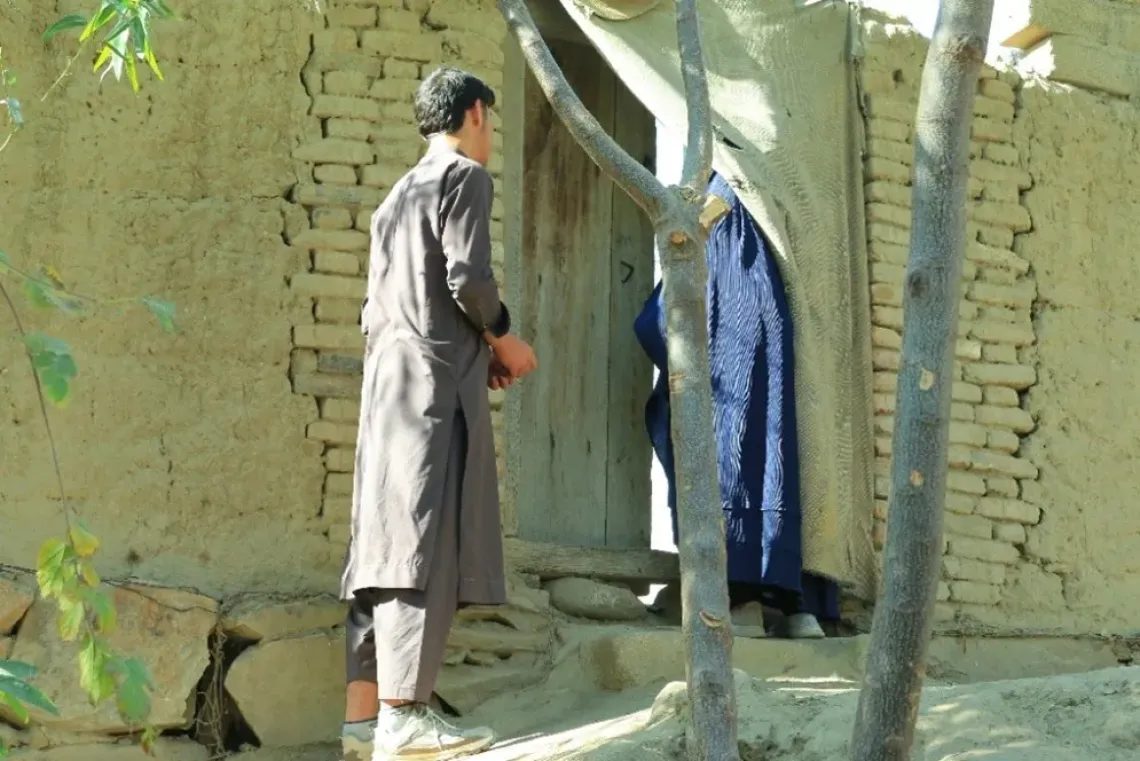
Some visits are harder than others. In one household, parents agreed to vaccinate their daughters but refused the polio vaccine for their only son. Rumors and fear had taken root. Instead of arguing, Sediqa explained calmly, using examples the family already trusted. She reminded them that disease does not choose between boys and girls. After a long discussion, the father agreed.
In another case, a man warned her not to return. Sediqa did not raise her voice or force the issue. She spoke like a mother, telling him she could not walk away knowing a child might suffer paralysis from a preventable disease. With support from community elders, the family later accepted vaccination.
“I talk to parents the way I want others to speak to me,” she says, “with care.”
Misinformation remains one of the biggest challenges. Some families question the vaccine safety or where it comes from. Sediqa explains patiently that polio has no cure and that vaccination is the only protection. Her background in midwifery reassures mothers who recognize her experience.
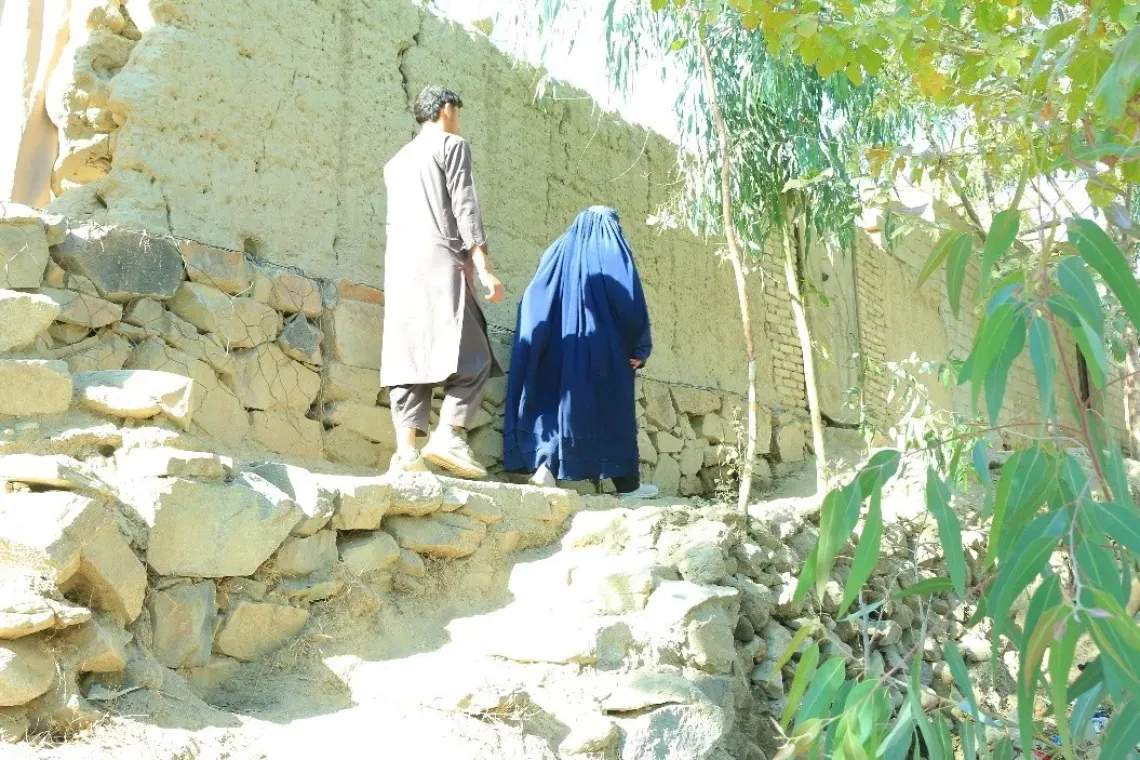
Thanks to generous funding from the King Salman Humanitarian Aid & Relief Centre, the Gates Foundation, Canada, and Rotary International, more than 15,000 social mobilizers like Sediqa work across Afghanistan to help families protect their children from polio.
For Sediqa, success is not measured in numbers. It is measured in trust gained, and fear eased.
“One day,” she says, “I want my children to know that we did our part to end polio in Afghanistan.”