Child Food Poverty
Nutrition Crisis in Early Childhood in Afghanistan

About
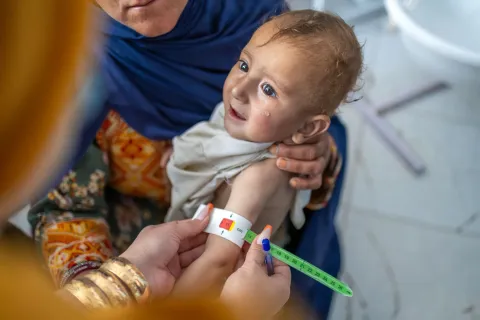
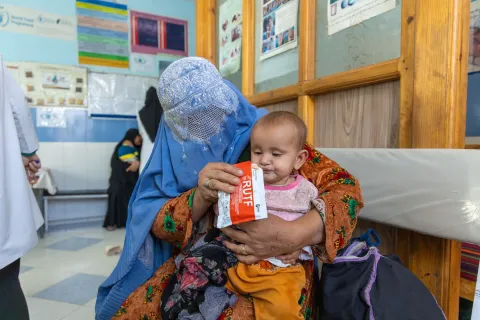
Afghanistan is facing one of the most urgent but under-addressed child nutrition crises in the world. As of 2025, 3.5 million young children suffer from wasting, of which 1.4 million are at higher risk of mortality. Surprisingly, over 85% of these children are younger than 2 years of age. Until now, much of our understanding and programmes has focused on the drivers and barriers of nutrition services—while the dietary needs of young children’s nutrition have been largely overlooked. The critical role of healthy diets during the first two years of life in preventing malnutrition has been underestimated and investment in food systems in Afghanistan have been insensitive to the nutritional needs of young children.
To unpack the unknown diets of young children, UNICEF – with support from the UK’s Foreign, Commonwealth and Development Office (FCDO) – undertook an analysis on the diets of young children in Afghanistan.
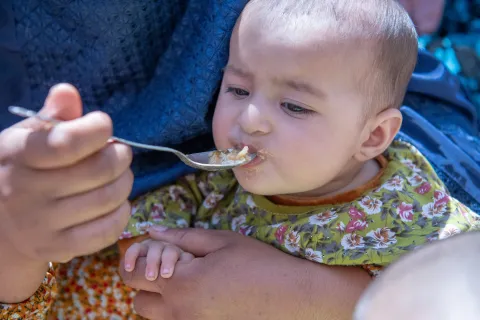
The Child Food Poverty Report for Afghanistan (2025) provides a deep dive into the diets of young children, including a comprehensive analysis of the scale, severity, and drivers and impacts of poor diets in early childhood. The report finds that 90% of children under two live in child food poverty, and nearly 50% suffer from severe food poverty, surviving on diets limited to just one or two food groups. This alarming reality contributes directly to soaring rates of wasting, stunting, and irreversible harm to children’s physical and cognitive development. Unless child food poverty is addressed in Afghanistan through a systems-based approach, child malnutrition will not be permanently ended.