From Training to Transformation
Strengthening Social Protection Systems Against Shocks.
- Français
- English
Tunis, 25 May 2026
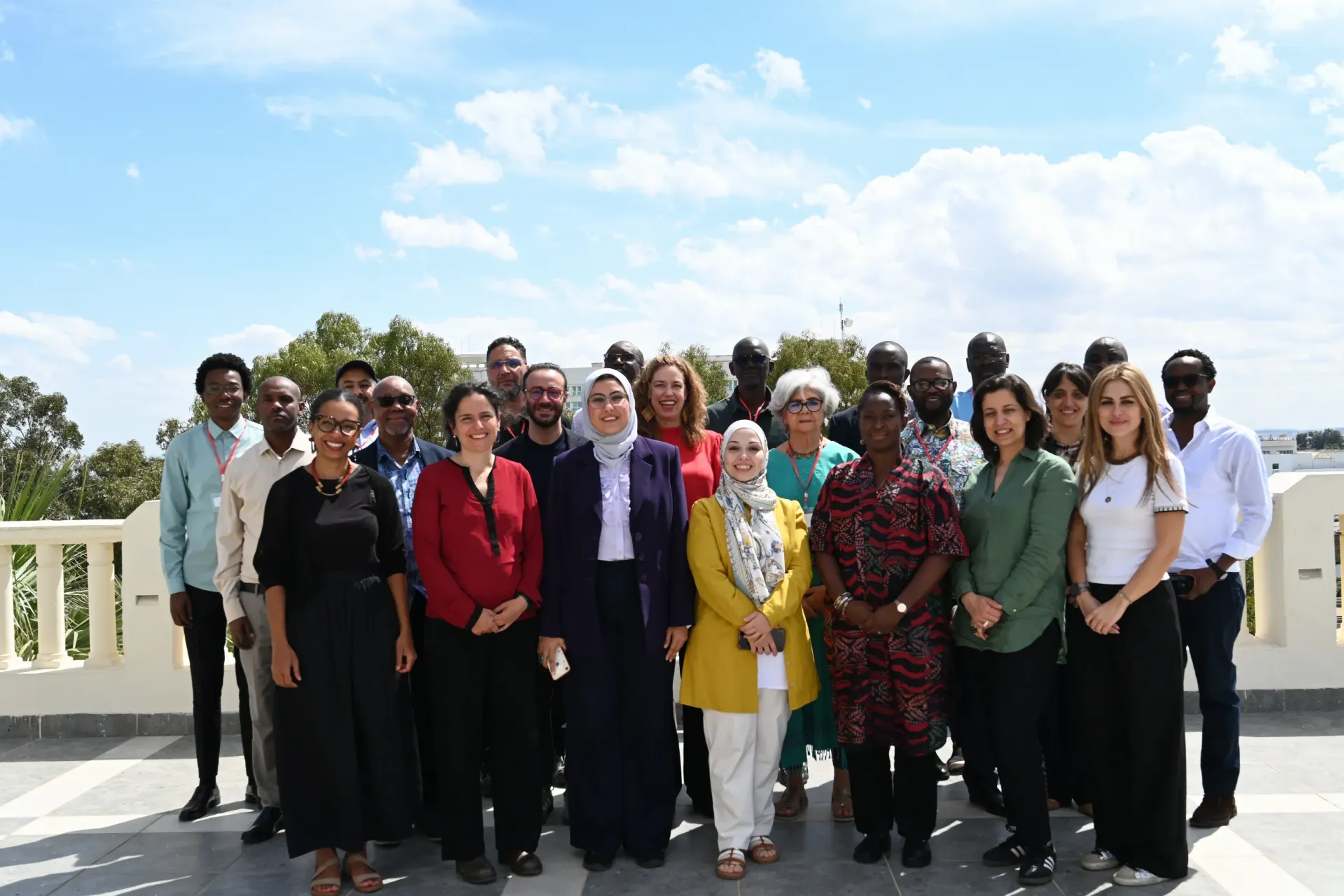
As climate shocks intensify and crises become increasingly complex, social protection systems must evolve. This week in Tunis, practitioners from across Africa and the Arab region gathered for an important milestone: the first joint Training of Trainers (ToT) on the revised Shock-Responsive Social Protection (SRSP) curriculum of the TRANSFORM programme.
Bringing together participants from 18 nationalities, the training reflects a growing recognition that today’s challenges—climate change, conflict, and displacement—require shared solutions and cross-regional learning.
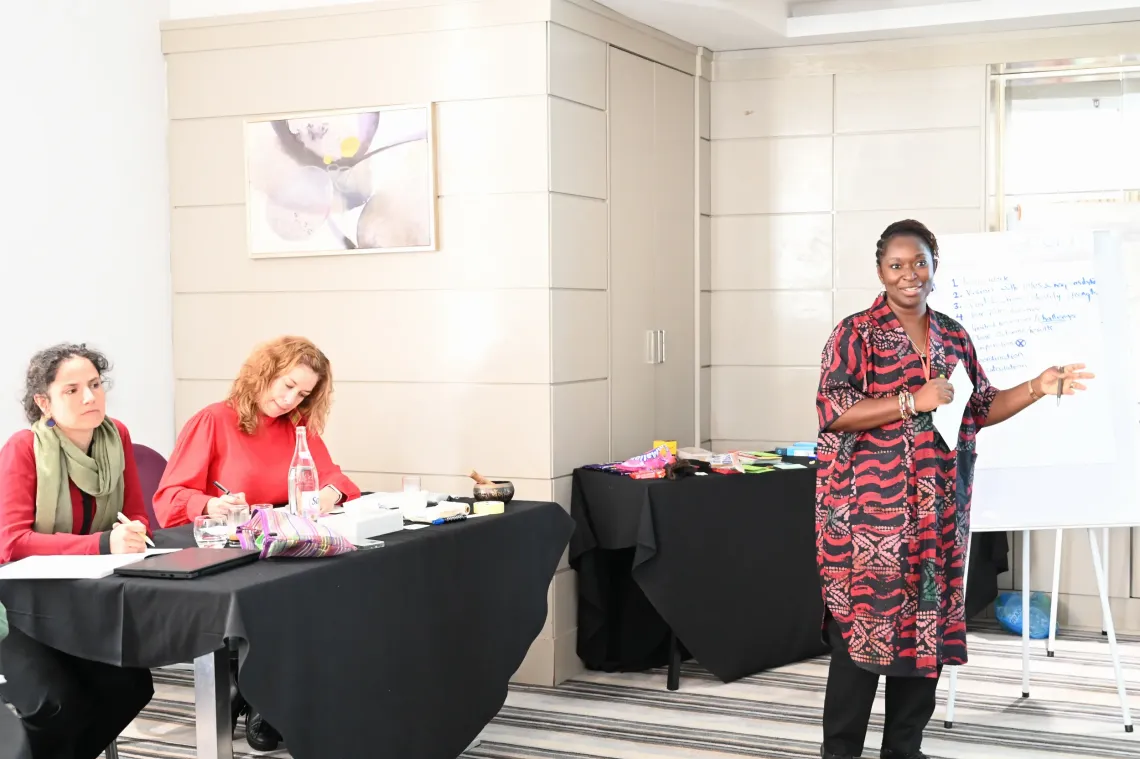
It’s a wonderful and enriching experience to learn from others; both from what has worked well in their countries and from the challenges they have faced.
The revised SRSP curriculum responds directly to these challenges. It now incorporates climate-adaptive social protection, conflict sensitivity, and the inclusion of displaced populations.
This training is important because the African and Arab regions are facing numerous challenges related to instability, climate change, and conflict. We gained valuable knowledge and experience through this training, which will help us work more closely with governments and other social protection stakeholders.
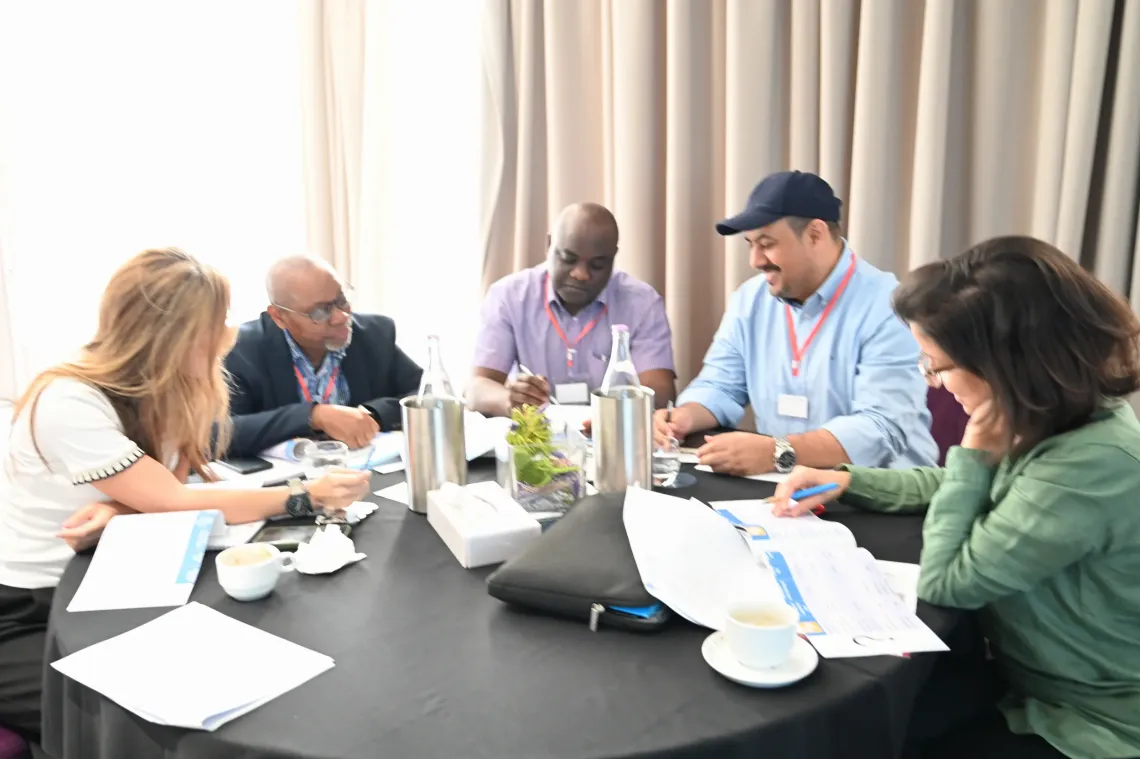
At the heart of this training is a simple idea: lasting change starts with people. Participants are not only gaining knowledge; they are becoming multipliers, equipped to share these approaches within their countries and institutions.
Hosting this training in Tunisia is particularly significant. Since 2021, the country has invested in strengthening social protection capacities, reaching hundreds of professionals and integrating TRANSFORM into national structures.
This week, the newly certified trainers will support the rollout of the revised curriculum across both regions, with implementation set to begin shortly in Tunisia. The aim is to strengthen social protection systems that are responsive to climate change and capable of anticipating and responding to increasingly frequent climate shocks. More resilient and inclusive systems are essential to protect children and their families, who are often among the first to be affected by climate crises, conflict, and displacement.
As risks continue to grow, the resilience of societies will depend on the strength of their systems. For children, this means better access to essential services, stronger support for families, and enhanced protection when crises occur.