Winter brings new threats for Gaza’s children
Flooding, cool temperatures and the spread of disease are compounding the dangers of devastating conflict.
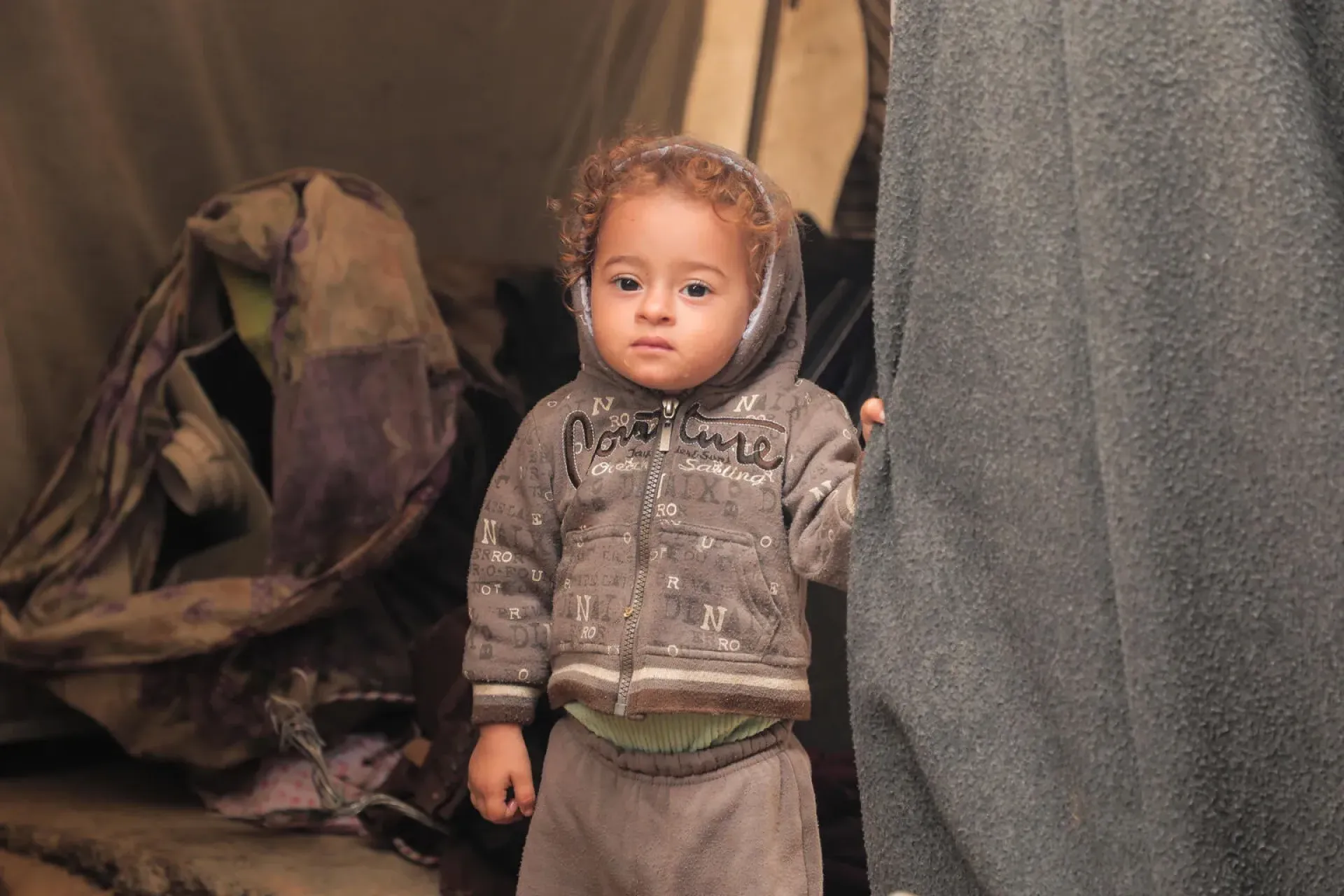
For the hundreds of thousands of displaced children and their families living in makeshift shelters across the Gaza Strip, the onset of winter has brought a dangerous threat to lives already hanging in the balance.
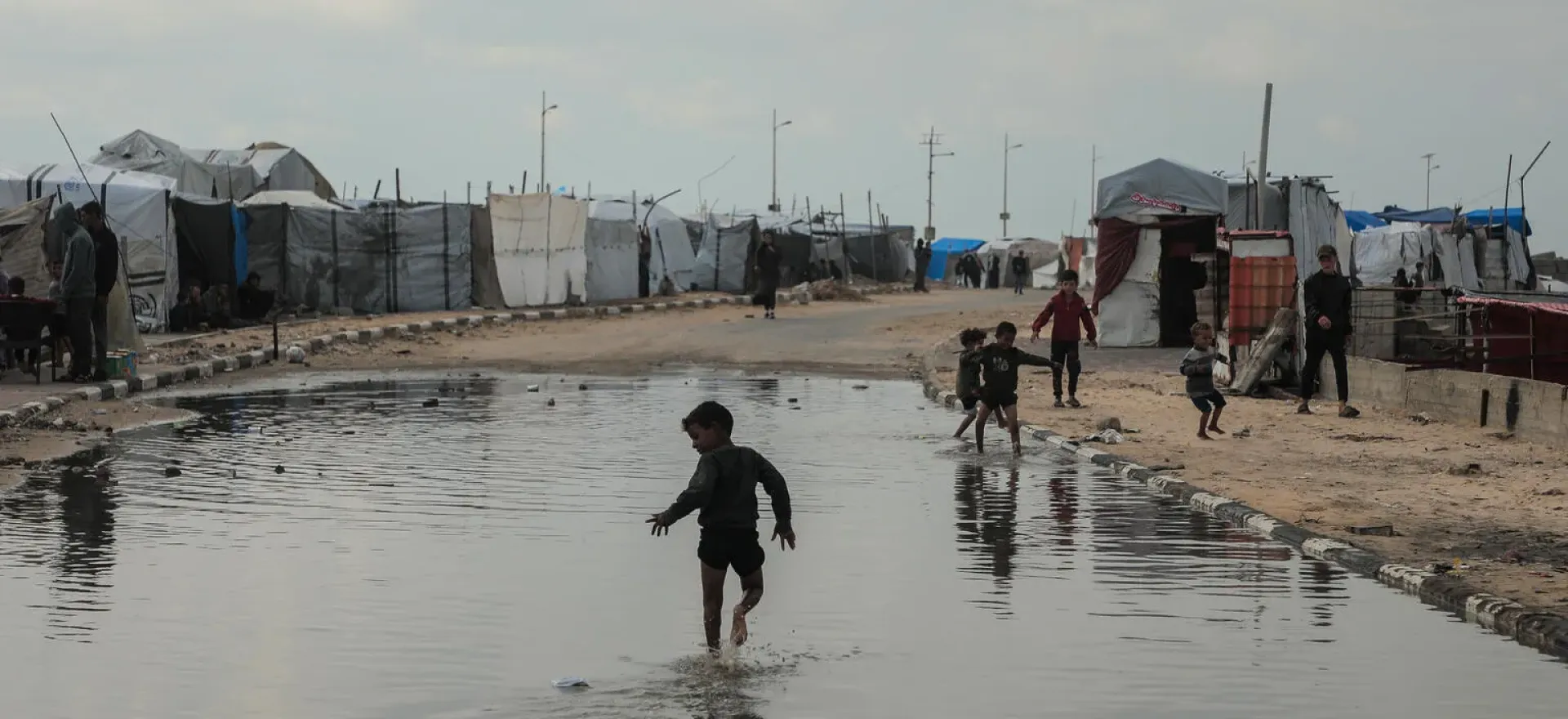
UNICEF/UNI901448/Nateel
With water and sewage systems decimated by conflict, heavy rains have washed unsafe water through populated areas – collapsing tents and saturating clothes and bedding.
The combination of overcrowding and poor sanitation creates a potentially lethal cycle, as cool temperatures increase the body’s energy needs at a time when resources are scarce. Without the warmth of blankets or the security of dry ground, the risks of hypothermia and waterborne illness have become a daily reality for children whose immune systems have already been weakened.
Through a series of images and personal accounts gathered following a storm in November 2025, UNICEF documented the impact of winter – the almost unimaginable challenges confronting families who have lost almost everything, and the tireless efforts of parents to protect their children in the face of the elements.
Maysaa says her family didn’t have time to gather any belongings when they fled the Al-Zaytoun neighbourhood of Gaza City. The tent they set up collapsed during a storm as it was lashed by wind and rain.

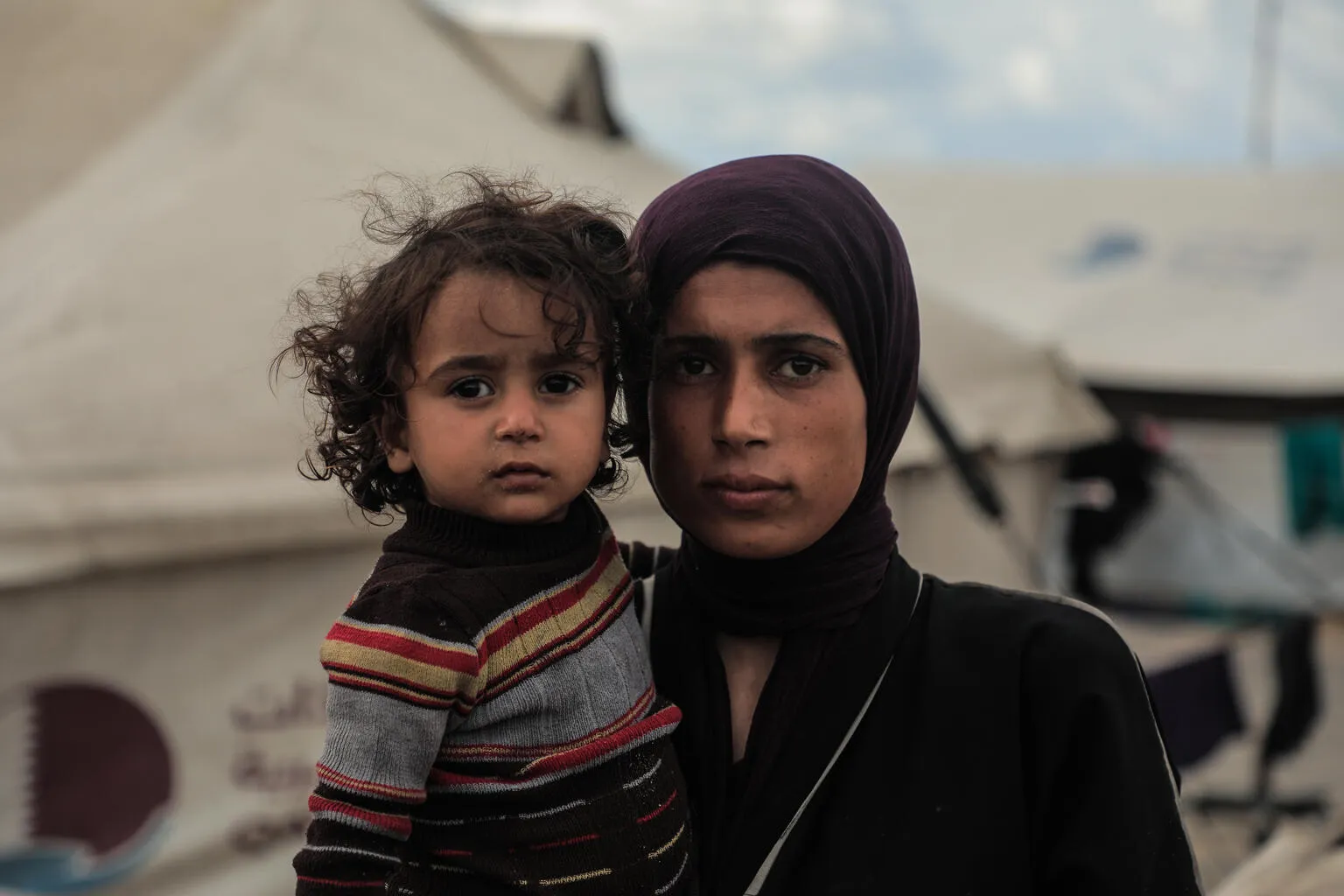

UNICEF/UNI901367/Nateel
“Water poured inside. My daughter has only two items of clothing. Both are soaked, so now she’s wearing shorts in this cold,” Maysaa says.
Malak has gathered with her family in the remains of a mosque on the coast.
“We couldn’t find anywhere else to go,” she says.
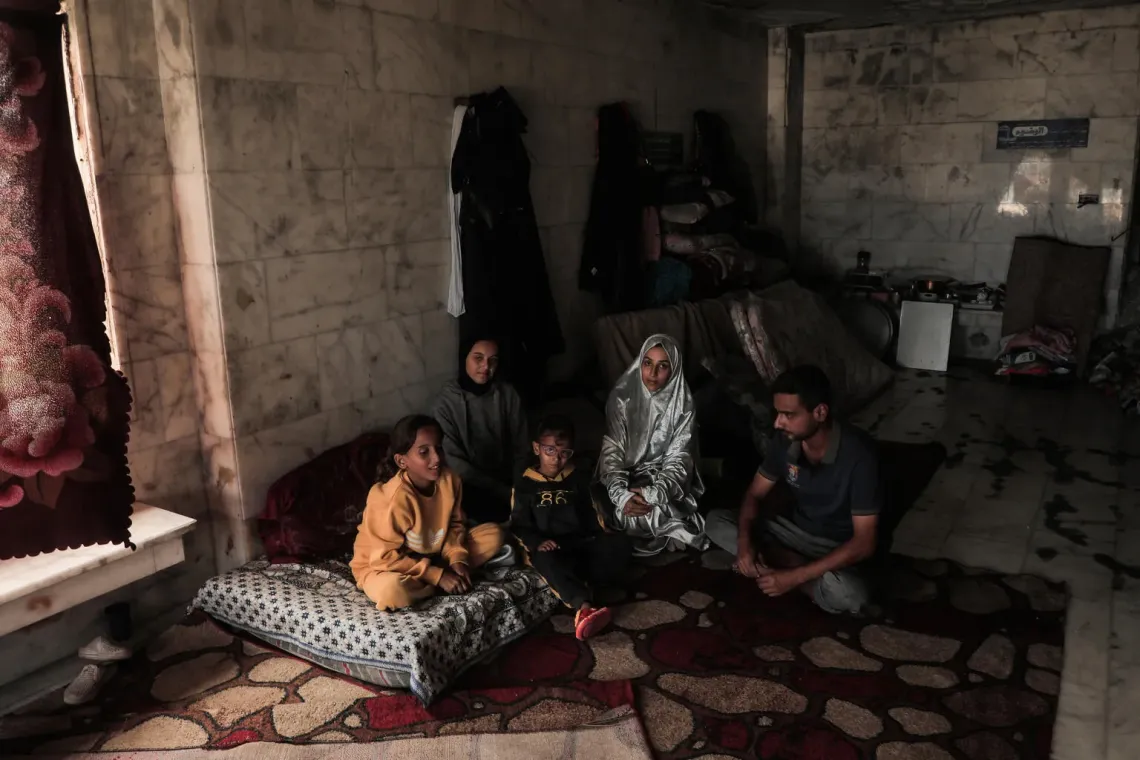
“We lost everything in the war – our home, even our tent,” Malak’s daughter Mayar, 14, says, adding that she’s scared the damaged mosque might collapse.

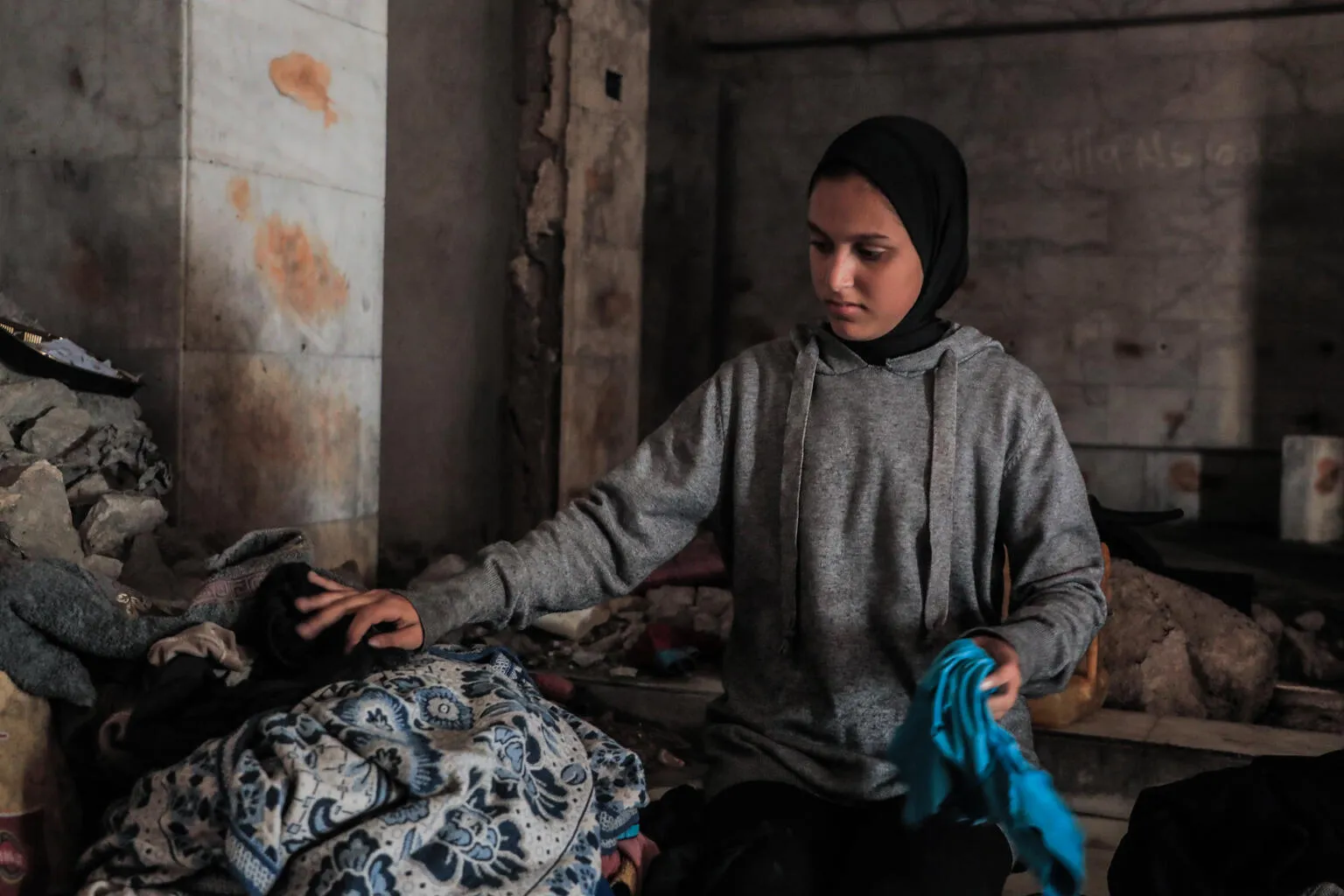

UNICEF/UNI901427/Nateel
“This morning, the rain entered through the cracks and soaked our mattresses and clothes. Before the war, I went to school and returned home to a normal life. We used to enjoy the rain,” Mayar says. “Now we try to get away from it.”
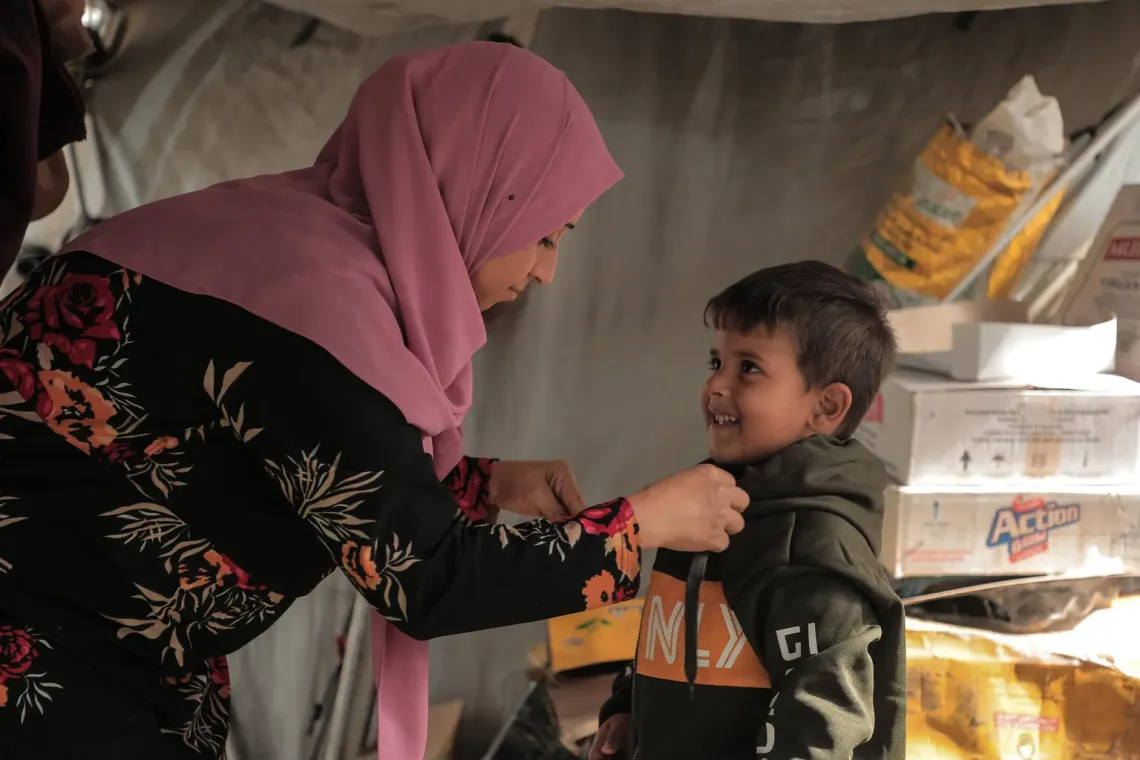
Samah says she had heard that there was a storm coming, so she tried to prepare the tent to keep her children safe.
“But the rain entered like a flood. I didn’t know what to do or how to stop it,” she says.
“I wish we at least had a caravan instead of a tent. After two years of war and tents, I’m exhausted.”
Bisan and her family were originally from Shuja’iyya. They have been displaced multiple times, finally ending up at the port in Gaza.
“This morning, heavy rain fell and water entered from every direction because the tent is torn,” she says.

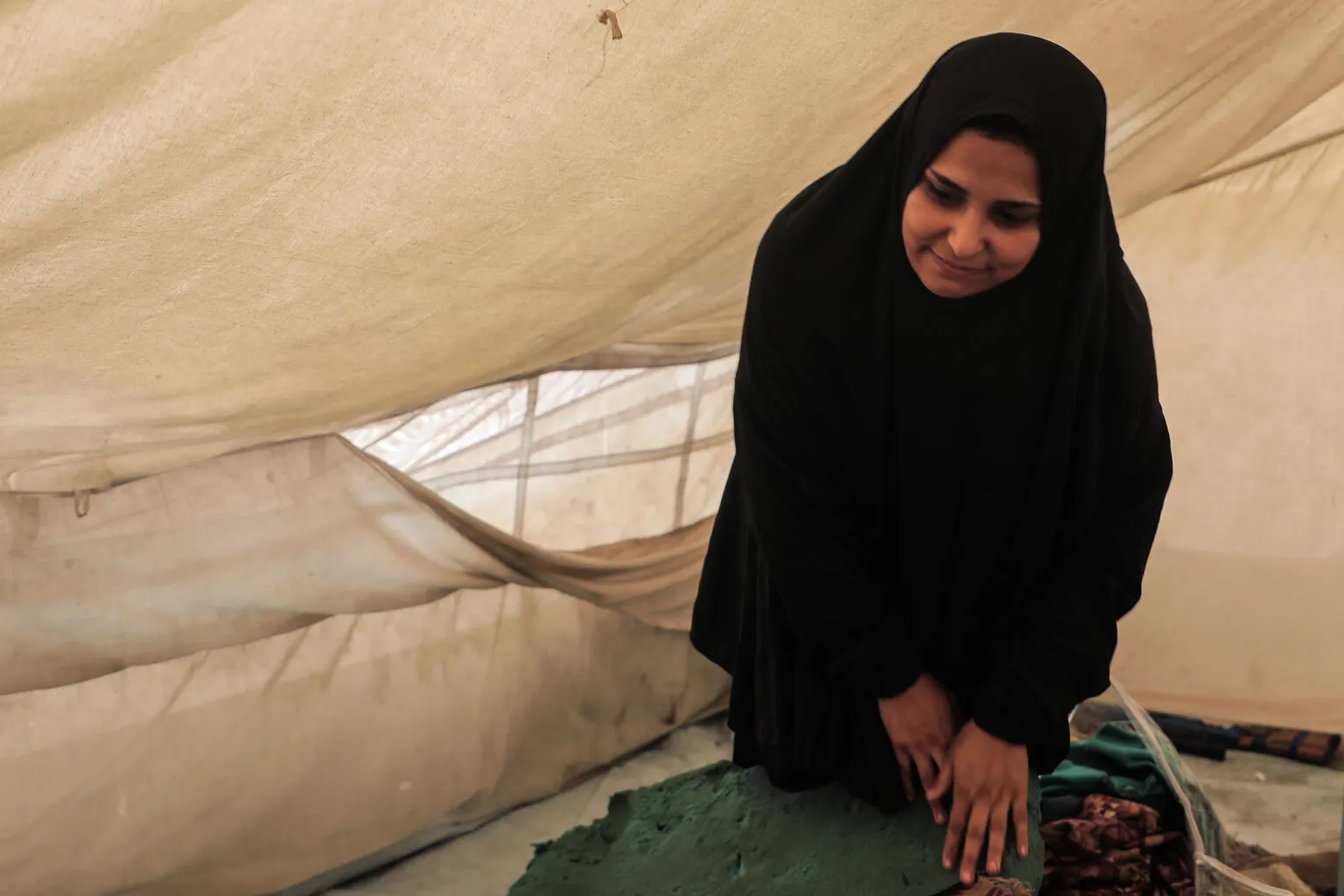

UNICEF/UNI901419/Nateel
“We quickly took the children to their grandfather, and my husband and I lifted the mattresses up to stop water from pouring in through the holes.”
Baghdad, 12, says her family’s tent was also flooded in the storm.

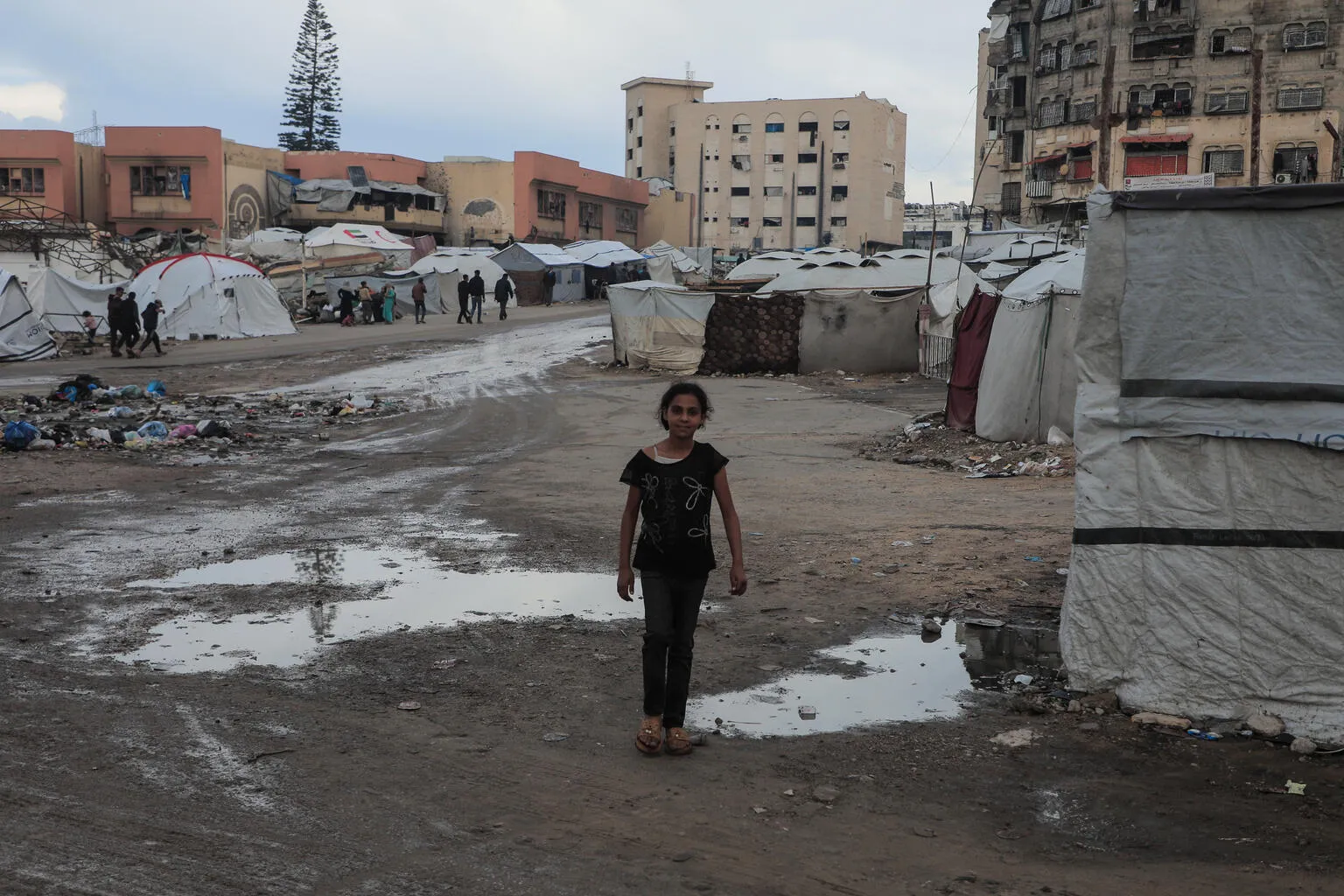

UNICEF/UNI901364/Nateel
“We kept trying to push the water out. Since the morning, we’ve been fixing the tent and drying our clothes,” Baghdad says.
“Before the war, winter was beautiful. We would gather as a family at night and drink hot sahlab.”
Since the announcement of the ceasefire in October 2025, UNICEF has brought thousands of family tents and hundreds of thousands of blankets and sets of winter clothes into Gaza as part of its winterization response.
UNICEF’s response this winter has included providing cash assistance to vulnerable families, pumping floodwater, reinforcing storm basins, clearing debris from streams and pipelines to prevent sites housing internally displaced people from being flooded.
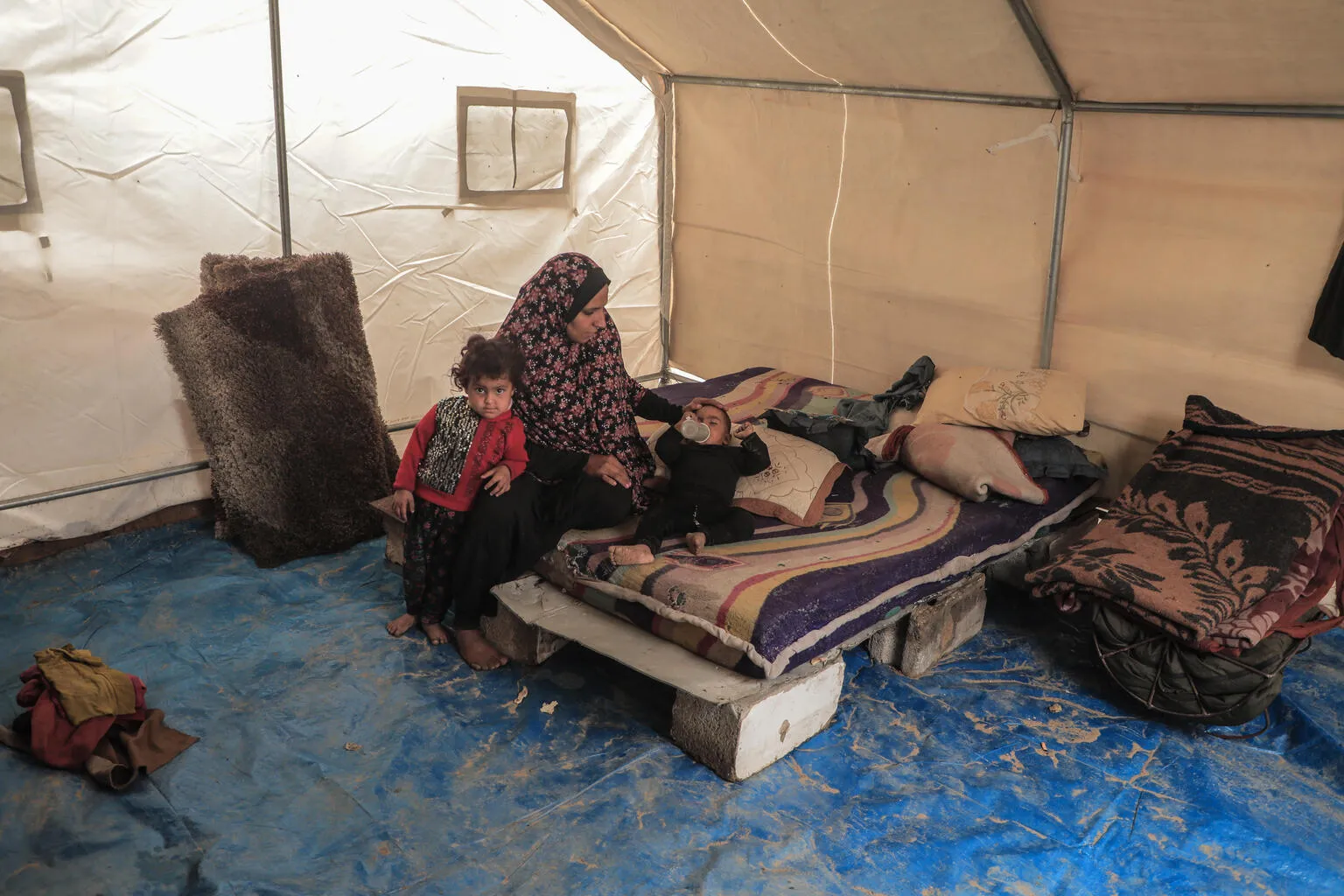
Suha, a mother of two, has spent the morning trying to get her family’s bedding and clothes dry after their tent was flooded.


UNICEF/UNI901343/Nateel
“Before the war, winter meant warm soup at home, and the children happily watched the rain through the windows,” she says. “Today, they fear it.”