

75 years of UNICEF
Making it possible for every child to enjoy their rights

In 1946, the world needed what UNICEF could bring to help children.
UNICEF was founded in the aftermath of World War II to provide humanitarian support to children across the globe, no matter who they are or where they’re from.
In the Philippines, UNICEF started working for children in 1948. Since then, we have been working closely with the Philippine Government and partners to strengthen and improve national policies, programs, and services to ensure that every child in the Philippines is able to enjoy all their rights.

Today, the world is once again facing an immense challenge as the COVID-19 pandemic continues. While children are not the face of the pandemic, they are among the most affected. As the world continues to grapple with COVID-19, the most vulnerable and disadvantaged children continue to be the hardest-hit by the effects of the pandemic.
The medium and longer-term effects of the pandemic on children’s rights and wellbeing will be felt in the coming years. As UNICEF commemorates its 75th anniversary, this is also a pivotal time to raise awareness and demand more action to address the most crucial needs of children today to ensure their survival, protection and development.
We need to reimagine a better and build a better future for children—a future where they enjoy all their rights.
Together, we can make this possible.
We have made it possible then.
We continue to make it possible now.
And we will continue to make it possible for the future of every child.
Building a better future for children after COVID-19
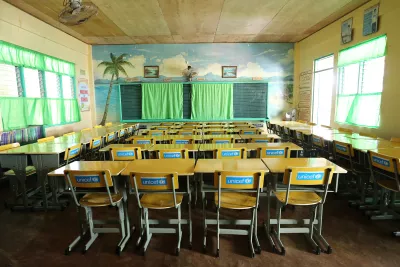
Safely reopening schools in the Philippines
UNICEF is supporting the Philippine Government in planning for the implementation of the pilot safe reopening of schools in low-risk areas in the country. In safely reopening schools, investments must be made to ensure that there are adequate facilities and protocols to prevent infection and transmission of COVID-19.
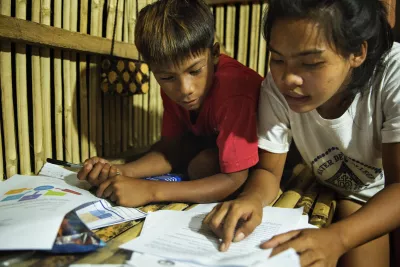
Improving distance learning
As reopening schools in the Philippines is in pilot phase, distance learning modalities both online and offline must be strengthened to focus on the most vulnerable and disadvantaged students. Without access to quality remote learning, children from the most marginalized communities pay the heaviest price.

Equitable access to COVID-19 vaccines
UNICEF is calling for equitable access to COVID-19 vaccines, so that the most vulnerable populations are protected. The sooner that all priority populations are vaccinated for COVID-19, the sooner can the world return to normal for children and they are able to access the services and programs they need.
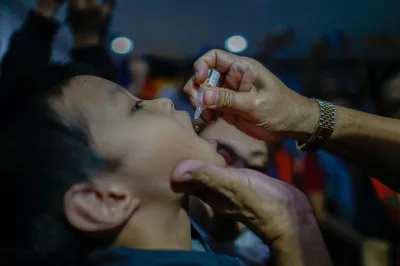
Strengthening routine immunization
Routine immunization services for children in the Philippines have been disrupted by the pandemic, contributing to declining coverage. Ensuring that all children complete routine immunization will not only protect them from life-threatening diseases like polio and measles, it will also prevent future disease outbreaks.

Mental health and psychosocial support
Children and young people could feel the impact of COVID-19 on their mental health and well-being for many years to come. But even before COVID-19, children and young people already carried the burden of mental health conditions, facing stigma and lack of services that can provide the support they need.

Protection from online violence, abuse and exploitation
Children in the Philippines already experience high levels of violence against them across different settings. As children spend more time online for learning and leisure during the pandemic, the risk and threat of online violence, sexual abuse and exploitation of children has also increased.