UNICEF in Action Against Measles in BARMM
For Every Child, Results
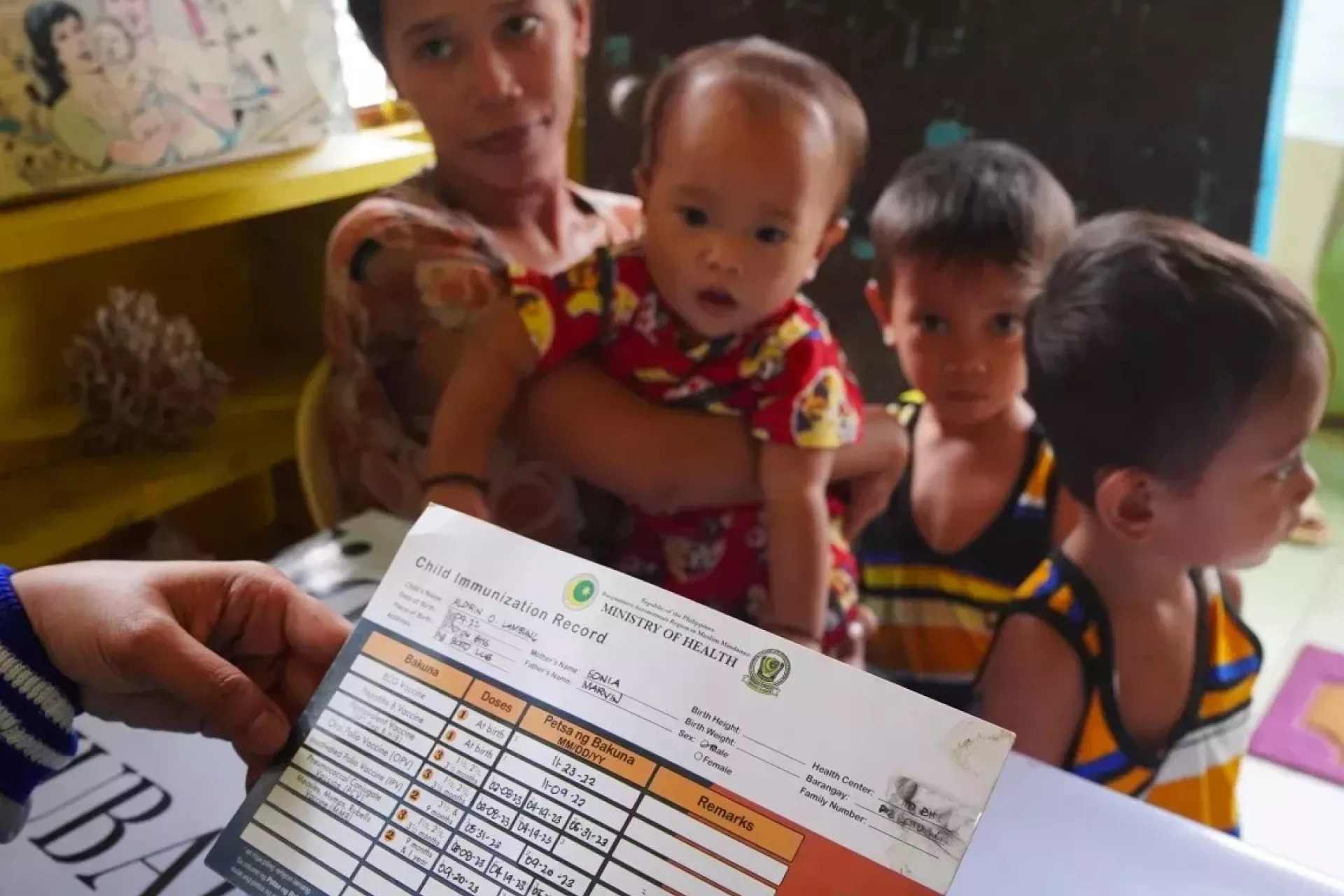
Early this year, the Bangsamoro Autonomous Region in Muslim Mindanao (BARMM), together with UNICEF, embarked on a Measles Outbreak Response Immunization campaign as measles cases in the region increased to more than 500 in the first quarter of 2024, which is half of the cases reported for almost the entire 2023. Through the combined efforts of various stakeholders – government partners, civil society organizations, religious leaders and youth groups – significant progress in combating the outbreak was achieved.
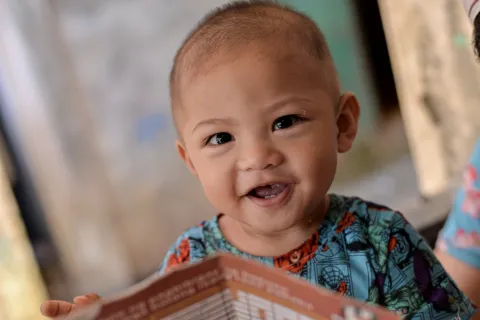
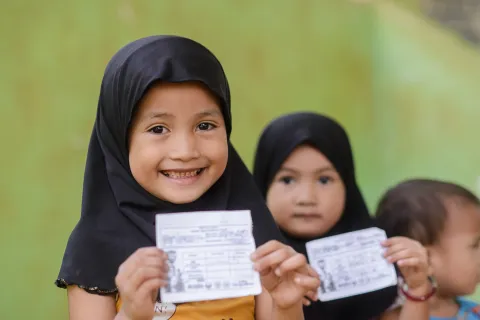
One of the most notable achievements was the vaccination of more than 1.2 million children aged 6 months to 10 years old in the entire region. Health workers conducted home visits to ensure that no child was left behind. Additionally, over 2 million doses of measles vaccines were procured, and additional social mobilizers were deployed to hardest-hit areas.
Muslim religious leaders and other partners played a crucial role in promoting immunization within the community, significantly decreasing vaccine hesitancy. Their involvement was instrumental in gaining community trust and support for the vaccination efforts.
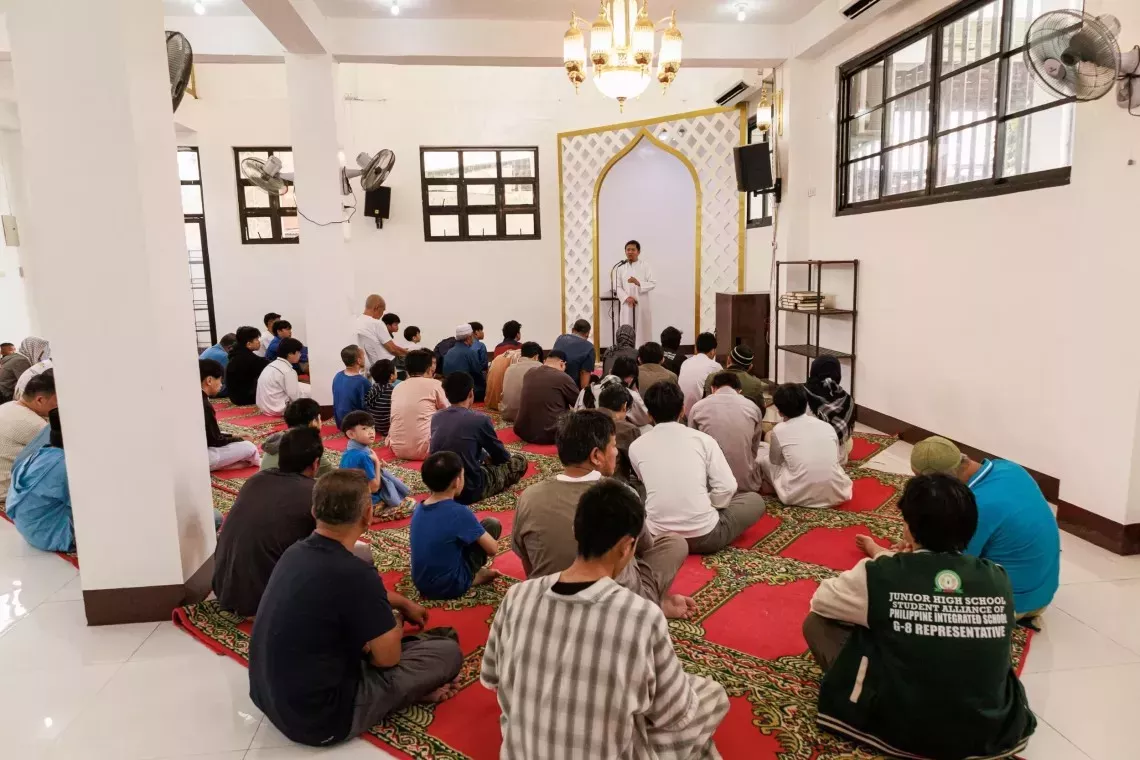
In collaboration with UNICEF and the Consortium of Bangsamoro Civil Society, the Ministry of Health conducted consultations and training sessions for more than 3,500 adolescents, youth, community members, and Muslim religious leaders. These leaders are now actively participating in house-to-house vaccination visits, further enhancing the reach and effectiveness of the campaign.
To enhance the storage and preservation of vital medical supplies and vaccines, particularly for the National Immunization Program (NIP), UNICEF provided six state of the art Walk-in Cold Rooms, one in each province one for the BARMM region, equipped with advanced temperature control systems and an automatic voltage regulator, ensuring consistent and reliable storage conditions. UNICEF also hired assistant NIP coordinators and Assistant Cold Chain Managers, who were assigned to the Ministry of Health and various provinces. They provided essential technical assistance in implementing the immunization response.
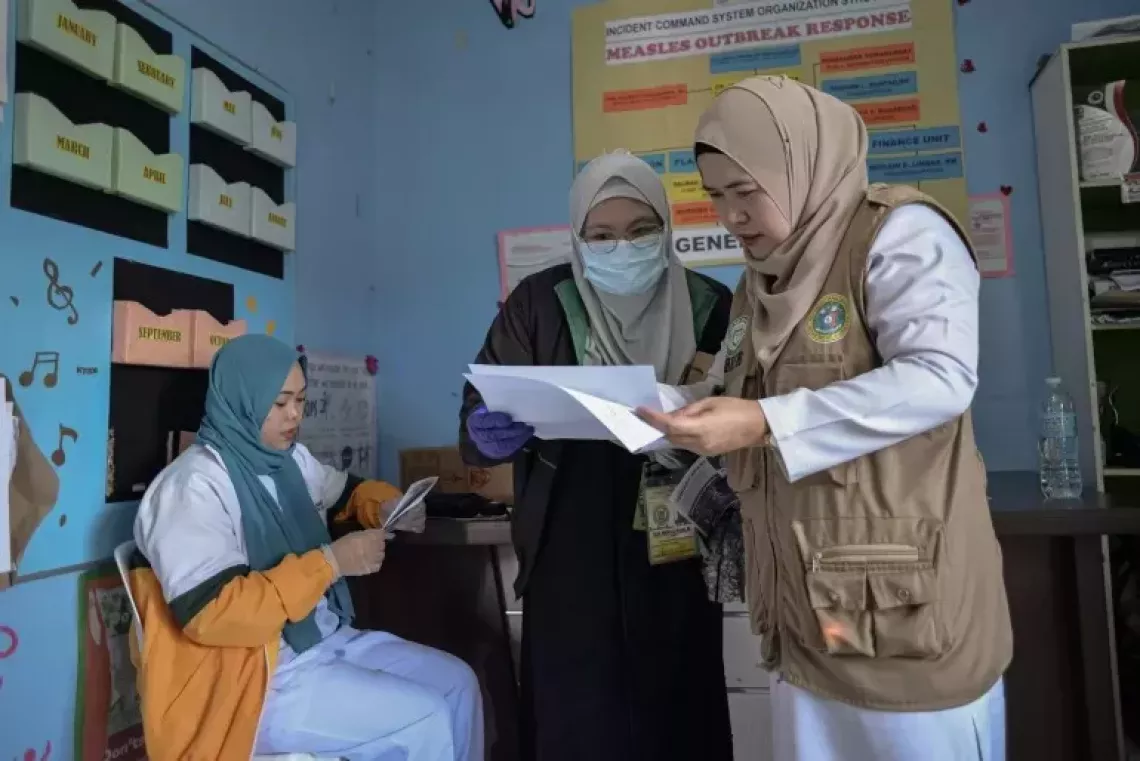
Despite these accomplishments, several challenges persist. Misconceptions and cultural beliefs continue to hinder vaccination efforts. “BARMM has the lowest vaccination rate among all the regions in the country, and this is partly because of beliefs, so we asked for help from Muslim religious leaders in clarifying misconceptions about vaccines,” says Amina Rafia Zeina Lim, UNICEF Social and Behavior Change Officer.
Logistical challenges, such as ensuring a consistent supply of vaccines and maintaining the cold chain in remote areas, remain significant.
What’s next?
UNICEF remains committed to continuing its technical assistance and investment in health infrastructure, including cold chain systems and healthcare worker training, to maintain and expand vaccination coverage in BARMM. Future community engagement and campaigns will focus on deeper collaboration between the community and local leaders to address vaccine hesitancy and misinformation.
Innovations, such as the Mobile Immunization Information System (Mobile IIS), will be key to reaching underserved populations and improving overall health outcomes. By leveraging technology and fostering strong community partnerships, UNICEF aims to ensure that every child in the Bangsamoro region is protected against measles.