Leaving no child behind: UNICEF helps DSWD’s Listahanan Project
UNICEF partnered with DSWD to ensure inclusion of the most vulnerable and hardest-to-reach children and families.
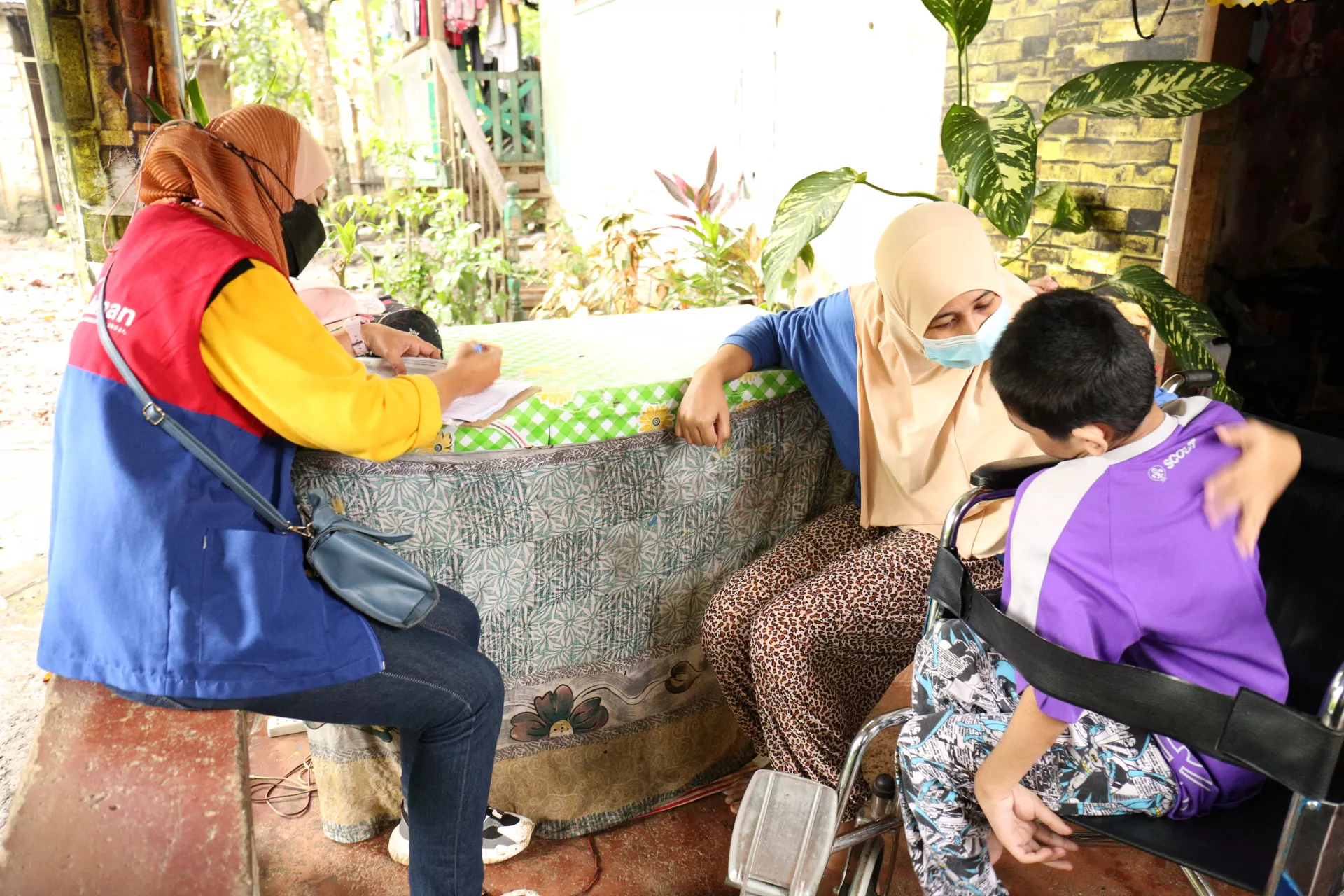
On this rainy Tuesday, dozens of enumerators from the DSWD troop to houses in one of the hardest to reach places in the Philippines, the island of Basilan. They are on the last leg of their work for the Listahanan, a comprehensive database of who and where the poor are in the country. The Listahanan is used as the basis in identifying potential beneficiaries for social protection programs such as the Pantawid Pamilya Pilipino Program (4Ps), PhilHealth, food-for-work, as well as programs at the local government level to help alleviate poverty.
Communities and COVID-19
“My husband got in touch with our barangay captain because we were not in the list posted in the barangay. We need help. My son needs maintenance and anti-epileptic medicines. Things got worse for us during COVID because my husband drives a tricycle for a living. With the lockdowns, we did not have any income. It was also difficult for my son to see a doctor,” Mishael shares, gently stroking her son’s hair.
As a way to ensure inclusion of the most vulnerable and hardest-to-reach children and their families, UNICEF partnered with the DSWD to help address grievances submitted to Listahanan. During the validation and finalization phase, the initial list of poor households is posted in common places in the barangay for the community to review. Households who were not visited during the regular data collection phase are given the opportunity to appeal and be assessed.
“My husband got in touch with our barangay captain because we were not in the list posted in the barangay. We need help. My son needs maintenance and anti-epileptic medicines. Things got worse for us during COVID because my husband drives a tricycle for a living. With the lockdowns, we did not have any income. It was also difficult for my son to see a doctor”
Accurate data for better results
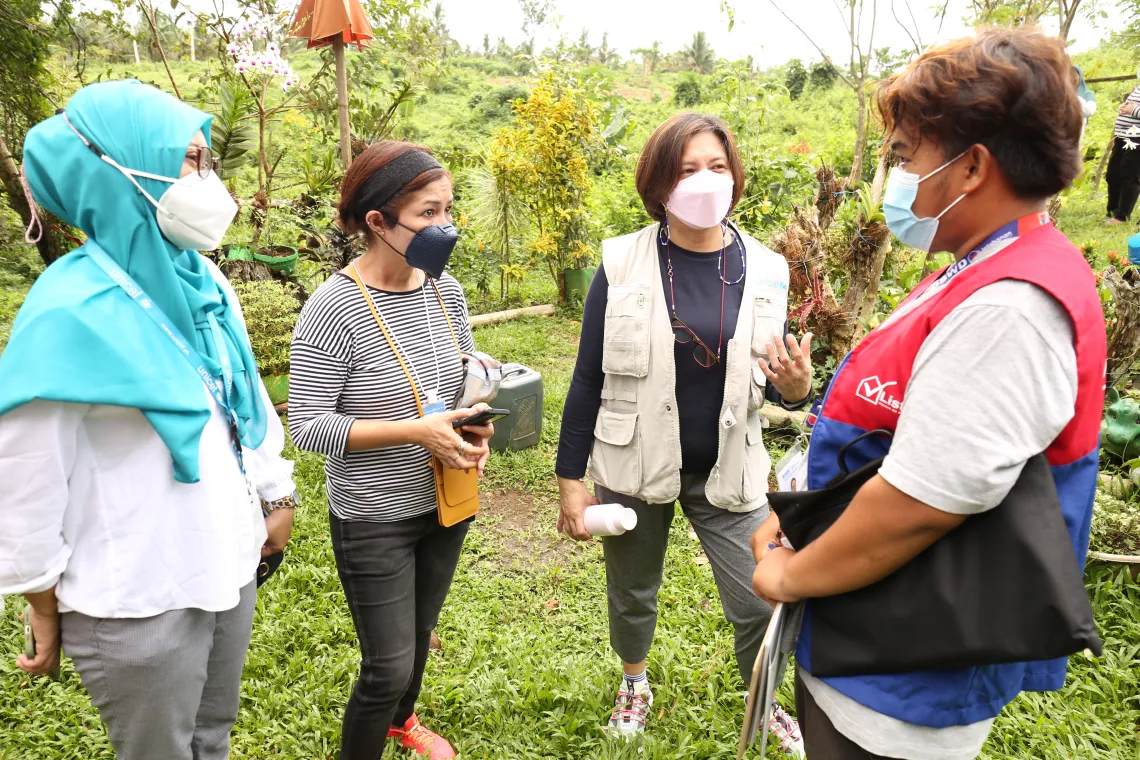
“In the Philippines, around 9.3 million children live in poverty. Children who grow up poor often lack the food, sanitation, shelter, health care and education they need to survive and thrive. By helping DSWD’s Listahanan, we can strengthen identification of poor children and their families, so that the national and local government can plan and budget according to their needs,” Atty. Anjanette Saguisag, UNICEF Philippines Chief of Social Policy says.
After being assessed by enumerators through a questionnaire that includes income, housing materials, access to basic services and ownership of assets such as TVs and mobile phones, a Proxy Means Test is conducted to predict the per capita income of a household based on observable characteristics that correlate with, but are easier to measure, than income. The nationwide coverage of the Listahanan generates national up to household level data.
"By helping DSWD’s Listahanan, we can strengthen identification of poor children and their families, so that the national and local government can plan and budget according to their needs."
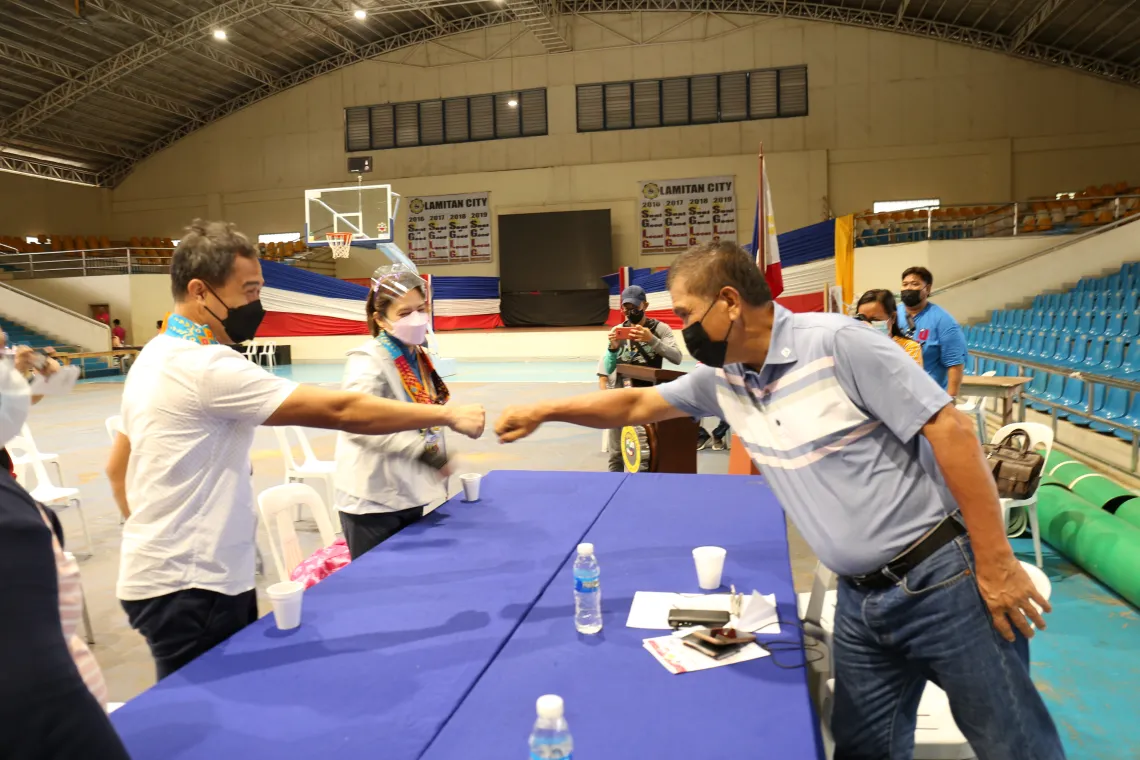
“Listahanan has very rich information. It is being used not only for the 4Ps, local leaders, other national government agencies’ programmes, researchers can also access the database for free. We hope that the data we generate can be fully utilized to benefit more poor Filipinos,” Andrew Ambubuyog, DSWD’s National Household Targeting Office (NHTO) Director said.
***