Building Bright Futures: Protecting Children Through Vaccination
Bangsamoro parents strive to protect children from vaccine-preventable diseases

MANILA, 25 April 2024 – Since January 2024, over 600 cases of measles, locally referred to as tigdas or abas, have been reported in the Bangsamoro Autonomous Region in Muslim Mindanao (BARMM), about 550 miles (900 km) south of Manila. Measles, transmitted via respiratory droplets, poses high risk to children and the unvaccinated, causing severe infections like lung and brain ailments, diarrhea, and blindness. Responding to this outbreak, the Ministry of Health launched a free measles vaccination campaign in April, to reach over 1.3 million vulnerable children across the region.

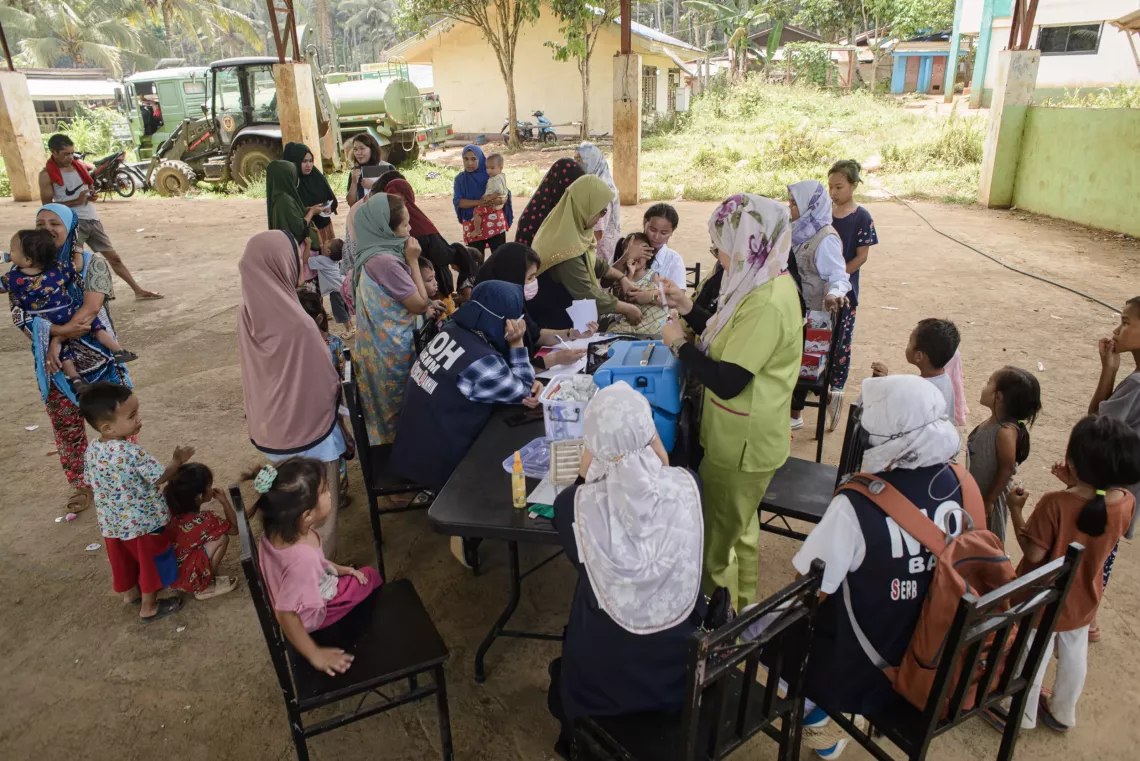


It is humanly possible to protect our children
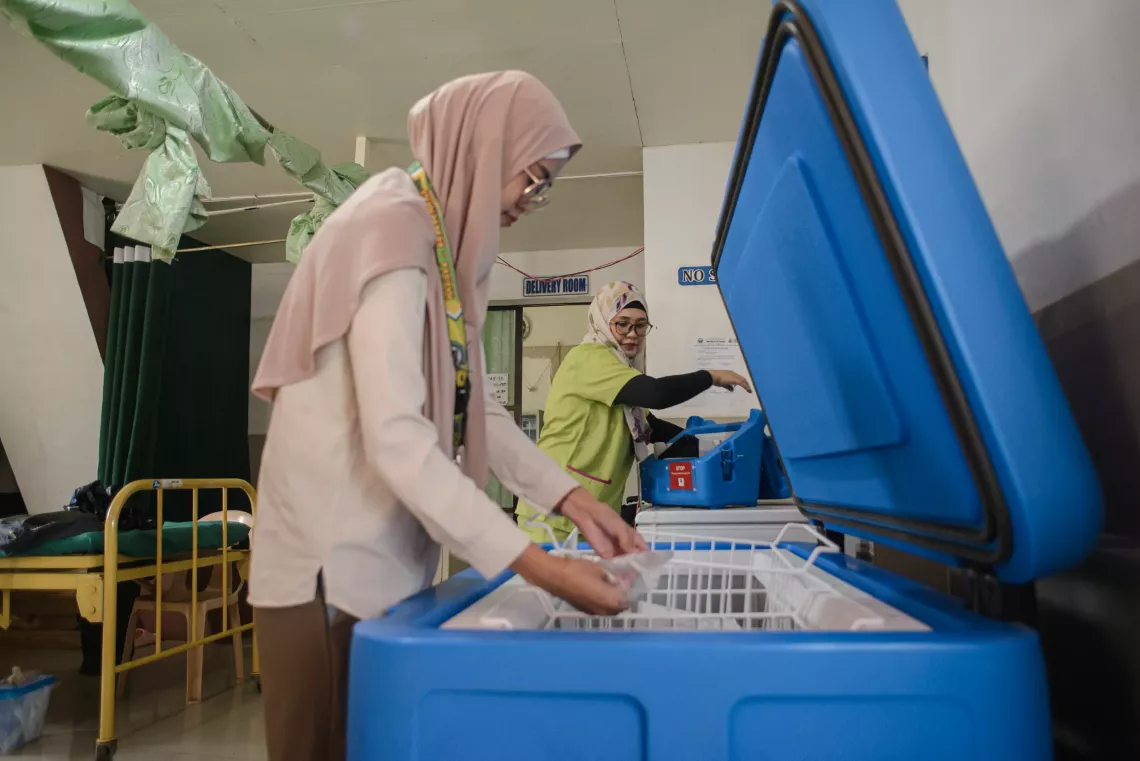
Many parents are still committed to shielding their children from the perils of measles, despite reports of vaccine deferrals and refusals in the region stemming from various factors such as cultural and religious beliefs, fears of side effects, and other concerns. They are taking proactive steps to safeguard their health and to ensure they receive timely vaccinations, often facilitated by health workers who do door-to-door visits.
Norjannah Abad, a 28-year-old mother, brought her two children to a vaccination drive in Barangay Pagalamatan, Saguiaran, Lanao Del Sur. Her swift action was fueled by the news of a neighbor falling victim to measles, igniting fears for her own children's safety. She wasted no time in getting her children vaccinated.


Have your children vaccinated to prevent them from contracting measles. If they don’t get vaccinated, they will end up being hospitalized.
In Pantao, Masiu, also in the province of Lanao Del Sur, Norsalam Sharief, aged 36 and a mother of four children between the ages of 3 and 9 is another staunch advocate of vaccination. Despite lingering hesitancies within her community, Sharief and her husband were among the first to receive the Covid-19 vaccine when it became available in their village. Whenever health workers visit their village for routine vaccinations, Sharief ensures her children are among to get vaccinated. She endeavors to dispel fears among fellow parents, emphasizing the importance of health workers' efforts in securing their children's well-being.
I set an example. When health workers arrive to administer routine vaccines, including for measles, I encourage my children not to fear the jab.

Norsalam Sharief ensures her children are prioritized to receive measles vaccines as soon as they become available. “"I set an example. When health workers arrive to administer routine vaccines, including for measles, I encourage my children not to fear the jab. We prioritize their safety by ensuring they receive vaccinations. Measles is a severe illness that can have fatal consequences," she stressed, highlighting the critical need for vaccination.

Despite prevailing cultural and religious beliefs and common misconceptions about being vaccine halal, they prioritized their children's health completing their routine vaccination. Muslim religious leaders and BARMM’s Ministry of Health actively advocate for vaccination, affirming the Islamic acceptance of anti-measles vaccines and emphasizing their safety, halal status, and effectiveness in preventing measles and its potentially serious consequences.

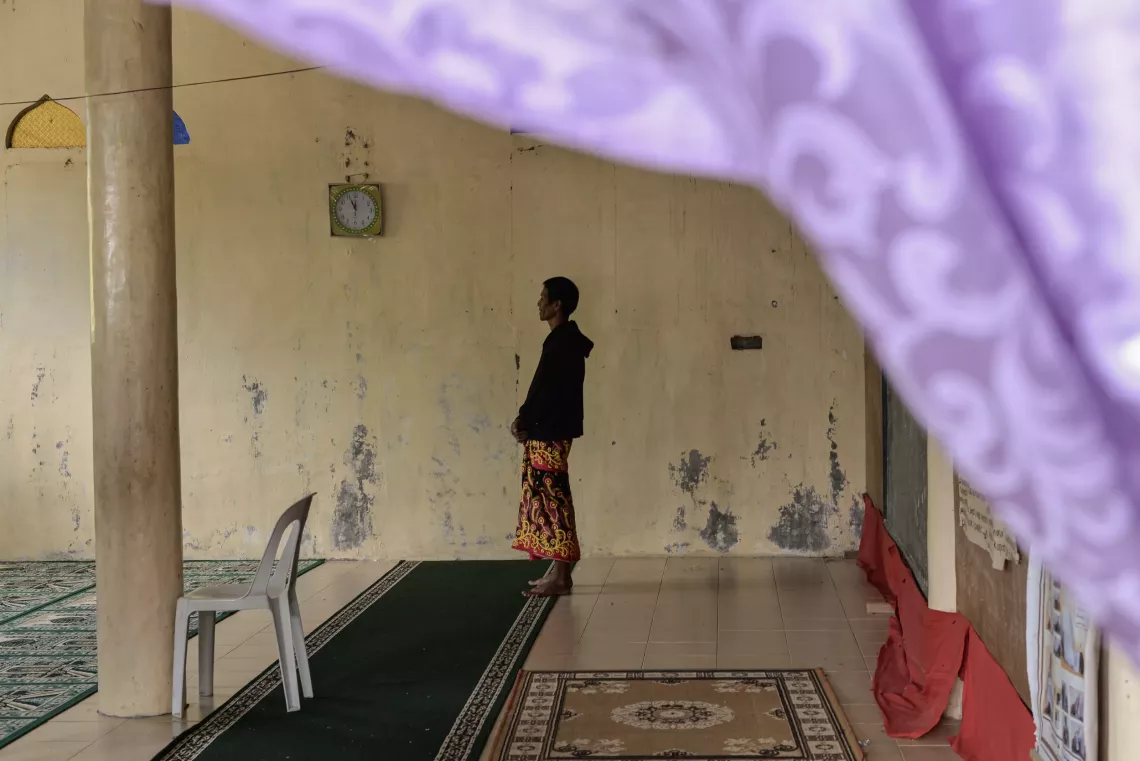
Amidst the measles outbreak, vaccination remains the most effective preventive measure against the disease. Measles vaccine shots are recommended for children between the ages of 6 months and below 10 years to ensure long-term immunity.
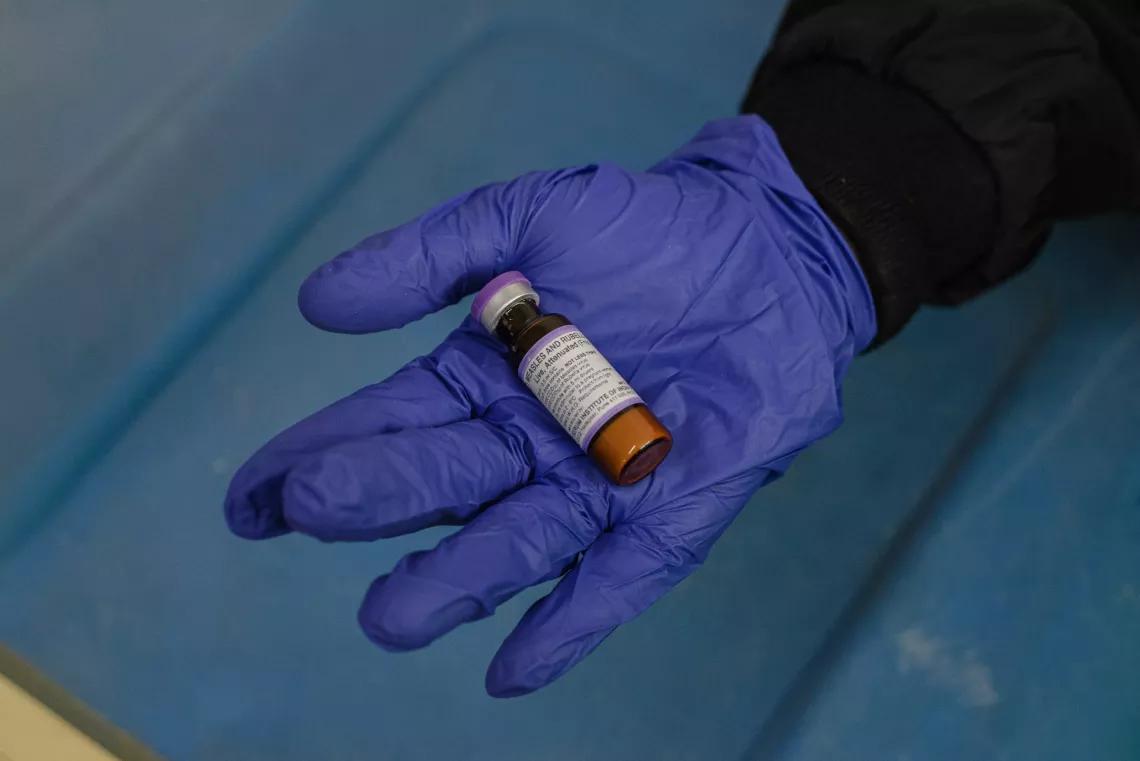
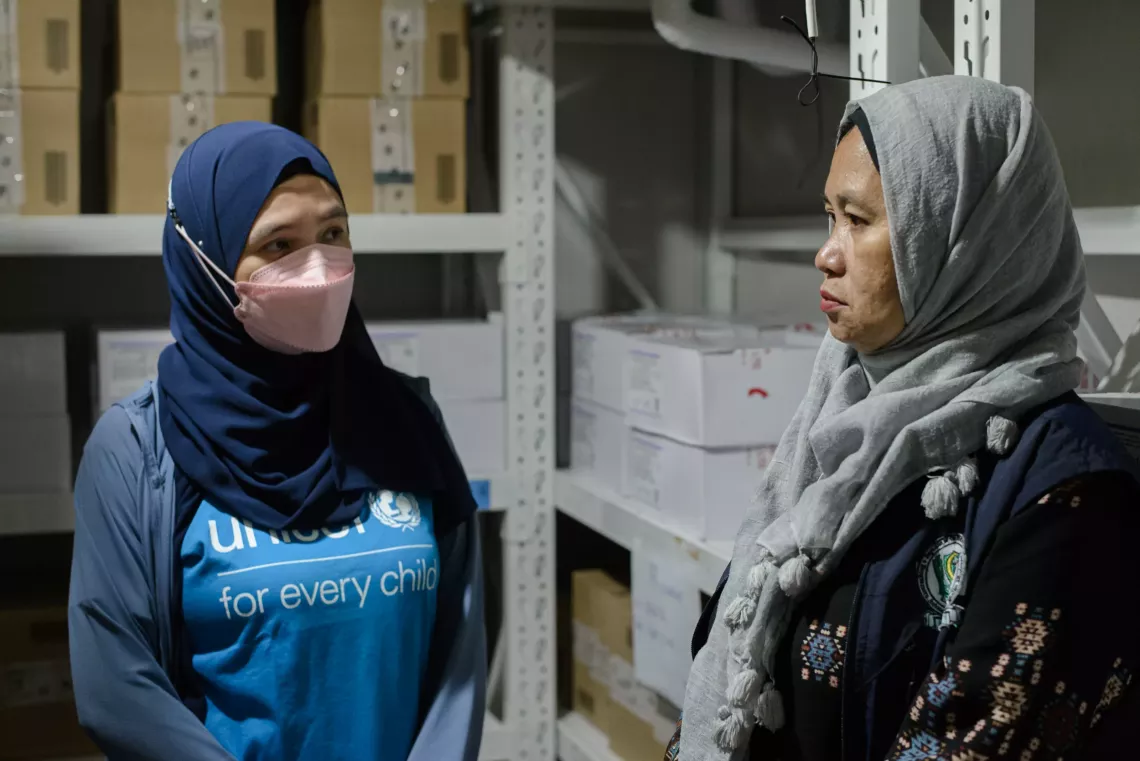
UNICEF has been a steadfast supporter of routine immunization in the Philippines for over 75 years. By working closely with the Philippine government, local government units, health workers, communities, and parents, it becomes more humanly possible to eliminate vaccine-preventable diseases nationwide. These efforts must extend to remote areas, reassuring people of vaccines' safety, efficacy, and life-saving potential, as already preserved millions of lives in the past and protected many children and families.