Advancing Digital Health to Boost Immunization
Philippine Digital Health Summit 2024
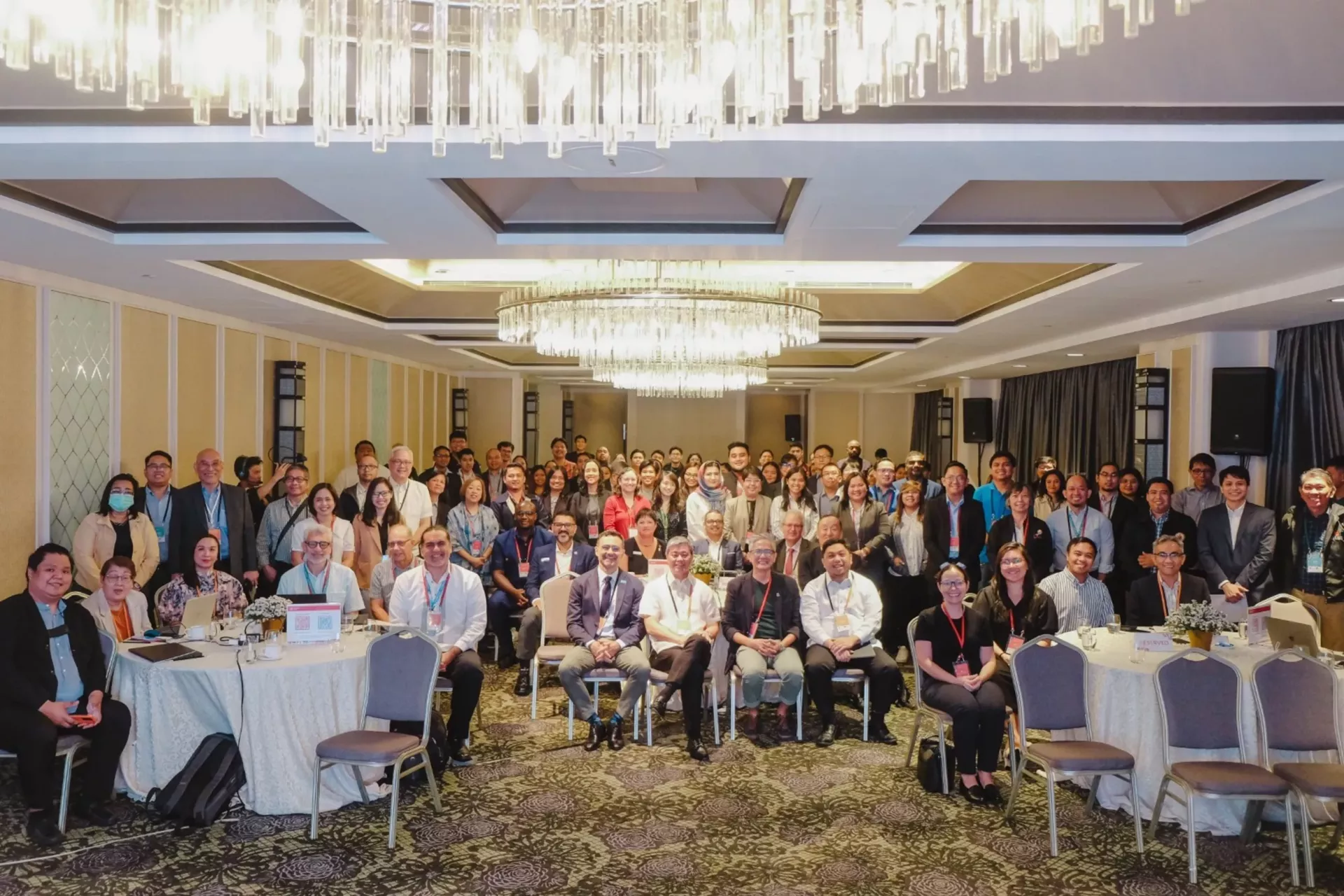
In recent years, adopting digital health technologies has contributed to more efficient health service delivery and health system management in the country. Nevertheless, standalone technology implementations have resulted in uncoordinated development and a siloed health data ecosystem.
To help bridge the gaps, the Department of Health (DOH), Asia eHealth Information Network (AeHIN), and UNICEF kickstarted the Philippine Digital Health Summit 2024. This helped key stakeholders collaborate in advancing technology for efficient health service delivery aligned with the 8-Point Action Agenda, a policy framework that guides the DOH in realizing the vision of the health sector and taking tangible actions. The summit also highlighted action planning for the DOH’s eight priority programs for digital health (see Figure 1).

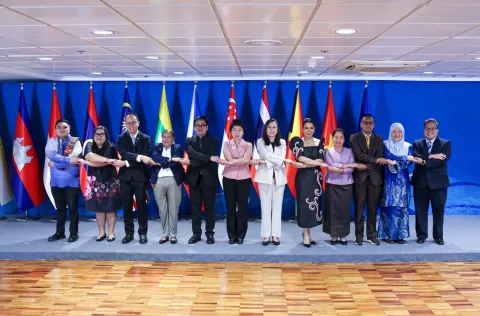
Held from 6 to 8 March 2024 at the Makati Diamond Residences, the summit gathered 149 local and international participants from the public, private, and development sectors, including professional societies and networks.
Next steps for convergence
The summit led to the alignment of efforts and convergence on the national digital health directions, ensuring stakeholders are informed and prepared for the next steps. It allowed a shared responsibility among the DOH, program stakeholders, and development partners to ensure that efforts and investments remain aligned with the national direction, adhere to standards, and are mindful of avoiding duplication of work and user burden.
The summit output included the following:
- Stakeholder understanding of the Philippine digital health strategy and other priority digital health investments: Through the summit, stakeholders from the public, private, and non-government sectors developed a shared understanding of the national digital health strategy and other digital health investments, as informed by the DOH. Making all stakeholders aware of the national directions is crucial in onboarding organizations and people to participate in the operationalization of the strategy based on a shared vision.
- Consolidated digital health action plans for the priority programs: The development of digital health action plans for each of the eight priority programs, as guided by the national digital health strategy, was a collaborative and shared effort among stakeholders from different sectors during the summit. Collective planning during this ideation phase was critical to ensure stakeholders take ownership of the digitalization process of their respective programs.
- Declaration of joint partners’ statement of support for the national digital health strategy: On the other hand, the development partners at the summit worked together to declare a joint statement of support for the new digital health strategy. The summit served as a venue for partners to agree on the same approach and principles in terms of technical assistance and investments, ensuring that digital health support to the DOH is grounded on the country's needs rather than donor-driven priorities.
UNICEF Philippines’ Digital Health Commitment
The summit addressed the predicament of children missing out on essential health and nutrition services due to outdated and disparate information systems.
“UNICEF is committed to supporting the DOH in digital health and advancing the country’s immunization data ecosystem. With DOH’s leadership and in cooperation with other partners, we look forward to improving the capture and use of immunization data to inform policies and programs and increase the uptake of immunization services in the country.”
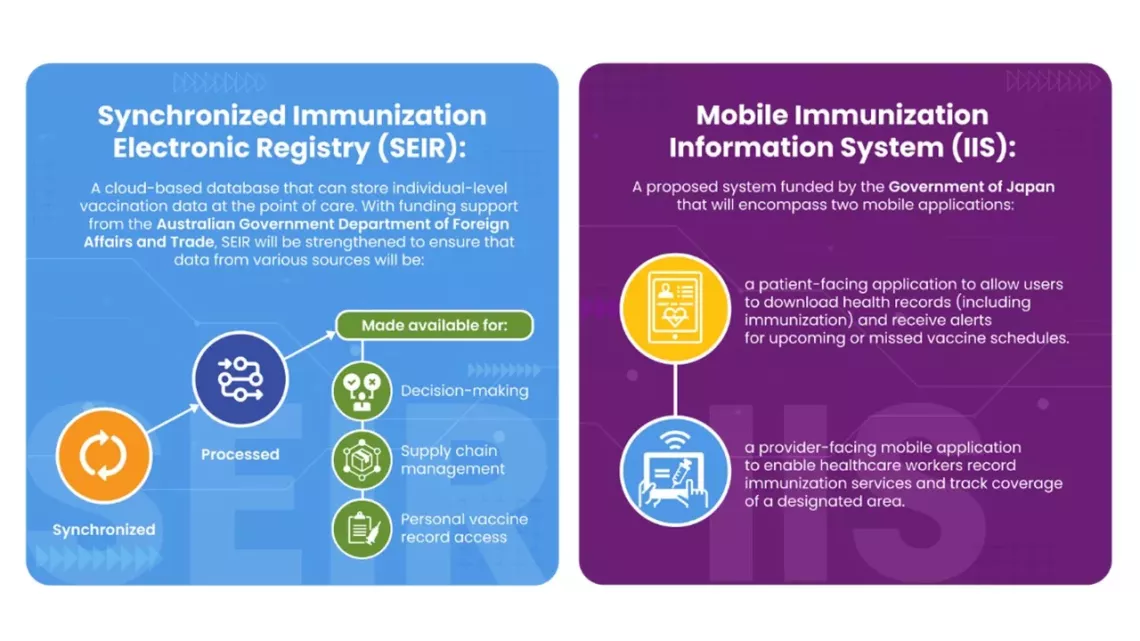
Envisioning a world where the health and well-being of every child are improved through digitally enabled and connected health systems, UNICEF emphasized its ongoing support of the development and enhancement of two digital immunization information tools in the country, the Mobile Immunization Information System (IIS) in collaboration with the Government of Japan (GoJ), and the Synchronized Immunization Electronic Registry (SEIR) in collaboration with the Australian Government Department of Foreign Affairs and Trade (DFAT).
The Philippine Digital Health Summit was co-supported by UNICEF with funding from the Government of Japan as part of “The Project for Supporting Digital Health System for Infectious Diseases Control in Southeast and East Asia.”