Online Sexual Abuse and Exploitation of Children in the Philippines
UNICEF as part of the SaferKidsPH consortium works to ensure that children are safe and protected online.
Every child must be protected from violence, exploitation and abuse online
Children are spending more time online than ever before. In 2021 alone, two million children in the Philippines were subjected to online sexual abuse and exploitation. Children reported that they experienced grooming and received offers of gifts or money in exchange for sexual acts. Some were threatened or blackmailed to engage in sexual acts. Due to stigma, disclosure is disproportionately low - despite various reporting channels. Only 0-4 per cent of victims ever reported, and only 0-3 per cent know how to report to the police or to helplines.[i]
44 per cent of children do not know where to get help if they or a friend were subjected to sexual abuse or harassment online.[ii] 50% of them added people as friends on social media even if they had never met face-to-face. 13 per cent of these children eventually met their new online friends in person.[iii]
UNICEF's response
UNICEF Philippines underscores the importance of adults, children, and the whole of society in growing their understanding of children’s online safety and everyone’s digital responsibility to ensure a safe online environment for every child.
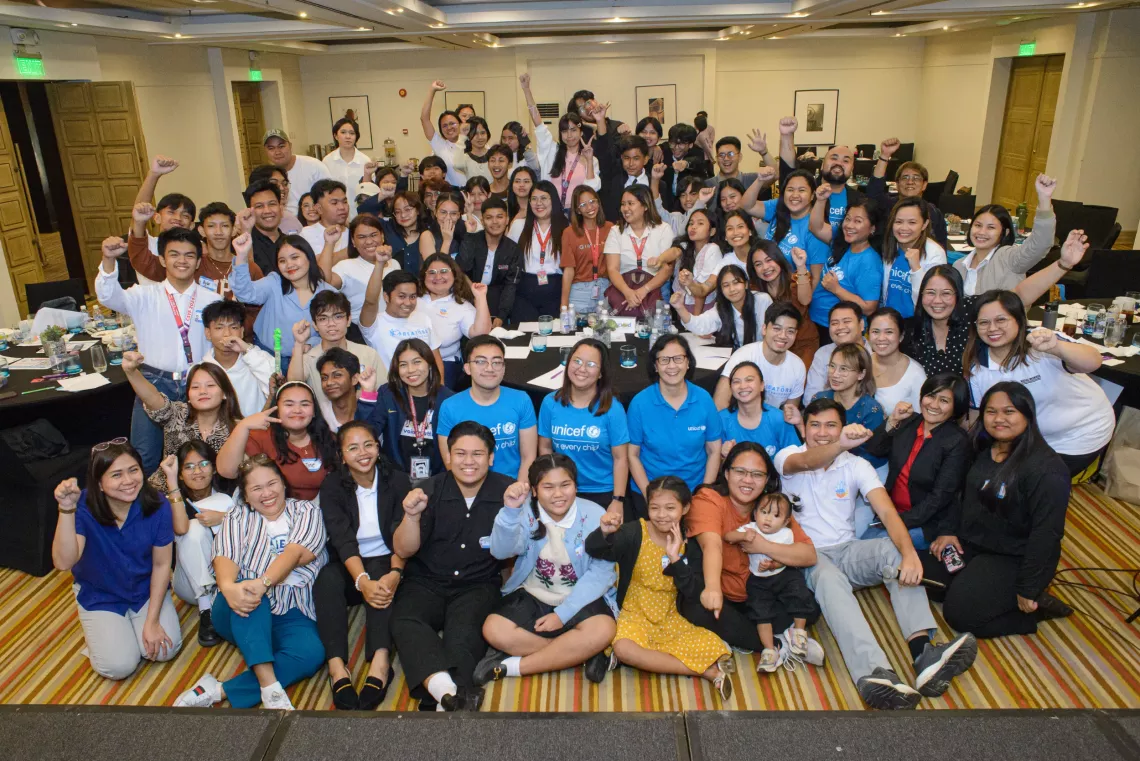
As part of the Safer Kids Philippines consortium - an Australian Government initiative - UNICEF and partners work with children, families, the Philippine Government, civil society, and the private sector to keep children in the Philippines outside the reach of online abuse facilitators, perpetrators, and to ensure that they are safe from all forms of exploitation and harm on the internet.
UNICEF's Project S.A.F.E. (Safe Access for Every Child), supported by Safe Online, focuses on strengthening systems so children are protected from risks and threats in online and offline platforms. We empower children to demonstrate personal skills and protective behavior in identifying and managing risks, protecting themselves, and reporting their experience of violence, including seeking professional help when needed.
We call on everyone to work with the Government to step up the implementation of Republic Act 11930, otherwise known as the Anti-Online Sexual Abuse and Exploitation of Children and Anti-Child Sexual Abuse and Exploitation Material Act, that strengthens the country’s response and protection of children to online predators.