

The Future Speaks
Children and Youth at the Forefront of Climate Action and Disaster Resilience

The climate crisis is not just changing the planet, it is changing children. It infringes on the most fundamental rights of every child – to health, survival and development, education, an adequate standard of living and their right to a clean, healthy and sustainable environment. Without the opportunity to meaningfully participate and influence climate action, the right of children and young people to be heard on critical issues that affect them is also infringed.
Despite these challenges, communities across the Philippines have witnessed a remarkable and inspiring wave of climate action driven by the passionate determination of children and young people.
Faced with an impending climate crisis, these young advocates have emerged as catalysts for change within their localities. From organizing tree-planting initiatives to spearheading awareness campaigns, they have demonstrated an unwavering commitment to environmental stewardship. Through their collective efforts, they have managed to foster sustainable practices, influence community behaviors, and inspire individuals of all ages to take a stand against climate change.
Young people are actively shaping a sustainable future today, proving that age is no barrier to making a meaningful impact on the global fight for a healthier planet.
UNICEF Philippines has invited youth groups to showcase their child and/or youth-led climate actions in their community with the aim to compile and share a diverse collection of climate action and disaster resilience stories initiated by children and young people to inspire others and foster a sense of collective responsibility, and highlight the contributions of the younger generation in addressing environmental challenges.
Through these narratives, we seek to amplify the voices of these passionate advocates, showcase innovative solutions, and create a platform that not only celebrates their achievements but also serves as a source of ideas and motivation for individuals, communities, and policymakers committed to advancing sustainable practices and addressing the climate crisis.
Ultimately, this initiative aspires to catalyze positive change by promoting awareness, encouraging collaboration, and reinforcing the belief that everyone, regardless of age, plays a crucial role in building a more resilient and sustainable future for our planet.
Youth-led climate actions in the Philippines:
THE YOUTH GROUP:
Youth Uprising Philippines
“Changing agriculture in the Philippines one school at a time, one student at a time.”
This project began as a mock paper assignment for a 19-year-old girl in one of her classes. Witnessing the severity of hunger issues in the Philippines and recognizing the potential of her idea to make a tangible difference, she decided to turn her concept into a real-world solution.
Through her research, she discovered that the Philippines is increasingly facing food insecurity and is highly vulnerable to climate change. The COVID-19 pandemic has exacerbated these challenges, leading to mass unemployment and restricted movement of produce. The impacts on the food and agriculture sectors include threats to food security, health challenges, financial burdens, and disrupted supply chains, among other issues. Recent data from the Global Hunger Index (GHI) indicates that the hunger rate in the country reached an all-time high in 2021, with an index of 21.2%. The majority of those affected come from the marginalized poor sectors, including the main beneficiaries of our project – all 42 public schools in Las Pinas City, with over 98,000 students living below the poverty line.
Responses to climate change and food insecurity need to be interconnected, and our solution, themed "Grow School," focuses on three interrelated concepts: Population Health, Economic & Social Health, and Environmental Health. The project also addresses the issue of the aging population of Filipino farmers, averaging between 57 and 59 years old, raising concerns about who will carry out the vital task of farming in the coming years.
With the project, we aim to nurture a new generation of agriculture professionals and farmers who are knowledgeable not only in traditional farming methods but also in innovative approaches, such as Agri-tech, agripreneurship, environmentally-friendly practices, and diverse fields of agriculture like aquaponics, aeroponics, hydroponics, regenerative agriculture, organic farming, agroforestry, biodynamic, and sustainability. By investing in the future farmers of our country, we aspire to revolutionize food security and advance the future of agriculture through today's youth!
THE CLIMATE ACTION:
Grow School Philippines
“For the mission that the Filipino youth will never be hungry, but always have the hunger for change!”
GROW SCHOOL Philippines is a non-profit bamboo farm school located in Nasugbu, Batangas. Instituted by Youth Uprising Philippines, it provides free and accessible environmental and agricultural programs to public schools across the Philippines, both in classrooms and farmlands. This initiative is an urgent response to the major food insecurity threat brought about by the COVID-19 pandemic, leading to impacts such as mass hunger, health challenges, financial burdens, and disrupted supply chains in the country.
Reaching over 98,000 public school students from all 42 public schools in Las Pinas City. And later sharing our powerful story byTEDx for a talk titled “Sustainability for the Youth” as well as being featured by SONY Music Philippines for the premiered original Documentary Film “Sine Nina”.
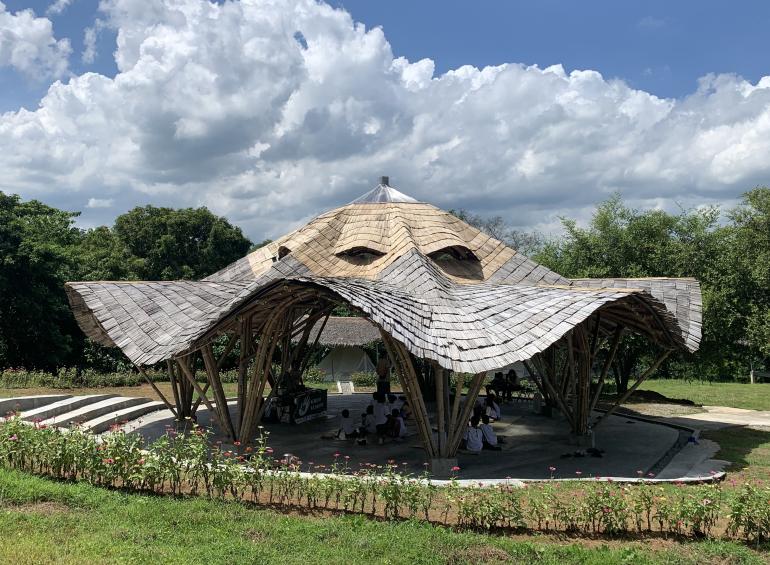
Symbolizing our native traditional Filipino farmer's hat, the “Salakot,” Grow School was constructed entirely of sustainable bamboo by a group of local Filipino corn farmers trained in building green structures and architectures. It is completely powered by renewable solar energy. Here, we host practical training sessions and introduce public school students to amazing local farmers and other successful individuals working in agriculture, sharing their stories, experiences, and strong passion for the art and sciences of cultivating our soils and crops. We provide a holistic educational environment by integrating nature-based solutions and ecosystem-based approaches through outdoor classrooms and sustainable agriculture programs that facilitate hands-on learning. Our focus is on inspiring and supporting the youth to pursue sustainable agriculture and farming as their future professions, as well as building a strong advocacy for our connection with nature.
Mobilizing students to actively contribute to solutions by growing their own food at home and becoming the primary food producers and breadwinners of their households, regardless of their age. This initiative also promotes the Sustainable Development Goals of zero hunger and sustainable cities & communities. Currently, there are over 2000 real-life stories of young people, some as young as 8 years old, successfully feeding their families at home.
Grow School has later been multi awarded and recognized by numerous organizations and sectors such as by Oxfam Pilipinas, Department of Agriculture, U.S. Embassy, Senator “Kiko” Francis Pangilinan, and the Ten Accomplished Youth Organization Philippines (TAYO) Awards 2022.
THE YOUTH GROUP:
Youth Strike 4 Climate Philippines
According to Presidential Proclamation 1160, which declares November 25 of each year as the "National Day for Youth in Climate Action," the Philippines recognizes the role of youth in combating climate change in unique and useful ways. The proclamation encourages youth to take action on climate change issues, urging young people, in particular, to help keep global warming below 2°C.
Given the various effects of the rapidly changing climate, children and youth are recognized as the most vulnerable to its impacts in a multitude of forms. A study by Punzalan in 2020 discovered that, although senior high school students had a good level of environmental knowledge, their environmental praxis was lacking. This conclusion was based on his evaluation of their environmental awareness and practices. In response, he suggested educational initiatives that would raise students' awareness of environmental issues as well as their practical knowledge of sustainable development.
The Young Climate Leaders (YCL) Program of YS4C PH aims to equip Filipino youth with climate knowledge and relevant skills that will help them become the next generation’s climate leaders in society. It is anchored in climate education, seeking to develop future leaders’ environmental awareness of relevant issues and concepts concerning youth and climate change. YS4C PH values education as a springboard that will encourage their active participation in climate advocacy and policy lobbying.
THE CLIMATE ACTION:
The Young Climate Leaders Program (YCL)
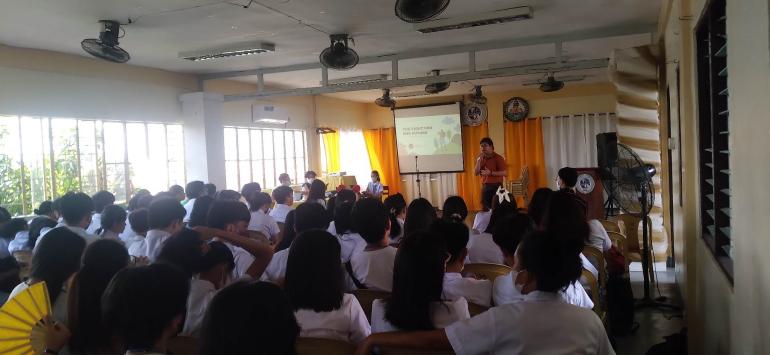
Initiated by Youth Strike for Climate Philippines, YCL functions as a comprehensive training and development platform for enthusiastic Filipino advocates committed to climate action. The program is organized into internship and fellowship arms, with qualified fellows and interns delving into modules meticulously crafted by the organization, forming the bedrock of climate leadership.
Under the internship arm, the YCL Program extends its reach to partnering high school institutions, enabling students to apply as interns. Furthermore, the program can be directly offered to individual youths, encompassing out-of-school and indigenous youth across the Philippines, employing a hybrid fellowship approach.
Despite the proven success of our internship and fellowship programs in previous batches with limited funds and resources, our goal is to expand and enhance the YCL Program. This expansion may necessitate an increase in costs, additional channels, and the utilization of key resources. Tailoring logistics to meet the needs of the youth organization overseeing the program will ensure improved, hands-on training and development for interns and fellows.
The success of this program will determine the need for further expansion, including the number of interns, fellows, partner schools, and organizations involved. Additionally, we aim to broaden our network for collaboration, seeking resource persons from partner organizations, as well as specialists and experts in the climate movement. YS4C PH firmly believes that the program's outcomes are replicable in various local settings through diverse implementation strategies.
Upon completion of the program, our fellows and interns will be equipped with skills in community organizing and climate leadership.
THE YOUTH GROUP:
BALLESTERIAN Youth For Environment in Schools Organization (YES-O)
The global community recognizes that solid waste management is an issue requiring serious attention. It is a significant environmental concern in developing countries like ours, the Philippines, as we aggressively pursue economic growth, production, distribution, and product use, leading to the generation of waste that contributes to environmental degradation and global climate change.
In the context of island communities, specifically Barangay Gabi in South Gigantes Island, Carles, Iloilo, poor solid waste management leads to various problems in health, the environment, and socio-economic aspects. The inadequate implementation of the barangay's solid waste management system has been affecting the community of Barangay Gabi, with an increasing number of children suffering from various diseases caused by solid waste, such as cholera, malaria, fever, dengue, diarrhea, etc. The accumulated waste on the seashore and other areas of the island causes pollution, affecting the well-being of not just the children but every individual on the island. It has also been noted how these wastes are found even in the narrowest areas of the island, creating a negative impression on tourists visiting Barangay Gabi or Isla Gigantes as a whole, one of the tourist destinations in the municipality of Carles. This negative feedback, in turn, affects the economic status of the islanders who depend on tourism for their livelihood. Improper waste management not only affects the people living on the island but also the entire municipality of Carles, as the island plays a crucial role in boosting the economic growth of Carles.
Therefore, the educational institution of GNHS-Ballesteros Campus initiated Project SHRED to address these problems. As an agent of change, the educational institution does not limit itself to instituting solid waste management concepts in science education but has also implemented Project SHRED. This project aims to teach each Ballesterian ways to properly manage their solid waste, combating climate-related issues and preventing health diseases from arising in the community as a whole.
THE CLIMATE ACTION:
Project SHRED
Project SHRED (Sanitation and Hygiene Resiliency through Eco-Friendly Initiative for Development) aims to reduce plastic garbage in the community by teaching our learners different ways to create value from plastic waste and even monetize it.
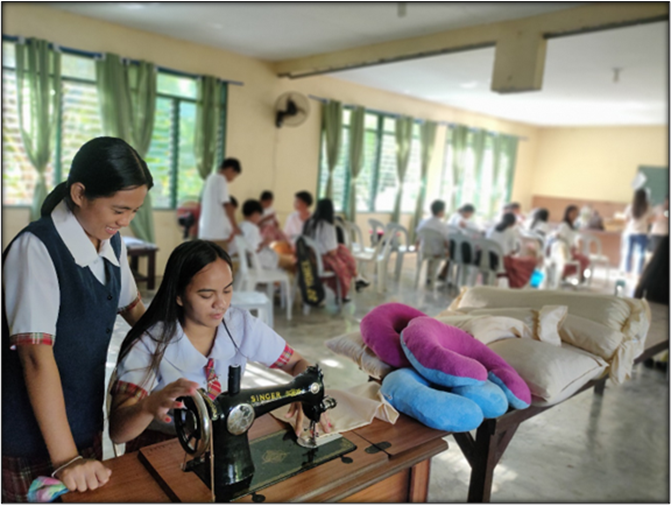
The school has its own “Basura Mo, I-Bote Mo” Project, requiring every learner to have their plastic bottle filled with non-biodegradable waste from school. This project extends beyond the school premises to their respective homes, where accumulated plastic waste can be brought to school for shredding. With this initiative, we can collect and identify the types of solid waste suitable for shredding. After thoroughly cleaning the plastic materials, the YES-O officers will prepare them for shredding. The shredded pieces will then be transformed into pillows, sewn, and prepared by our learners under the guidance of teachers. These finished products are distributed to selected less fortunate individuals in the community for use. Some are also turned over to the Barangay Local Government Unit (BLGU), specifically to the health officer in charge who is informed of this project to lead actions for the betterment of the barangay. This is the school’s way of encouraging the community and other stakeholders to participate in the project by properly segregating their solid waste at home. The finished products could also be displayed at different beach resorts in the community for sale to tourists visiting the place.
With Project SHRED, we have successfully taught learners and the community to manage their waste properly through segregation and by utilizing plastic materials, thereby minimizing or eliminating plastic waste disposed of in the seashore and different areas of the island. This has resulted in a reduction of waste pollution and a decrease in waste-related health issues in the community, such as fever, malaria, dengue, diarrhea, and others. These health issues have been prevented due to the proper disposal of plastic waste materials. The school’s project has helped generate income for future projects, activities, and programs. Project SHRED has also improved the economic situation of some locals by monetizing the finished products from these plastic materials. It is also a way of helping our Barangay attract more tourists to visit the place and our beaches, thus boosting the economic growth of the island and the municipality.
Currently, we are still sourcing additional shredding machines and sewing machines through our partners in the Local Government Unit (LGU) and other stakeholders to meet the growing demands of the community in this project. The school is also seeking partners who can provide training to our teachers and learners, imparting additional knowledge and techniques on sewing to produce quality products for the market in the future.
THE YOUTH GROUP:
Central Mindanao University College of Forestry and Environmental Science Student Council (CMU-COFESSCO)
The student council is actively tackling crucial climate-related issues, understanding that environmental protection is a shared concern with global consequences. These challenges are interconnected and impact both local communities and the broader world. One primary focus is on empowering youth by providing a safe space for them to express their thoughts on environmental issues. The goal is to break down barriers and allow young voices to advocate for climate action, addressing the tendency for them to keep their ideas to themselves. Another significant issue being addressed is the degradation of water quality in a nearby river, which could potentially contaminate our drinking water sources. Through cleanup drives and water quality assessments, the council aims to preserve the environment and monitor its status. This directly impacts local communities relying on the river for drinking water, safeguarding their health.
Furthermore, the council recognizes the impact of deforestation on flooding and air pollution in Bukidnon, home to sugar companies producing significant amounts of CO2. The initiative involves tree planting in partnership with the CMU-Carbon Sink Project, contributing to global carbon sequestration efforts. This not only addresses local issues like flood risks but also enhances air quality. Additionally, the council is actively tackling the problem of excessive clothing waste in the fashion industry. Through donation drives, they redirect extra clothes to those in need, promoting sustainable and recycled fashion. This effort aims to reduce clothing waste, address inequality in access to clothing, and encourage responsible consumption. In acknowledging these challenges, the student council emphasizes the need for investment in mitigation and adaptation measures to combat the irreversible impacts we face today, fostering a sense of collective responsibility for environmental conservation on both local and global levels.
THE CLIMATE ACTION:
Action Series on National Environmental Awareness Month
The College of Forestry and Environmental Science Student Council recently organized a series of activities in November 2023, National Environmental Awareness month.
This event centered around climate action:
YOUTH EMPOWERMENT IN ENVIRONMENTAL ISSUES
In the first week, the Council orchestrated a climate strike, drawing voluntary participation from both students and faculty. The campus resonated with a rally where activists were given a platform to speak and amplify their voices, calling for climate response.
CLEAN WATER
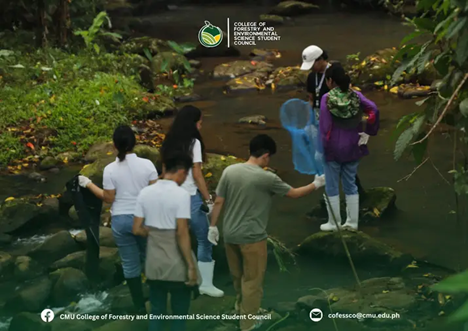
Moving to the second week, the council conducted a clean-up drive along a nearby river. Additionally, a water quality assessment and ecological surveillance were performed to monitor the river's environmental status. The assessment results were forwarded to the College Dean, prompting management action and urging the institution to develop future programs.
REFORESTATION
During the third week, we organized a tree-planting activity at Musuan Peak, Bukidnon, with the participation of over 100 volunteers. This initiative was in partnership with the CMU-Carbon Sink Project, aiming to reforest the land and increase carbon sequestration for cleaner air. Simultaneously, an informational booth was set up in front of the university to educate students about the current climate crisis. It covered the 17 Sustainable Development Goals, emphasizing key components and the urgent need for action to conserve biodiversity, especially for threatened and endangered species.
WASTE MANAGEMENT
Lastly, the Council initiated a donation drive for extra clothes from students, collecting over 50 kilograms. These clothes were passed on to those in need. During the culmination, some of the best outfits were modeled, showcasing sustainable and recycling fashion, and shared on social media.
Launched just this year, this event aims to diversify information in the coming years, hoping that these small initiatives will foster the essence of environmental conservation. Through this program, we aspire to awaken awareness and encourage more individuals to take climate action now.
THE YOUTH GROUP:
Kasambuhan A’a Kauman Association for Sustainability, Innovation and Empowerment (KAKASIE)
Improper waste disposal is causing serious environmental issues in our Barangay and throughout the province of Tawi-Tawi. Community members are indiscriminately disposing of their garbage, dumping waste materials on the coastline in household areas, contaminating groundwater, and mixing different types of waste together. We, the youth, are concerned about air pollution from garbage, which can lead to sickness and adversely affect the health of vulnerable individuals in our community. Some of the root causes related to these issues include a lack of environmental awareness, the absence of garbage collection facilities, and local farmers destroying natural resources for income generation.
Furthermore, there is ineffective implementation of policies or local ordinances in response to the looming garbage problem in the community.
According to studies, an unclean environment increases the probability of diseases such as diarrhea, amebiasis, dengue, and malaria due to the presence of mosquitoes breeding in polluted water and unmanaged waste from households. Another consequence of an unclean environment is that during high tides, scattered garbage on the coastline is washed into community roads, polluting the surroundings and emitting foul odors inhaled by community members.
Hence, the conclusion is drawn that the source of these diseases is the improper disposal of garbage. For this reason, seeking government assistance is considered the most practical way to ensure the realization of proper waste management, as we believe that the government has a mandate to promote life and unity. This approach can help maximize positive outcomes and reduce negative impacts on young people, while also garnering all-out support from the community to address these issues.
THE CLIMATE ACTION:
NEEDED Project
The NEEDED (Nature Education on Environmental Design and Economic Development) Project proposed during the Ideation Impact Challenge (IIC) 2021 in BARMM, focuses on youth organizations for Community Peacebuilding and Development. KAKASIE received a Php 65,000 grant through Youth Co:Lab, a regional initiative co-led with Citi Foundation and Makesense Philippines, organized by the Bangsamoro Youth Commission (BYC) in partnership with the United Nations Development Programme (UNDP) and supported by the European Union (EU) with assistance from the Office of the Ministry of Bangsamoro Government.
During the implementation, we utilized various resources and partnered with agencies like MAFAR and MENRE. We collaborated with Municipal LGUs, Barangay Officials, SK Officers, and local leaders, and provided materials for the cleanliness drive activity,. The process included development of work plans, coordination, consultations, and courtesy visits with different line agencies, LGUs, and beneficiaries for possible partnerships.
We organized a Training of Trainers (TOT) on Sustainable Solid Waste Management and Recyclable Program attended by 30 youth, 10 Barangay officials, and 10 other stakeholders. The two-day seminar aimed to provide basic information about the environmental impact of waste disposal, its effects on economic growth, the need for effective waste management policies, and the mandatory requirements of RA 9003. The training unified the initiatives of youth sectors, barangay officials, and other stakeholders. Post-training, participants gained knowledge, enhanced skills in addressing solid waste management, and became aware of the impact of recycling on preserving the environment
We visited lands in the community with scattered garbage, especially in coastal areas, and identified the lack of proper waste disposal as a major problem leading to various diseases. Information Education Campaigns were implemented and reached at least 100 households and provided learning opportunities for the community to engage, make sound decisions, change behavior, and participate in sustainable environmental programs.
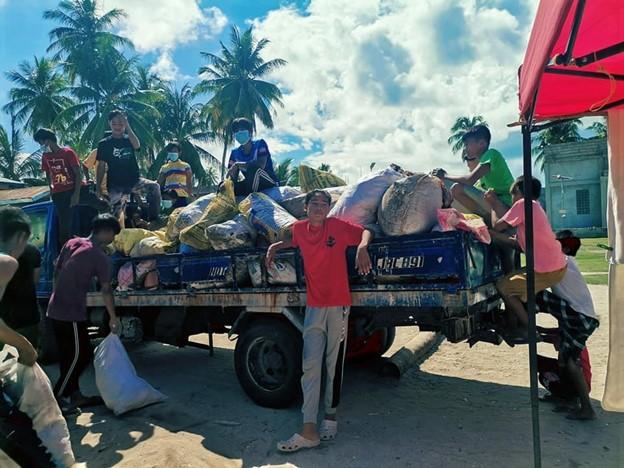
On June 19, 2022, KAKASIE initiated the Project Launching and Community Mass Cleanup Drive. Partners, including MENRE, MAFAR, MLGU, BLGU, and Local Leaders, witnessed the Project Launching. 500 participants joined the mass cleanup drive, collecting at least 34 tons of garbage near the shoreline and in the community area. Collected waste will be repurposed into eco-fencing, artwork, and pavilions for the Eco Park. Future plans include a Community Fascinating project in Tawi-Tawi, aiming to boost tourism, reduce conventional tourism's environmental impact, and generate economic opportunities through recycling.
The ongoing NEEDED Project by KAKASIE couldn't establish recyclable programs due to resource limitations and the absence of a Materials Recycling Facility (MRF) in the community. Nevertheless, KAKASIE remains committed to addressing SWM issues for the community and country's sustainable development in the future.
KAKASIE won in Reimagine Recycling Year 4 by Save Philippine Seas and Coca-Cola Philippines for its KAKASIE-Eco Project, an extension of the implemented NEEDED project, showcasing the organization's ongoing commitment to community sustainability.
THE YOUTH GROUP:
SinopTrisyon
Climate change poses a threat to the Philippines due to the vulnerability of its islands and the frequency of typhoons. Human activities, such as high greenhouse gas emissions and the production of approximately 0.75 million metric tons of plastic pollution annually, exacerbate the crisis. Pollution adversely affects communities, leading to health issues such as respiratory problems, skin infections, and waterborne diseases, thereby jeopardizing people's well-being and nutrition.
The impacts of these challenges are observable in both the lower and upper parts of Barangay Ampid 1 in San Mateo, Rizal. Our team conducted assessments by performing an ocular survey of various areas within the Barangay to understand its environmental status. Additionally, project proponents conducted personal interviews to gather socioecological data from willing community members.
Furthermore, in order to assess the nutritional situation of the community members, the group conducted anthropometric measurements, including height and weight, to calculate the Body Mass Index and evaluate the nutritional status of adults. The team utilized the Hanlon method to identify the priority problem based on the gathered socioecological and anthropometric data.
THE CLIMATE ACTION:
MaBOTEng Kapalit: Food and Bottle Exchange for Climate Change
In response to the environmental and health challenges faced by Barangay Ampid 1 in San Mateo, Rizal, the 'MaBOTEng Kapalit: Food and Bottle Exchange for Climate Change' initiative was implemented to address identified health and nutrition problems. These include food accessibility issues leading to poor food choices, resulting in an increased number of obese adults. Additionally, the initiative focuses on addressing common problems like diarrhea caused by ingesting contaminated drinking water, which puts residents at risk for malnutrition due to infection.
Aligned with the identified issues, the project aims to launch a clean-up drive to promote better waste management and disposal activities. Furthermore, it seeks to provide information on the importance of water sanitation.
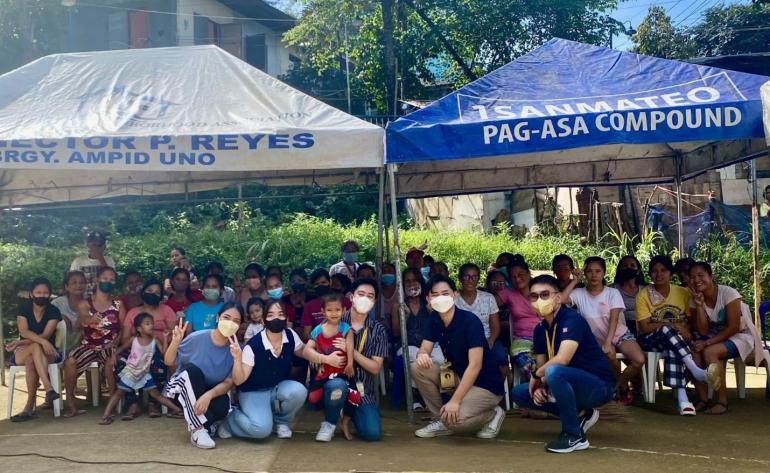
Through the implementation of an educational seminar on proper waste segregation and sanitation practices, residents gained awareness and knowledge, allowing them to identify the root causes of the problems and their health implications. This knowledge empowers them to develop potential solutions. Moreover, an innovative food-for-work system was conducted, encouraging residents to exchange recyclable and non-recyclable waste for essential food items, fortified food, rice packs, and water sanitation kits. This not only benefits the environment but also provides additional assistance with food accessibility for households.
However, the project faced limitations due to its one-day implementation and financial constraints. Its further success relies on ongoing support from organizers, Local Government Units (LGUs), barangay officials, youth proponents, and community participation. Nevertheless, it represents a significant step toward waste management, reduction, and addressing water quality and food security issues in the barangay. This collective effort, combined with proper establishment, aims to achieve a clean environment and enhance the community's overall health.
The project, comprising an educational seminar and food-for-work program, is considered successful, showcasing the potential of teamwork and individual involvement for the betterment of the community. Although the long-term success and implementation of the program depend on LGU support, preliminary objectives related to information dissemination and the promotion of cleanliness and sanitation have been confidently met, serving as a knowledge instrument for both community residents and government officials in the area.
THE YOUTH GROUP:
Kabasalan National High School's Youth for Environment in Schools Organization (KNHS YES-O)
Kabasalan is a municipality in Zamboanga Sibugay with rich natural resources extending from ridge to reef. Agriculture serves as the primary source of livelihood for its residents. To ensure a bountiful harvest, farmers rely heavily on an ample water supply to sustain their livelihoods. However, during the summer months, the inadequacy of water supply becomes a significant challenge for farmers and the majority of Kabasaleños.
Several factors contribute to this problem, including a lack of awareness among the people about the importance of water in their lives, leading to improper water management. Additionally, the escalating rates of deforestation and the ongoing practice of illegal logging in the watershed area exacerbate the issue. The growing number of small-scale mining operations further compounds the challenges, as does the insufficient participation of volunteers in the rehabilitation of the municipal watershed.
In response to these pressing concerns, Kabasalan National High School’s Youth for Environment in Schools Organization initiated the "Adopt-a-Watershed Program." This program aims to address the municipality's issues related to proper water management and climate-related challenges.
THE CLIMATE ACTION:
Adopt-a-Watershed Program
Initiated on September 23, 2016, our program aims to encourage youth participation in raising awareness for the preservation and conservation of the municipal watershed among school stakeholders. The program has successfully organized diverse environmental activities, including cleanup drives, recycling initiatives, tree planting and growing activities, three youth environmental encampments, symposiums on responsible watershed stewardship, information drives for local residents near the watershed, and more. Additionally, it has proposed new ordinances and reinforced existing ones to contribute to the preservation of the municipal watershed.
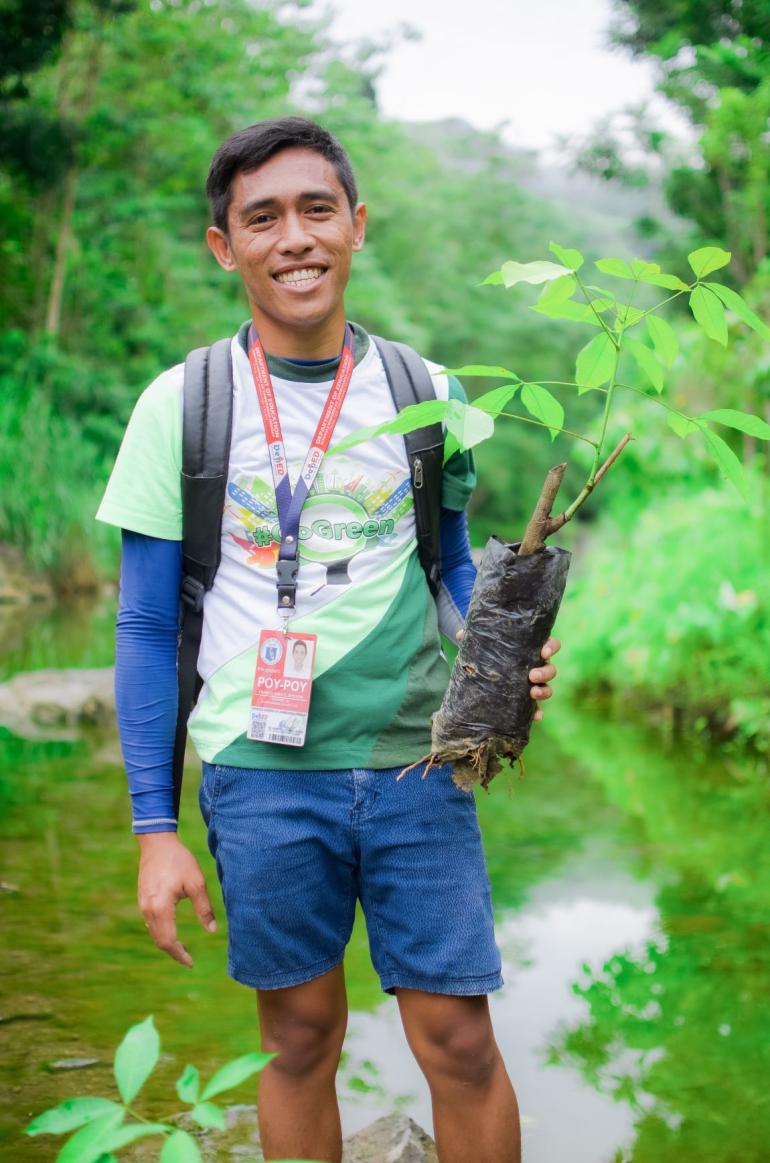
Presently, there are over 10,000 endemic forest and fruit trees planted along the streams of the municipal watershed. These trees play a crucial role in preventing erosion during the rainy season and maintaining a steady flow of water from the streams. The program has contributed to providing the residents of Kabasalan with clean and fresh potable water throughout the year. Through ongoing tree planting, caring, and growing activities, the program has successfully reforested approximately 63 hectares of watershed forest land.
What initially began as a school-based initiative at Kabasalan National High School (KNHS) expanded to include all secondary schools in Kabasalan, adopted by the Local Government Unit as a Municipal Program through a Memorandum of Agreement. In November 2019, KNHS YES-O launched Project DYES (Developing Youth for an Eco-friendly Society) as part of its Adopt-a-Watershed Program, seeking additional support from the community and youth for the rehabilitation of the Municipal Watershed of Kabasalan. Notably, in April 2021, the program played a crucial role in preventing the establishment of a small-scale mining operation that could have had adverse environmental effects. The initiative also formed partnerships to provide local farmers with different technologies for environmentally sustainable livelihoods.
The program effectively empowers youth to become environmental stewards and advocates for change, enabling their participation in local government policymaking. It has successfully engaged various organizations to continue advocating for the safeguarding of the municipal watershed.
THE YOUTH GROUP:
CICCADA
CICCADA is a sustainable fashion brand and movement addressing fashion waste. Fashion waste is highly connected to improper solid waste management, leading to climate issues. The fashion industry is a significant contributor to climate change, as the generation of fashion waste is linked to various climate-related problems, including textile production and pollution, greenhouse gas emissions, fast fashion and overconsumption, as well as landfill and incineration
Much of the planet is affected, as we all consume clothes that are not treated sustainably and circularly. Big companies are accountable for massive fashion demands while they have dedicated little effort to creating a sustainable bond with consumers. Fashion is a two-way engagement between producers and consumers. At present, it is mostly producers making more to be consumed, while consumers are divided between being aware and educated and having minimal concern aside from being clothed.
CICCADA focuses its efforts in Albay, Bicol region, where the coastal community faces a serious solid waste management issue, including fashion waste. Unaware of the effects of fashion, Albayanos continuously consume clothes, easily disposing of unwanted garments in landfills and Albay's water bodies. Over the last four years of working on fashion waste, and the organization has seen that even the biggest waterway of Legazpi City is filled with unused garments from footwear to textile products.
THE CLIMATE ACTION:
CICCADA Sustainable Fashion
CICCADA is helping solve the problem with the following steps:
-
Art-based experiential learning: We conduct workshops and capacity-building programs that revolve around creative approaches, allowing learners to be immersed more deeply.
-
Field immersions: In addition to creative lectures, we integrate fieldwork that enables learners to experience the environment we are striving to protect.
-
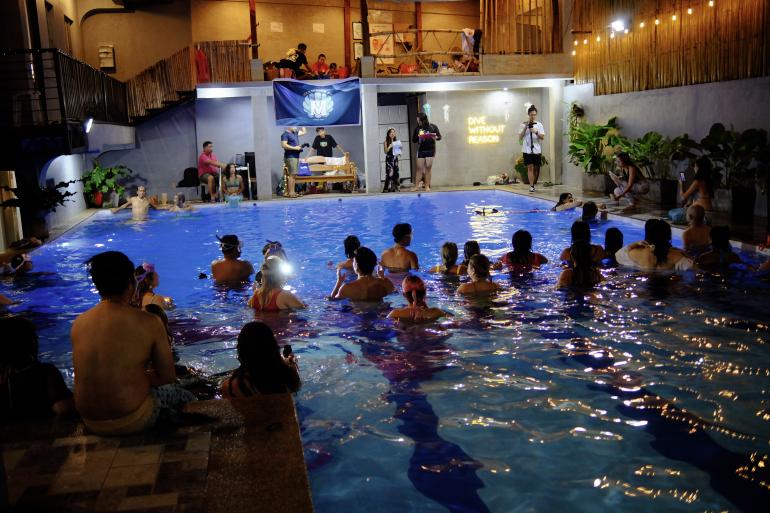
Art shows, exhibits, and campaigns. To foster long-term learning, we have created storytelling mediums through our pool of creatives to produce environmental films and comics. The organization has worked with two coastal communities in two years, championing ocean protection from fashion waste, collaborated with a social enterprise in a coastal community, and produced two environmental short films. An environmental superhero comic book is being developed, supported by the SparkProject.
-
Partnerships. To strengthen our efforts, we have built a network composed of government offices like DENR Region 5 and EMB Region 5, fashion schools in Makati City like iAcademy and the School of Fashion and Arts, NGOs like Greenpeace PH and WWF Philippines, coastal SK groups, and local brands and artists.
Our main audience is Albayanos, especially focused on the younger generation and organizations with buying capacity or influence in purchase (e.g., influencers, organizations endorsing fashion). Working with these groups allows us to educate and deepen their understanding of their field of interest, showing them sustainable shifts and what to avoid.
Results over the past four years, championing sustainable fashion, include long-term partnerships with NGOs, more than a hundred speaking and storytelling engagements, and the raising of around PhP 30,000 from the sales of our last collection through the Sirena campaign. There is a need for bigger platforms to share our story and to fund our storytelling efforts to finally publish a comic book series for circulation to schools and partner brands.
THE YOUTH GROUP:
Lalakbayin
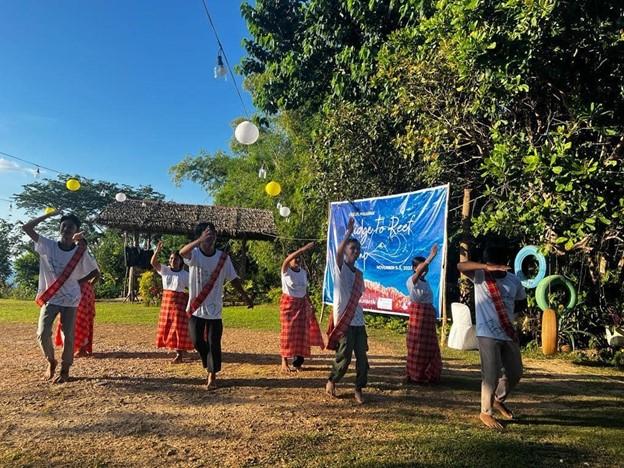
The Ridge-to-Reef camp in Coron, Palawan, addresses environmental degradation caused by illegal fishing practices and mass tourism, which impact the ecosystems of the Calamianes region. Despite the increased Marine Protected Areas (MPAs), ongoing conservation efforts are necessary to combat this issue. The coastal communities, relying on these ecosystems for sustenance and income, face threats to their livelihoods due to environmental degradation.
THE CLIMATE ACTION:
Ridge-to-Reef Camp
The camp tackles this issue by offering hands-on experiences to young participants, involving activities like marine surveys, farm tours, and tree planting. The initiatives encourage sustained engagement by inspiring the local youth to adopt and document their MPA experiences, fostering advocacy within their communities. This program stands out due to its multi-stakeholder approach involving collaboration with government, private sector, and community-led organizations. The program aims to empower and educate coastal communities, especially the youth, advocating for their active participation in safeguarding the Calamianes ecosystems, particularly the MPAs, using a sustainable, transdisciplinary approach.
The Ridge-to-Reef camp's success in Phase One was made possible through a strong collaboration with various stakeholders. This collaboration involved 14 partner organizations, including government entities, private sector companies, and community-led groups. Together, their collective efforts played a crucial role in driving impactful change. Furthermore, the dedicated leadership team, consisting of nine individuals, and the invaluable contribution of 30 young environmental leaders significantly contributed to the program's success. Their unwavering commitment and active involvement were vital in implementing effective strategies and initiatives. Highlighting the significance of partnerships, the project's alliance with the Austrian Embassy and collaboration with the local government are standout achievements.
THE YOUTH GROUP:
Iloilo A’TIN (SB19 fanbase in Iloilo)
Every year, tons of trash and various pollutants find their way into the sea. Some are washed ashore by the waves, while others are consumed by marine animals. The impacts of litter on global warming and the economy are often overlooked, if not disregarded.
Ocean trash poses dangers to both animals and humans as it directly contributes to greenhouse gas emissions. As the Earth's heat is trapped, oceans warm up, and storms intensify—a phenomenon frequently experienced in the Philippines. The climate impact goes beyond destroyed houses and flooded streets, resulting in loss of life and economic damage. Many children are compelled to halt their education, and even remote learning becomes impossible due to electricity cuts. Some children become orphans, having lost their parents, or suffer from hunger as their parents lose their livelihoods.
This trash also disrupts the food chain. Marine plastic pollution, when broken down into microplastics, harms sea animals and organisms that ingest them. This disturbance not only affects the marine ecosystem but also reverberates throughout the entire food chain. When smaller organisms containing toxic chemicals are consumed by larger animals, these chemicals become part of their tissues. As these toxins move up the food chain, they eventually become part of the food that humans consume.
THE CLIMATE ACTION:
#PablueOcean Iloilo Environmental Clean-up Drives
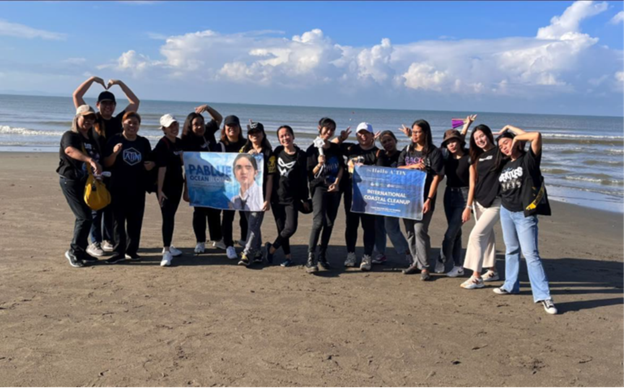
SB19 members, being youth ambassadors, also advocate for environmental protection. As fans, we want to celebrate their special occasions and victories in ways that allow us to connect with them. The 'blue ocean wave' is famous in the A’TIN fandom, as our color is blue, and when we wave our blue light sticks during events, it creates blue waves—hence, the 'blue ocean wave.'
The #PablueOcean Iloilo was formed in alignment with their advocacy. This is a celebration of SB19 Pablo’s birthday for a cause. This initiative by Iloilo A’TIN aims to create awareness of the impact of unmanaged waste and encourage community participation in government initiatives for a better environment. A’TIN fanbases worldwide often engage in environmental activities. In Iloilo, we utilized our platform by participating in the International Coastal Cleanup 2023, focused on 'Clean Seas for Healthy Fisheries, Sustainably Feed the Global Population’.
Our fan base, primarily composed of young people, actively participated in this event. Surprisingly, even individuals in their late 30s and retirees joined in. By utilizing our social media accounts before and after the event, we gained engagement from casuals and fans from different parts of the globe. From this activity, we realized several things: fans and fanbases can align with the artists we support and make a difference in the world; we removed one less piece of trash from the ocean and informed one more individual of its impact on the climate. We believe this can create more ripples in the future.
THE YOUTH GROUP:
SK Municipal Federation - Catubig, Northern Samar
Catubig is one of the municipalities in Northern Samar. Our town is often devastated by typhoons, massive flooding, and other man-made crises, such as insurgency. Children and youth are vulnerable during these disasters. Many of our children and youth are affected because they lack the skills to prepare for the various disasters that may come to our area. The health, well-being, education, and livelihood of children and youth are impacted by these disasters. The problems that need to be addressed include the lack of Disaster Risk Reduction and Climate Change Adaptation (DRR-CCA) related information and skills among young people. Additionally, there is a need to foster the spirit of volunteerism among young people.
THE CLIMATE ACTION:
Kabataan Dapat Ready Emergency Preparedness Trainings
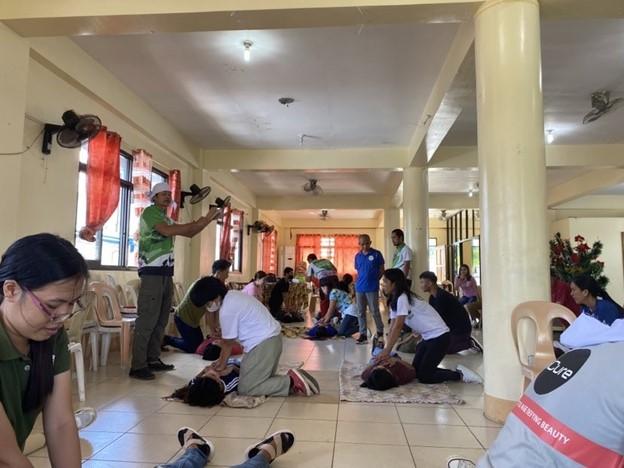
Through the Kabataan Dapat Ready Project, our organization, in collaboration with the Local Government Unit (LGU), Municipal Disaster Risk Reduction and Management Council (MDRRMC), Municipal Disaster Risk Reduction and Management Office (MDRRMO), Local Youth and Development Office (LYDO), volunteers, and Non-Governmental Organizations (NGOs), has worked jointly to provide training in Family Preparedness Skills, First Aid, and Basic Life Support to young individuals. The organization has conducted training sessions for youth groups, aiming to enhance the capacity of young people in the respective barangays of Catubig, fostering resilience, adaptability, and preparedness skills.
However, the challenges of this project include insufficient funds for our organization to reach a larger audience of young people. We are actively seeking additional support for capacity development projects and Disaster Risk Reduction and Climate Change Adaptation (DRR-CCA) equipment to enhance our skills and stay updated with the necessary information to support the project. Additional funding and more partners are needed to expand the project's reach and implement other DRR-CCA initiatives, such as Tree Growing, River Clean Up, Biodiversity conservation, as well as psycho-social support programs.
THE YOUTH GROUP:
Raise For Habitat
Catanduanes, as an isolated province part of the Bicol Region, experiences the greatest impact and challenges brought about by the disastrous effects of climate change, particularly from natural disasters. This indirectly contributes to the long-term hindrance in the socio-political resilience and advancement of its communities and households. Annually, Catanduanes faces up to three strong typhoons, some of which may escalate to the Super Typhoon Category due to the intensifying effects of climate change.
Ten out of eleven municipalities in Catanduanes are coastal communities. Issues such as illegal, unreported, and unregulated fishing, which deplete marine resources, the destruction of coral reefs due to gaps in integrated coastal resource management, and wasteful mangrove plantings are challenges that we are striving to address. The initiative recognizes that by educating people about the effective management of these resources and the benefits it brings, they will develop an appreciation for these resources, treating them as indispensable parts of their lives.
On the terrestrial front, illegal wildlife activities, poaching, and the undervaluation and non-appreciation of their significance to the environment and economy contribute to the collapse of biodiversity. This, in turn, poses threats to children's rights and an equitable environment, leading to further marginalization of different sectors.
THE CLIMATE ACTION:
A Livable Home for Catandunganon, A Biodiversity Advocacy
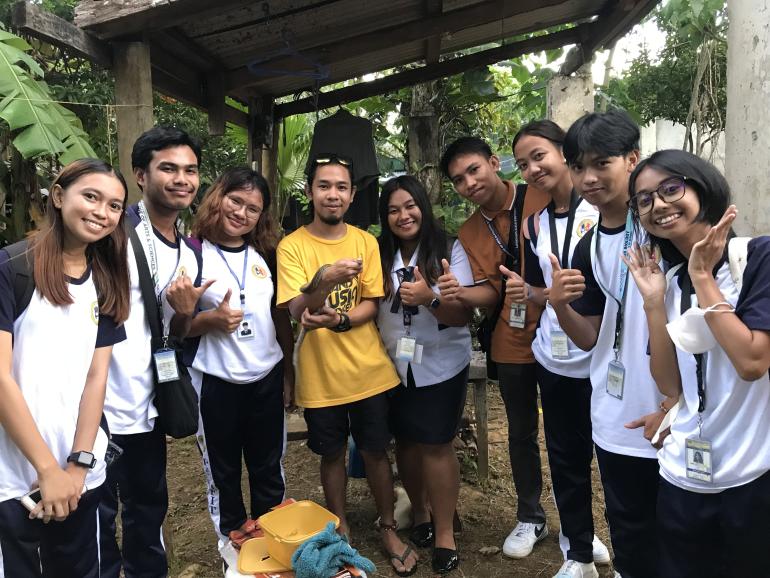
Raise for Habitat promotes the significance of bounteous biodiversity from terrestrial to marine ecosystems and emphasizes its interrelation to the sustainability of the livelihood of Catandunganon through media engagement and on-the-ground educational campaigns.
Raise for Habitat is comprised of youth conservationists, environmental, and climate activists deeply involved in climate change education for both youth and the public. They exert pressure on the government to take action on climate change through policy lobbying and recommendations for the optimal utilization of science-based solutions that are climate-sensitive. The organization has underscored children’s rights against adverse effects on a healthy, clean, and sustainable environment. Duty-bearers must be held accountable if this planetary crisis and climate emergency continue, as it threatens the best interests and survival of children, creating more inequality.
The recent policy contribution of the organization involved organizing climate organizations to lead the opposition to the Provincial Ordinance that welcomed coal mining in the entire island province. Mobilization and lobbying successfully repealed the enactment while championing environmental conservation and protection for the seventy-percent forest cover of Catanduanes designated as a “Natural Park” against mining activities.
The organization’s commitment to different sectors, particularly children and youth, does not deter threats and intimidation received while protecting others' rights. However, the organization demands that leaders protect environmental defenders and make the 'climate fund' and other developmental support for youth empowerment in climate work more accessible, especially to vulnerable communities often affected by climate disasters.
Through a behavior change approach in most of our campaigns, there is apparent quantitative monitoring of impacts at the individual and group levels to ensure that learnings amplify and ripple.
While mobilizing and organizing, the initiative faces challenges in delivering campaigns to the audience. Thus, there is a need for capability-building and training, as well as funding support for youth-led ideas and programs.
THE YOUTH GROUP:
Kagay-anon Youth Network Alliance (KAYA NA)
The community is facing a critical environmental challenge characterized by inadequate awareness and understanding of the pressing issues surrounding improper solid waste management and plastic pollution. This lack of awareness results in an alarming environmental degradation trend. The absence of effective initiatives and educational programs exacerbates the problem. Without proper education and engagement, the community is at risk of continued environmental degradation, hampering the overall well-being and sustainability of the local ecosystem.
THE CLIMATE ACTION:
Project MARKA
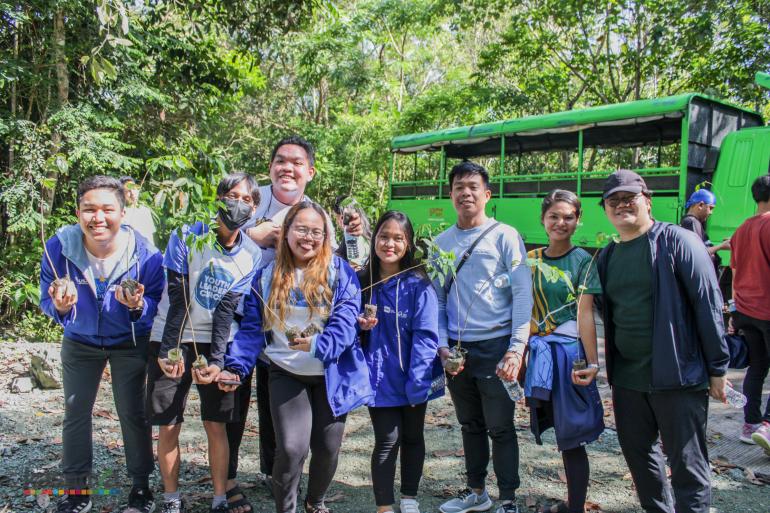
an environmental education campaign and a volunteering activity that focuses on helping the youth and community members with the importance of understanding the need for environmental conservation. MARKA derives from the Cebuano term for “mark” because the project aims for the youth to leave a mark as environmental heroes. A mark that inspires, communicates, and engages their fellow youth to appreciate and conserve the environment by practicing managing solid waste and conducting tree-growing activities.
This initiative aims to raise awareness about environmental degradation, focusing on issues like improper solid waste management, issues on plastics. and importance of growing trees. The project involves the youth, especially the out-of-school youth. Since the implementation, the team has provided two Materials Recovery Facilities to two different schools, provided information sessions to students and youths about solid waste management, and planted around 300 forest trees.