

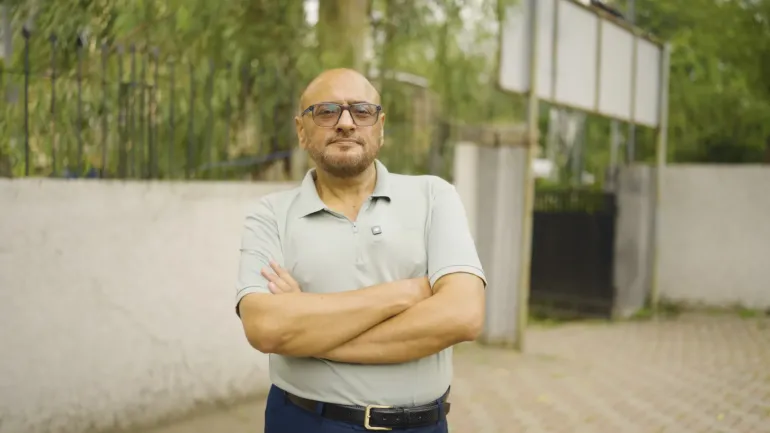
My name is Ijaz. In my language, Ijaz means “miracle.” Looking back, perhaps that name was chosen for me for a reason. Living with polio and refusing to let it define the boundaries of my life, has in many ways been my own little miracle.
I was the youngest among my siblings. When I was growing up, polio vaccines were not widely available in Pakistan, especially in the small town where we lived. We never really understood how I got polio.
Like every child, I wanted to run, play, laugh and belong. But I learned very early that wanting to participate and being able to participate were not always the same thing.
I still remember the rain. When it rained, the other children would rush outside, running through the water, and chase one another. I wanted to join them. I would try to run too, and then I would fall. I would get up, try again, and fall again. Eventually, tired and embarrassed, I would move to a corner and watch the others play. They may have forgotten those moments the next day. I never did.
There were many moments like that. If I tried to move a chair or lift something, someone might say, “Leave it. You cannot do it.” They probably thought they were helping, but to a child, those words could mean something much bigger: you are not capable.
Sometimes people did not even call me by my name. They called me “Gudda,” the limping boy in Pashto. For the person saying it, the words may have meant very little. For the child hearing them, they stayed for a lifetime.
There were times when I felt ashamed. I wondered why God had given me this challenge and why some people seemed to see my disability before they saw me. At every prayer, one request came first to my lips: “Oh Allah, please heal my leg.” But my leg did not heal; something else happened. I found the strength to build a life around it.
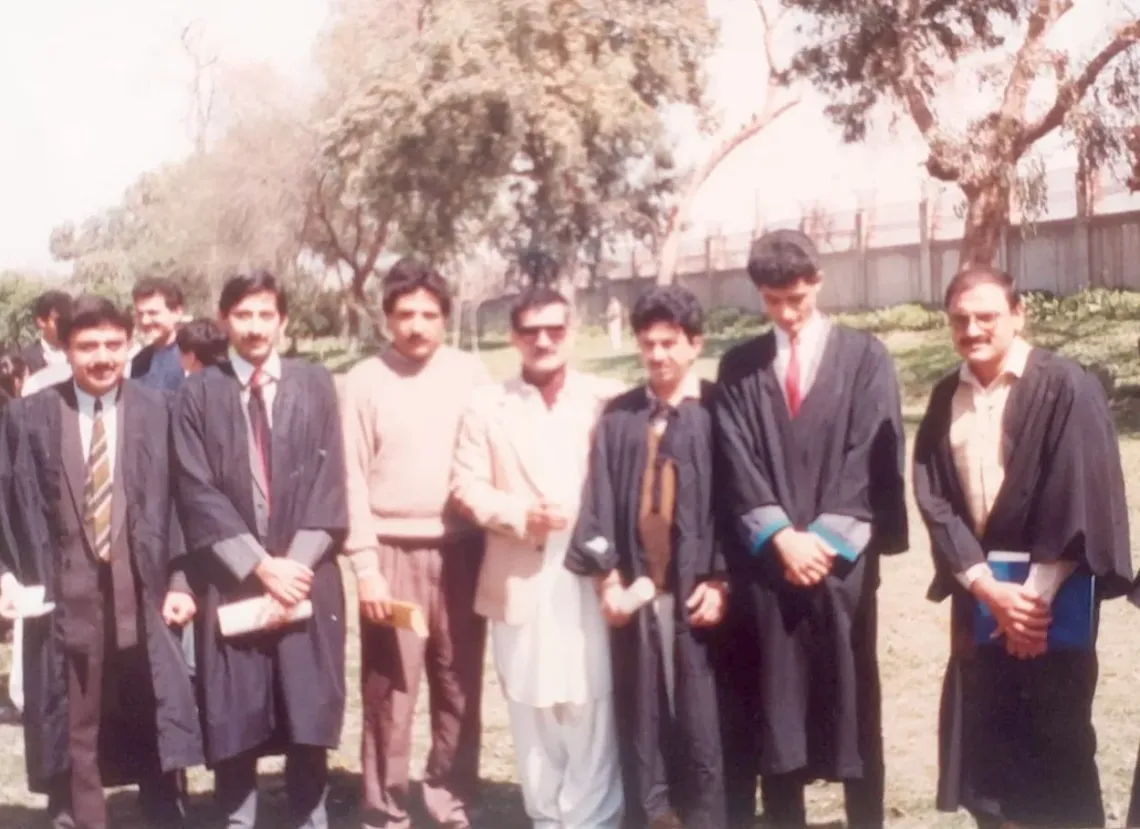
I was fortunate to have what many children with disabilities do not always receive: a family that believed in me. With their support, education became my way forward. The boy who once sat in a corner watching other children run went on to complete a master’s degree and receive a gold medal. For me, that medal meant far more than academic achievement. It quietly answered all those childhood voices that had said, “You cannot do it.”
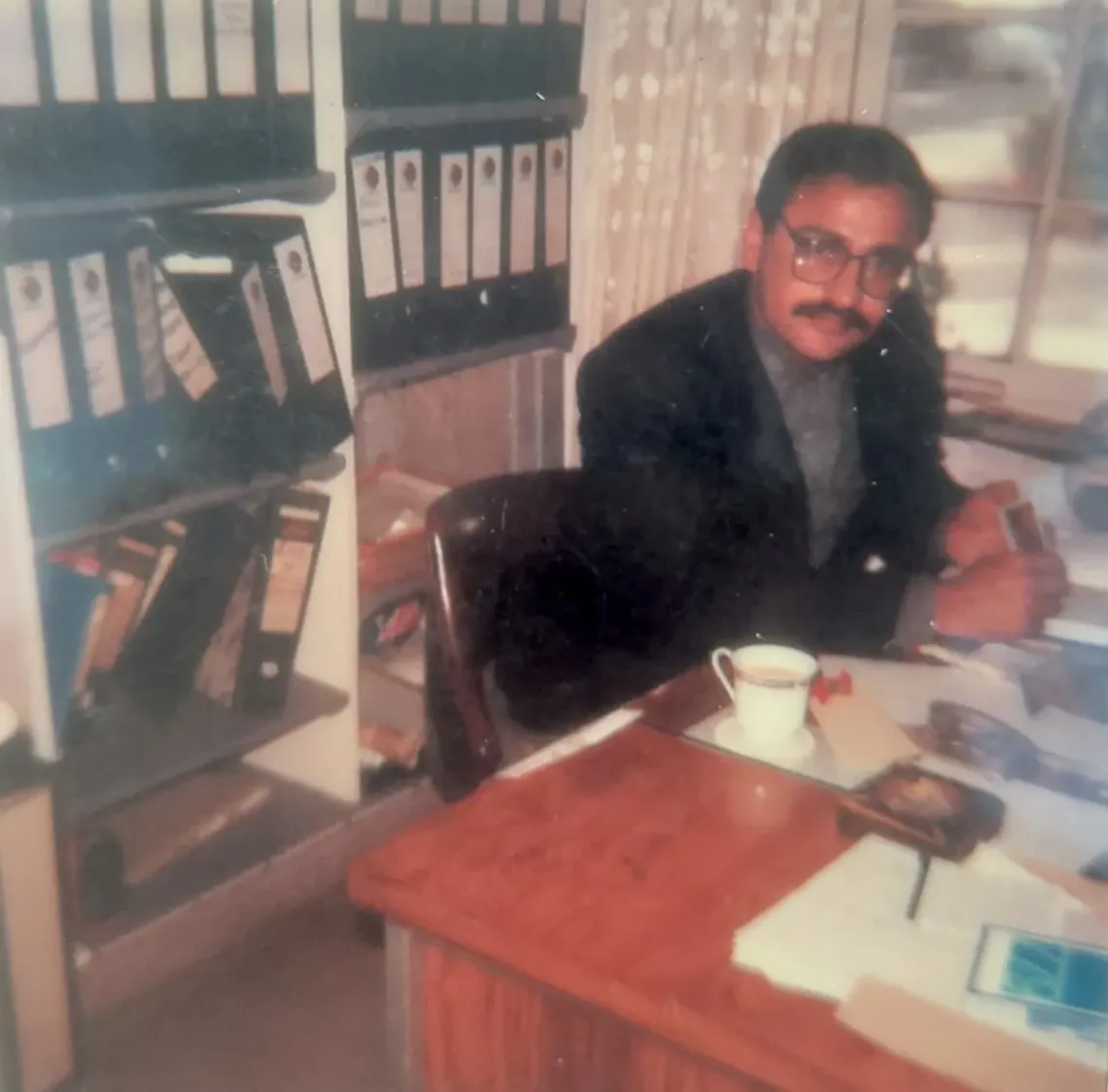
My career eventually took me into humanitarian and development work. Over the years, I worked with people and organizations who focused on what I could contribute rather than what my body could not do. UNICEF was one of those organizations. I progressed into senior human resources leadership, including serving as Chief of Human Resources in UNICEF Yemen. I did not reach there because I had polio. I reached there because I was given the opportunity to demonstrate what I could do. That distinction matters.
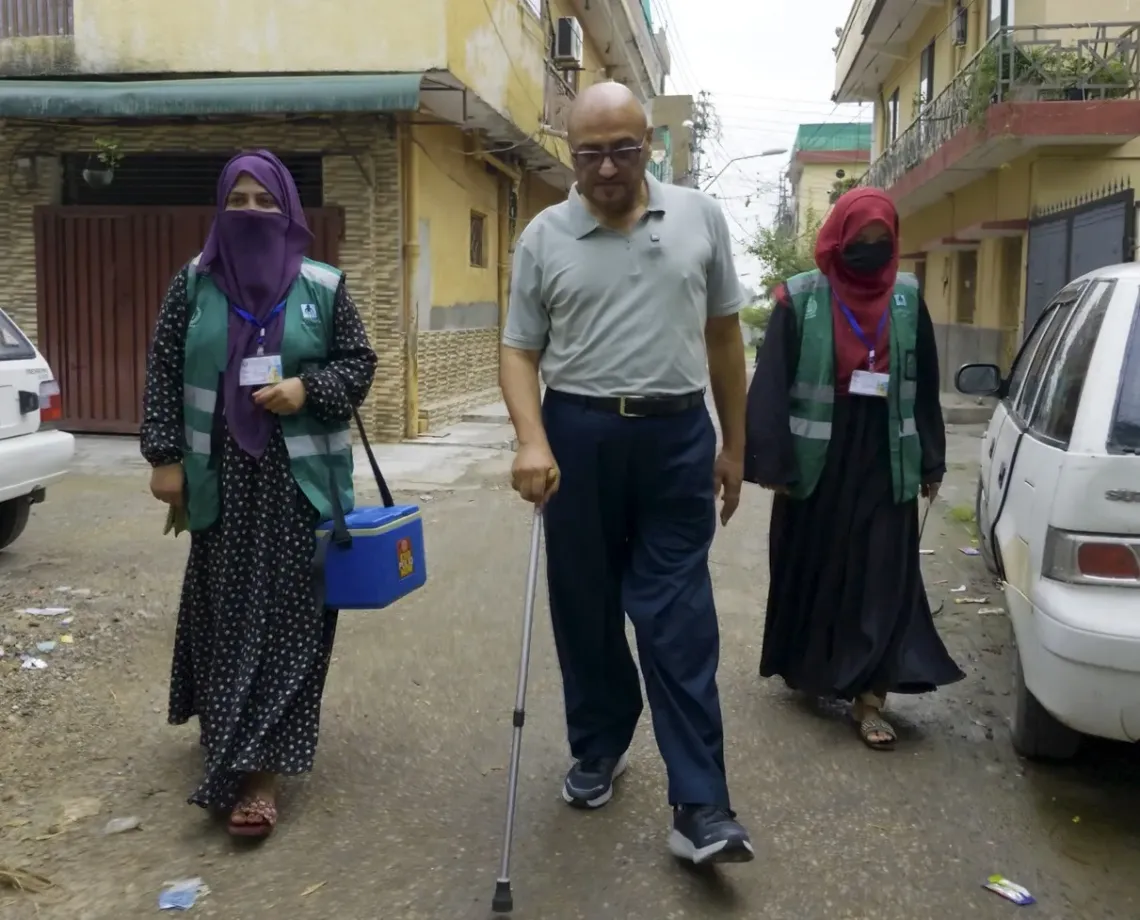
Inclusion is not about feeling sorry for a person with a disability. It is about removing barriers, respecting differences, and giving people equal opportunities to show their abilities. But I often ask myself: is every child affected by polio given the same opportunities I had? I know the answer.
That is why it pains me that children in Pakistan are still at risk of a disease we know how to prevent. It is even harder to hear parents refuse vaccination because of rumours or misinformation. I sometimes wish people could understand, even for a day, what living with polio means. Try getting out of bed with one leg unable to function normally. Try climbing stairs, walking through a crowded street, or keeping up with your friends. Then imagine that this is not for one day. It is for life.
And even that would show only physical difficulty. It would not recreate the embarrassment of falling in front of friends, being called “the limping boy,” or sitting in a corner while other children played in the rain.
Today, I am a father of two daughters and a grandfather of three grandsons. I have made sure that the children in my family are vaccinated because I know something about polio that no rumour can teach. I have lived it.
Life has tested me in other ways too. I have survived major heart surgery and, more recently, treatment for Stage IV blood cancer. Each challenge has reminded me of something I first learned as that little boy who kept getting back up after falling: being physically weak in one way does not mean you stop being useful, strong or needed.
At 64, I still live with the physical consequences of polio. I cannot go back and change my childhood. But Pakistan can change the childhood of another Ijaz. Another child does not need to sit isolated in the corner watching friends play. Another child does not need to spend years proving that an affected leg does not mean a limited future. And no parent should have to look back and say, “I wish I had vaccinated my child when I had the chance.”
My name is Ijaz. It means miracle. I have been fortunate to experience many miracles in my life: a loving family, education, a meaningful career, compassionate colleagues, and the privilege of serving children and communities through UNICEF.
But there is one more miracle I hope to witness: a Pakistan where no child gets polio again. We already have the means to make that possible.
Vaccinate every child. Protect every child. And give every child the chance to run in the rain.
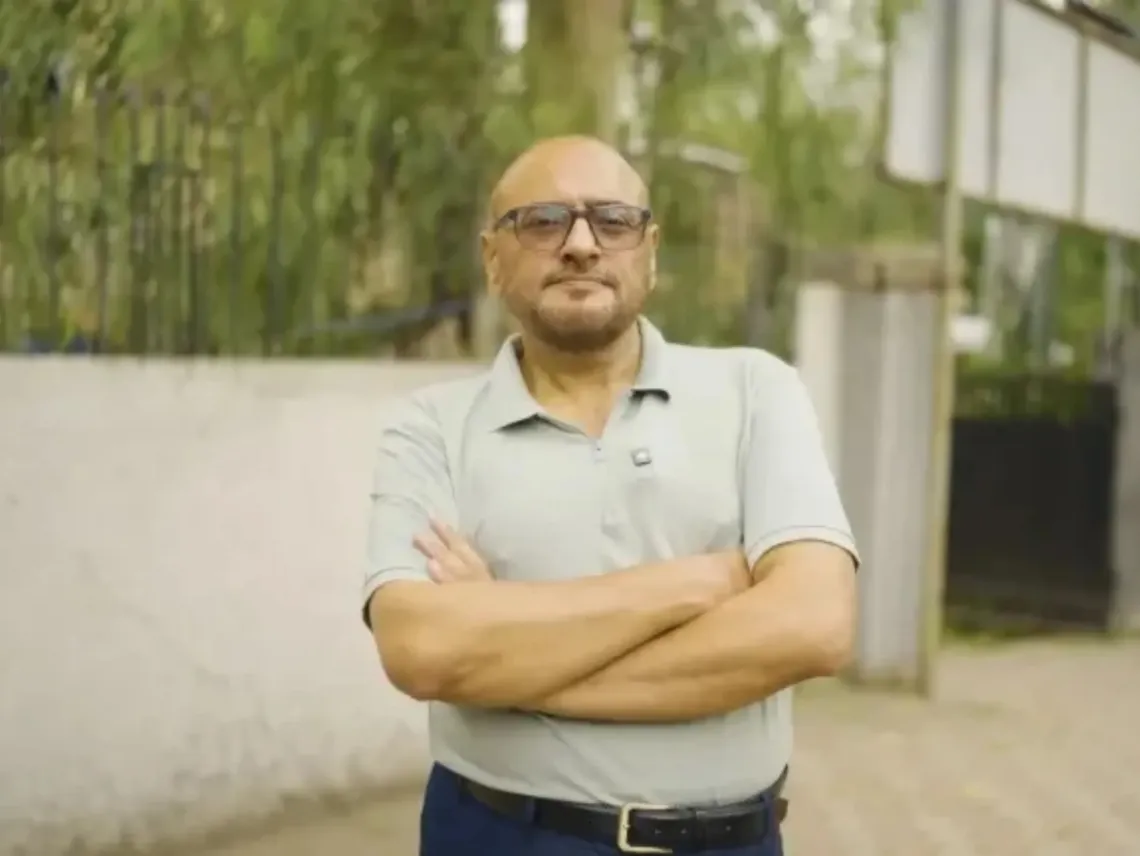
About the author
The author served with UNICEF for over 12 years in various leadership and management roles. He has extensive experience in human resources and administration, including serving as Human Resources Manager in Yemen. He holds a Master’s degree in Public Administration and was awarded a gold medal for academic distinction.
