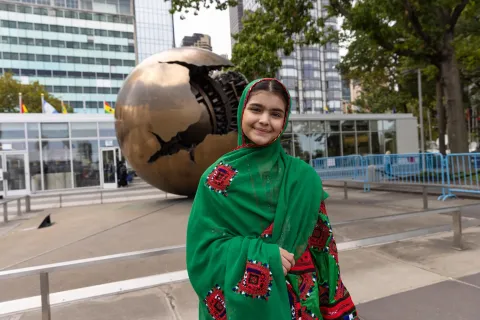
Girls shape change, even in the toughest circumstances. This year, International Day of the Girl was an inspring reminder of that. Across South Asia, girl leaders are speaking up, taking action, and leading solutions in their communities, especially in times of crisis.
I had the honour of being part of the regional celebration hosted by UNICEF South Asia, SAARC, and Plan International Nepal under the theme “The Girl I Am, The Change I Lead: Girls on the Frontlines of Crisis.” The event brought together adolescent girl advocates, country teams, and regional experts for a half-day consultation focused on amplifying girls’ voices and ideas.
As a UNICEF Pakistan Youth Advocate, I had the honour of joining the Health and Nutrition breakout session, as a youth panelist alongside experts and fellow young leaders from across South Asia. Our dialogue focused on “The Double Burden of Malnutrition and Mental Health: Breaking the Cycle for a Healthier Generation.”
For me, it was not just a discussion, it was a chance to represent the voices of girls who are eager to learn, lead, and live healthier lives.

The Missed Lesson in Our Schools
In many parts of South Asia, adolescents, especially girls, often miss out on learning about nutrition, health, and self-care during their school years. They may know the rules of mathematical equations and grammar, but not the importance of iron intake, balanced diets, or how nutrition affects their energy, learning, and mental wellbeing.
During the session, I shared my reflections on how schools and youth programs can better educate young people about nutrition and healthy lifestyles. From my experience, we need to move beyond one-time awareness sessions and adopt a curriculum based approach — one that treats health and wellbeing as life skills, not afterthoughts.
Health Clubs and Youth Leadership
In Pakistan, some schools have started student-led Health Clubs, where girls lead discussions, create posters, organize campaigns, and even plan healthy cooking demonstrations. These clubs make learning about health fun, practical, and empowering. They also build teamwork, confidence, and leadership, all qualities that go far beyond the classroom. When girls design their own awareness campaigns — through art, storytelling, or digital media — the message becomes relatable and lasting. It transforms awareness into action.
UNICEF’s Adolescent Wellbeing and Skills initiatives such as the regional Adolescent Well-Being and Skills Programme operating across South Asia, including Pakistan, equip young people, especially girls, with essential life skills, mental health awareness, and leadership training. These are wonderful examples of how youth can take charge of their learning and wellbeing. Through these programmes, adolescents gain the confidence and knowledge to make informed decisions, promote positive health behaviours, and take part in community-led actions that advance equality and inclusion. These initiatives further show how youth can take charge of their learning and well-being.

Connecting Classrooms and Communities
To make such efforts sustainable, schools should collaborate more closely with local health centers, creating systems for regular health check-ups, nutrition talks, discussing the importance of iron supplementation. Teachers can also play a key role by integrating health and nutrition topics into science or life-skills lessons.
But this change doesn’t depend on adults alone. Young people can be the bridge between schools and communities. We can start peer-learning sessions, co-design school health and nutrition events, and use digital platforms to not only fact-check but also spread accurate, positive health information.
A Shared Vision for Health and Equality
What I appreciated most about the session was hearing the shared passion from experts, policymakers, and young people across South Asia. Every speaker highlighted how deeply connected mental health and nutrition are, and why gender equality must guide every solution.
A healthy girl is not just physically strong. She is confident, capable, and ready to lead. When we invest in girls’ well-being, we invest in a better, more equal future for all.
The dialogue reaffirmed my belief that education and health must go hand in hand. Together, they nourish not just our bodies, but our minds, voices, and futures.

About the Author
Taqwa Ahmad is a UNICEF Pakistan Youth Advocate, peace promoter, and disability rights activist from Pakistan. Born with Spinal Dysraphism, she champions inclusive education, mental health, and girls empowerment. As a UNICEF Youth Advocate, she has spoken on global stages for children’s rights. Taqwa is also an international karate medalist, breaking stereotypes with strength and purpose. She strives for a world where inclusion is a right, not a favour.