From Training to Transformation
Empowering Young Solomon Islanders with Renewable Energy and Green Skills for Tomorrow
Across villages in north to northeast Guadalcanal, young Solomon Islanders are stepping into new roles as technicians, problem-solvers and service providers, helping bring solar power to their communities and shaping a more sustainable future.
Through hands-on training in renewable energy, young people are gaining practical skills in solar installation and maintenance, addressing long-standing gaps in reliable electricity while opening pathways to income and employment. The programme equips participants with technical knowledge, builds confidence - especially among young women - and responds directly to the growing demand for clean energy solutions in the Solomon Islands.
Among the graduates is Salica Kakamo from Taona Village. She joined the SolTech: Building Green Skills for Tomorrow programme with a clear purpose: to support her community’s access to reliable energy while creating new opportunities for herself.
“I joined the training because I believed it would help me and my community, especially in solar installation and maintenance,” Salica said.
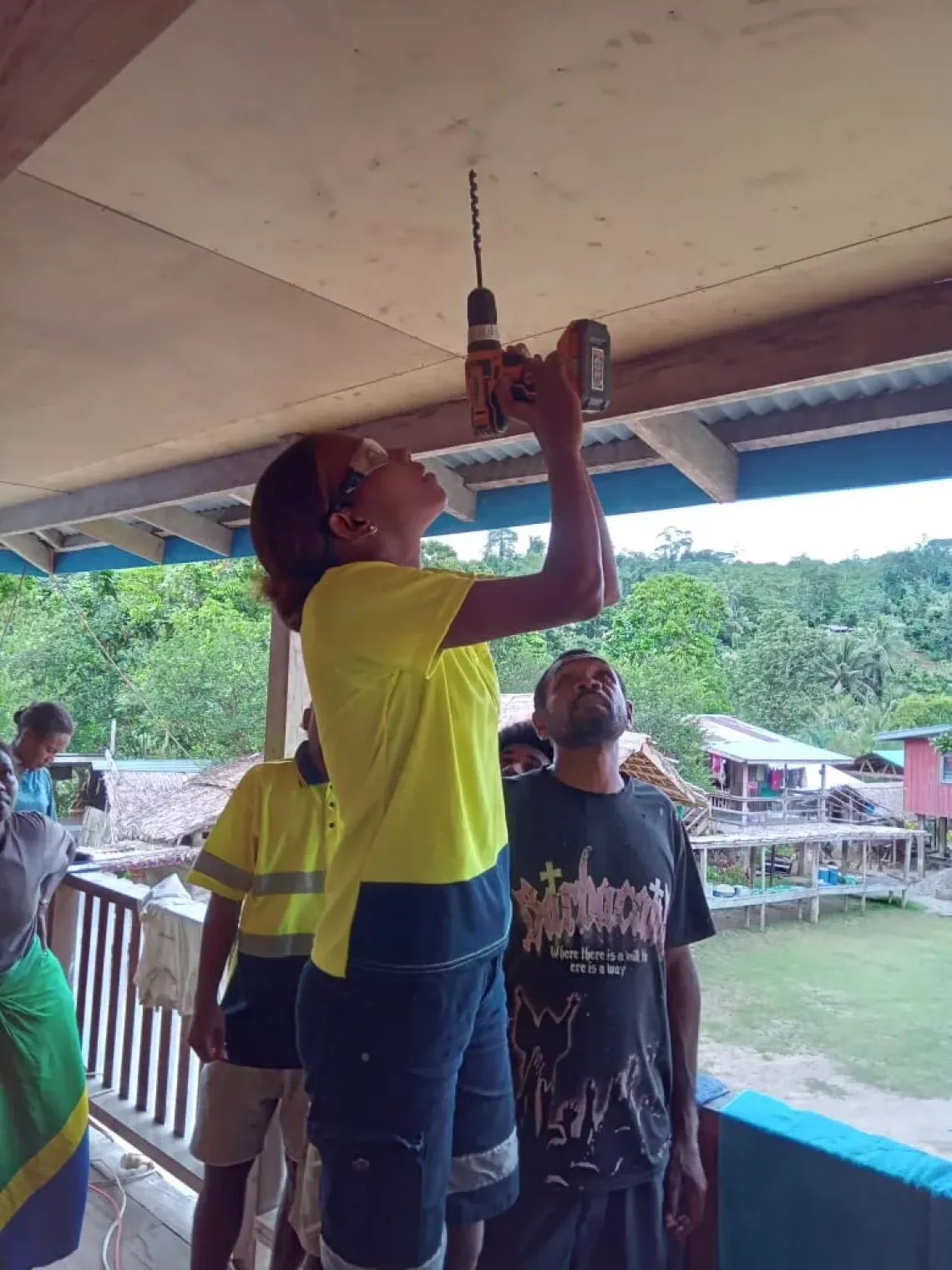
Before the training, Salica, like many participants, had only a basic understanding of how solar systems worked. That quickly changed. She is now equipped with the technical skills to install and maintain solar systems safely and effectively, and has already applied her learning by helping wire a house in Numbu, northeast Guadalcanal.
“I thought solar panels and batteries could simply be connected to produce electricity,” she explained. “Through the training, I learned that installation requires matching the correct ratings and specifications. Safety and efficiency depend on doing it properly.”
With her new skills, Salica plans to return to her community to support families, schools and clinics, while also earning an income.
“This will allow me to earn money to support my family while helping my community,” she said. “In five years, I hope people will recognise my skills and I will have more opportunities to assist with installations and repairs.”
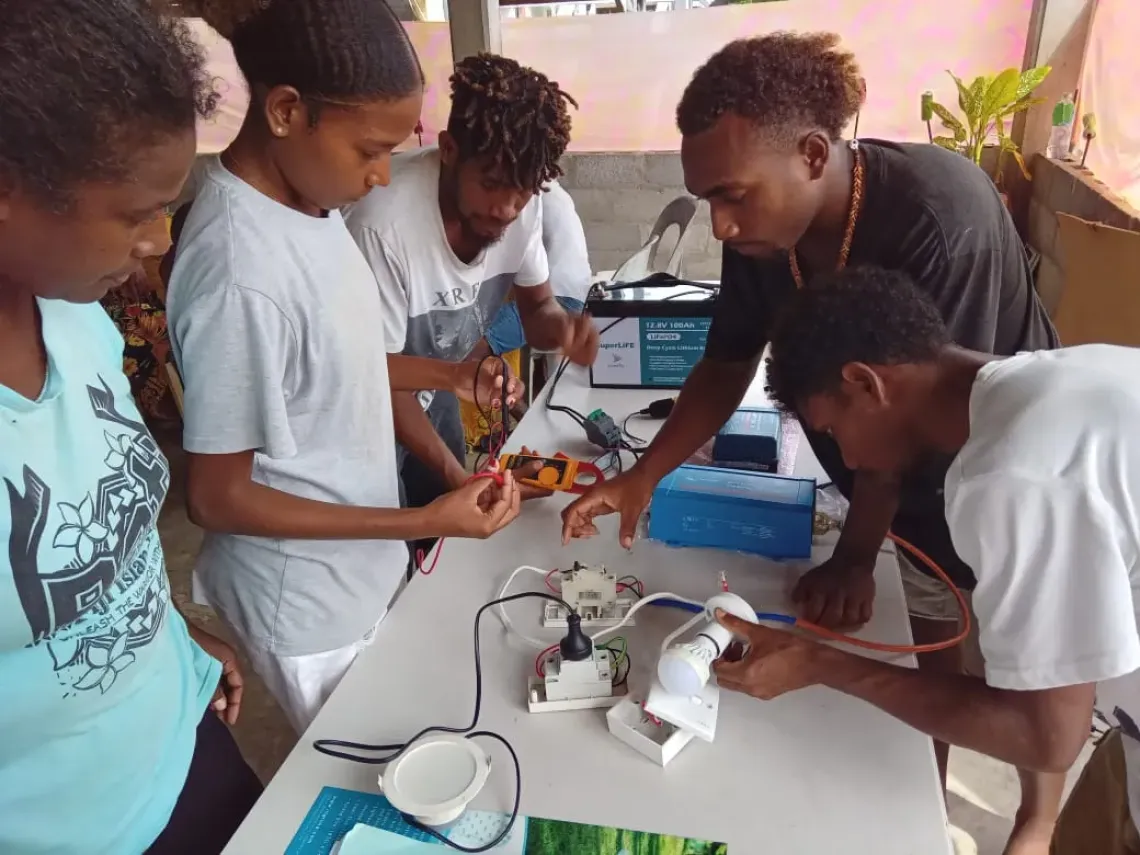
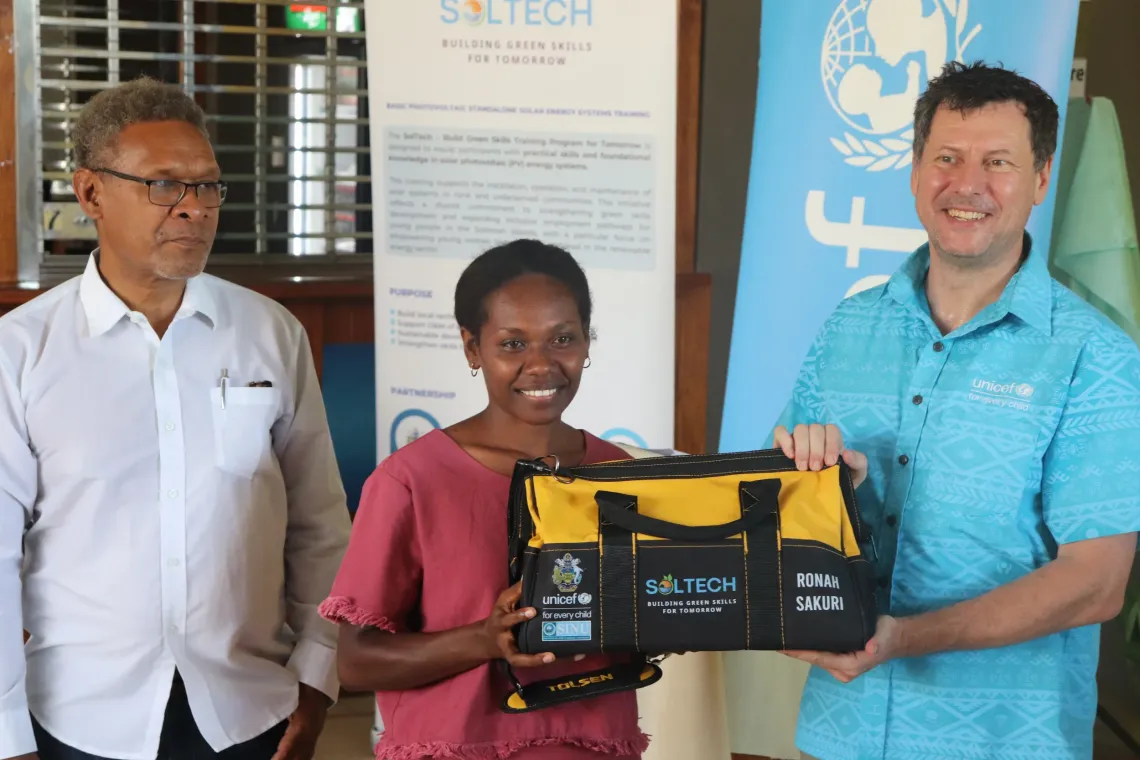
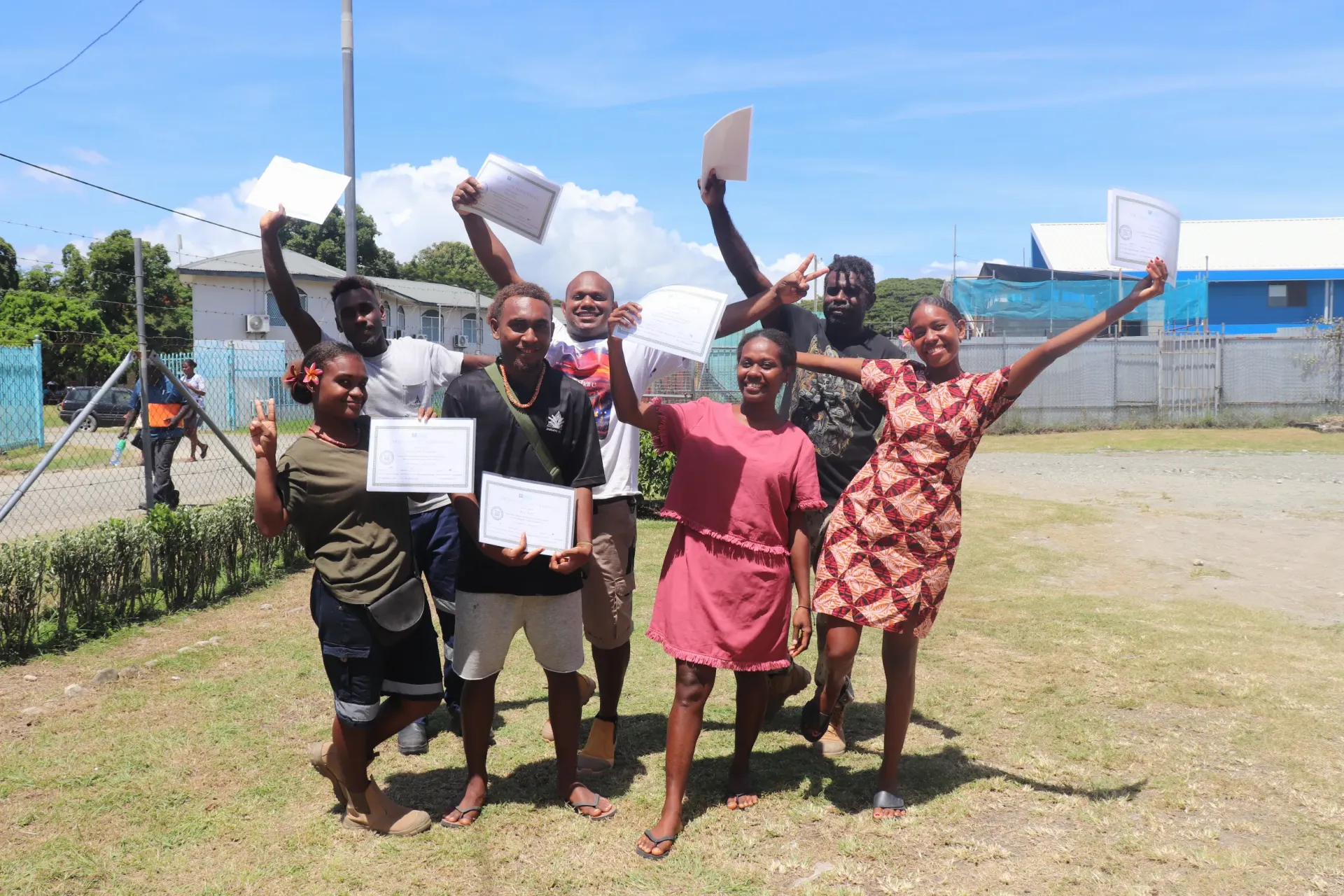
Salica is one of 19 young people who graduated from the programme, gaining practical experience with solar photovoltaic systems and exposure to pathways into the renewable energy sector. A strong focus on inclusion encourages young women to enter technical and STEM fields traditionally dominated by men.
For trainee Ronasah Kuri, the experience challenged long-held perceptions.
“We women can do what men do,” she said. “Technical work like solar installation and maintenance should not be seen as something only men can do.”
Others echoed this sentiment. Lydia Serenasikulo said the training demanded determination but paid off.
“It was challenging at times, especially for us women, but I’m very glad I joined the training,” she said. “These technical skills in solar energy will help me in the long run and also allow me to earn income by providing services in my community.”
Participants also applied their skills during the programme itself, designing and installing a small solar photovoltaic system for the Numbu Community Rest House, which previously had no electricity. By doing so, they delivered immediate benefits while demonstrating real-world readiness.
For graduates like Salica and her peers, the certificates they now hold represent much more than the completion of a one-month course. They mark a transition - from learners to practitioners, from job seekers to service providers - helping power communities, strengthen resilience and advance a greener future for Solomon Islands.
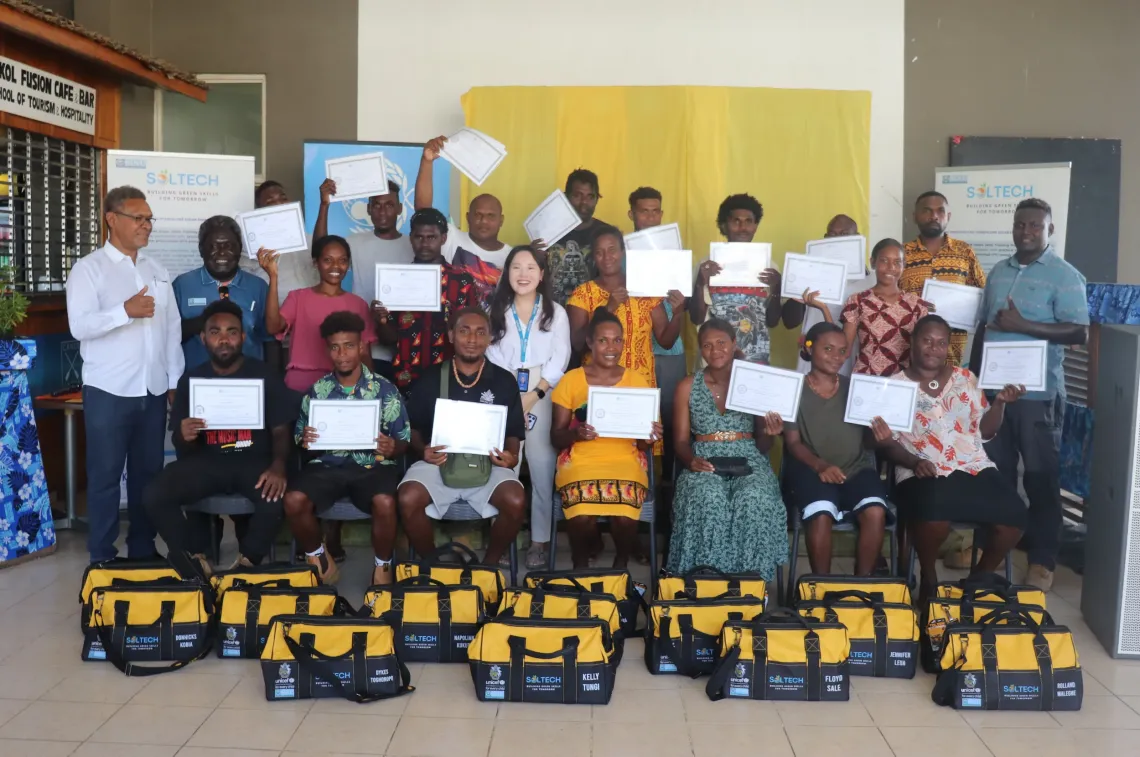
In a country where young people make up a large share of the population, initiatives like SolTech represent an investment not only in skills, but in leadership and resilience.
Funded by the Korea International Cooperation Agency (KOICA) and implemented by UNICEF in partnership with the SINU through its Technical and Vocational Education and Training (TVET) division, the initiative also receives technical guidance from the Ministry of Mines, Energy and Rural Electrification (MMERE).