Samoa Field Office
UNICEF Pacific Field Office
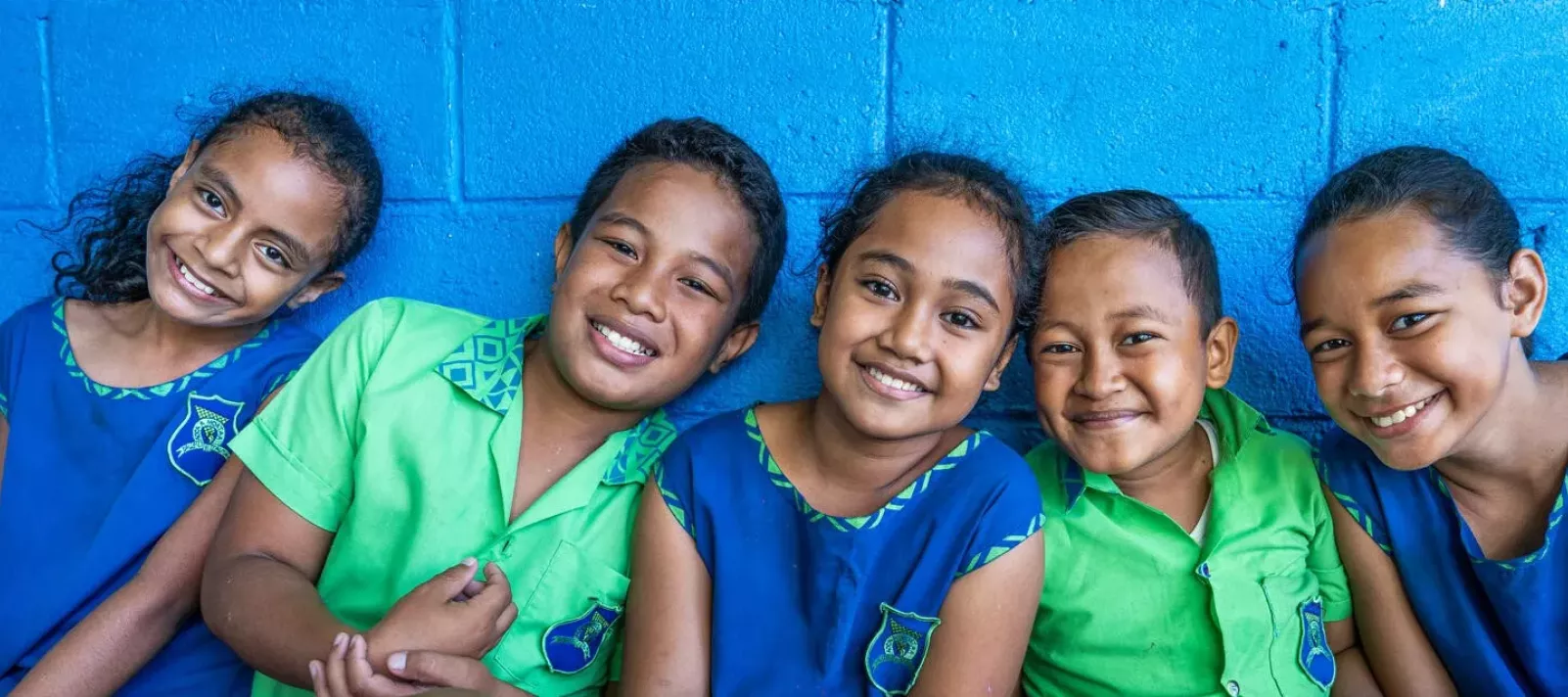
Children in Samoa
UNICEF Pacific has a field office in Samoa, which also supports our programmes in the Cook Islands, Niue, and Tokelau
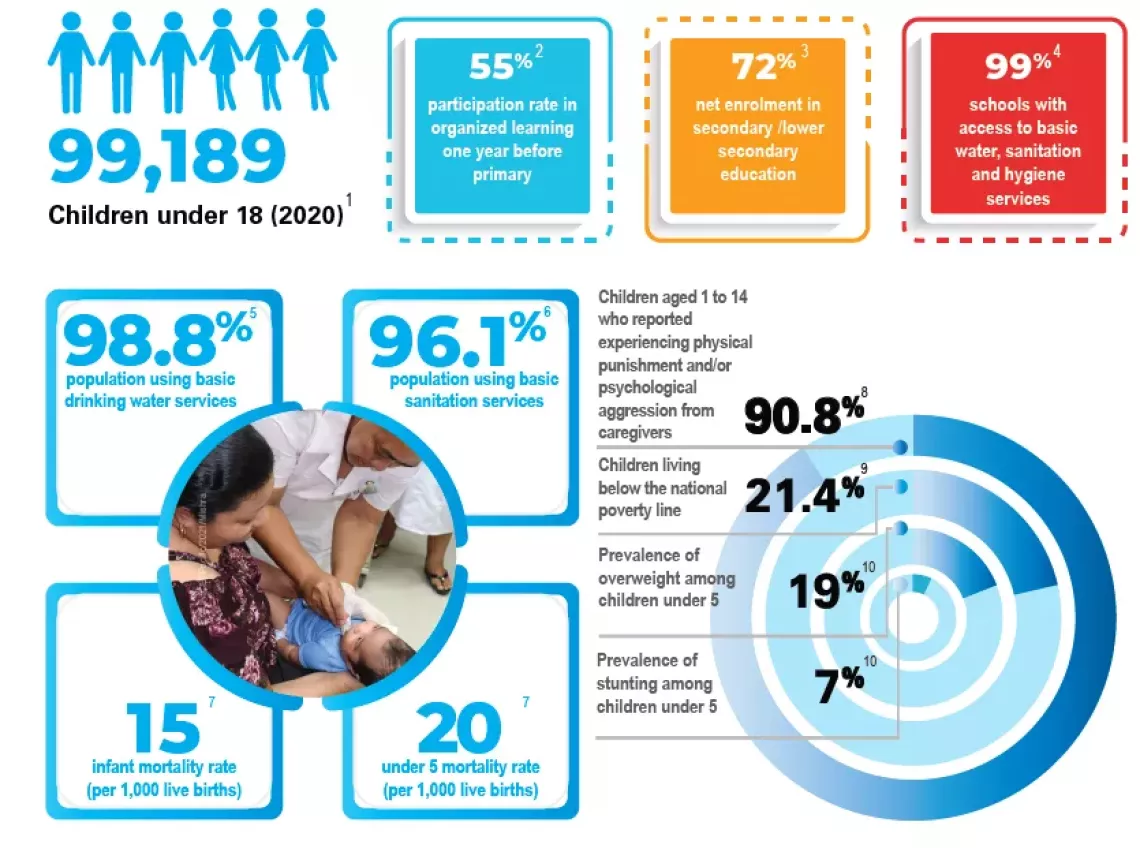
One of 43 nations on the Climate Vulnerable Forum, the Polynesian Pacific Island country of Samoa consists of 10 islands, with its capital of Apia located on the main island of Upolu. The country’s population of 198,600 includes approximately 99,189 children.
Most of the country’s population live in rural areas, with only 18.9 per cent concentrated in urban areas.
Agriculture is the main industry in Samoa, followed by fisheries, tourism and small scale manufacturing, all of which are under increasing threat from natural disasters.
A significant number of Samoans leave the country to work abroad, with the result that remittances are a key source of household income.
Emerging Issues
While Samoa is already frequently affected by tropical cyclones, these are predicted to increase in frequency and severity because of climate change. Like many of the Pacific islands, environmental vulnerability is the country’s top challenge to sustainable development.
Sea levels in Samoa are rising faster than the global average, which greatly increases the country’s vulnerability to adverse climate-related risks, as more than 70 per cent of the population live in low-lying coastal areas.
Environmental degradation including coastal erosion, is likely to result in loss of land, property and dislocation and affect Samoa’s water supply, food security and the health of its people, especially children.
High rates of violence against children remains of concern, with approximately 90 per cent of girls and boys subjected to violence in their lifetime, while mental health is a serious problem among Samoan adolescents.