Fiji Head Office
UNICEF Pacific Head Office
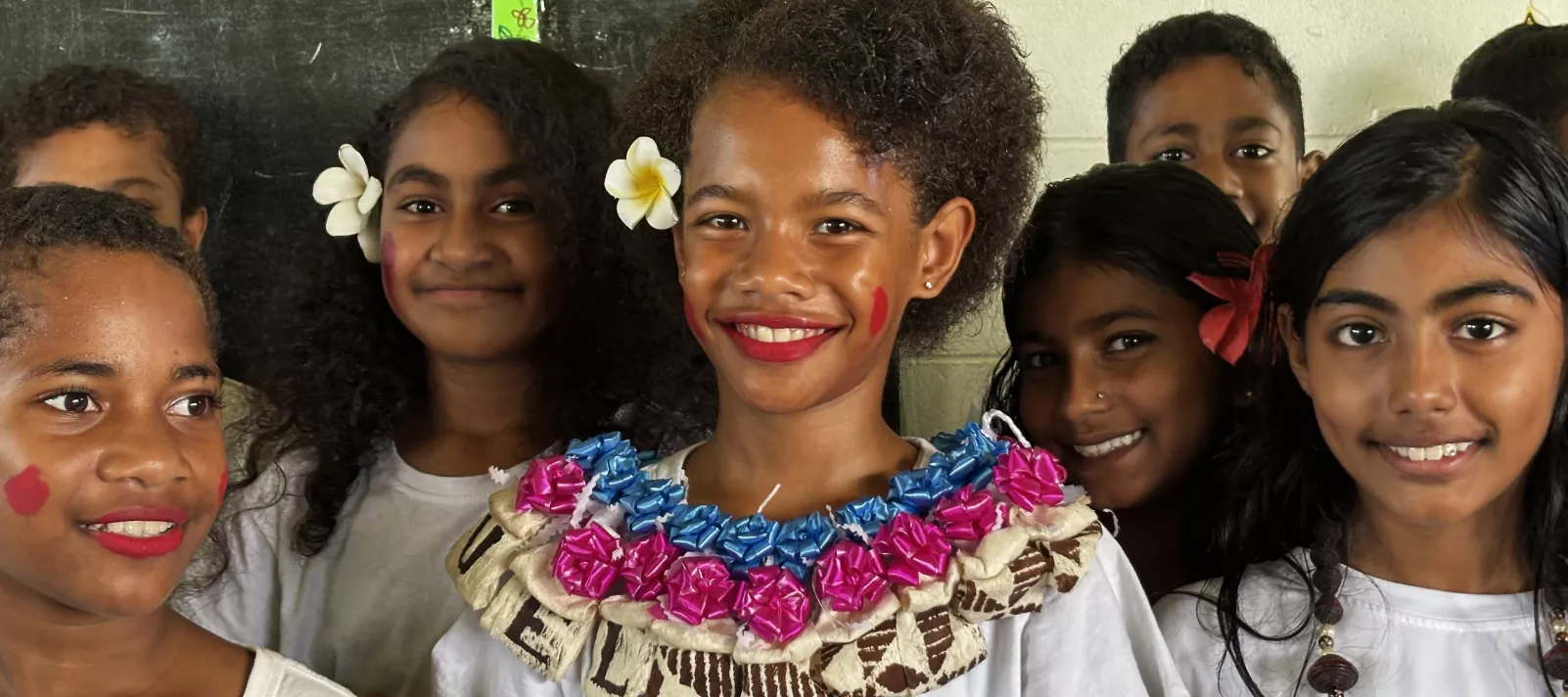
UNICEF Pacific head office is in Fiji, providing support to all the field offices, as well as our programmes in Tonga and Tuvalu
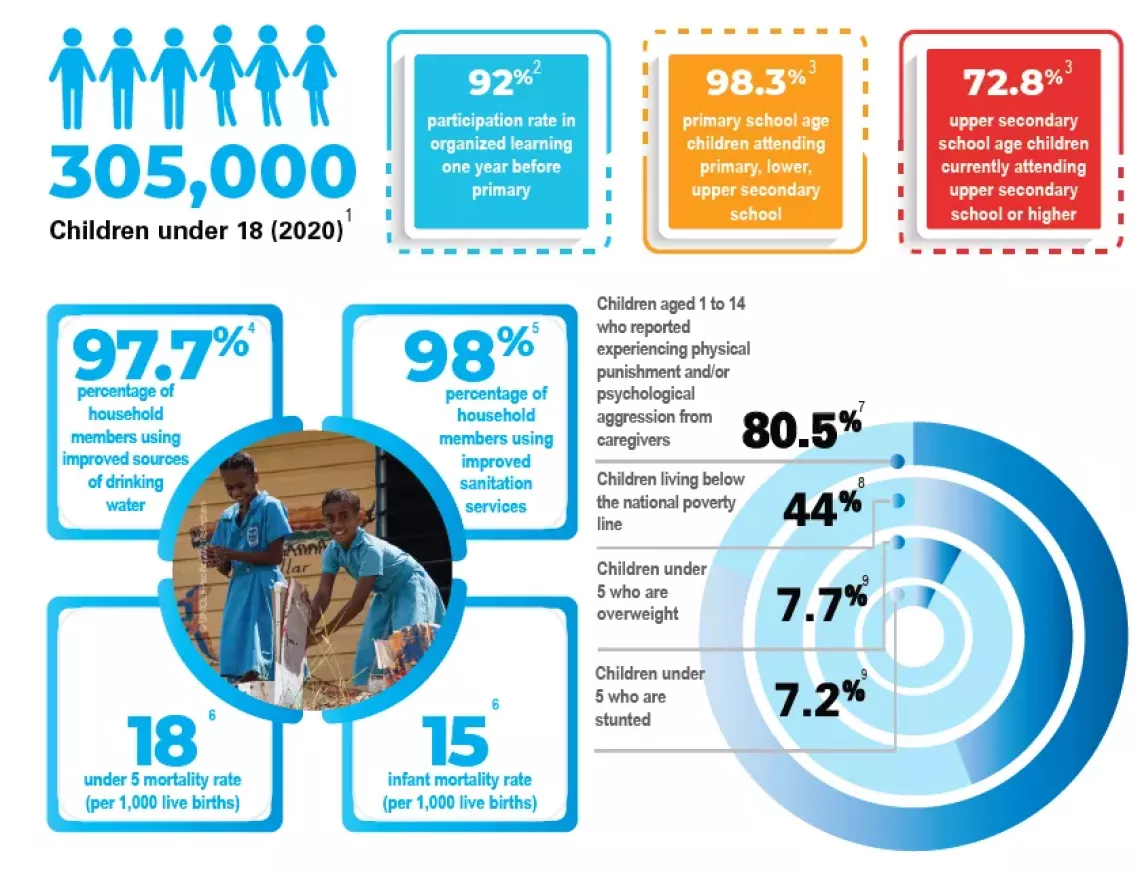
Fiji’s population of 895,000 is young, with a median age of almost 28 years, with approximately 305,000 children. In contrast to other island nations, a higher percentage of the country’s population live in urban areas.
Comprised of 332 islands, Fiji is the largest population hub among the Pacific Island countries and territories and is considered to be the economic and educational centre of the region. The country’s most populous area is the capital, Suva, which is home to over 11 per cent of the population.
Sugar cane farming is a key industry, alongside tourism, gold mining, fishing and timber production – all of which stand to be adversely affected by climate change.
Emerging Issues
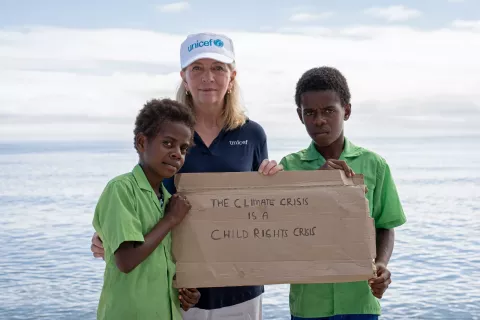
Ranked in the upper echelon of countries in terms of climate-related risks, Fiji has more than a 70 per cent likelihood of experiencing a natural disaster in any given year.
Environmental vulnerability affects all aspects of Fijian life and poses a grave threat to the development of children. Rising sea levels are expected to hasten saltwater intrusion into arable lands and water sources, which could potentially cause widespread displacement – in addition to overwhelming groundwater tables and affecting sewerage systems.
Fiji faces water, sanitation and hygiene challenges because of its small size, large geographic spread and vulnerability to environmental events including earthquakes, floods, droughts and cyclones. The availability of quality data on WASH, in schools and health care facilities, remains a challenge.
Fijian children and women experience high rates of anaemia, alongside micronutrient deficiencies and the increasing challenge of overweight and obesity. The mental health of children and adolescents is of growing concern, with increases in psycho- social health issues, including suicide.