The air once hung thick with the sweet scent of ripe mangoes and the earthy aroma of taro roasting in a traditional lovo pit. These wholesome smells stand in stark contrast to today’s reality, where sugary, heavily processed snacks have slowly crept into our diets and become the new normal in Fiji.
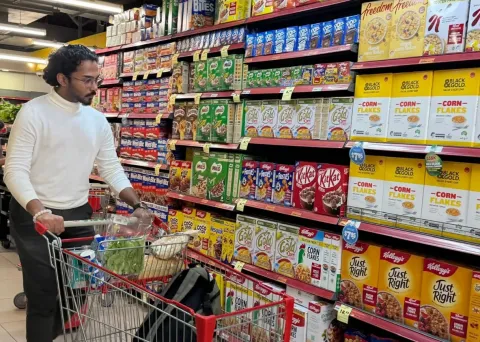
Bula Vinaka! My name is Losalini Batiwale, and this is the reality we face in Fiji. I live on Viti Levu, the largest island and home to our capital city, Suva. The memories of my early childhood were seasoned with the sweetness of fruit straight from the tree and the comforting aroma of herbs and vegetables from our backyard. However, these flavours have slowly started to fade with the growing presence of brightly packaged temptations. Growing up, I did not realize how junk food and other unhealthy options were silently invading our markets. I remember getting lost in the store aisles, struggling with what to choose. Many of us in Fiji face this same daily dilemma.
As a young person, I loved the natural sweetness of cassava and the subtle taste of rourou (taro leaves). But then came the day I tasted cheese rings. I remembered the bright orange dust coating my fingers and the artificial taste exploded in my mouth. It was something completely new. That single bite became a gateway, and soon I found myself craving more of the same. I did not know back then that these choices could increase my risk of health problems later in life.
According to the WHO 2011 survey, 84 per cent of Fijian adults ate fewer than five servings of fruits and vegetables a day [1]. More recent data confirms the trend. A 2022 survey in the central division showed that adults consumed an average of 8.8g of salt and 74.1g of free sugar per day - both well above WHO limits [2]. In 2025, a study revealed that only about one in four people met the recommended intake of fruits and vegetables [3]. Additionally, a study of 534 adults in the central division found that ultra-processed foods contributed 21.5 per cent of total daily energy, 24.0 per cent of sugar, 22.8 per cent of sodium, and 18.6 per cent of fat - making them a major source of unhealthy nutrients in the daily diet [4]. These habits contributed to a rise in non-communicable diseases, which now account for over 80 per cent of all deaths in Fiji [5]. Our people, young and old, are becoming more susceptible to these preventable diseases, simply because of what is now being put on their plates.
I nearly lost a loved one to cancer, which shook me deeply. I believe a diet filled with processed, unhealthy food played a major role. Fortunately, with timely surgery, the guidance of a nurse to return to traditional, wholesome meals, and a healthier lifestyle, my loved one recovered and is now cancer-free. That is when I truly understood the power of food. Junk food has the power to harm - but healthy, natural food has the power to heal.

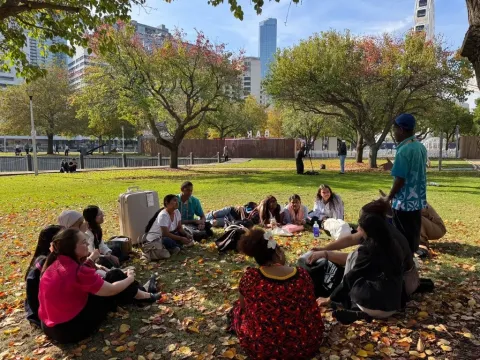
As a youth advocate for the Fix My Food* campaign, I am sharing my story to raise awareness. This is not just a problem for young people, it affects everyone. We need a food environment that supports our health - not one that profits from our decline. The future of our generation depends on the choices we make today. This is about more than just food. It is about our culture, our traditions, and our survival. We must protect our traditional meals and make sure that children grow up knowing the taste of real food, not the manufactured flavours of ultra-processed products.
To do this, we need strong policies that put people’s health first. This includes stopping the marketing of unhealthy food and drinks, especially around schools and in our communities. We must support local producers and ensure that healthy options are affordable and accessible. The burden should not fall on individuals to resist constant exposure to harmful products. It is time to create systems that protect and empower us.
Let’s create a future where no one dies young from preventable diseases linked to diet. Join us in this fight for a healthier, more sustainable Fiji.
###
Notes:
* The ‘Fix My Food’, supported by UNICEF, is a youth-led advocacy initiative aimed at giving young people a platform to create a stronger voice for healthier food environment for every child. It also aims to advocate with governments and decision makers to implement actions that ensure every child’s right to healthy food that are:
- Available: Accessible in shops and stores close to where people live.
- Affordable: Priced so that everyone can afford it.
- Appealing: Presented in an attractive and engaging manner.
- Aspirational: Promoted in ways that encourage children and families to choose healthier options.
In the Pacific region, the initiative has started with engaging young people and key influencers to define solutions to unhealthy food environments. This aims to facilitate a shift in the narrative from focusing on individual dietary choices to addressing systemic food environment challenges.
[1] World Health Organization. Fiji 2nd STEPS Survey 2011: Fact Sheet [Internet]. Geneva: WHO; 2011 [cited 2025 Apr 15]. Available from: https://cdn.who.int/media/docs/default-source/ncds/ncd-surveillance/data-reporting/fiji/steps/2011-fiji-fact-sheet-final-steps.pdf
[2] Silatolu AM, Santos JA, Palu A, Nand D, Deo A, Kama A, Lolohea S, Vakaloloma U, Seru L, Naivunivuni P, Kumar S. Salt and sugar intakes of adults in the central division of Fiji: findings from a nutrition survey in 2022. The Lancet Regional Health–Western Pacific. 2024 May 1;46.
[3] Azupogo F, Hess SY, Silatolu AM, Olney DK. Diet, Fruit and Vegetable Intake, and Nutritional Status in Fiji: A Scoping Review. Maternal & Child Nutrition. 2025 Apr 1:e70023.
[4] Palu A, Santos JA, Coyle D, Shahid M, Crowther J, Waqa G, Bell C, Webster J, McKenzie B. Ultra-processed food consumption in the central division of Fiji. BMC medicine. 2025 Feb 21;23(1):109.
[5] Fiji Ministry of Health and Medical Services. NCDs in Fiji [Internet]. Suva (FJ): Government of Fiji; [cited 2025 Apr 15]. Available from: https://www.health.gov.fj/ncds/ncds-in-fiji/