Beyond Fasting: Observing the Traditions of Ramadan in Egypt
Taking a moment to pause, find connection and realign.
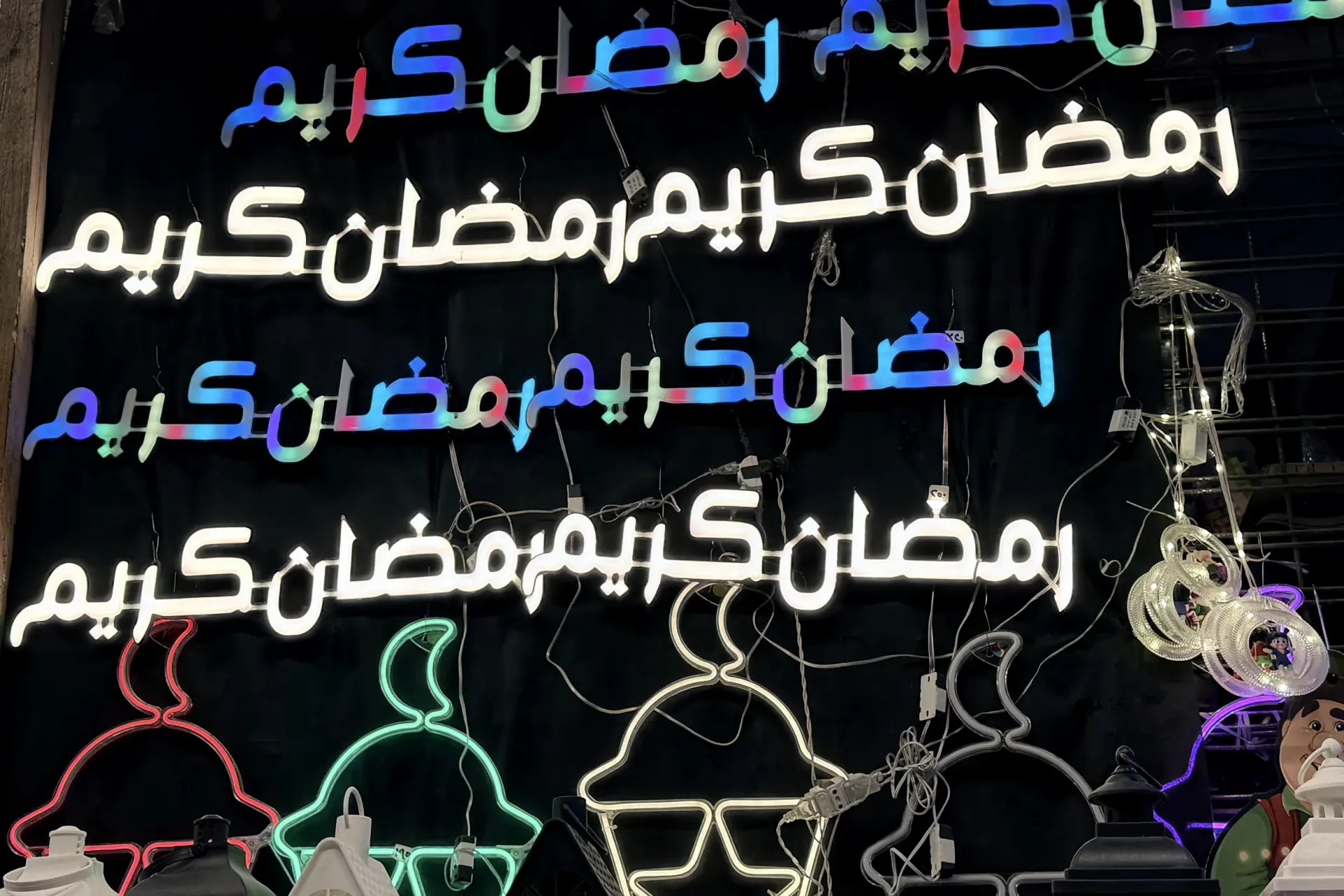
Down the narrow alleys of Egyptian neighborhoods, life kicks into high gear as Ramadan approaches. The streets swell with families and their children hunting for the perfect lanterns, stocking up on yameesh* and picking out decorations. I strolled deep into these streets, capturing the vibrant energy that never fails to leave me in awe of the authentic connections and traditions passed down through generations in this country.
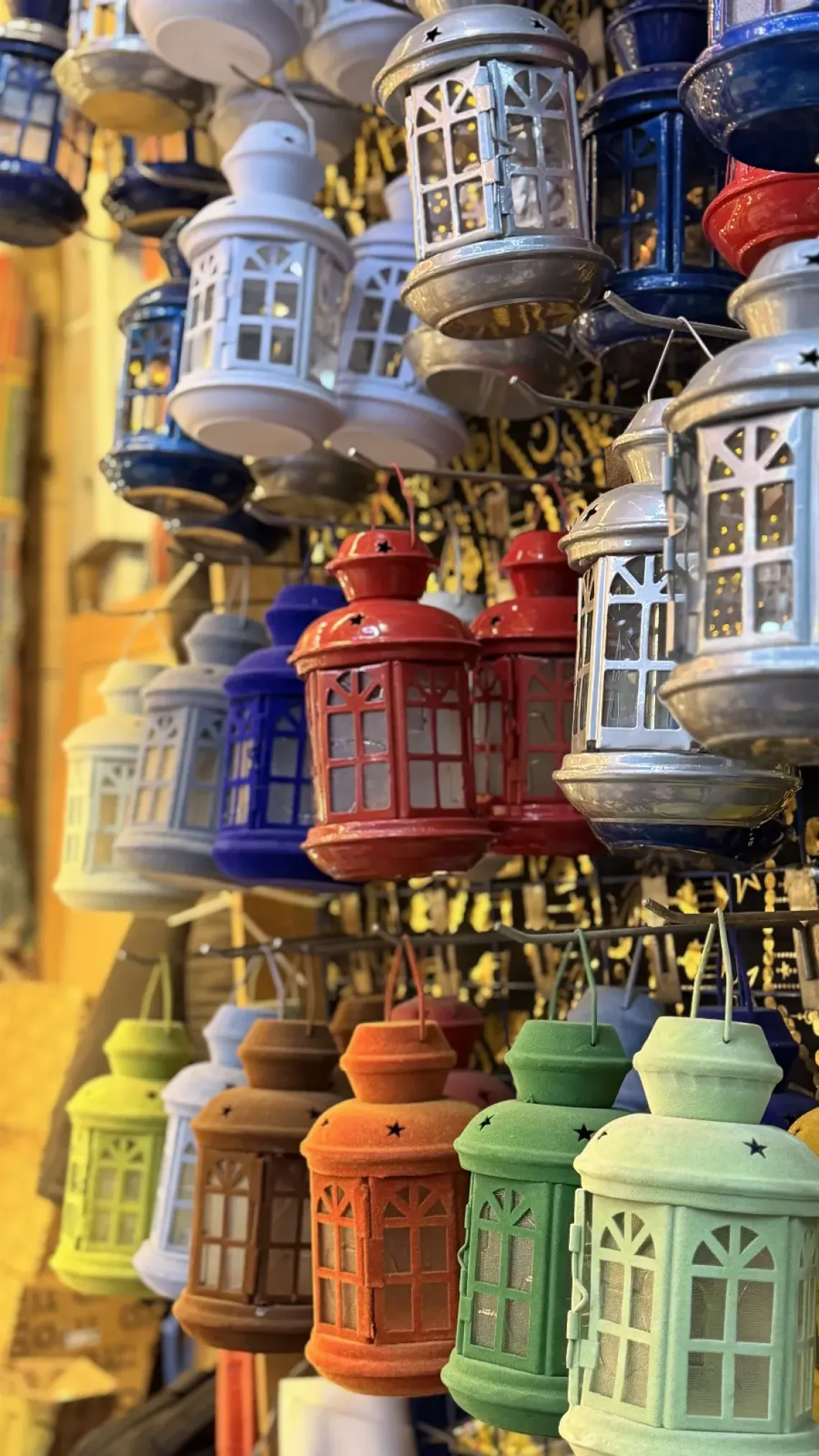
The beauty, craftsmanship and variety of colors of Ramadan lanterns immediately drew my attention. Learning about its history made it even more captivating. The tradition dates back thousands of years to the rule of Caliph El-Mu’ez li-Din Allah of the Fatimid dynasty. Egyptians still use lanterns today as a symbol of Ramadan, gifting them to children and decorating homes.
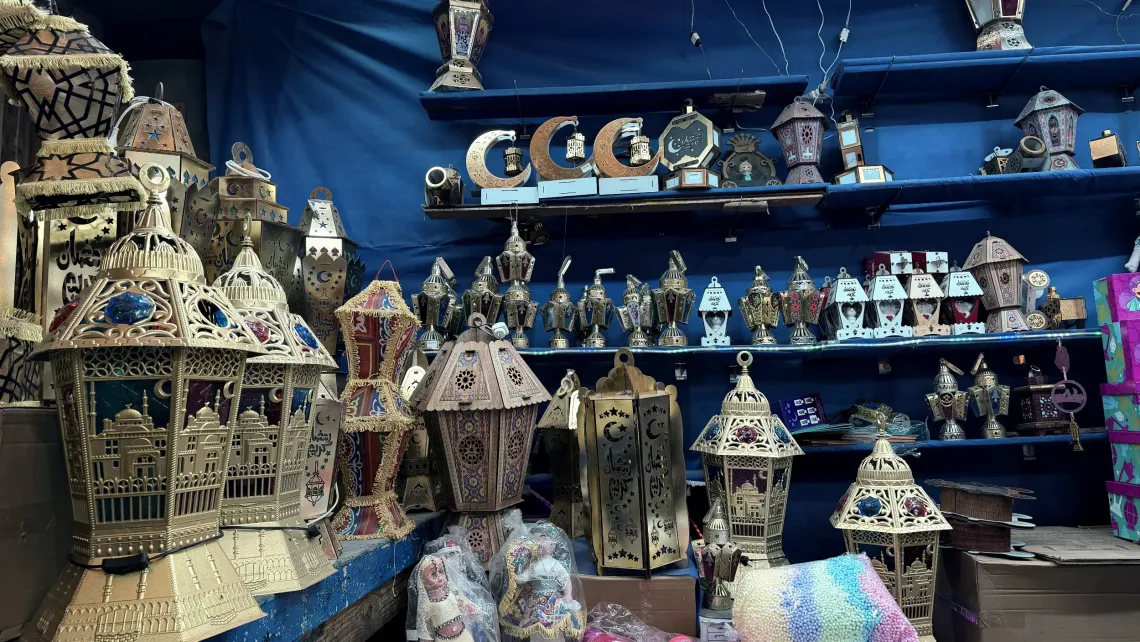
There are many types, colors and materials of lanterns in Egypt. Those exported from abroad, often made from plastic or softer materials, may be cheaper, but Egyptians prefer handmade metal and glass lanterns, as they are part of the authenticity of the tradition.
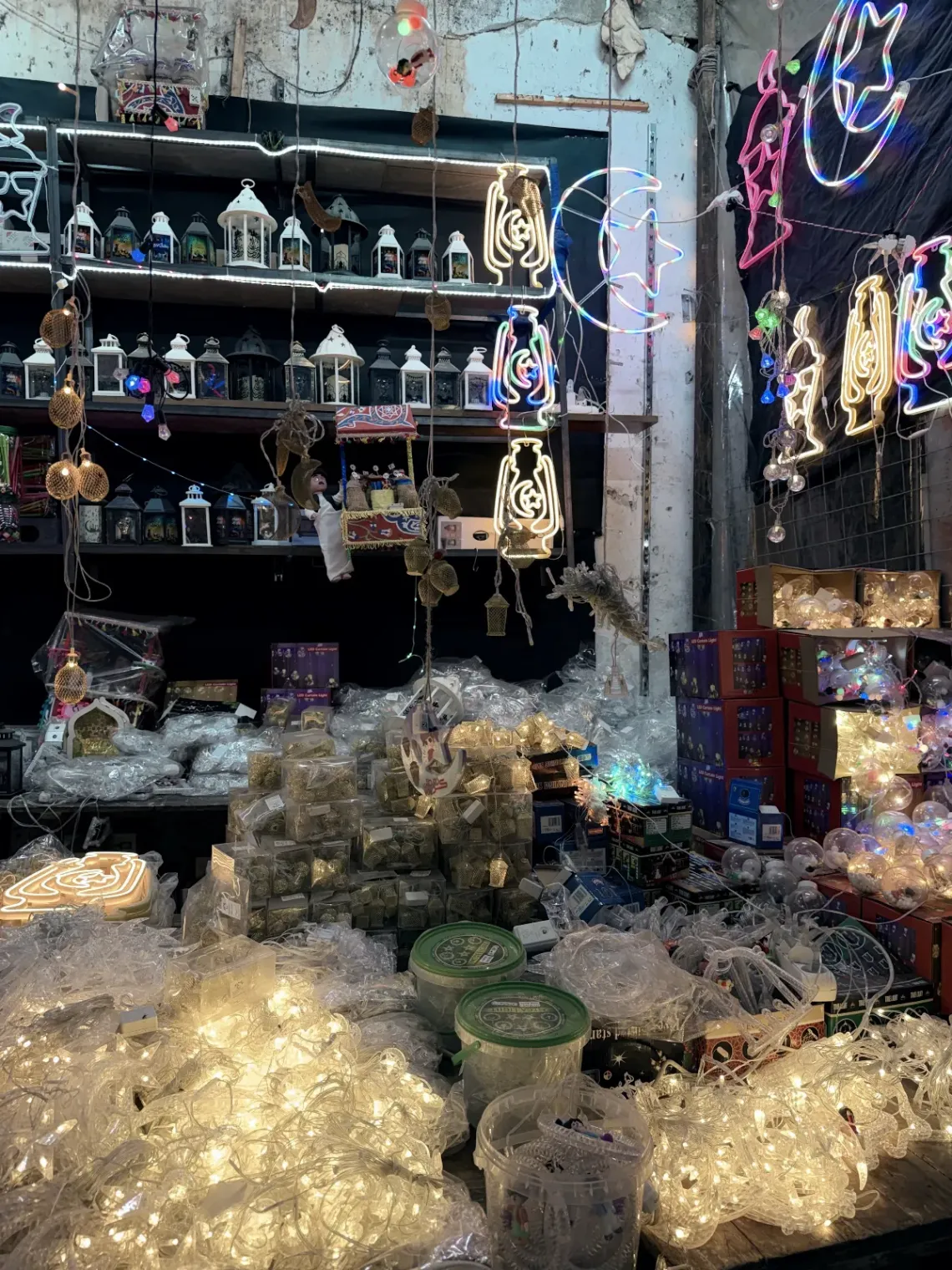
Ramadan fairy lights are a contemporary evolution of the lantern. Also, they are associated with family connection and togetherness, as families often gather to hang these lights and ensure they are lit each day of Ramadan to keep the holy spirit alive.
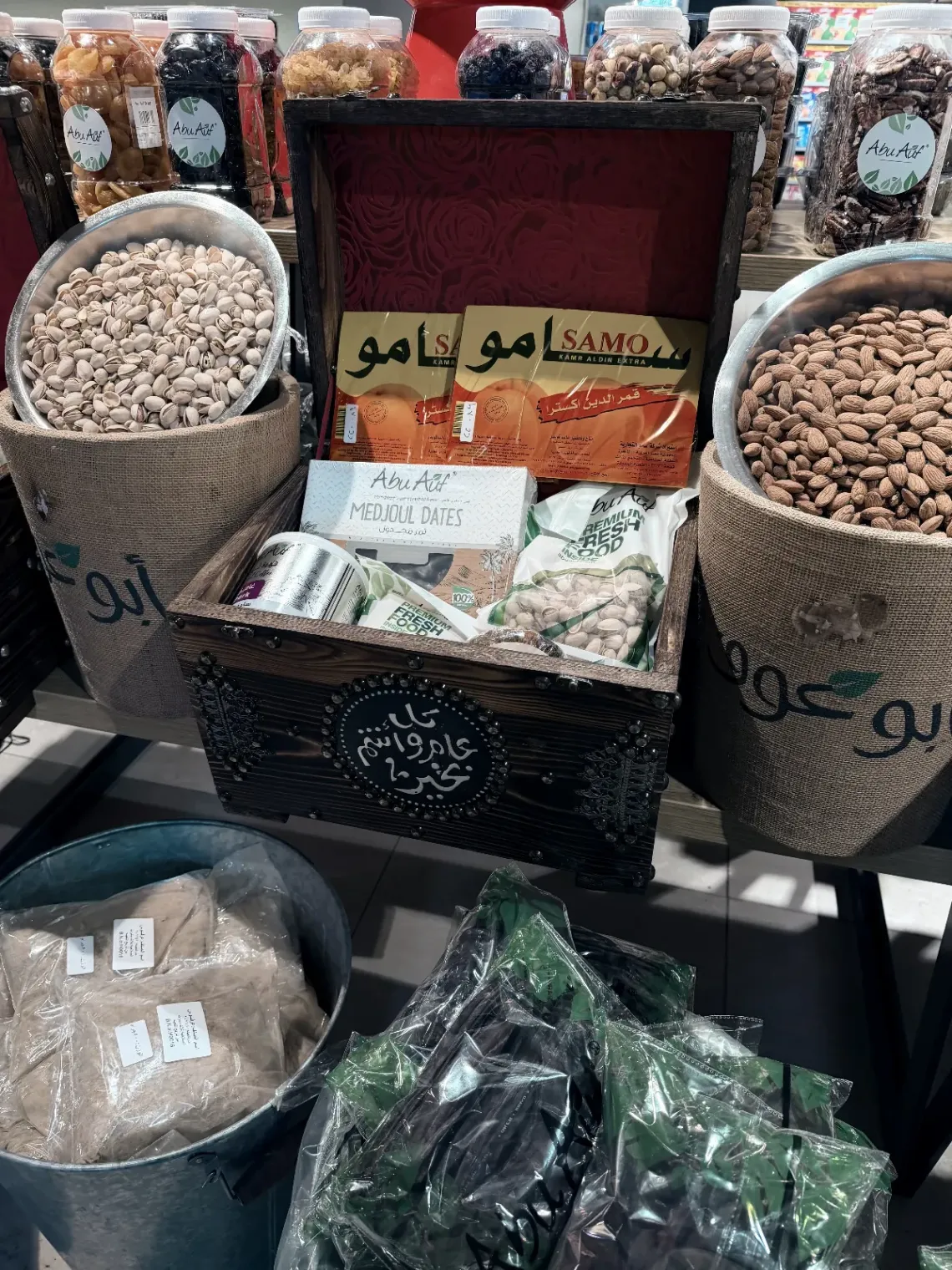
*Yameesh is a delicious and nutritious blend rooted in Egyptian Ramadan culture. It consists of dried apricots, raisins, figs, prunes and dates, often paired with various nuts. This mixture is the star ingredient of khoshaf, a traditional drink made by soaking the fruits in milk, water or a mixture of both, along with a sprinkle of shredded coconut and a touch of honey or sugar. After soaking overnight, it is served chilled and enjoyed during Iftar.