UNICEF calls for urgent funding to protect 540,000 children in the Gaza Strip and the West Bank this winter
UNICEF’s winter response, covering October 2026 to March 2027, prioritizes children and families affected by displacement and inadequate shelter, as well as those at risk of flooding, extreme cold and disruptions to essential services.
- English
- العربية
Jerusalem, 17 September 2026 – UNICEF is urgently appealing for US$97.5 million to protect 540,000 children and their families across the Gaza Strip and the West Bank from freezing temperatures, heavy rain, flooding and other life-threatening winter conditions.
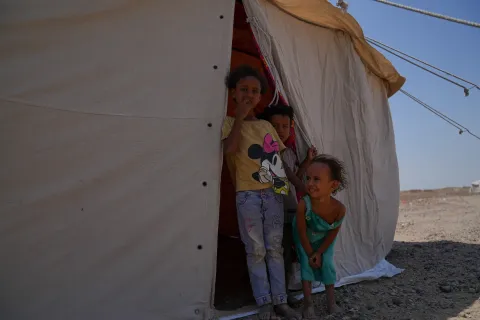
In the Gaza Strip, nearly 84 per cent of the population – more than 1.76 million people – continue to live in overcrowded displacement sites or damaged and inadequate shelters, leaving families with little protection from the elements.
In the West Bank, violence, displacement, movement restrictions and the deepening financial crisis affect the ability of vulnerable families to cope with winter shocks, leaving vulnerable children increasingly exposed to severe conditions.
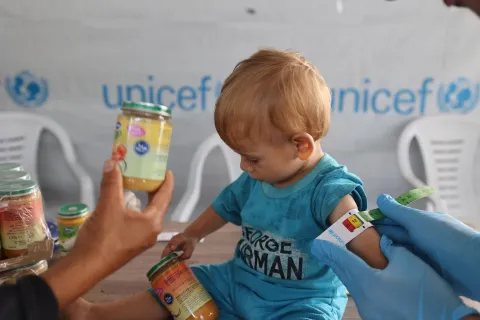
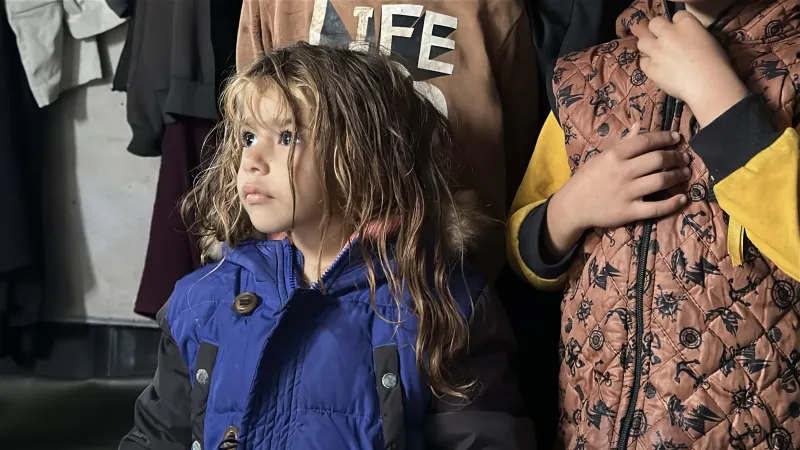
Children are particularly vulnerable. Infants, young children and those with pre-existing health conditions face heightened risks from hypothermia, respiratory infections, waterborne diseases and other preventable illnesses. Last winter, at least 11 children in the Gaza Strip, including infants, were reported to have died from hypothermia. Timely assistance can help prevent such deaths and illnesses.
“For hundreds of thousands of children, winter is not simply a seasonal hardship,” said Jonathan Veitch, Special Representative, UNICEF State of Palestine. “The winter months present yet another threat to children’s survival and wellbeing,” he added.
UNICEF’s winter response, covering October 2026 to March 2027, prioritizes children and families affected by displacement and inadequate shelter, as well as those at risk of flooding, extreme cold and disruptions to essential services.
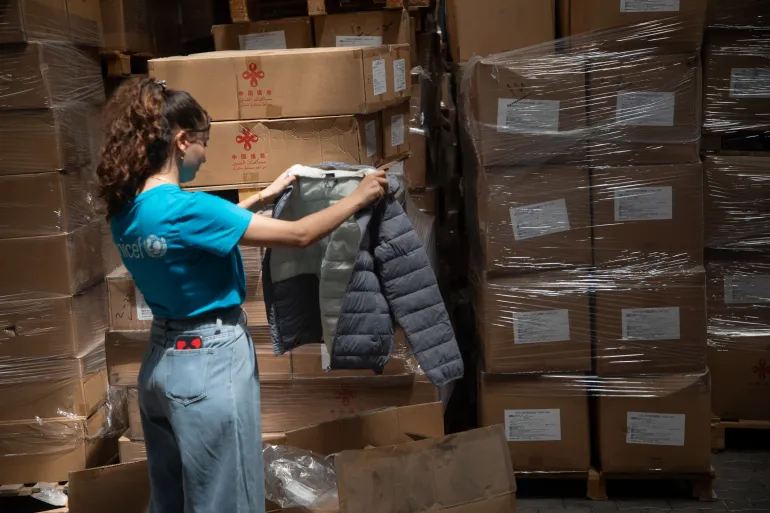
The assistance includes clothing and thermal blankets, emergency shelter reinforcements, and tents for families most in need. UNICEF and partners are also working on flood mitigation measures through road and drainage clearance, solid waste removal, latrine weatherproofing, and other measures to reduce contaminated floodwater and disease risks, in addition to health and safety messaging. Digital cash assistance will also help families meet their most urgent winter needs.
Urgent funding is needed to deliver the full response as regional instability continues to disrupt manufacturing, shipping and transportation, and availability for some winter supplies remains unpredictable. UNICEF’s winter assistance in the Gaza Strip builds on last season's operation, with strengthened support for newborns, adolescents, children with disabilities and families living in the most precarious conditions. The response will be guided by accountability to affected populations and inclusive programming to ensure assistance is safe, dignified, and accessible to those most at risk.
UNICEF urges partners to provide flexible and timely funding towards the US$97.5 million required for winterization so that supplies can be procured, transported and pre-positioned to prevent avoidable illness and deaths among children and to ensure support reaches families before winter conditions deteriorate.
View UNICEF State of Palestine’s winterization plan
Media contacts
Additional resources
About UNICEF
UNICEF promotes the rights and wellbeing of every child, in everything we do. Together with our partners, we work in 190 countries and territories to translate that commitment into practical action, focusing special effort on reaching the most vulnerable and excluded children, to the benefit of all children, everywhere.
For more information about UNICEF and its work for children, visit www.unicef.org.