

Early Childhood
For every child, survive and thrive
The Challenge
Health
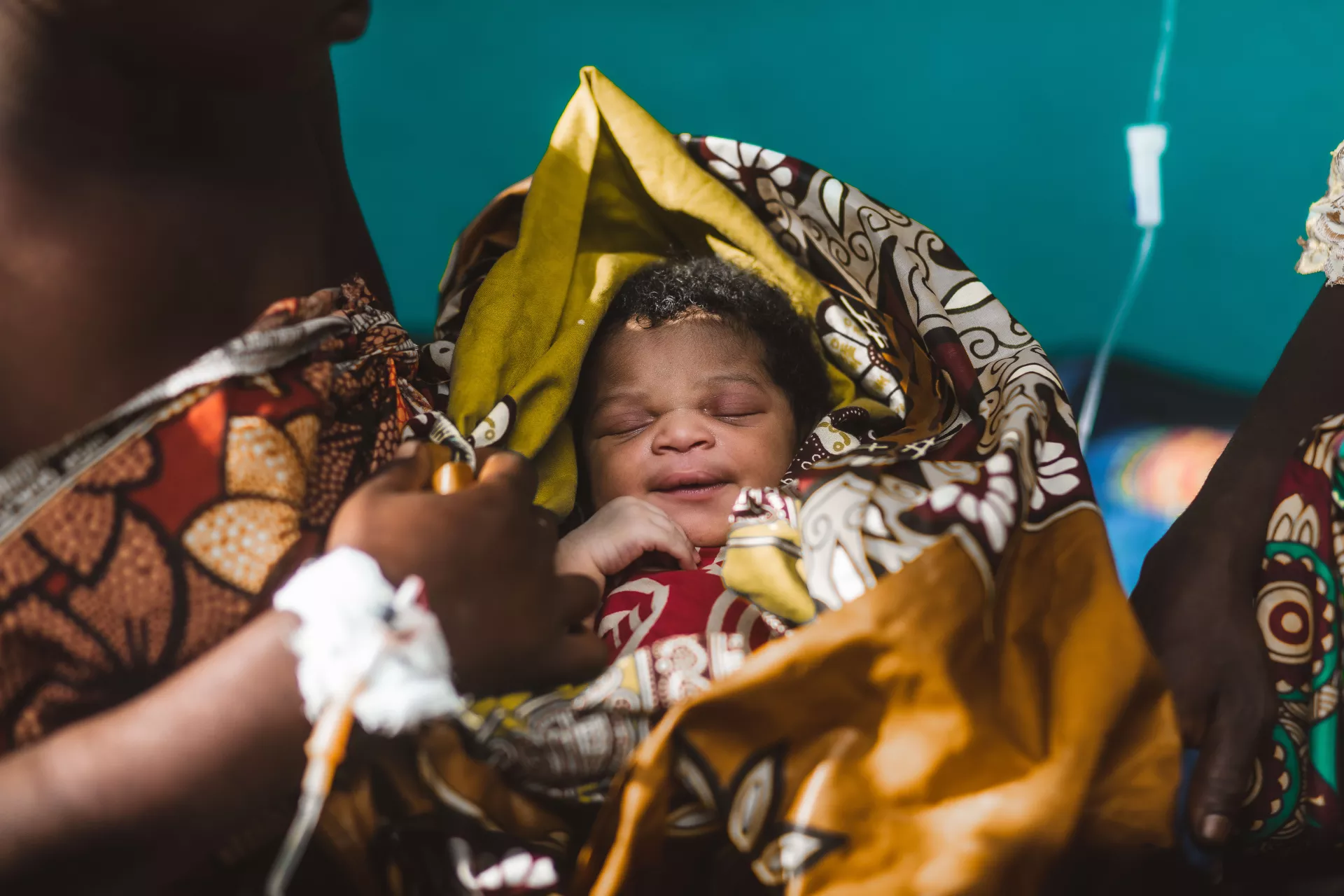
Some 40,000 children under 5 die every year from preventable or easily treatable diseases. The causes of under-5 mortalities include pneumonia (14 per cent), diarrhea (8 per cent) and malaria (7 per cent). Malnutrition contributes to almost a quarter of all under-5 deaths. About 40 per cent of the under-5 deaths occur during the first 28 days of life. These neonatal deaths are largely attributed to premature births, infection and asphyxia, all of which have low-cost solutions. The under-5 mortality rate is highest among the poorest and second wealth quantile countries (62 deaths per 1,000 live children) compared to the richest quantile (39 deaths per 1,000 live children). Maternal mortality is among the highest in the world. This is in part the result of particularly high rates of early sexual debut, child marriage (9 per cent of women marry before they turn 15, and 21 per cent between 15 and 19 years), and adolescent birth rates with adverse maternal and neonatal outcomes. Only 28 per cent of women have their first antenatal care visit in their first trimester of pregnancy. Some 84 per cent of mothers and 88 per cent of newborn babies receive postnatal care within two days of delivery. The proportion of children who were first breastfed within one hour after birth (early initiation) declined from 76 per cent between 2015 and 2016 to 60 percent between 2019 and 2020. Skilled birth attendants and institutional delivery coverages are 95 per cent and 97 per cent respectively.
Vaccination
The WHO and UNICEF estimate infant pentavalent vaccination coverage was above 90 per cent nationally for five consecutive years (2008–2012), with every district achieving at least 80 per cent coverage. But from 2016 to 2020, vaccinations declined. Some 7 per cent of children aged 12–35 months are not vaccinated for any preventable childhood diseases by their first birthday and as per latest Polio Outbreak Response Microplan, Malawi has more than 41,000 zero-dose under-five children.
Nutrition
In 2021 alone, some 34,836 children under the age of 5 were admitted and treated for severe acute malnutrition, representing 60 per cent of the total case load (58,356). Of these, 30,844 were discharged and 28,339 successfully recovered, representing a 92 per cent recovery rate. Although Malawi has made significant strides in reducing malnutrition, stunting (low height for age) remains steady for children under 5: boys (39 per cent) and girls (32 per cent). Of children under 5, 13 per cent are underweight (weight for age), while 3 per cent are wasted (weight for height). Micronutrient deficiencies remain high among children, adolescents and women. While vitamin A deficiency is no longer a problem, an unacceptably high prevalence of anemia remains. Anemia alone is affecting two-thirds (63 per cent) of children under 5 and one-third (32 per cent) of women of reproductive age.5 Inadequate infant and young child feeding practices are major contributors to acute and chronic malnutrition. The quality of children’s diets remains a challenge with minimal improvements in the proportion of children who are exclusively breastfed. Exclusive breastfeeding under 6 months declined from 61 per cent in 2015–2016 to 64 per cent in 2019–2022. Likewise, the proportion of children following the minimum acceptable diet has not changed significantly over the years, increasing from 8 per cent in 2015–2016 to 9 per cent in 2019–2020.
HIV Transmission
Prevention of mother-to-child transmission of HIV has improved significantly, yet the proportion of children accessing antiretroviral therapy is only 70 per cent, compared to 78 per cent for adults.6 Thirty per cent of children living with HIV who are not on antiretroviral therapy will die before their first birthday, while 50 per cent will die by their second birthday.
WASH in Healthcare Facilities
Preventing and controlling infection and improving quality of care, WASH in healthcare facilities continues to lag, with efforts skewed towards water supply (71 per cent), while sanitation comes in at 42 per cent, and hygiene at 27 per cent. Key interventions include infrastructure development (solar-powered safe water supply and latrines), medical waste receptacles and hygiene promotion. cent. Of children aged between 3 and 4, 59 per cent are developmentally on track in at least three of the four domains (physical, 89 per cent; social-emotional, 78 per cent; learning, 74 per cent), while only 17 per cent are developmentally on track in literacy and numeracy. Only 1 per cent of children have access to three or more children’s books. Overall, investments in early childhood development remains low. Only 0.77 per cent of the total national budget in 2021/2022 was allocated to early childhood development, which is lower than the 2020/21 share of 0.93 per cent.
Birth registration and child protection
As legal documents, birth certificates safeguard child rights. Birth certificates prove age and help prevent child marriage, child trafficking and child labor. Only 22 per cent of children under 5 have birth certificates. On average, it takes 195 days from birth to obtain a birth certificate. More births need to be registered, and faster, if Malawi is to achieve the goal of universal birth registration by 2030.
The Solution
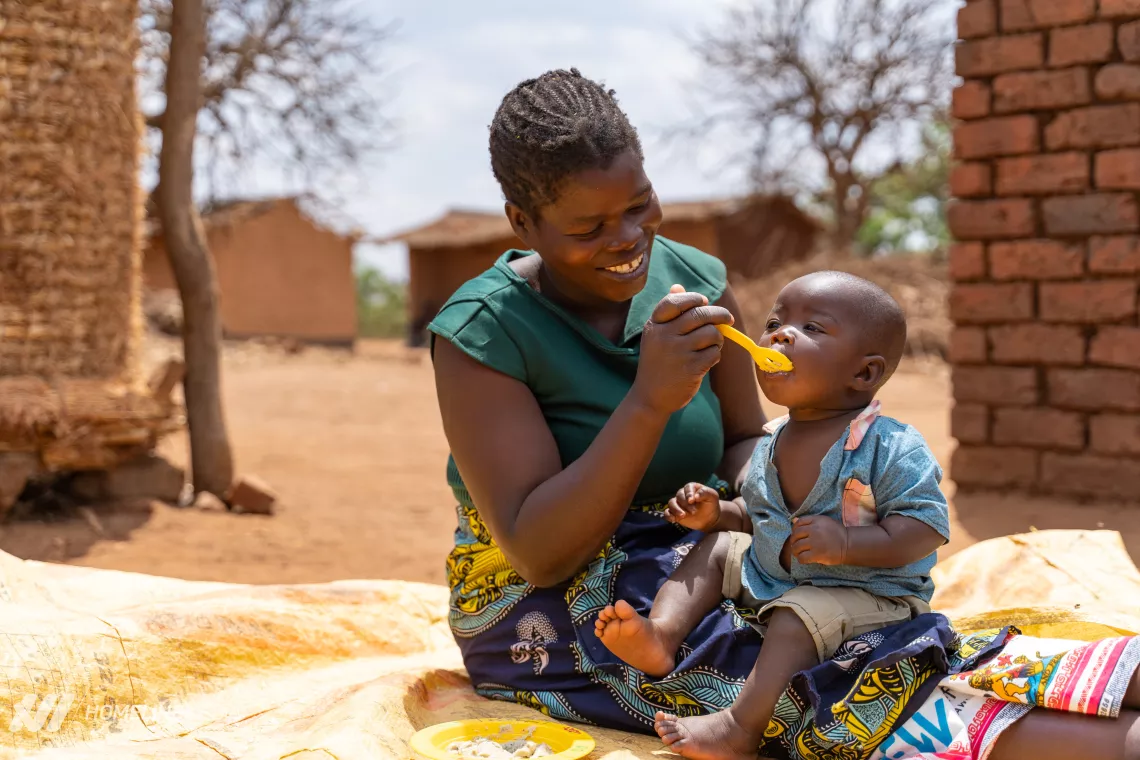
Under Early Childhood, survival, growth, development, protection and early learning are addressed. Positive parenting and early stimulation through responsive caregiving are key to holistic development and ensuring that children receive the best possible care. UNICEF’s Malawi seeks to focus on the below solution for to address challenges children face in their early years.
- Strengthen maternal, neonatal, infant and young child health and nutrition service delivery
- Strengthen integrated health service delivery
- Improve, scale up and sustain optimal child, maternal and infant nutrition
- Funding requirement: US$6 million
- Enhance procurement and supply chain management of health and nutrition (including food systems transformation)
- Improve procurement and last mile distribution of life saving health and nutrition supplies
- Scale up supplementation and micronutrient powders
- Support operationalization of food system priority pathways
- Funding requirement: US$3.5 million
- Improve health and nutrition data information systems
- Enhance decentralized management capacity for evidence-based health and nutrition systems analysis, prioritization, planning and monitoring
- Funding requirement: US$1 million
- Support delivery of early childhood development interventions
- Scale up positive parenting and early stimulation practices, and dietary diversity across the life cycle
- Strengthen community and health facility links to ensure accountability and adequate and continuous utilization of services
- Funding requirement: US$2.5 million
- Support targeted health and nutrition interventions for adolescents and school-aged children