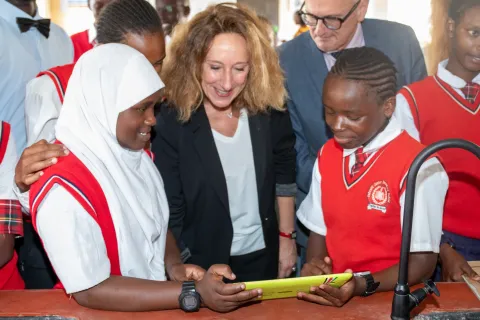
Hope for children who dropped out of school
Supporting boys and girls to return to class
This story first appeared on The Star on January 30, 2024.
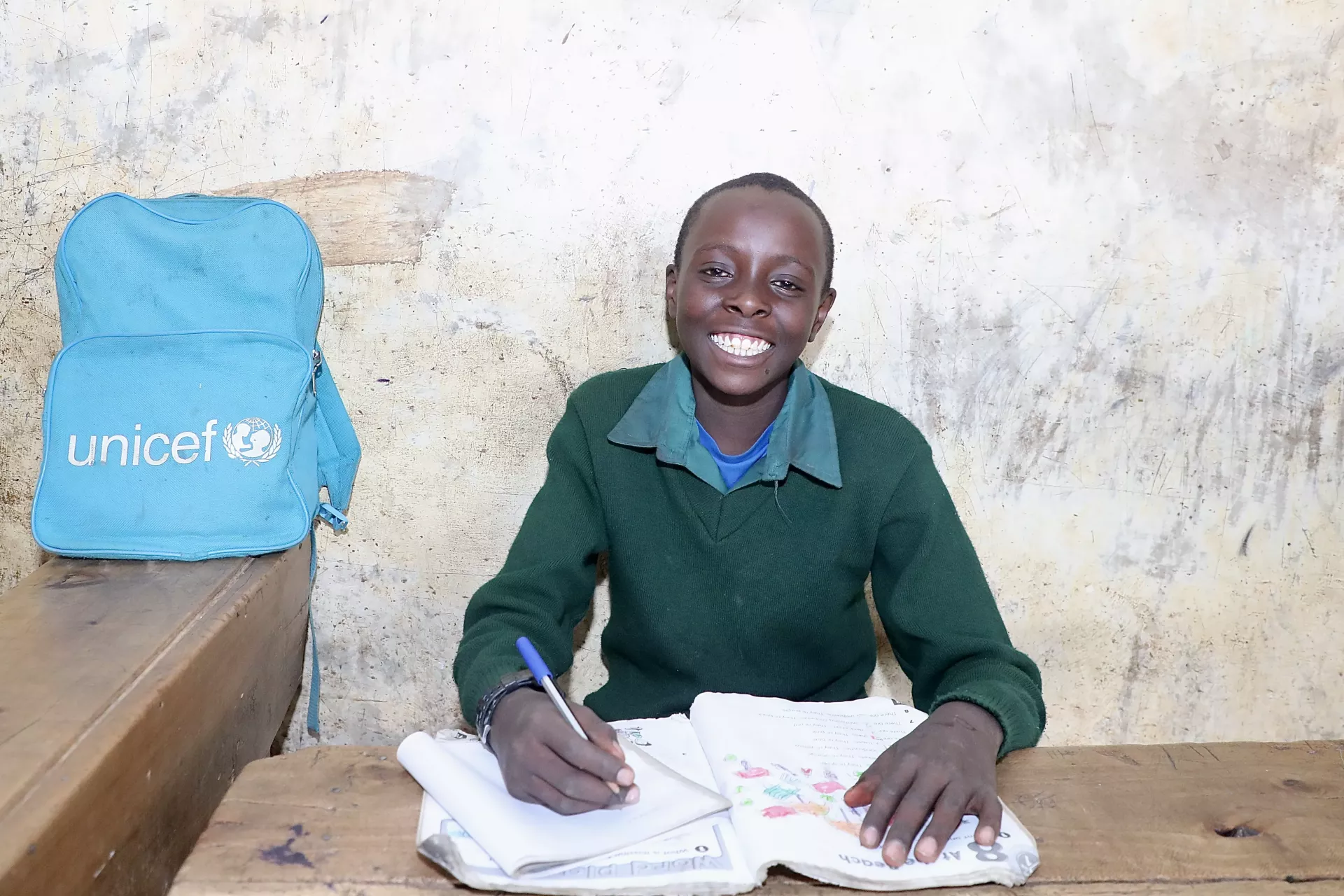
When his mother died, after a prolonged illness, 10-year-old Brian Kinyanjui was left destitute. While his elder siblings did their best to care for him, they struggled to pay rent and buy food.
Despite loving school, he was forced to drop out because the family didn’t have the money to pay his tuition.
“My sisters worked odd jobs in town to provide for our monthly rent and some food for us six kids. Times were difficult. And I missed school," Brian remembers.
Brian is not alone. According to UNICEF, approximately 1.13 million children of primary school age (6 to 13 years old) aren’t in school across the country.
A combination of factors contribute to poor school attendance including peer pressure, nomadic lifestyles, teenage pregnancies, early marriages and problems at home which see children sometimes forced into child labor to help their families make ends meet.
In recent years, the situation has been compounded by the COVID-19 pandemic, which saw schools close and many children not return, and prolonged drought in Kenya’s arid and semi-arid regions, which has forced families to leave their homelands in search of water and pasture for their livestock.
To combat these challenges, UNICEF is running the innovative Out-of-School program, which is committed to ensuring that disadvantaged and vulnerable children can realize their rights to quality primary education, no matter their circumstances.
In Brian’s case, neighbors who were aware of his situation let local chiefs know about the boy’s struggles.
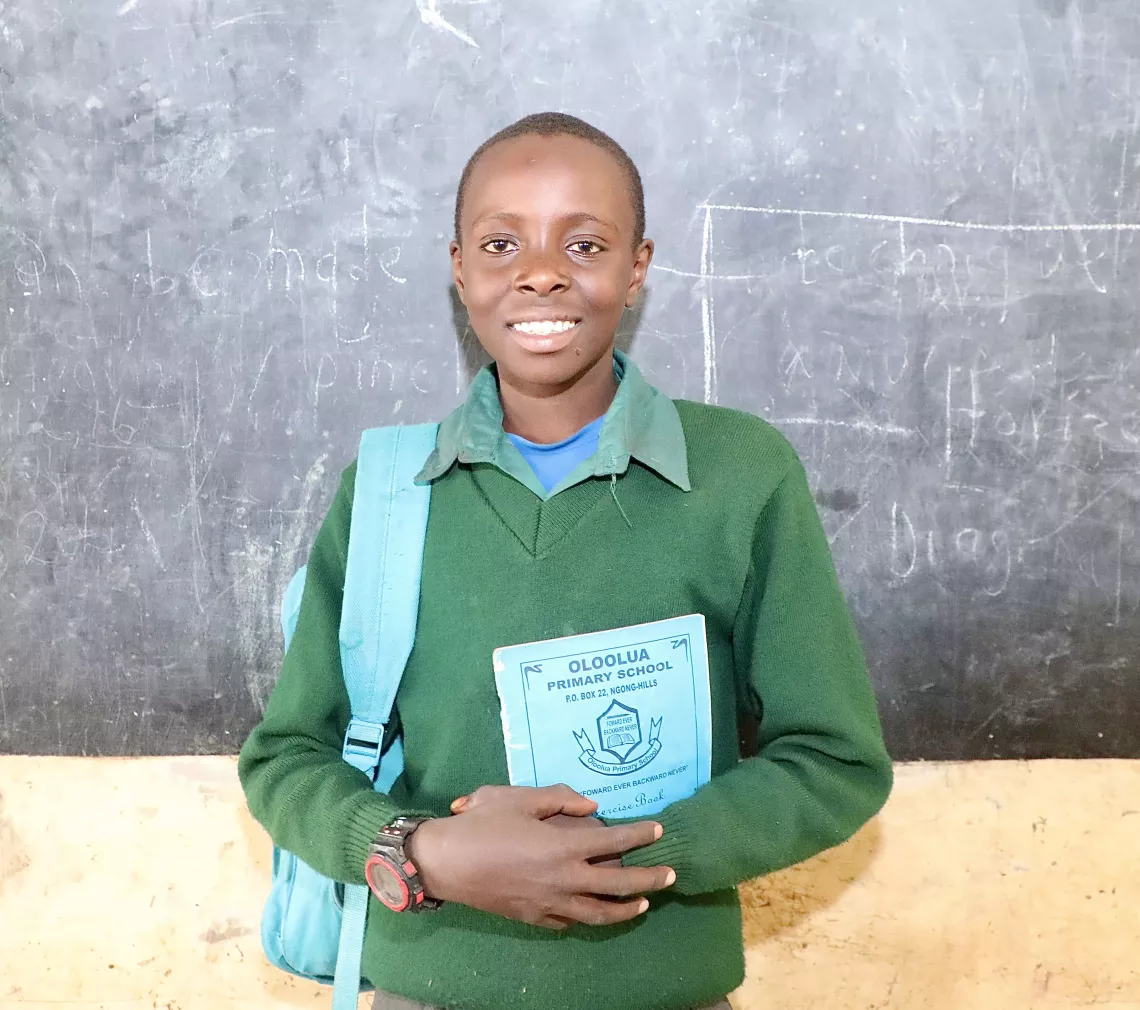
“When they approached my sisters and me, we thought we were in trouble, but they were friendly.” He was soon enrolled in nearby Oloolua Primary School – which takes part in the programme – and was supplied with a school bag, books, and stationery.
He now wants to go to high school and eventually study engineering at university. "I want to become the best engineer in Kenya to provide solutions in our community," he said.
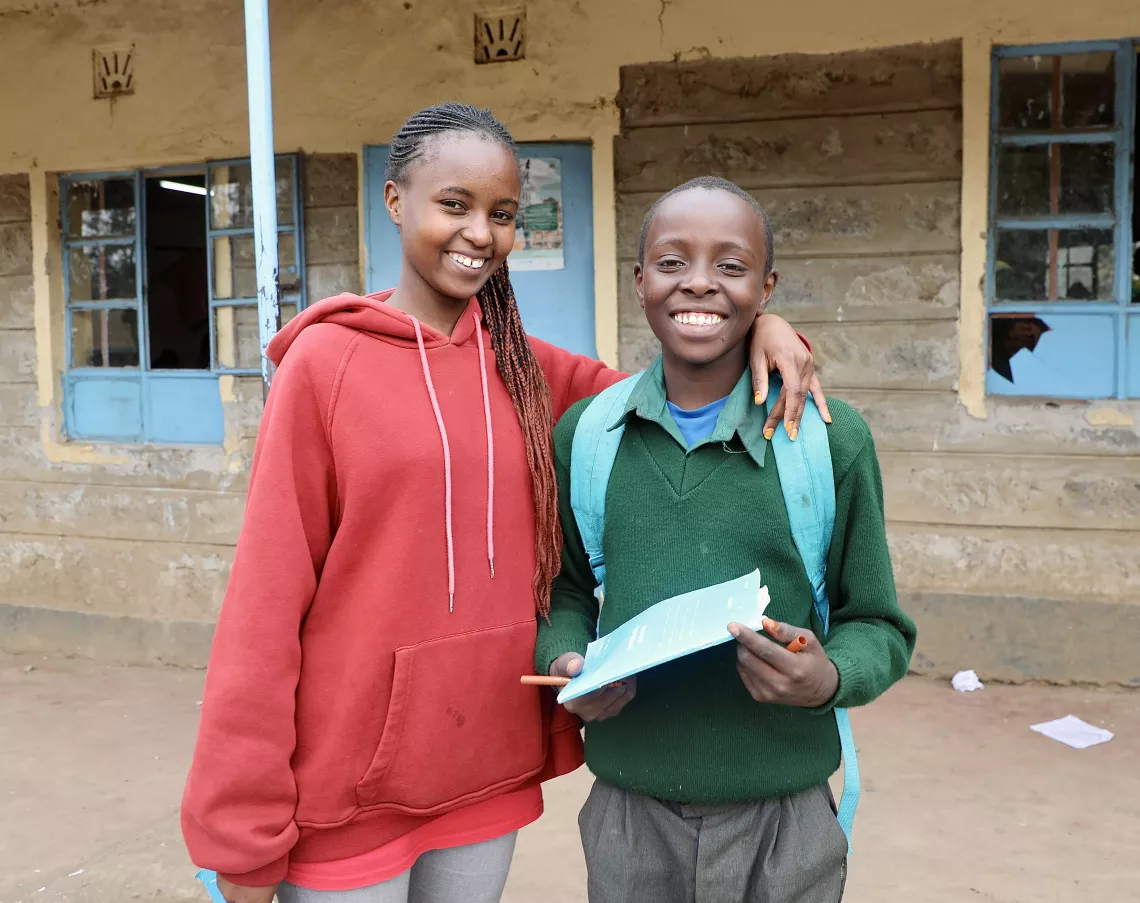
As Kinyanjui studies, his siblings support him, including his sister, 20-year-old Faith Wangari, who works odd jobs, earning two dollars a day to cater for Kinyanjui, two other school-going siblings, and household costs.
"When my brothers and sisters finish school or acquire scholarships, I would like to enroll in an accounting course," she says, adding that the guardianship roles for Kinyanjui and the other siblings are her most significant responsibility.
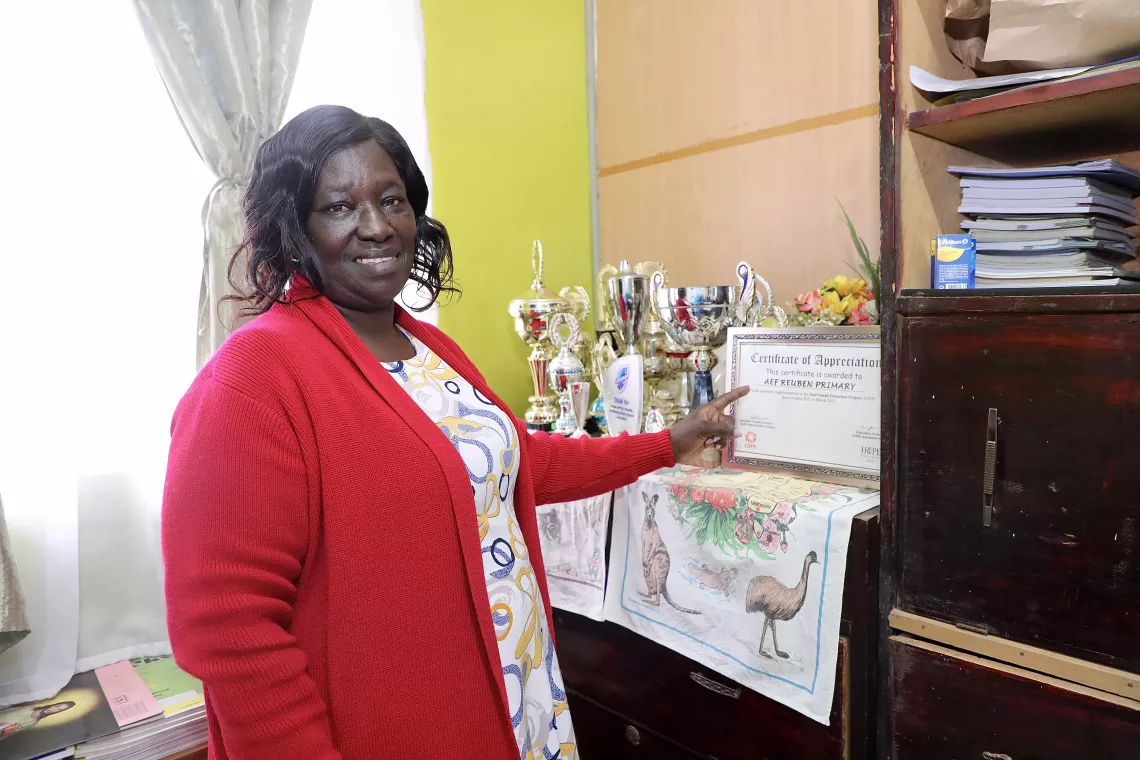
Eunice Simatoi Muriuki, who is in charge of the Out-Of-School program at the institution notes that 155 children have been re-enrolled and are undergoing the accelerated education program to encourage them to catch up with coursework.
"When we bring back the boys and girls who have been away from learning for an extended period, we set aside time during the lunch breaks and after school to sit down with them and provide guided one-on-one learning with the teachers so that they can catch up with schoolwork," said Simatoi.
She said the Out-of-School program tracks the pupils' weekly and monthly progress as they concentrate on their weaker subjects. Children who are academically caught up but face social challenges are enrolled in mentorship programs where they attend counseling sessions and learn life skills.
"We have students who are academically okay; however, they are struggling psychologically due to family strife. We group them according to their ages, and they acquire life skills such as critical thinking, communication skills, decision-making, creative thinking, interpersonal relationship skills, self-awareness building skills, empathy, and coping with stress skills, said Simatoi.
The students also learn about the dangers of drug and substance abuse, adolescence, and health and nutrition,"
Simatoi notes that the success of this integrated programme is due to the multi-stakeholder support by the parents, the local community, the local administration, the school leadership and management team, the Ministry of Education, and the Education Above All Foundation.
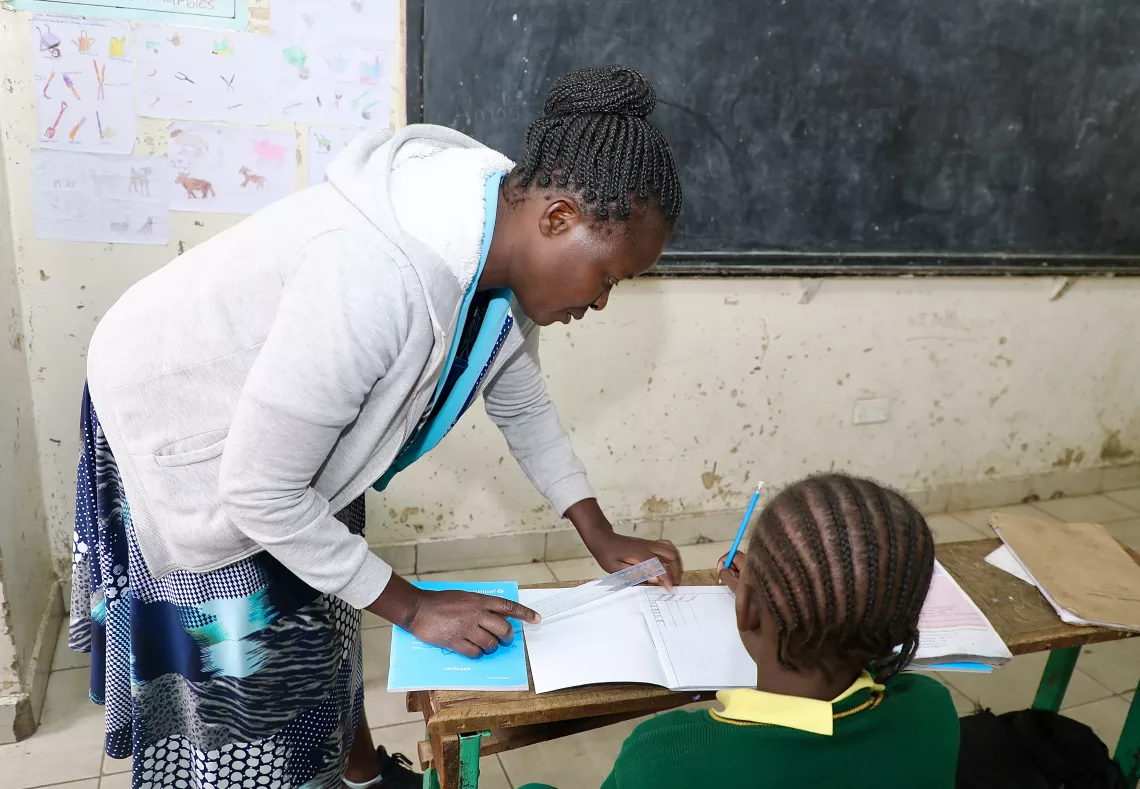
"The pupil attendance rates have improved, and the pupils are motivated to attend school even when the family situation is dire. We support parents and pupils to speak up and work together to ensure that the child's learning is uninterrupted," said Simatoi.
Women Educational Researchers of Kenya (WEK) program officer Debra Nyambane notes that the Out of School program in Kajiado County has centered on identifying children who have been away from school and encouraging them to return to school.
"Children in Kajiado County drop out of school due to peer pressure, poverty, and other family problems which drive them to the streets as beggars, engaging in child labor, nomadic life, teenage pregnancies, and early marriages.
We are committed to ensuring that every child has access to education as a fundamental right and that they stay in school," said Nyambane.
UNICEF Kenya's Education Officer Elizabeth Waitha notes that almost 1.13 million children of primary school age (6 to 13 years old) are out of school in Kenya, according to an Out-of-School Children Initiative study conducted in Kenya in 2020. The situation is expected to be worse due to the impact of COVID-19-related school closures, followed by drought in many of the focus countries.
According to Waitha, through the Out-of-School (OOSC) program, a total number of 256,167 (117,889 girls and 138,278 boys), out of which 17,809 (9,983 boys and 7,826 girls) are children with disabilities have been enrolled in school in the 16 targeted counties.
"The success of this programme has been realized through the adopted integrated model for programming addressing the comprehensive needs of children. This included applying social and behavioral change strategies to increase demand on schools, providing teaching and learning materials, supporting WASH in schools, child protection and social protection activities," Waitha said.
The Out-Of-School programme was established under a multi-sectoral critical partnership with the Educate A Child programme under the Education Above All Foundation from Qatar, Hapag Lloyd, the Ministry of Education, the National Council for Nomadic Education in Kenya (NACONEK), civil society organizations, the Ministry of Interior, and through other engagements with the Departments of Children Services and Social Protection.
"Despite Basic Education being free in Kenya, many factors that include; systemic, social, economic, and cultural practices continue to create barriers to children's access to education. With the Out of School Children program, many children like Kinyanjui have been supported to enroll and be retained to acquire critical foundational and life skills which should prepare them for school, life, and work," Waitha concluded.
The human-interest story was documented in December, 2023.