Impact of climate change on child marriage, teenage pregnancy and female genital mutilation in Kenya
Opportunities to strengthen protection services

Highlights
The East and Southern Africa region is among the most climate‑vulnerable globally. In response, UNICEF’s Eastern and Southern Africa Regional Office launched a research initiative to examine how climate change intersects with child protection, selecting Kenya as the first study site due to persistent protection risks, with additional studies underway in Madagascar and Ethiopia.
Using a qualitative, participatory approach, the research engaged over 500 children, caregivers, and stakeholders to explore how climate stressors shape protection risks and coping strategies. Findings show that climate shocks are intensifying poverty, food insecurity, displacement, and school dropout, weakening family and community protection systems. As livelihoods erode, harmful coping mechanisms—including transactional sex and informal unions—are emerging, contributing to rising teenage pregnancy.
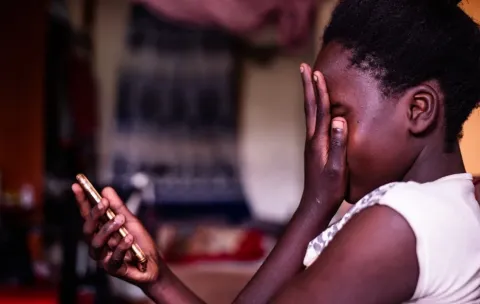
The study also reveals a growing, under‑addressed mental health crisis. It highlights the need for integrated, child‑sensitive, community‑led climate adaptation responses that combine social protection, education, SRH services, and mental health support.
Download the study to learn more.