USAID AND UNICEF ANNOUNCE PARTNERSHIP FOR A LEAD-FREE KENYA
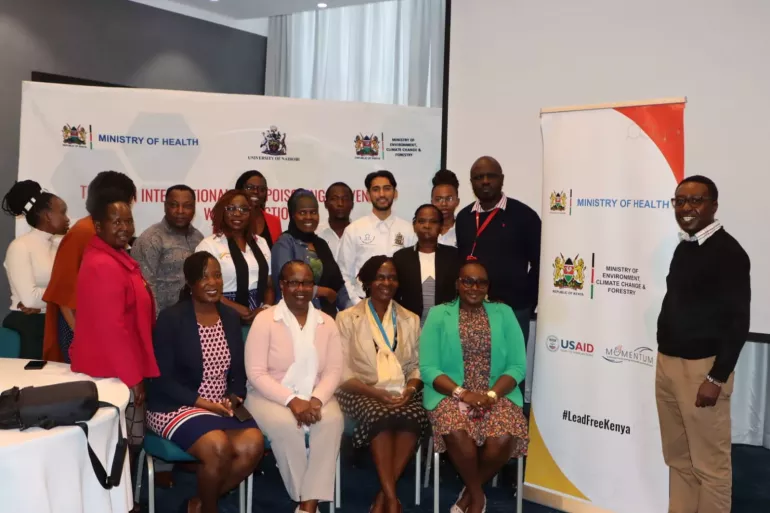
Nairobi, Kenya, October 23 , 2024 – During the 12th International Lead Poisoning Prevention Week of Action (ILPPWA), USAID and UNICEF reaffirmed their support to the Government of Kenya in combating childhood lead exposure through the Partnership for a Lead-Free Future Initiative. The ILPPWA, taking place from October 22-25, emphasizes urgent collective action from the government, private sector, development partners, and civil society under the theme "Bright Futures Begin Lead-Free."
Lead poisoning is a critical global health threat, affecting over 800 million children globally with the majority living in Africa and Asia. According to the Toxic Truth Report jointly published by UNICEF and Pure Earth, it is estimated that 1 in 3 children globally have high blood lead levels that are associated with decreased intelligence, behavioral and learning problems in children. Further, each year, over one million deaths are linked to lead exposure, highlighting the need for urgent interventions.
Kenya is recognized as one of the few countries in Africa with laws that regulate the levels of lead in paint, emphasizing its commitment to the policy and regulatory framework in phasing out lead and advancing safer recycling practices. Through the Partnership for a Lead-Free Future Initiative, USAID has committed USD 800,000 to support lead mitigation initiatives in Kenya, focusing on:
- Strengthening coordination to improve monitoring and prevention programs.
- Raising public awareness on the dangers of lead exposure.
- Enforcing compliance with lead-free standards, especially in industries like paint and battery recycling.
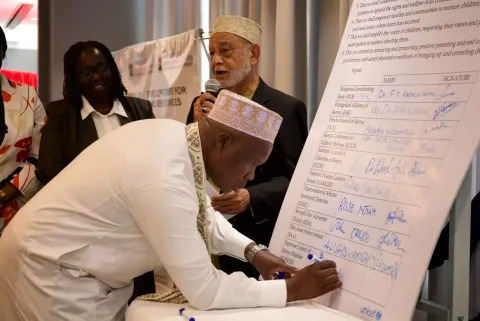
ILPPWA events, coordinated by the Ministry of Health and Ministry of Environment, will include technical forums, media campaigns, and a community awareness procession.
USAID and UNICEF urge the Government of Kenya to:
- Strengthen regulations banning lead in products.
- Expand screening for lead poisoning, especially in vulnerable populations.
- Foster partnerships for sustainable environmental practices.
Together, we can protect children’s health and secure a lead-free future.
Media contacts
About USAID:
USAID is supporting country-level efforts in Kenya to increase awareness of the public, medical communities and private sector to build collective will to accelerate progress to reduce lead exposure and improve human health, child development and economic growth. For more information about USAID’s efforts for a Lead-Free Future, visit https://www.usaid.gov/leadfreefuture
About UNICEF:
UNICEF promotes the rights and wellbeing of every child; in everything we do. Together with our partners, we work in 190 countries and territories to translate that commitment into practical action, focusing special effort on reaching the most vulnerable and excluded children, for the benefit of all children, everywhere. For more information about UNICEF and its work for children, visit www.unicef.org.