UNICEF CryptoFund to use stablecoins to fund innovation
Exploring new ways to create real-world impact for children, UNICEF’s CryptoFund can now accept stablecoin digital assets, opening an innovative new funding stream for humanitarian action

UNICEF’s CryptoFund is building on its reputation for innovation by accepting the US dollar-pegged USD Coin (USDC) to drive transparency and efficiency in humanitarian funding.
With its launch by UNICEF in 2019, the CryptoFund became the first vehicle in the United Nations to use digital assets, also known as cryptocurrency, for investments in frontier tech solutions for children.
Since then, UNICEF has invested the equivalent of over US$4 million – 5.82 bitcoin (BTC) and 2,602 ether (ETH) – harnessing the speed, transparency and low cost of blockchain-based transfers.
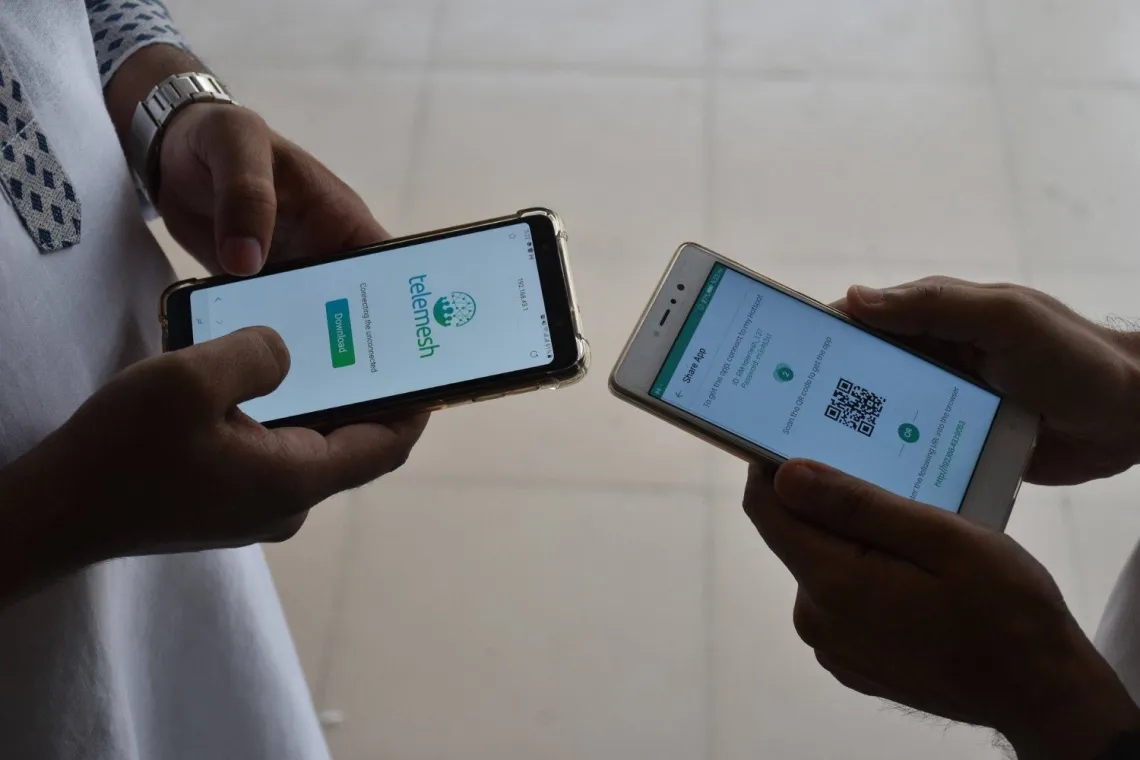
During a discussion on using stablecoins to support humanitarian action at the 2026 World Economic Forum in Davos, Switzerland, UNICEF Executive Director Catherine Russell said, “Since 2019, working with key partners, UNICEF’s CryptoFund has accepted, held and deployed crypto to benefit children. Our fund is evolving again with the addition of USDC.”
Stablecoins such as USDC are a powerful potential tool for strengthening humanitarian action because they are pegged to the US dollar, meaning they avoid dramatic currency fluctuations seen with other cryptocurrencies. This makes them a digital asset that is particularly well-suited for payments in emerging markets and situations of crisis and conflict.
By diversifying the CryptoFund’s funding streams, UNICEF is leading the way in exploring and testing how new funding and new technologies can drive real-world impact for children and their communities everywhere.
* UNICEF does not endorse any company, brand, product or service.