

UNICEF and Oxygen
Expanding access to medical oxygen in lower- and middle-income countries
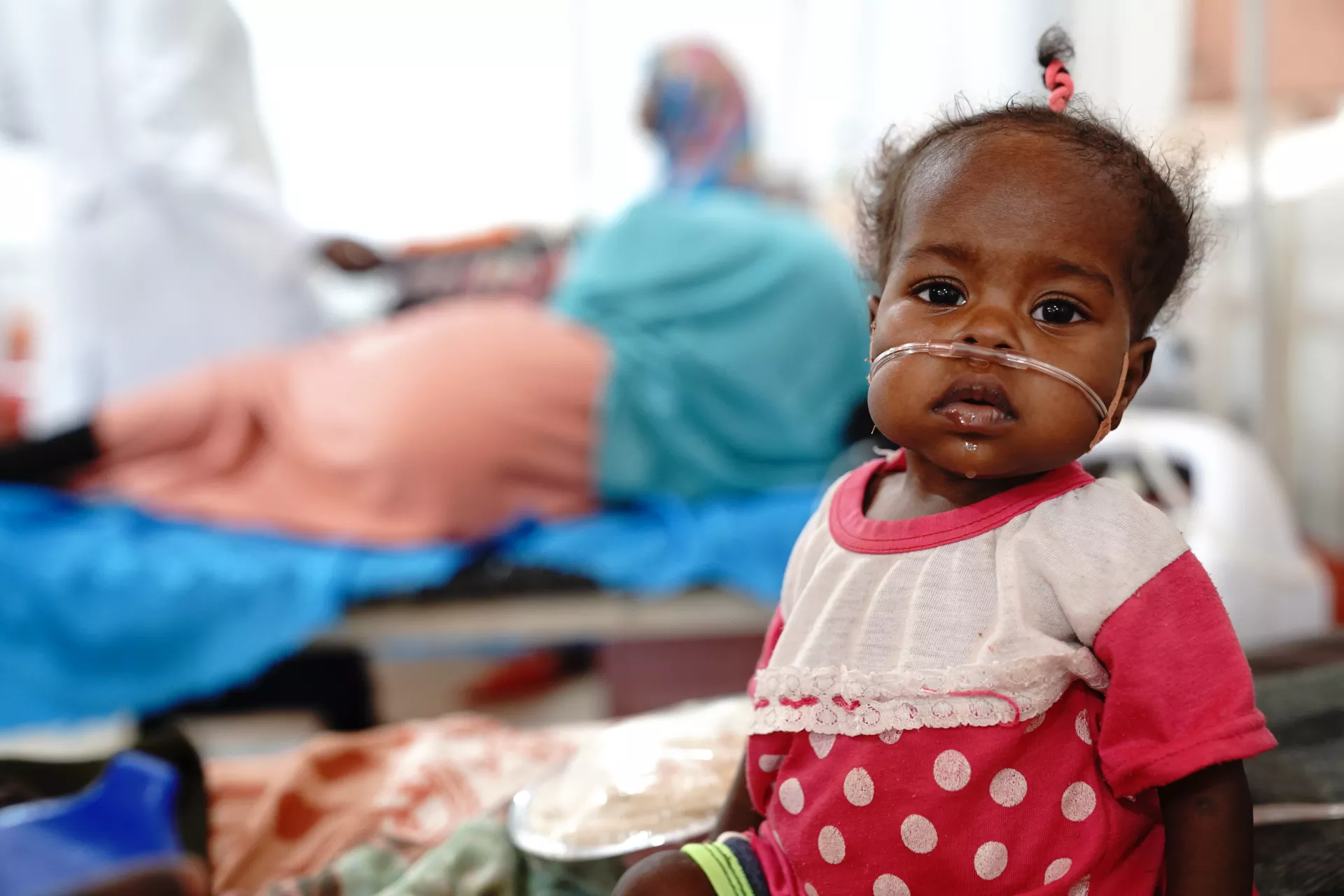

During the COVID-19 pandemic, the overwhelming demand for oxygen in healthcare facilities highlighted severe shortages, forcing healthcare practitioners into agonizing decisions over life and death. Even prior to the pandemic, access to medical oxygen was limited, viewed as a luxury in many small towns, rural areas, and densely populated cities in low- and middle-income countries.
Annually, tens of millions of critically ill children require oxygen, alongside countless other patients battling critical conditions. Effective oxygen systems in countries can halve hospital-based pneumonia deaths, the leading infectious killer of children under five worldwide.
UNICEF has identified several key challenges in fragile health systems that hinder the delivery of oxygen to those most in need:
- Limited oxygen availability across all levels of healthcare to cover basic and surge needs.
- Inadequate data and monitoring systems to identify gaps and needs in oxygen production capacity and equipment.
- Limited capacity of health workers, biomedical engineers, and technicians on the operation and maintenance of oxygen and other biomedical equipment, and to provide quality care to critically ill patients.
- A shortage of available tools, such as pulse oximeters, needed to determine which patients require urgent oxygen therapy.
- A lack of comprehensive knowledge among health workers and insufficient guidelines on oxygen treatment to minimize harm and maximize patient recovery.
- Absence of national plans for sustainable management, financing, and treatment protocols for oxygen therapy.


Amid the COVID-19 crisis, UNICEF rapidly expanded its capacity and supply portfolio, providing immediate support to countries and strengthening oxygen systems for long-term impact. Drawing on experiences from various initiatives like the Scaling Pneumonia Response Innovations (SPRINT) programme which enhanced access to oxygen and antibiotics for pneumonia treatment in Ghana and Senegal, UNICEF launched a comprehensive global oxygen response.
Since 2020, UNICEF has supported oxygen scale-up activities in over 100 countries, focusing on:
- Needs assessment and planning: UNICEF assists countries in systematically enhancing oxygen access using tools like the Oxygen System Planning Tool. This tool helps assess, quantify, and cost oxygen supply needs at national, subnational, and health facility levels. Additionally, UNICEF aids in designing national oxygen roadmaps to scale support effectively, covering both basic and surge needs and preparing for future pandemics.
- Supply and distribution of oxygen equipment: UNICEF delivers a broad spectrum of oxygen equipment, including pulse oximeters, oxygen concentrators, and child-specific oxygen accessories. In regions without large-scale oxygen systems, UNICEF provides fully operational oxygen-generating plants through the innovative 'Plant-in-a-Box' solution.
- Capacity building: Optimal oxygen therapy treatment and maintenance of equipment require trained personnel. UNICEF collaborates with governments to establish standard guidelines and offers training for healthcare professionals, including doctors, nurses, biomedical engineers, and technicians. These trained personnel are crucial for troubleshooting, repairing, and maintaining equipment, ensuring consistent oxygen availability.
- Integrating oxygen into ongoing health programming: Installing an oxygen plant does not automatically save lives. Technical support is required to ensure oxygen is distributed to all delivery points within health facilities, including at the bedside where appropriate delivery equipment such as face masks are available. UNICEF is also working to integrate hypoxemia measurement and oxygen therapy into clinical care guidelines and protocols to ensure they are part of existing services for maternal, newborn and child health.
- Oxygen Innovations: UNICEF continuously develops and deploys oxygen innovations in response to the challenges faced in countries in providing access to medical oxygen. These innovations include durable oxygen concentrators suited for challenging environments, solar-powered and heat recovery oxygen plants for consistent power supply, the Oxygen-as-a-Service initiative leveraging public-private partnerships, and the Newborn CPAP Respiratory Support, which introduces and scales innovative products for newborn care.
- Market transparency: UNICEF ensures transparency in the oxygen market by providing detailed information on oxygen sources and supplies. This includes product specifications, delivery details, supplier information, and price ranges, all accessible through the Oxygen Market Dashboard.
Worldwide UNICEF oxygen assistance in numbers
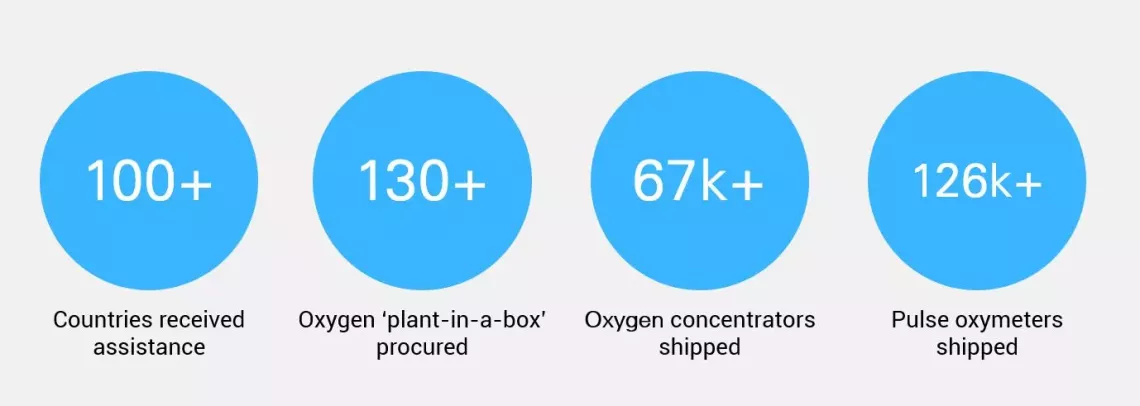
Since 2020, UNICEF has procured and shipped oxygen products and equipment to over 100 countries. As of May 2023, UNICEF is working in over 60 countries to plan and implement comprehensive scale-up of oxygen access in healthcare.


Investing in oxygen systems has proven to drastically reduce child mortality in lower- and middle-income countries. By enhancing these systems, the heartbreaking statistic of 4.9 million children dying before their fifth birthday can be significantly reduced. These efforts are crucial not only for saving children's lives but also for supporting pregnant mothers, the elderly, and other vulnerable groups.
Oxygen therapy is essential for the survival of millions of newborns children suffering from pneumonia and other serious conditions each year. Strengthening global oxygen systems can cut hospital deaths among children under five by a quarter, demonstrating oxygen's critical role in child survival.
Working with the Global Oxygen Alliance, UNICEF aims to achieve universal access to medical oxygen. This collective approach highlights the importance of strategic investments and international cooperation in improving global health infrastructure and ensuring equitable access to medical oxygen.
The impact of UNICEF’s efforts is evident through stories from around the world. We invite you to visit our stories page here:

To ensure investments are sustained and further scaled, UNICEF will continue to provide support to governments to identify remaining gaps and needs to ensure universal access to oxygen, including for pandemic surges.
When oxygen is integrated in all aspects of health systems, countries will be able to reach all people — including the most vulnerable children — with life-saving support, so that everyone, everywhere can have an equal opportunity to live a healthy life.

UNICEF thanks all partners and donors that supported our COVID-19 response and ongoing oxygen systems strengthening efforts.
This includes investments made through the ACT-A Supplies Financing Facility and the ACT-A Humanitarian Action for Children Appeals for the COVID-19 oxygen response of over 94 million USD to 62 countries in 2021 and 2022, with generous support from many partners, including the Governments of Canada, Norway, and the United States, and the private sector.