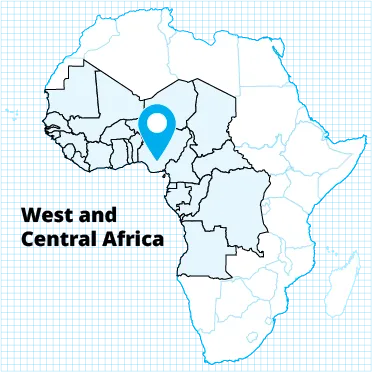
Innovation Across Borders: West and Central Africa
Niccolo Cirone, UNICEF West and Central Africa, explains how artificial intelligence (AI) is increasing access to digital tools for underserved communities
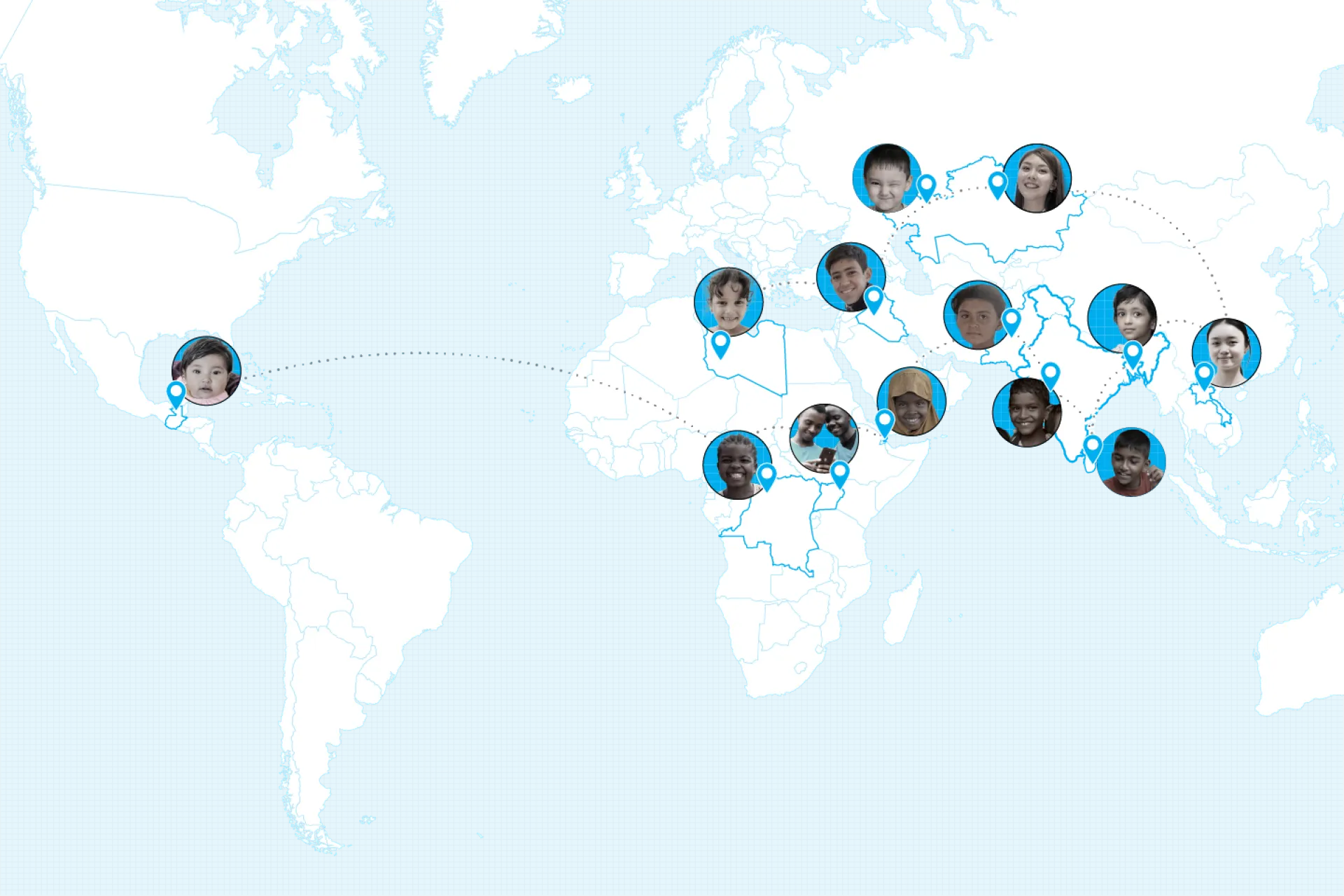
Across 190 countries and territories, UNICEF colleagues and partners are on the frontlines of the greatest challenges affecting the lives of children and young people. Innovation Across Borders highlights the experiences, successes and learnings of innovation champions, committed to making positive social impact.
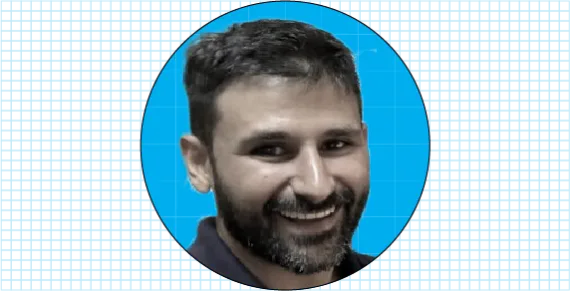
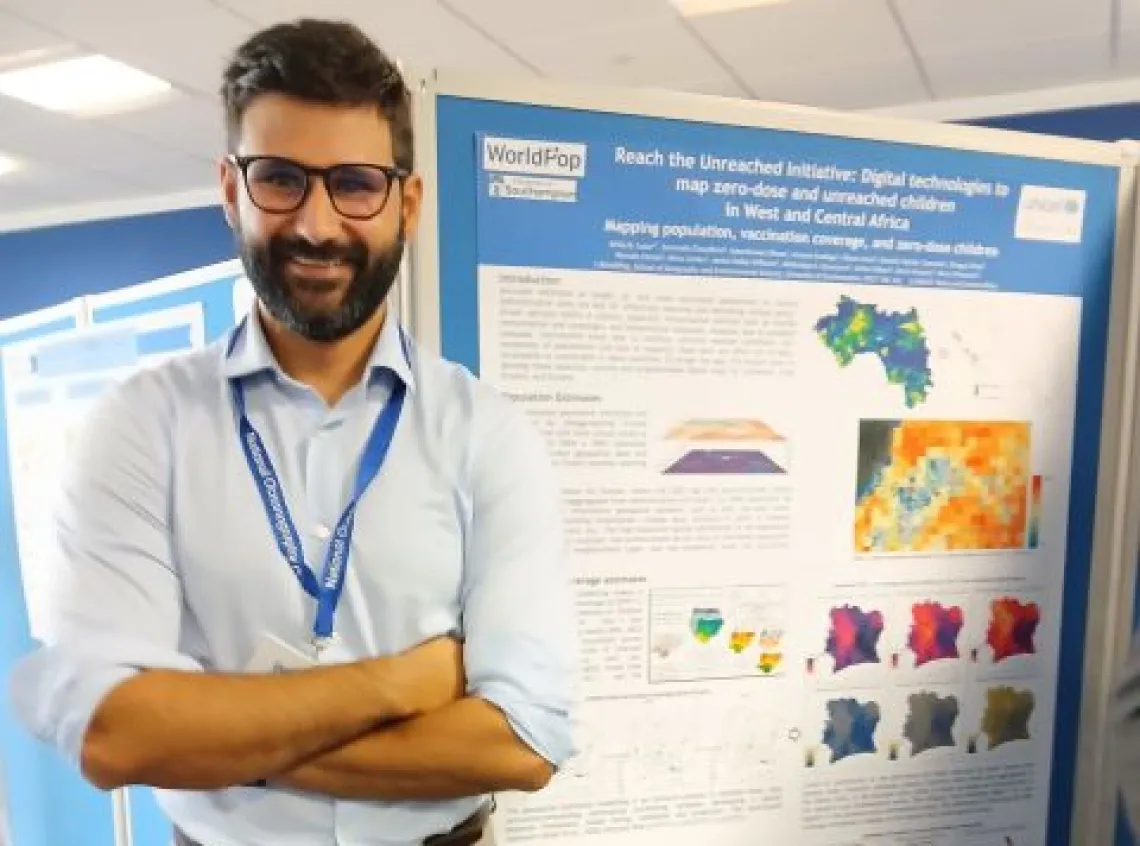
Niccolo Cirone, digital impact specialist, UNICEF’s West and Central Africa Regional Office

Tell us about the innovation that you’re working on.
West and Central Africa is a region where more than 1,600 languages are spoken, yet many remain largely invisible to today's AI systems. To help address this gap, UNICEF’s Regional Office for West and Central Africa is supporting local startups to build AI that understands African languages and reflects the cultures and communities where children live. By bringing together local innovators, researchers and partners, we are helping ensure AI better reflects the languages, cultures and realities of the children it is designed to serve.
What has been the impact so far?
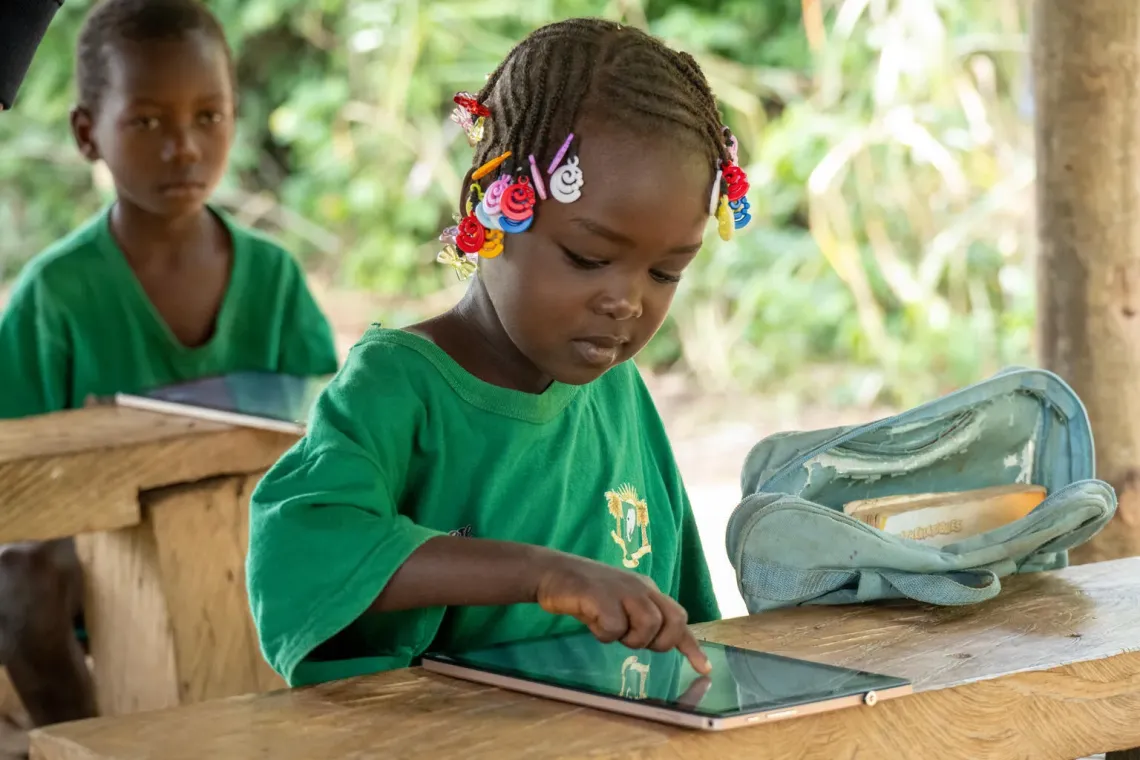
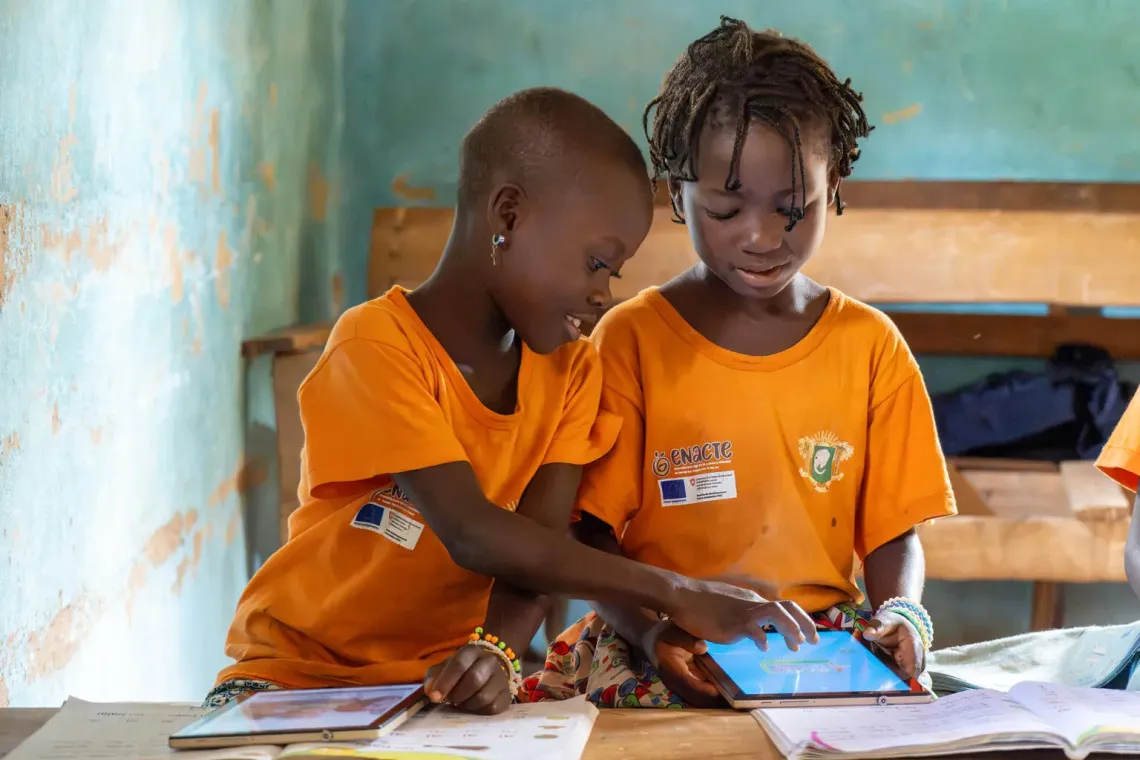
From the beginning, our goal wasn't to create one standalone AI project. It was to bring together startups, researchers, governments and UN agencies to collaborate and build on each other's work. Together we've improved AI models for several low-resource languages, with a particular focus on helping them communicate more effectively with children. And through testing with users, we've demonstrated that these models can perform effectively in real-world settings such as schools and other child-focused environments.
What have been some of the biggest challenges you've encountered?
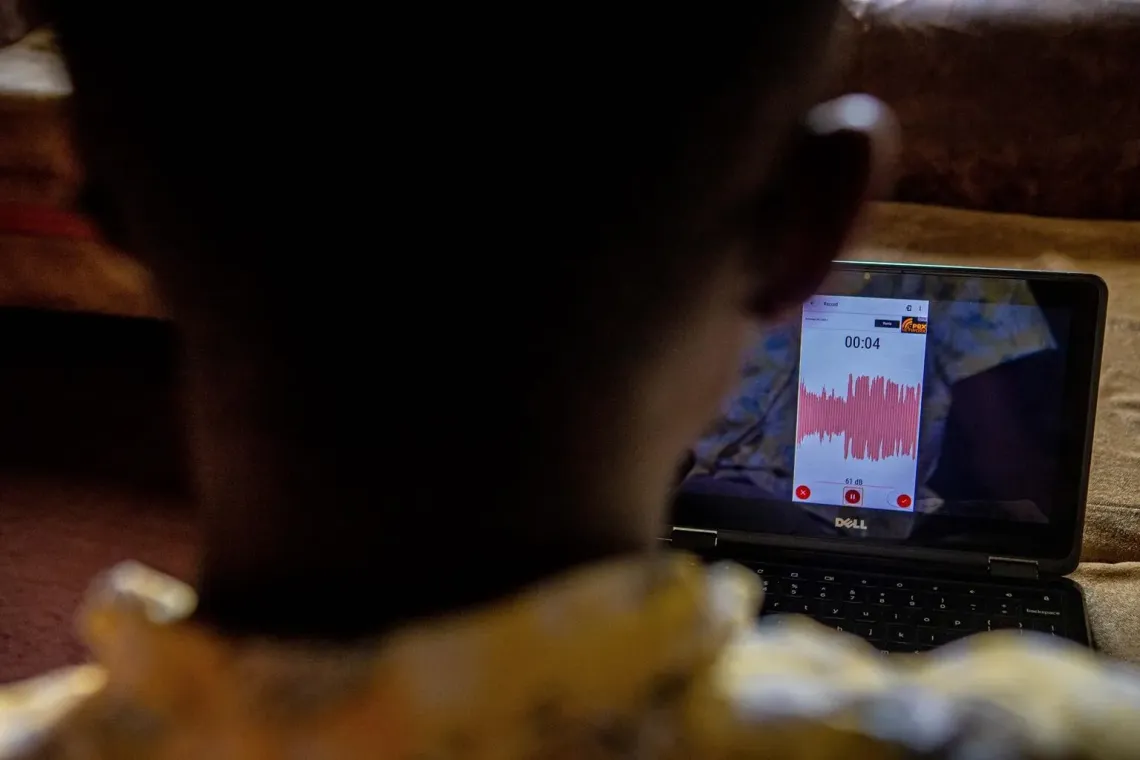
One of the biggest challenges was collecting the speech data needed to train the AI models. We worked in rural communities and recorded people speaking naturally in their everyday environments. That gave us more representative data, but it also meant much of it wasn't suitable for training because of background noise and other quality issues. We expected that trade-off from the beginning, and despite having less usable data than we'd hoped, every model became more accurate.
What have been some of the highlights of the project so far?
One of the biggest highlights was discovering that local startups are building some of the strongest AI models for these languages, despite having only a fraction of the resources of major technology companies. While many large AI companies claim their models support hundreds of languages, they often don't perform particularly well in languages spoken across West and Central Africa. Local startups achieved better results because they understood both the language and the cultural context and. That confirmed we were investing in the right partners. Another highlight was bringing those startups together at a summit in Senegal. It was exciting to see people exchange ideas, identify shared challenges and begin collaborating.

What has it been like working with partners?
None of this would have happened without our partners, including Arm and the startups we work with across the region. We wanted to bring together organizations with different strengths and create a community. We knew that choosing the right partners would be about more than technical expertise. We looked for those that shared UNICEF's values, had experience working with children and understood the communities where these technologies would be used.
Have there been any major lessons?
The biggest unanswered question is how to build sustainable businesses around local language AI. UNICEF believes these AI models should be open source so they can benefit as many people as possible, but at the same time, our startup partners need to build viable businesses. We explored a number of possible approaches during the project, including hybrid models where some technology is open source and some remains proprietary. We don't have a perfect answer yet.





What are your hopes for the future of this innovation?
I believe this is where AI is heading. It will speak more languages, translate more naturally and become part of people's everyday lives, everywhere. My hope is that it's built in ways that reflect local cultures and the needs of children, especially those who speak languages that have historically been overlooked. We've shown that it's possible to build AI that understands these languages, so the next step is making sure it has a real impact. That means understanding how these tools can improve learning and other outcomes for children in schools and communities.
What message around innovation do you have for colleagues around the world?
Innovation has to be grounded in reality if it's going to succeed. For us, that meant investing time upfront to identify partners we trusted. Looking back, that investment saved us a lot of work later. Everyone understood their role and their value, so we weren't constantly putting out fires, re-explaining objectives or changing direction. With that strong foundation in place, collaboration became incredibly productive and the magic just started to happen!
Niccolo Cirone is a digital impact specialist in UNICEF’s West and Central Africa Regional Office.
This natural language processing work is part of AI in Play, UNICEF’s flagship AI ecosystem for children, and focuses on advancing AI for African languages in partnership with local innovators.