Innovation Across Borders: Djibouti
Wigdan Kays Aboubaker, UNICEF Djibouti, reflects on implementing the Giga mapping project to connect schools to the internet
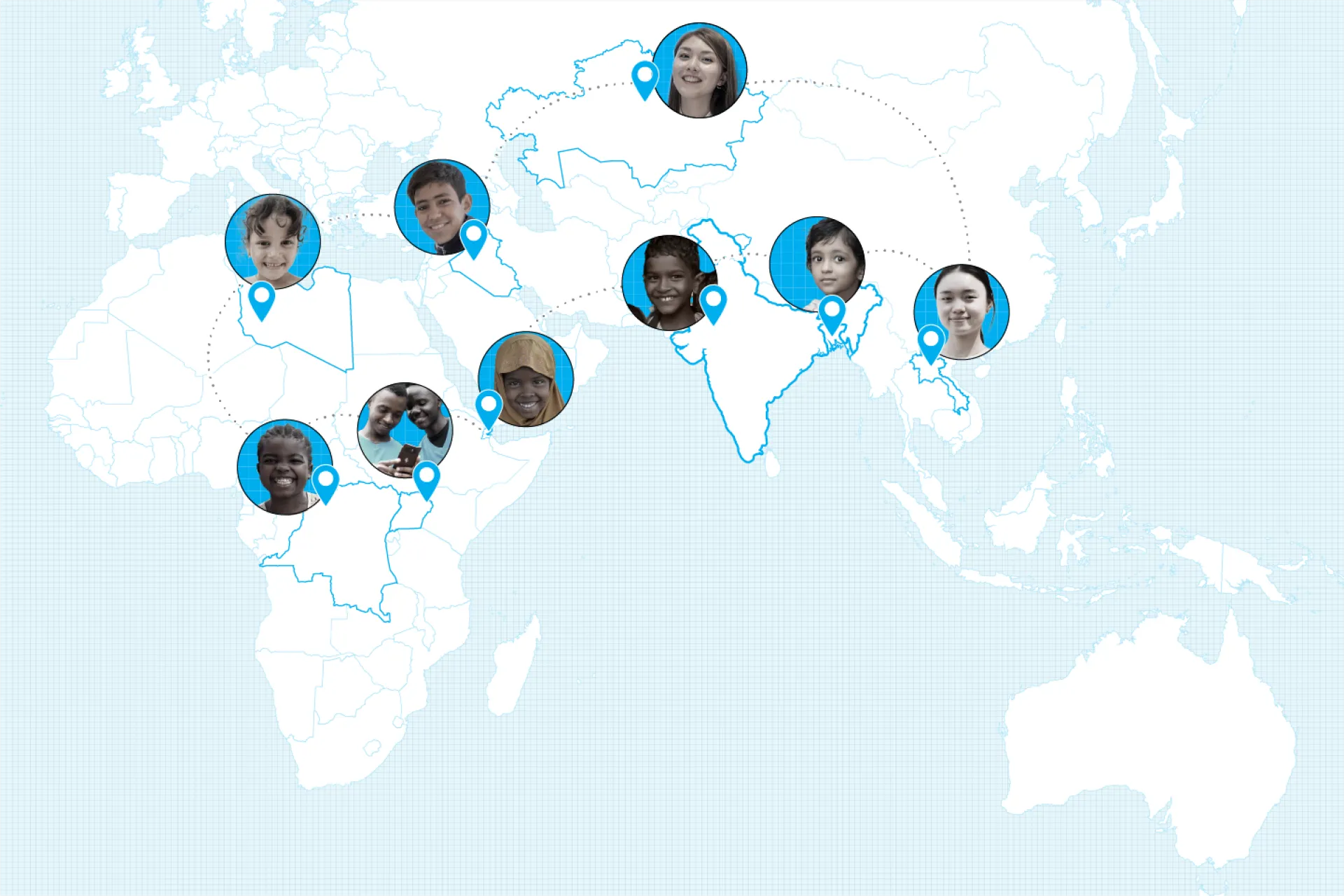
Across 190 countries and territories, UNICEF colleagues and partners are on the frontlines of the greatest challenges affecting the lives of children and young people. Innovation Across Borders highlights the experiences, successes and learnings of innovation champions, committed to making positive social impact.


What has been the impact of your innovation?
Giga is a joint initiative between UNICEF and the International Telecommunications Union (ITU) aiming to connect schools everywhere to the internet. As Information and Communication Technology (ICT)/Technology for Development (T4D) Officer, I introduced the project in Djibouti. It was met with great enthusiasm by both our office and the Ministry of Education.
Working closely with government, we have mapped 374 schools, the first step towards connecting them to the internet and opening the way to better learning resources, higher quality education and equal opportunities even for schools in remote areas. In less than five months, we’ve mapped over 80 per cent of schools nationwide. It’s a huge step toward inclusion and equity.
What challenges have you encountered?
A major challenge during the early mapping phase was the meticulous extraction of GPS coordinates for schools, as well as other key data such as the number of classrooms, year groups and pupils. Doing this manually using an online map and other sources was very time-consuming, so I reached out for support to the Giga team and that’s how Giga AI-based mapping came into play in Djibouti, using machine learning to identify schools from satellite imagery. It was a game changer!
What have been the high points?
The biggest highlight has been the enthusiasm and commitment of the education ministry’s ICT team in adopting the new AI tool. Seeing everyone’s engagement and excitement has been incredibly motivating.


What was your experience of collaborating with partners?
Working with partners is always rewarding. It helps us understand their challenges and needs better. Getting hands-on with data compilation and improving the AI tool together through Giga was a fantastic experience.
What have been your biggest lessons learned?
Partnership is a must, and staying connected with the people we serve is what keeps us energized and motivated to work for children every single day.
What are your hopes for the future of this innovation?
In the short term, we hope to organize a workshop that brings together the ministries of education and health, along with other key partners, to explore new services for rural schools, such as like telemedicine, birth registration and other public services. I believe the potential is huge.

What message do you have for colleagues around the world?
Innovation is never easy. We dream big, but challenges come fast. My advice: never stop dreaming of a better world for children and surround yourself with the right people to turn those dreams into reality.