Improving Access to Health Care with Emerging Technologies
Strengthening health systems for children and their communities in underserved areas.

For parents like Elena Stefanova in North Macedonia, the early childhood years are a critical time when experiences shape children’s physical, cognitive, and social development — yet finding reliable health and parenting resources can be challenging, especially in underserved areas.
“Being a parent is a joy, but it’s also a responsibility,” she shares. “Bebbo helps me ensure I’m making the right choices for my child, with advice on healthy food, vaccination schedules, and new games that my child loves.” As one of the digital tools supported by UNICEF’s Venture Fund, Bebbo now reaches over a million parents across 14 countries, empowering families with advice tailored to support their children’s health and development.
Elena’s story is one example of how digital innovations are helping close healthcare gaps for families around the world. Bebbo, Intelehealth, and Eyebou are among a cohort of start-ups supported by the Venture Fund that use technologies like artificial intelligence to make essential health services accessible in underserved areas. Investments in these start-ups, which develop Open Source, socially impactful solutions, help strengthen health systems where the need is greatest.
Intelehealth, a telemedicine initiative, is making a significant impact in Kyrgyzstan, where the under-five mortality rate remains high in rural areas due to limited healthcare access. By connecting families directly with doctors, Intelehealth provides timely diagnoses and treatment options critical to children’s well-being. In partnership with Kyrgyzstan’s Ministry of Health, the service is helping bridge healthcare gaps to ensure that even the most remote communities can access essential medical support."
Access to quality healthcare is a right, not a privilege—a right that telemedicine is helping bring to every child, everywhere,” says Yulia Oleinik, former acting UNICEF Representative in Kyrgyzstan.
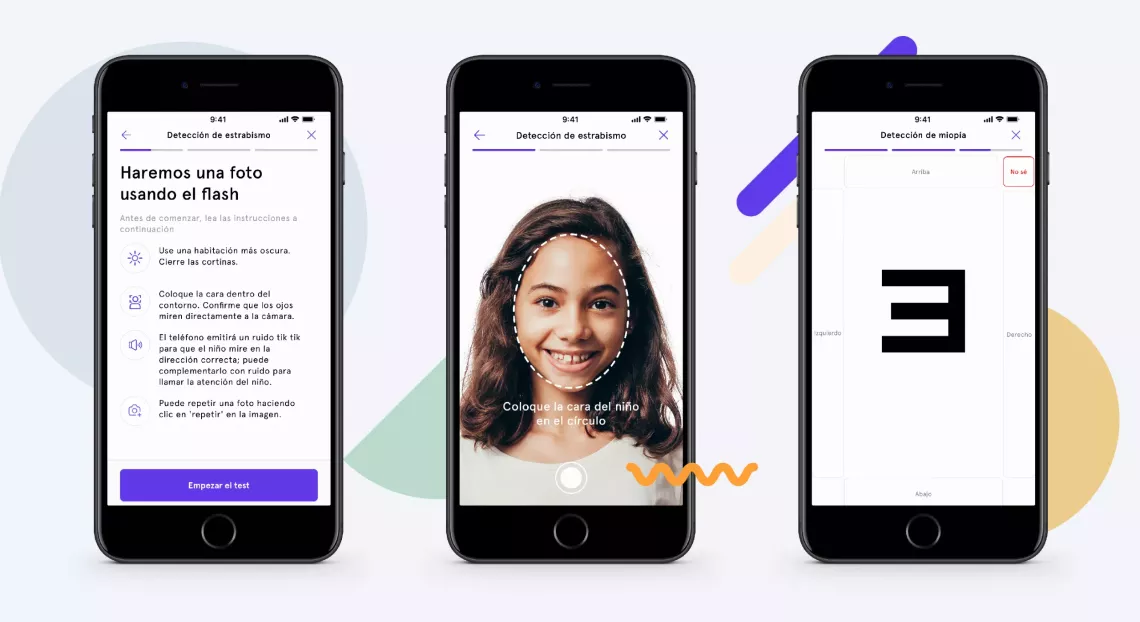
Another Fund-supported tool, Eyebou, addresses an often-overlooked health need: vision care for children. In Colombia, Eyebou screened over 2,000 foster children in SOS Children’s Villages and found that nearly 33 per cent had undiagnosed vision problems, affecting their ability to learn. Today, Eyebou has screened 5,000 children globally and is partnering with Vision Action to pilot a program with Zambia’s Ministries of Health and Education. Using AI-powered tools, Eyebou’s technology detects vision issues early, allowing children to receive the care they need to succeed in school and beyond.
“At Eyebou, we use technology to make eye care accessible and affordable, even in areas with low connectivity,” says Amy Fehilly, Eyebou Co-Founder.
Each of these companies shares a common goal: to ensure children have what they need to survive and thrive. These Venture Fund’s investments, enabled by Takeda Pharmaceutical Limited Company, help unlock new ways to strengthen health systems and improve children’s lives.
Frontier technologies are delivering scalable, sustainable solutions that bring essential health services closer to children and communities everywhere. With strategic and catalytic partnerships, UNICEF Venture Fund can continue to identify and invest in start-ups, unlocking the potential of frontier technologies for global social impact.