More Than Just Teaching
How Two Daycare Teachers Transformed Their Classrooms and Themselves
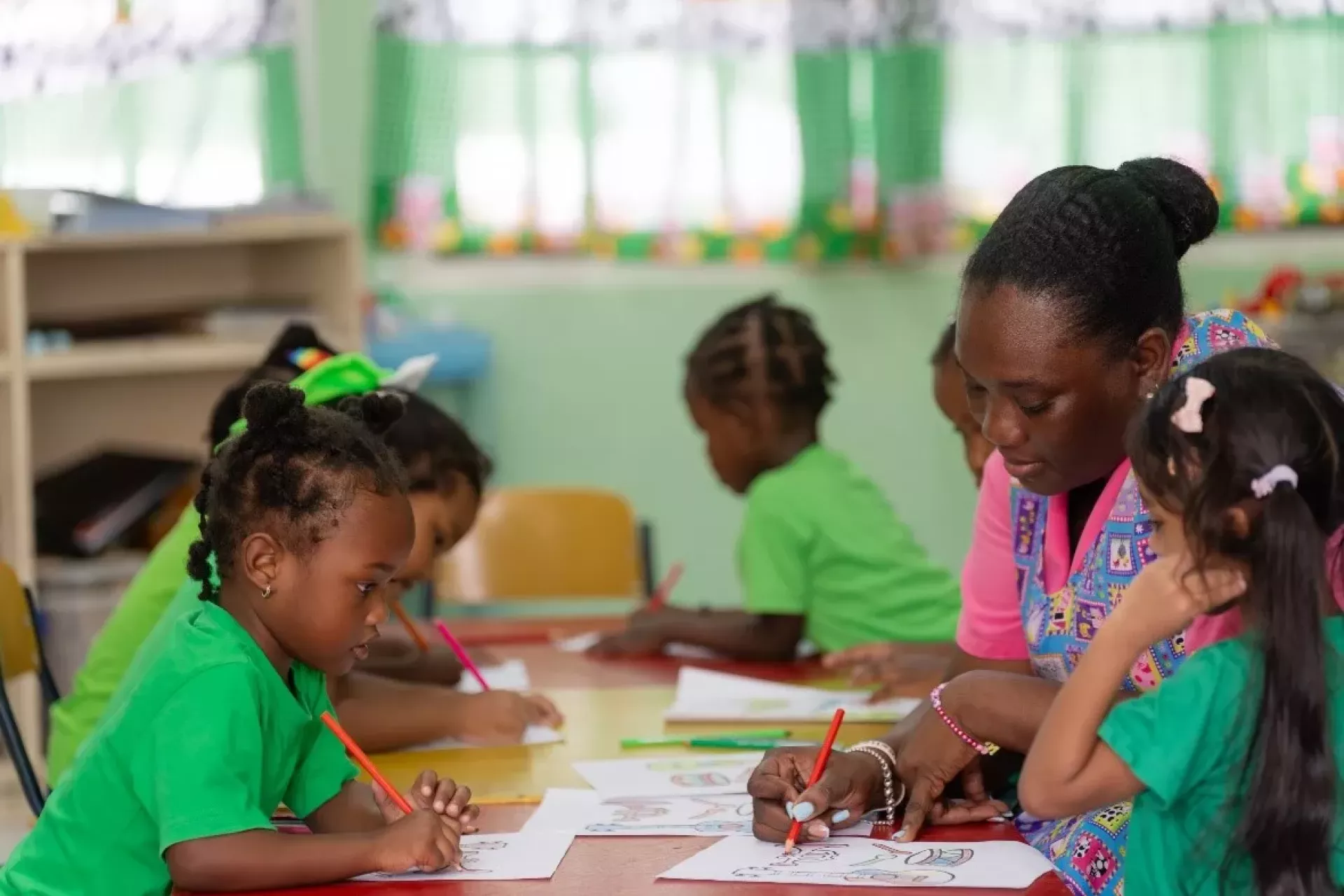
A soft buzz of chatter and laughter fills the daycare as little hands build block towers and flip through picture books. Watching quietly from across the room are Samantha (35) and Xiomara (39), two seasoned daycare teachers, with over 15 years in the classroom, discovering something they never anticipated in their career as daycare teachers: a renewed sense of purpose and transformation.
“We both chose to work in early childhood because we love being around little children,” says Samantha with a warm smile. “But after doing this for so long, it’s easy to fall into routines without realizing how much more we could give, and how much more children need from us.”
“I was amazed at the creative ways we learned to teach. We use songs and games to talk about colors, fruits, even washing clothes. The children love it, and they remember it.”
Before, many of these classrooms followed a more traditional, teacher-led model. After the training, the change is visible.
Everything changed when Xiomara and Samantha took part in the early learning program, a new approach aimed at building stronger foundations for Suriname’s youngest learners through play-based, child-centered methods. Xiomara’s journey through training became a turning point, both professionally and personally.
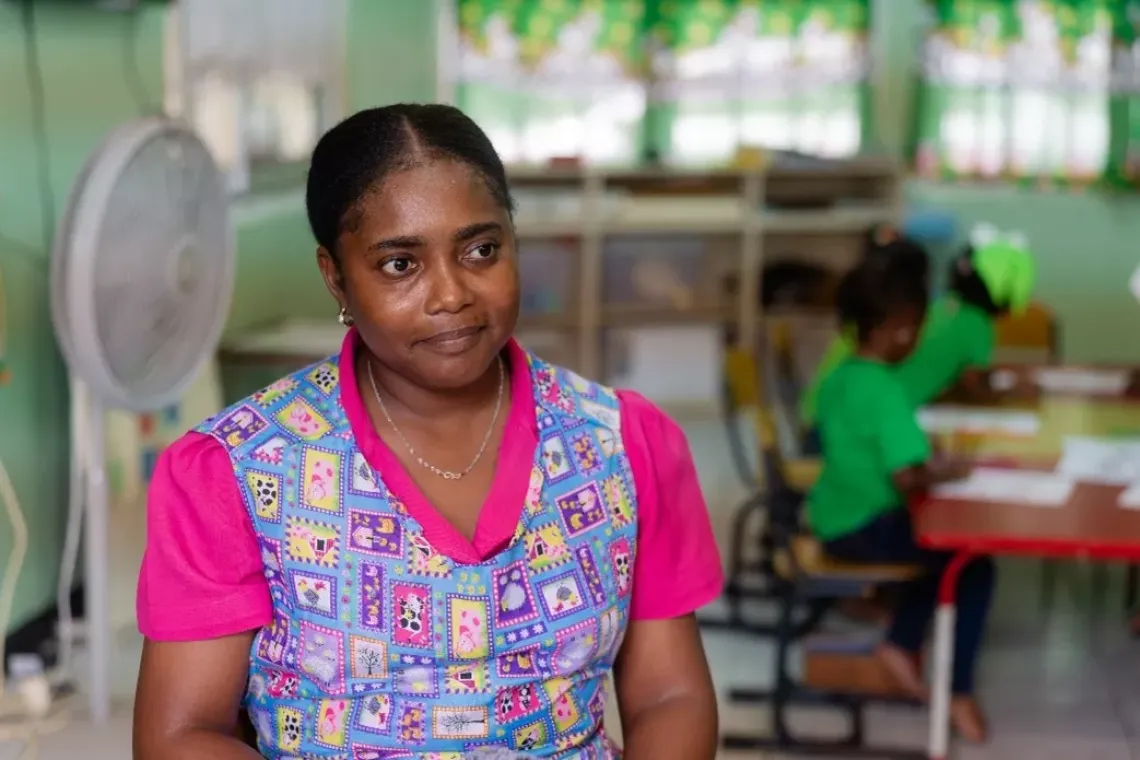
“I used to think that children had to follow instructions right away. That was my mindset,” she admits. “I would say things like ‘Don’t do that!’ or ‘Stop!’ without thinking about how those words affect a child.” After the training, I realized how powerful words can be. Now, I say things like ‘Let’s play kindly’ or ‘Use gentle hands.’ I don’t use ‘no’ or ‘don’t’ as much anymore. “That change in my language has made a big difference in how the children respond, and in how I feel too.”
“This shift in mindset has also changed how I raise my own two children, who are 6 and 8. I constantly remind myself that yelling isn’t the answer, just as we learned in the training, it’s about calm communication and talking more.” Xiomara highlighted calmly.
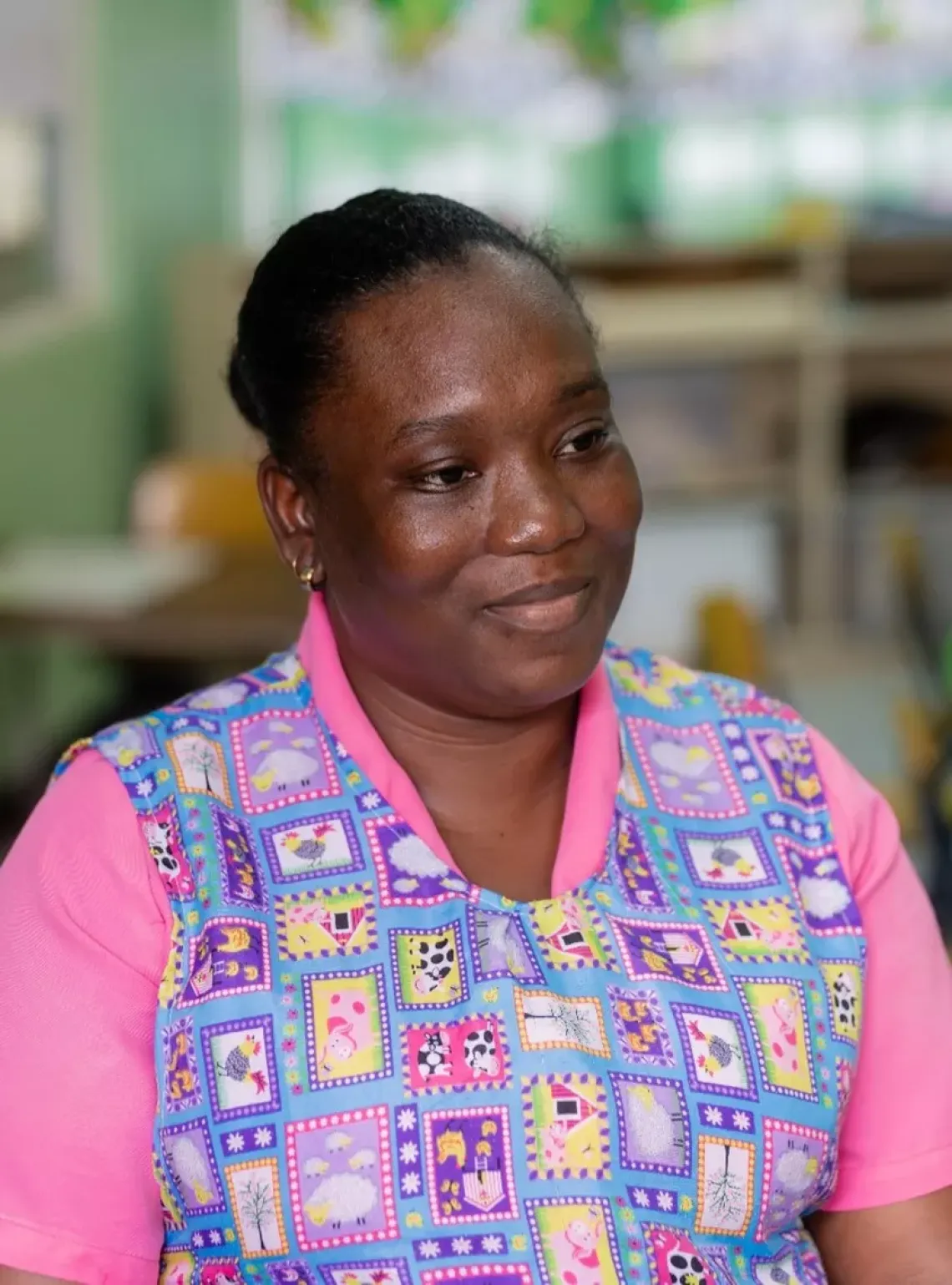
For Samantha, the shift was about patience. “I’ve become calmer. I spend time with each child. I’ve changed my tone of voice, and now I enjoy doing exercises with them. Before, I was more focused on getting through the day. Now I feel like I’m part of their little world, and they can feel that.”
The impact on children has been just as powerful. “Some children came in completely withdrawn,” says Samantha. “One little boy didn’t speak for months and wouldn’t make eye contact. But instead of pushing, I waited. I gave him space, spend time with him with extra attention. And eventually, he started talking and playing. It was beautiful to see.”
While the journey wasn’t without challenges, particularly adapting lessons for such young children, both teachers say the experience has been transformative. “Some of the training sessions were tough,” Xiomara shares. “Teaching toddlers how to wash clothes or make popsicles? That’s not something we’d ever done before! But the children surprised us. They got excited. They stayed engaged. And over time, we started having fun with it too.”
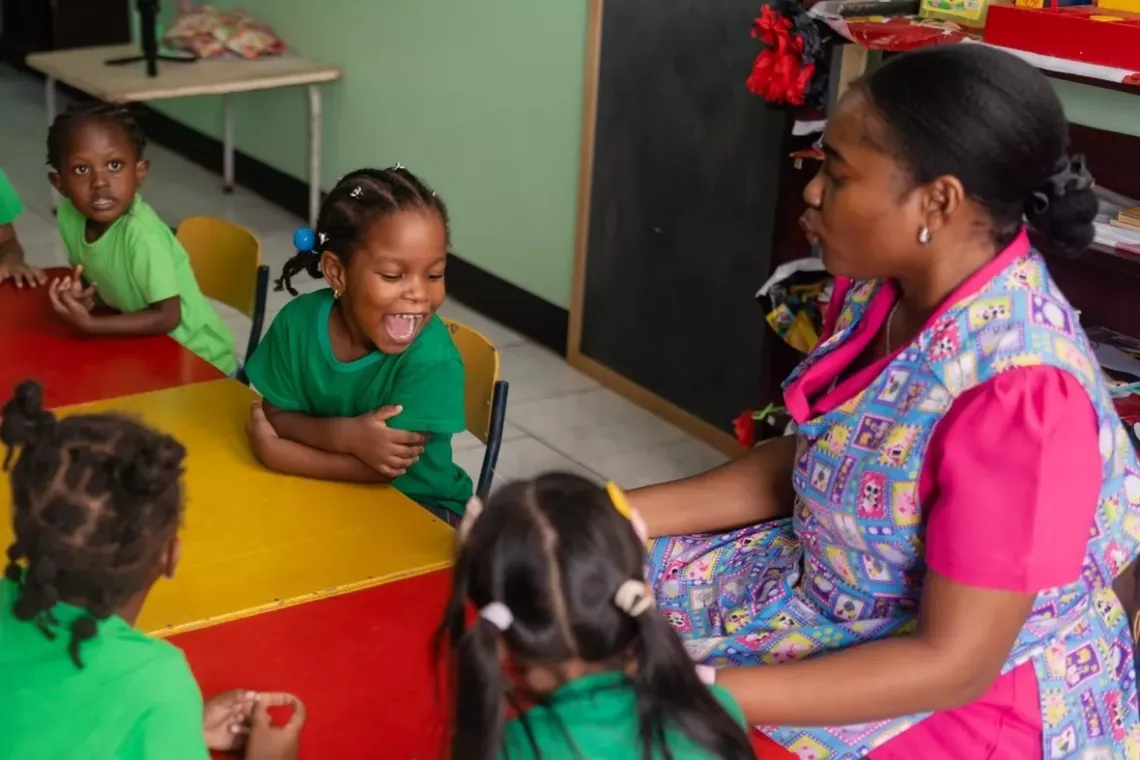
The impact before and after the rollout of the early learning program is striking. Before, classrooms were more static, with limited creative play or interactive learning. Teachers lacked the tools and confidence to introduce dynamic activities that stimulate early brain development.
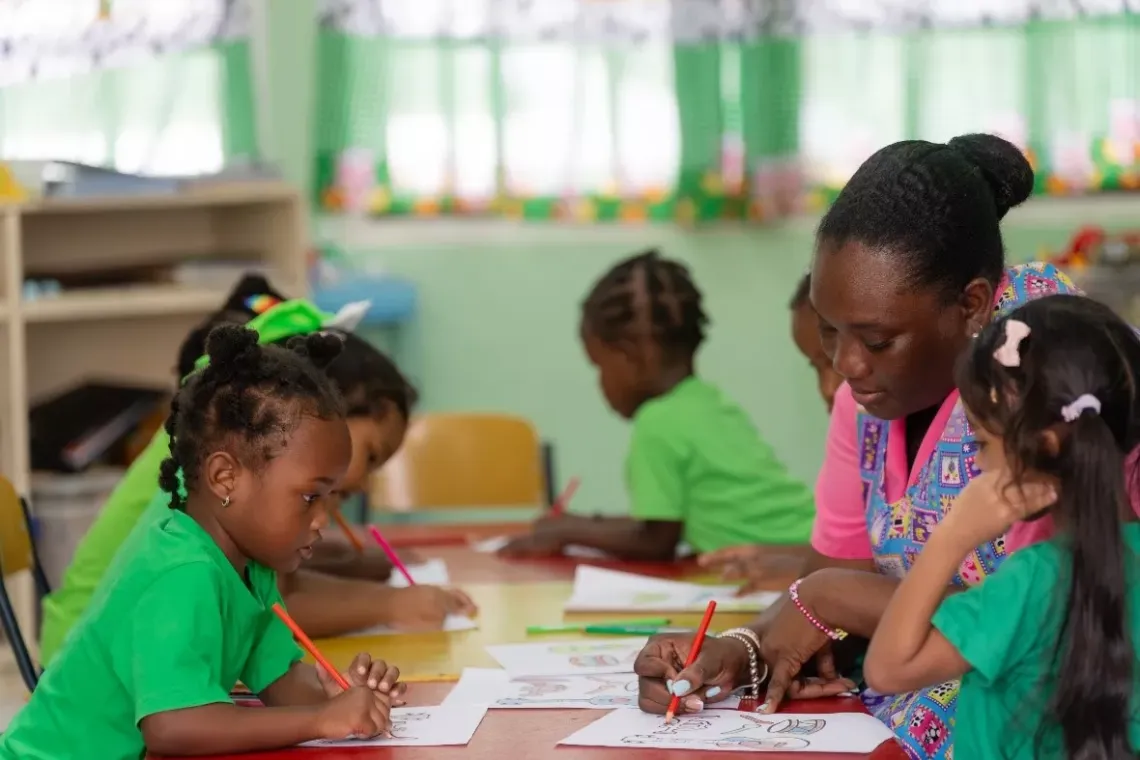
Today, thanks to the ‘Play, Discover & Learn’ program, classrooms are buzzing with energy and imagination. Three-year-olds identify colors and fruits, taking part in storytelling, role-playing, and learning through sensory activities. The teachers report that children are not only more engaged but also more proactive, confident, and communicative.
"It’s amazing to see how much both my teachers and my children have changed," said the headteacher at the Kotomisi Crèche. “The children ask more questions, they help each other, and they are proud of what they know. It feels like we’re planting the seeds of a brighter future.”
The growing number of trained daycare teachers and improved daycare environments are already making a measurable difference in children's preparedness for school. By investing in children’s earliest years, the "Play, Discover & Learn" program is building a strong foundation for lifelong learning and success, one colorful, joyful moment at a time.
Boilerplate
By the time children turn three, their brains are developing faster than at any other point in life. In Suriname, the ‘Play, Discover and Learn’, early learning program is helping ensure that every moment counts. With funding from Tubacex, UNICEF and Foundation Saga have expanded early learning programs to 29 daycare centers across Suriname, training staff to create joyful and engaging learning environments. These efforts are bridging the early learning gap and ensuring that 2–3-year-olds, have the best start in life.