


Children's right to proper nutrition
Good nutrition is the essential foundation for children's survival and development.
- Ελληνικά
- English
A balanced diet is one of the most important factors for the healthy development of children. Today, however, many children are deprived of this right, resulting in a lack of the essential nutrients they need to survive, grow and thrive. This is particularly true for children belonging to vulnerable groups such as younger children, those living in poverty and children experiencing humanitarian crises.
In Greece, as in the broader region of Europe and Central Asia, there are significant gaps in child nutrition, despite the fact that these countries are classified as high and middle income countries. Although progress has been made in recent years, there are still significant challenges that can - and should - be addressed, to ensure that every child has access to a balanced and nutrient-rich diet, particularly for marginalized children and families who belong to vulnerable population groups.
Learn more about children's right to proper nutrition and what UNICEF is doing in Greece and around the world to ensure it:
Challenges | What does malnutrition mean | Key facts |
Challenges
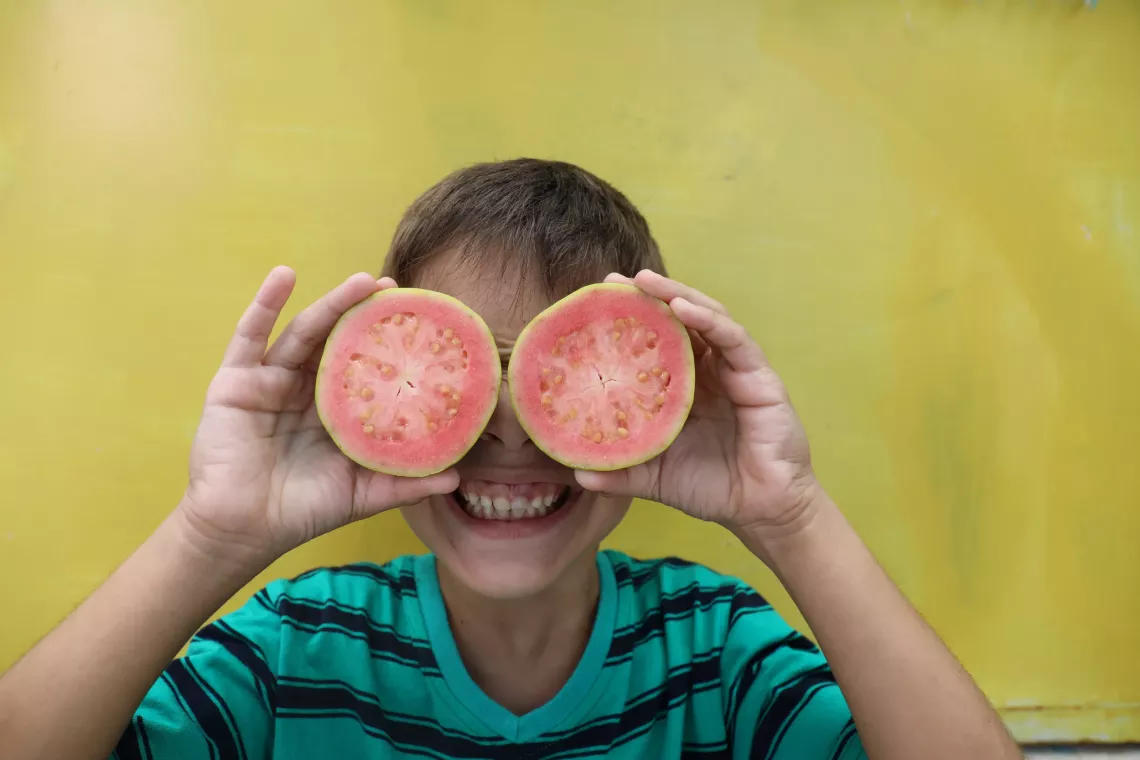
An unbalanced and nutrient-poor diet for a child can start in the first months of life. In particular, the Europe and Central Asia region has some of the lowest rates of exclusive breastfeeding in the world, and the problem can continue throughout childhood due to inadequate feeding practices and poor dietary habits.
The situation has been significantly exacerbated due to the global economic crisis, which has affected food prices, coupled with the COVID-19 pandemic, armed conflict and climate change. Even in the most affluent countries, many families struggle daily to provide their children with nutritious food. For some, however, this difficulty is nothing new. The most marginalized groups of children - such as Roma children and those living in extreme poverty - have always had limited access to a rich in nutrients, balanced diet, as well as to a variety of foods which is essential for their survival and development.
All these challenges are compounded by the fact that a balanced and nutritious child nutrition is not a development priority in these countries. The lack of immediate measures of action is reflected in the continued absence of reliable data, making it more difficult to identify children who are developmentally delayed, as well as the causes of their nutritional deficiencies and possible solutions. UNICEF is working with agencies across Europe and Central Asia to prioritize children's right to a balanced/healthy and nutritious diet and to address the challenges that deprive them of this right.
What is malnutrition?
According to the World Health Organization (WHO), the term 'malnutrition' refers not only to a lack but also to an excess or imbalance of energy and/or nutrients, or to their impaired utilization. The concept of malnutrition can refer to both undernutrition and obesity, as well as to noncommunicable diseases related to nutrition and increased body weight.
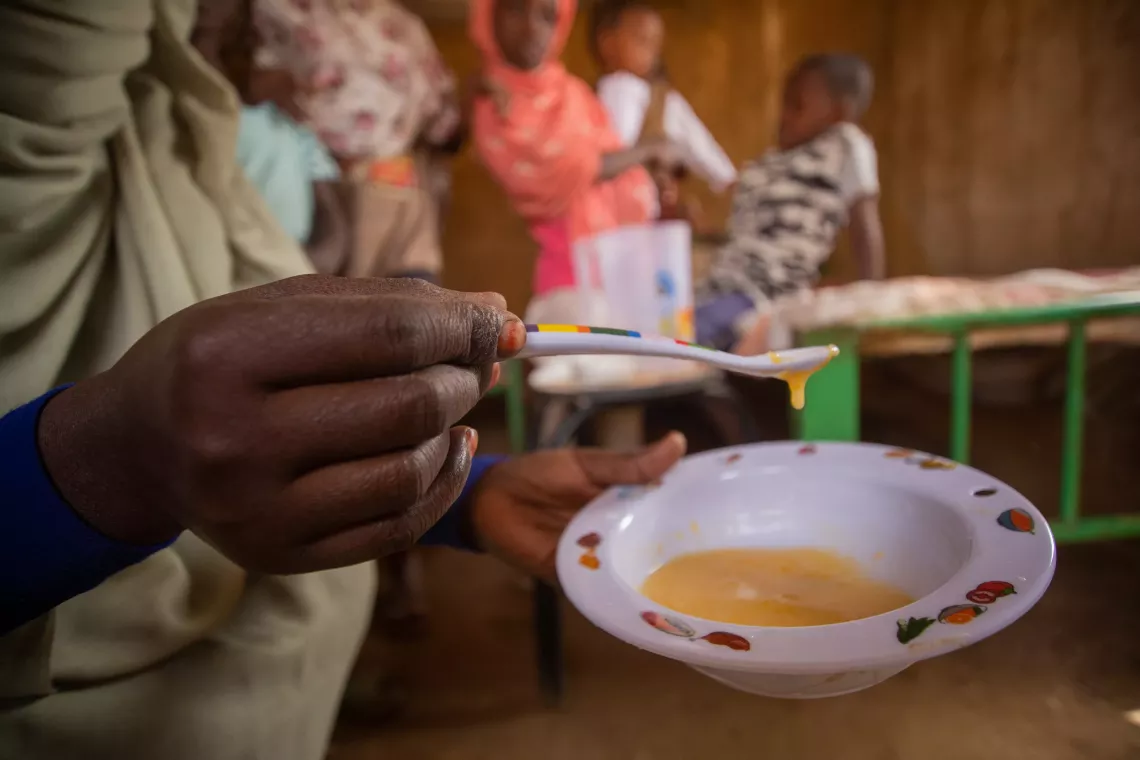
Malnutrition associated with undernutrition
Malnutrition associated with undernutrition in children can manifest itself in four general forms:
- Wasting (low weight-for-height): usually refers to recent and severe weight loss associated with significantly reduced food consumption and/or coexisting diseases (e.g. diarrhoea, vomiting, etc.) that have caused the weight loss. A young child with low weight relative to height has an increased risk of death, but treatment is possible.
- Stunting (low height-for-age): it is the result of chronic or recurrent undernutrition and is usually associated with poor socioeconomic conditions, poor maternal health and nutrition, frequent illness and/or inappropriate feeding and care practices for infants and young children in early life. Children who are too short for their age have serious difficulties in achieving their maximum physical and mental development.
- Underweight (low weight- for-age): usually, it is the result of one or both of the two previous conditions.
Deficiencies in essential micronutrients (vitamins and minerals): micronutrients are involved in the production of enzymes, hormones and other substances that are necessary for the proper development and growth of children. Iodine, vitamins A and D and iron are the most important micronutrients in global public health terms. Their deficiency poses a serious threat to the health and development of populations worldwide, particularly for children and pregnant women in low-income countries.
Malnutrition makes children particularly vulnerable to various diseases and even death. Although wasting (low weight-for-height), the most life-threatening form of malnutrition associated with undernutrition, has been significantly reduced in Europe and Central Asia, stunting (low height-for-age) remains a threat. There are many reasons for this, including poor breastfeeding practices from birth and a lack of good quality, variety and nutritious dietary choices. The impact is devastating on children's development and can include lower IQ and weakened immune systems. In addition, stunting (low height-for-age) can increase the risks of serious diseases later in a child's life, including obesity and noncommunicable diseases.
Malnutrition associated with obesity
Malnutrition associated with increased body weight, such as obesity, multiplies the risk of several serious diseases, such as cardiovascular disease, cancer and diabetes mellitus. It can also cause behavioral and emotional problems in children, such as stigmatization, low self-esteem and depression. A less visible form of malnutrition is 'hidden hunger', which occurs when a child is deficient in vitamins and other essential micronutrients such as minerals and antioxidants. These deficiencies lead to delayed physical development, a weakened immune system and limited brain and cognitive development.
The increasing rates of obesity, which has become the most prominent form of malnutrition in the Europe and Central Asia region in recent years, are alarming.
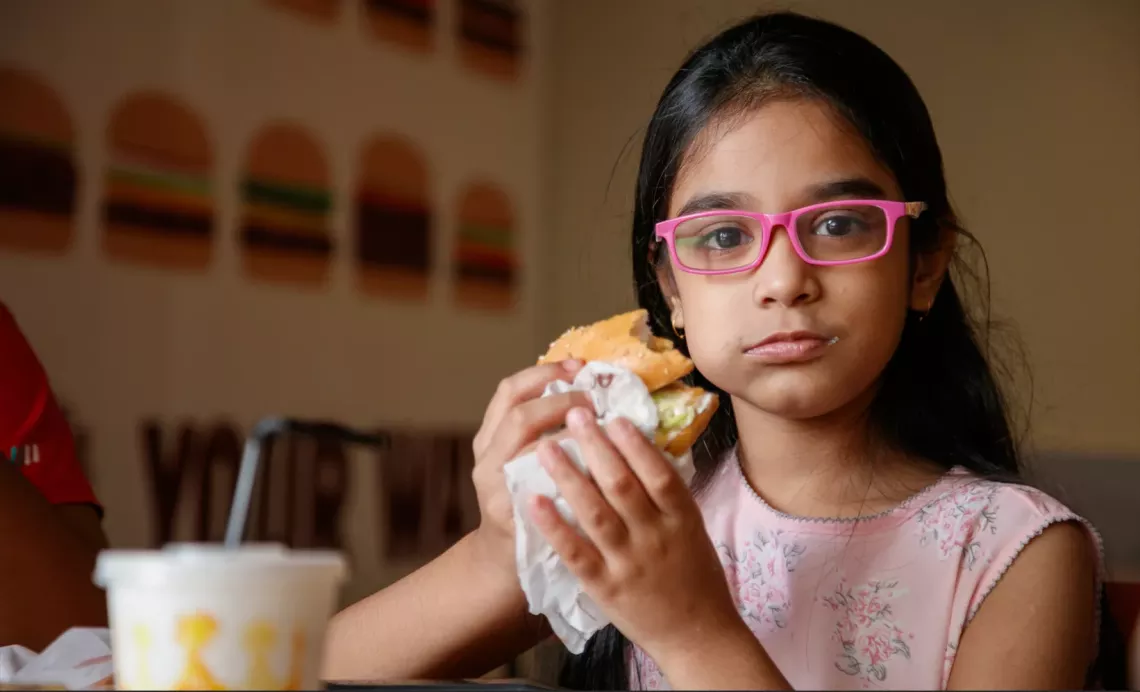
This phenomenon is due to a problematic food system dominated by unhealthy, highly processed foods as well as to the marketing strategies of the food and beverage industry aimed at children. The shaping of children's dietary preferences often starts in infancy, if they are fed breast milk substitutes instead of breast milk, followed by increased consumption of non-nutritious and over-processed foods during early childhood, middle childhood and adolescence.
Key Facts

- According to the World Health Organization (WHO), at least 1 in 3 children under 5 years of age worldwide suffer from the consequences of malnutrition in its most visible forms: undernutrition and obesity.
- Globally, in 2022, 149 million children under 5 years of age were estimated to be underweight relative to their age, 45 million were estimated to be underweight relative to their height, and 37 million were living with overweight or obesity.
- Worldwide, 1 in 4 children under 5 years of age experience severe childhood food poverty, which renders them up to 50% more likely to be underweight relative to their height, a life-threatening form of undernutrition.
- The Europe and Central Asia region has the lowest rate of exclusive breastfeeding in the world, with only 42% of children exclusively breastfed from birth to 6 months of age.
- More than 1.8 million children under 5 years of age in the region suffer from malnutrition related to undernutrition and are low height for their age.
- Between 20% and 40% of the region's population suffer from anaemia, iodine, zinc or vitamin A and D deficiency.
- Our country ranks first in Europe in terms of childhood obesity in the adolescent age group (10-19 years), with a rate of 35.3%. In the 5-9 age group, the country ranks second with a rate of 41%, after Italy. Among children under 5 years, our country ranks third with a rate of 13.9%, after Ukraine (17%) and Albania (14.6%). The prevalence of both obesity and overweight was particularly high among boys and girls aged 7-9 years, with the highest rates observed in Cyprus, Greece and Italy.

Survey data in Greece
With regard to dietary behaviours and physical activity habits, data from a survey conducted in 2024 among a representative sample of parents with children up to 17 years of age in Greece revealed that:
On a daily basis, only 42% of children eat fruit, while 33.3% consume vegetables. Adolescents aged 15-17 years consume fruits and vegetables daily at a rate of 30% and 28%, respectively.
At least five days a week, 17% of children and adolescents eat sweets or chocolates, while 21.7% eat puff pastries, croissants, cakes or biscuits.
More than once a week, 30% eat crisps or cheese crisps, 17.5% consume sugary drinks and 8% consume energy drinks, with the percentages increasing with age.
Only 20.6% of adolescents (15-17 years old) and 34.1% of the total sample exercise for at least one hour every day.
Children spend an average of 2.4 hours a day on screen-based activities outside of education, rising to up to 3 hours in adolescents.
Only 20.5% of parents believe their child is overweight.
Framework
Convention on the Rights of the Child (1989)
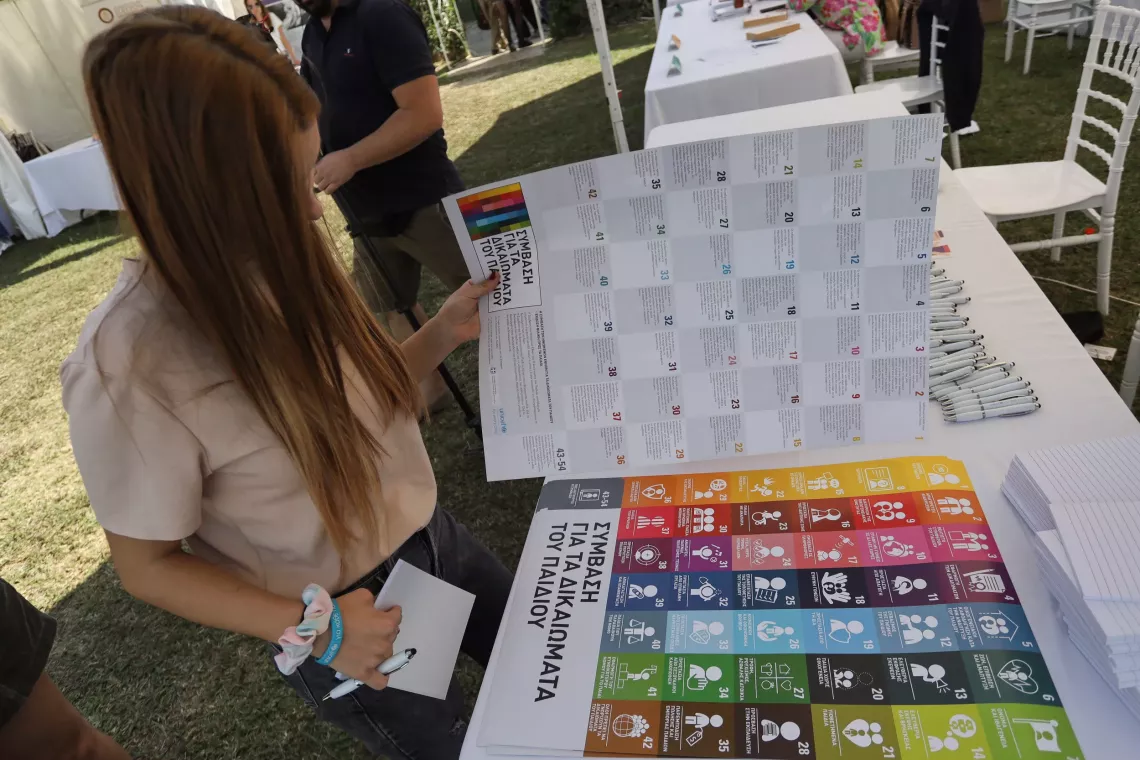
Under Article 24 of the Convention on the Rights of the Child, children have the right of access to healthy food and all adults and children alike must be properly informed to stay safe and healthy. Also under this Article, states parties shall endeavour to ensure the full implementation of the above right and to take appropriate measures to combat disease and malnutrition, through the provision of adequate nutritious food, among other things.
Sustainable Development Goals
Under the Sustainable Development Goals adopted in 2015, world leaders aim to end hunger by 2030 and ensure that all people, especially the most vulnerable groups, have access to safe, nutritious and adequate food, including infants (Goal 2.1). Another goal is to end all forms of malnutrition and achieve the internationally agreed targets against malnutrition related to both undernutrition and obesity in children under five by 2025 (Goal 2.2).
Our work for children
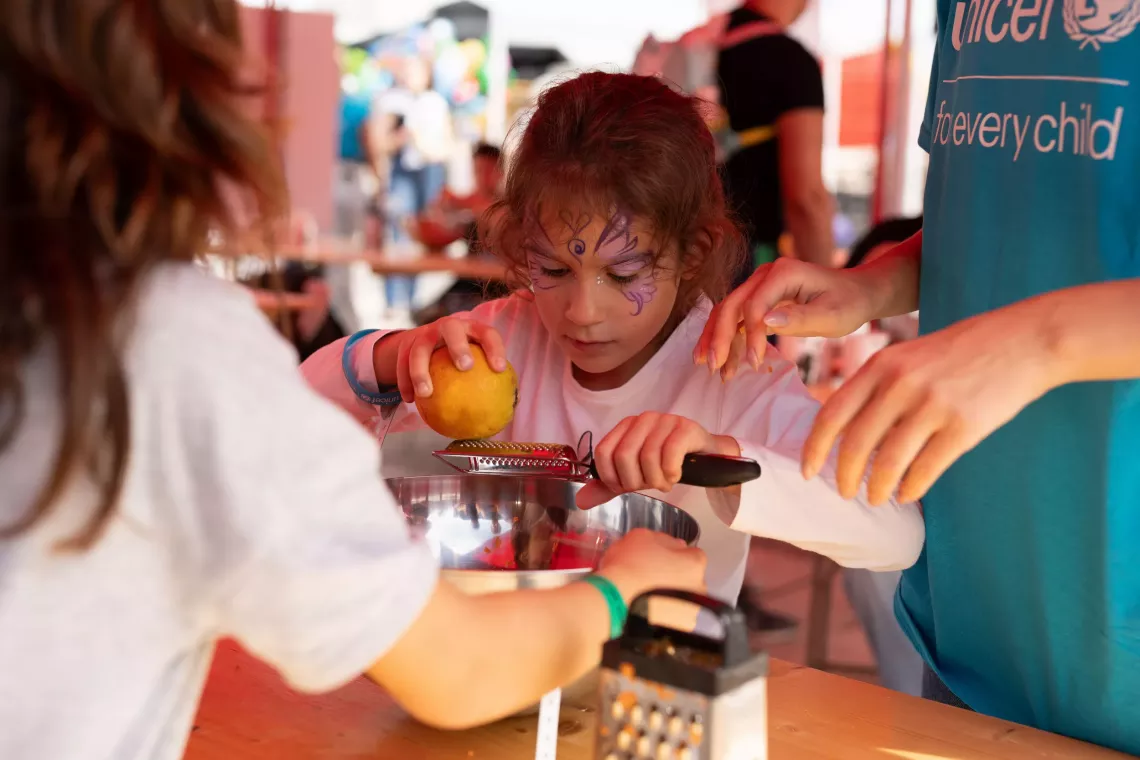
Our vision is to ensure that all children, adolescents and mothers enjoy their right to good nutrition. We aim to protect and promote good nutrition practices and services that support optimal nutrition and development.
At UNICEF, we work to address all forms of unbalanced, non-nutritious and inadequate nutrition as it is a violation of a fundamental right of children (Convention on the Rights of the Child, Article 24.2).
UNICEF works both in the wider Europe and Central Asia region and in Greece, putting children, adolescents and women at the centre of our programming and research. We recognise that nutrition is much more than food itself, as it is shaped by the political landscape and political will, but also by the mindset and the support of families.
Prevention
Our primary goal is prevention. In all UNICEF nutrition programmes, prevention always comes first. But if prevention fails, support is essential. Our main goal is to prevent unbalanced, non-nutritious and inadequate maternal and child nutrition in all its forms, from the early years of the life cycle, through childhood and into adolescence, and to provide early detection and support for affected children. We work to improve feeding services and practices, and a nutritious and healthy diet to support optimal child nutrition and development. Given the burden that unbalanced diets place on children, we prioritise the importance of nutritious, safe, affordable and sustainable diets/dietary patterns supported by strong nutrition services and practices - as the foundation of healthy eating.
Transforming systems and private sector collaboration
UNICEF aims to transform entire systems to prevent child malnutrition and to improve relevant policies governing these systems.
We work with the private sector. National governments have the primary responsibility for upholding the child's right to nutrition, but the private sector has an important role to play. We support business policies, practices and products that contribute to the best possible nutrition for all children, adolescents and women.
Data
We aim to fill the gaps that exist due to the lack of data on nutrition by supporting research that will help us understand what is happening with child nutrition in Europe and Central Asia, using strong evidence and the voices of young people themselves to mobilise governments and other partners.
What we are doing for children in Greece
In Greece, the National Action against Childhood Obesity, implemented by the Ministry of Health and UNICEF, seeks targeted interventions at primary, secondary and tertiary prevention levels at home, school, health services and in the wider community.
At the same time, an attempt is being made to restructure the country's legal framework and to provide services with digital tools to paediatricians and parents. You can find out more about the Programme and the related activities taking place across the country here.
Τake action
We need urgent action to ensure the right of children and adolescents to a balanced, nutritious and adequate diet.
Relevant government agencies have the primary responsibility for upholding children's right to healthy food. However, this requires commitment and investment through broader partnerships between governments, the private sector, civil society and the general public, including children and their families.
By working together, we can help to eliminate the different forms of malnutrition and its serious consequences among children, adolescents in Greece, Europe and Central Asia and around the world.
UNICEF stands ready to support national governments and their partners to ensure a more equitable future for children and their families.
Throughout this effort, we want you to join us in defending together the non-negotiable right of every child to a balanced, nutritious, adequate and healthy diet and to ensure their healthy development and well-being.
