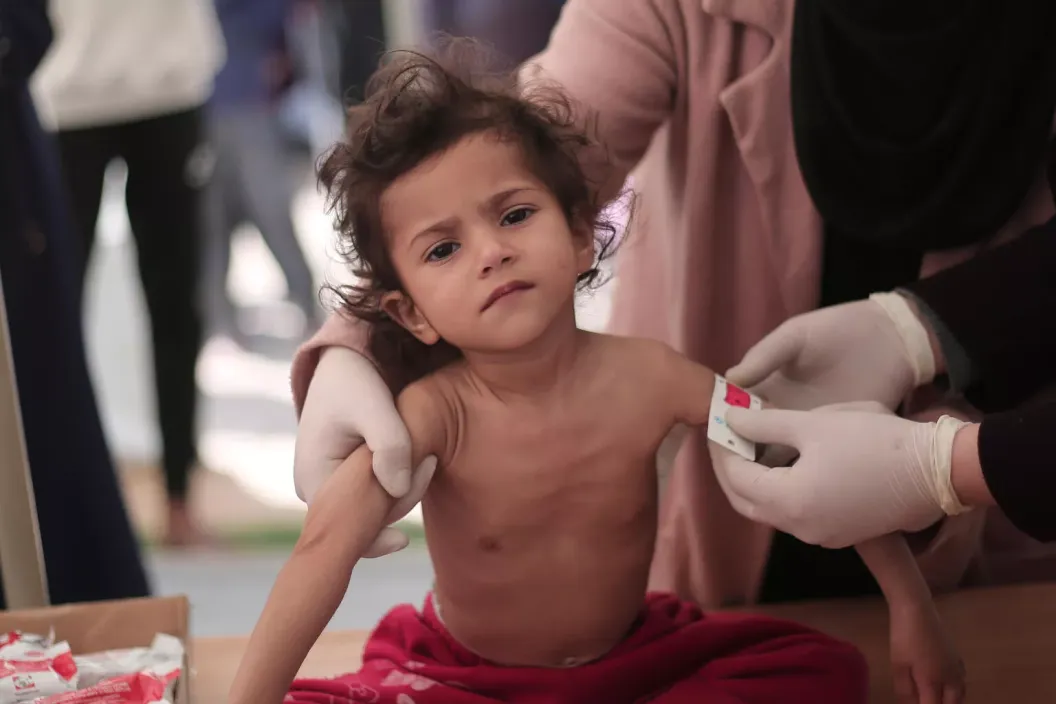
Children in crisis
UNICEF stands alongside millions of children who are experiencing devastating losses due to war, inequalities and the effects of climate change.
- Ελληνικά
- English
Millions of children around the world face devastating losses and an uncertain future due to escalating armed conflicts, inequalities and the impact of climate change on their lives and health.
From Gaza to Sudan and from Ukraine to Myanmar, humanitarian crises are constantly appearing in every part of the world. Children losing their homes, their schools, and their own people while lacking access to food, water, and health care is causing massive crises.
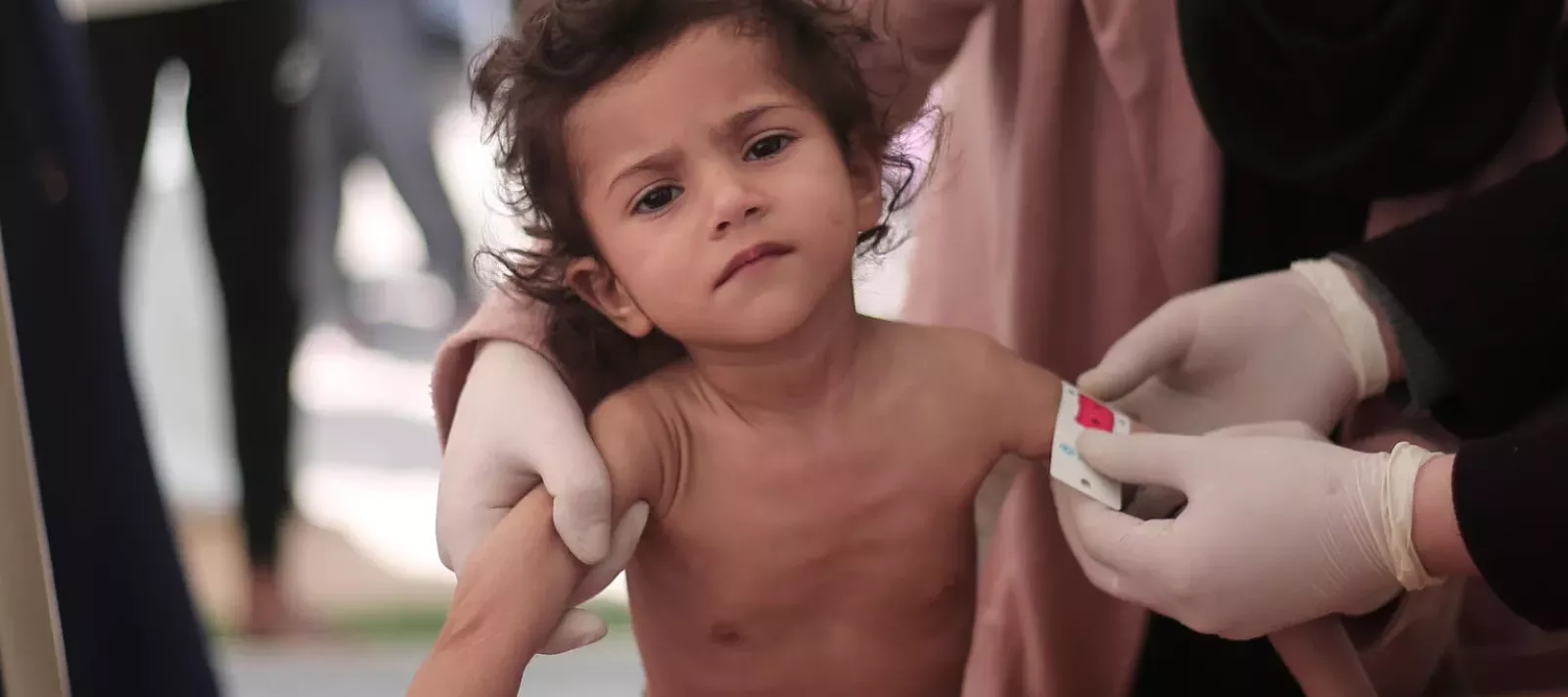
1 in 4 children worldwide (181 million) live in severe food poverty and are up to 50% more likely to suffer from life-threatening malnutrition.
Children in Conflict
Gaza
Since the start of the armed conflict on 7 October 2023, almost every child in the Gaza Strip has been exposed to widespread destruction, unrelenting attacks, displacement and severe shortages of basic needs such as food, water and medicine.
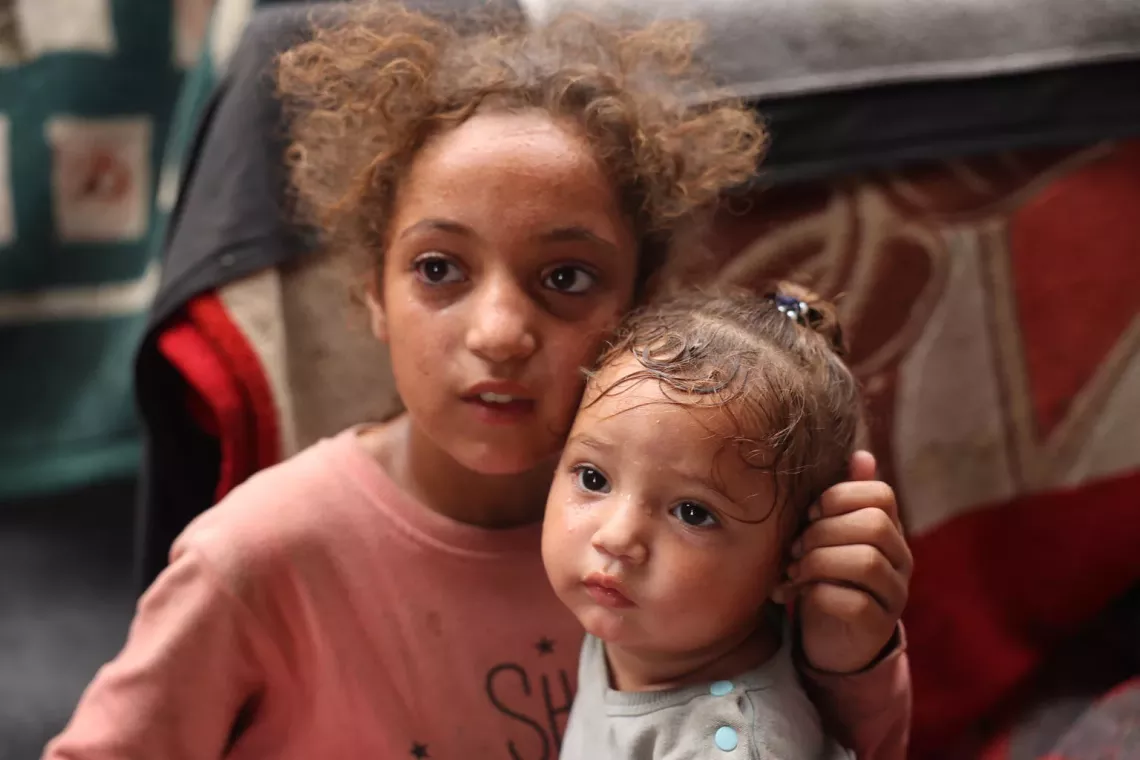
More than 1.7 million people have been internally displaced, about half of them children, and many have taken refuge in overcrowded shelters with extremely limited access to water, sanitation and hygiene - conditions that are particularly dangerous for young children.
Access to the site is difficult and limited, but UNICEF teams are constantly on the ground to deliver critical supplies to the children.
Ukraine's largest children's hospital severely damaged by attacks
On 8 July, multiple missiles hit several cities in Ukraine, destroying homes and buildings, including the Okhmatdyt Hospital, Ukraine's largest paediatric centre. Over 150 people were reportedly killed or injured, with the number of children affected remaining unknown.
Almost two and a half years since the war in Ukraine escalated, there seems to be no end to the terror that children and their families are forced to endure. Children and hospitals must never be targeted and must always be protected. UNICEF is on the front line and responding to immediate needs, providing emergency supplies to Okhmatdyt Hospital while standing ready to assist communities affected by this terrible attack. Millions of children are deprived of their childhood as it has now been two years since the war escalated in Ukraine.
Climate Crisis
Climate change is one of the biggest threats facing children today. The increasing number of extreme weather events is affecting the lives of children worldwide. From fires and droughts to floods and cyclones, these events have a long-lasting and devastating impact on children.
- 1 billion children worldwide are at extremely high risk from the impacts of climate change.
- Rising temperatures across Europe and Central Asia are causing the deaths of nearly 400 children a year.
- Children today will experience three times as many climate disasters as their grandparents.
- 1 in 5 children (466 million) live in areas that experience at least twice the number of extremely hot days each year compared to just six decades ago.
- Three out of four children in South Asia are exposed to extremely high temperatures, experiencing more frequent and more severe heat waves.
UNICEF is working to protect children from the impacts of climate change while helping communities build a more sustainable future.
How climate change affects children today:
- Body warming and heat stress: Children sweat less than adults and have a higher metabolism, which means they heat up faster, making it harder for their bodies to cool down. Exposure to increasingly higher temperatures has acute effects on children, even before they are born, and can lead to premature births, low birth weight, stillbirth and birth defects. In addition, exposure to extreme heat waves can have serious effects not only on health but also on children's mental well-being, education and even nutrition.
- Respiratory diseases: Fine particulate matter (PM2.5) from wildfire smoke is up to 10 times more harmful to children's respiratory health than PM2.5 from other sources, particularly for children from birth to age five. And its impact is worsened when it is hot outside: Not only are children more likely to develop asthma when exposed to extreme heat, but they are more likely to have asthma attacks when exposed to wildfire smoke.
- Displacement: children can lose their homes and communities, leading to the disruption of their education for months, years or indefinitely.
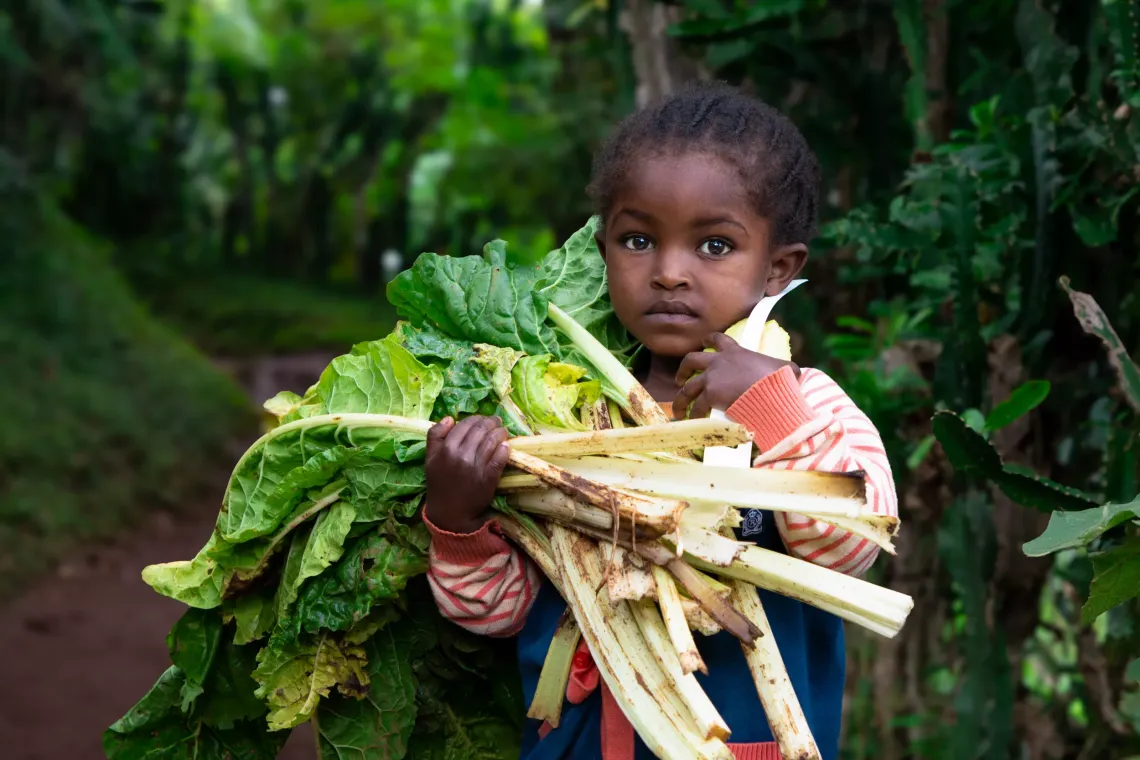
- Malnutrition: extreme weather events and changing rainfall patterns have caused a decline in food production, leading to increased rates of child malnutrition.
- Unsafe Water: Rising temperatures create ideal conditions for pests such as mosquitoes, which carry diseases such as malaria. Children with weak immune systems are much more vulnerable.
- Lead toxicity: As temperatures rise, the ground becomes drier and dustier, causing any lead that’s in the soil to move into the air. Lead damages the nervous system, causing neurological disorders and brain damage.
- Livelihoods: Climate change threatens the livelihoods of families working in sectors such as agriculture, fishing and beekeeping, as extreme weather and changing ecological balances reduce crops and natural resources, leading to the destruction of ecosystems and a reduction in biodiversity.
The heatwaves putting bees – and a generations-old industry – at risk
How your donation can help
Your donation can contribute to:
- Building infrastructure to provide potable water in drought-affected cities.
- Restoring educational and other basic infrastructure in disaster-affected areas.
- Providing food for children living in extreme food poverty conditions.
- Setting up Emergency Supply Hubs aimed at providing supplies to areas likely to be affected by climate disasters.
- Creating Safe Air Spaces for children to protect them from air pollution.